
By All American HVAC | La Verne | 626.736.0962
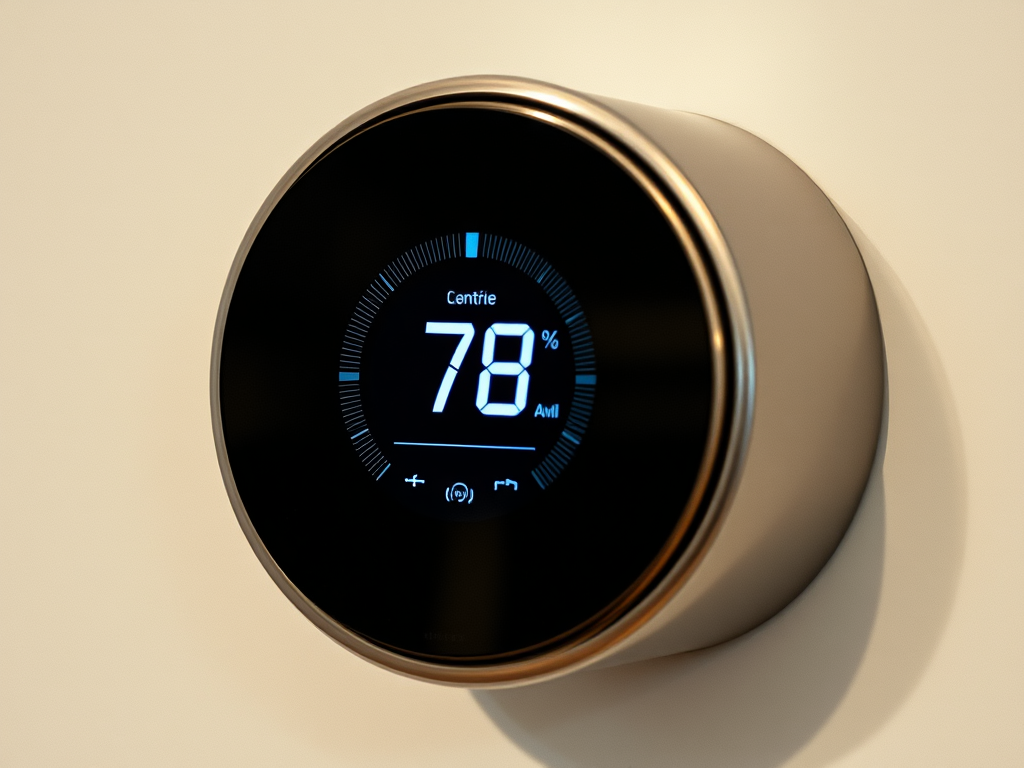
Finding the right thermostat setting can make a noticeable difference in home comfort, HVAC performance, and energy use. Setting the temperature too low during hot weather or too high during cooler months can increase the workload on your heating and cooling equipment without necessarily making your home comfortable faster. For homeowners in La Verne, All American HVAC at 626.736.0962 can help optimize thermostat settings and HVAC performance for dependable, energy-efficient comfort throughout the year.
☀️ What Is a Good Thermostat Setting During Summer?
There isn’t one perfect temperature for every household. The ideal setting depends on personal comfort, humidity, home insulation, HVAC equipment, occupancy, and other factors.
During hot weather, a practical strategy is to choose the highest indoor temperature that still feels comfortable to your household.
The greater the difference between the outdoor and indoor temperatures, the harder your air conditioner generally has to work. Setting the thermostat extremely low during a heat wave can result in long cooling cycles and increased energy consumption.
Instead of focusing on one magic number, look for a comfortable setting you can maintain consistently.
❄️ What About Thermostat Settings During Winter?
The same general principle applies when heating your home.
During cooler weather, choose the lowest comfortable thermostat setting while you’re home. Lowering the temperature when the house is unoccupied or while everyone is sleeping may help reduce heating demand, depending on your HVAC system and household routine.
However, avoid temperature changes that are so extreme that they create discomfort or require the heating system to overcome a substantial temperature difference later.
Heat pump owners may require a different thermostat strategy than homeowners with conventional furnaces, particularly if the system uses auxiliary or backup heat.
🌡️ Avoid Constant Thermostat Adjustments
Changing the thermostat every time you feel slightly warm or cool can result in unnecessary HVAC operation.
Instead, select a comfortable setting and allow the system time to reach it.
Remember that your thermostat is a temperature control—not an accelerator.
Setting the air conditioner significantly colder doesn’t typically make a conventional system produce colder air or cool the home faster. It simply tells the equipment to continue operating until it reaches the lower temperature.
Similarly, turning the thermostat extremely high won’t necessarily make a furnace heat the home faster.
Consistent settings can provide more predictable comfort and HVAC operation.
⚡ Don’t Set the AC Extremely Low During a Heat Wave
When outdoor temperatures soar, homeowners sometimes respond by lowering the thermostat dramatically.
This can place additional demand on the cooling system.
During extreme heat, your air conditioner may already be operating for extended periods. Asking it to maintain an unusually low indoor temperature increases the difference between indoor and outdoor conditions.
Instead, maintain a realistic, comfortable thermostat setting and use other strategies to reduce heat gain.
Close blinds or shades, use ceiling fans in occupied rooms, limit unnecessary use of heat-producing appliances, and keep exterior doors and windows closed while the air conditioner is running.
These steps can complement your thermostat settings during hot weather.
🏠 Adjust Temperatures When You’re Away
If nobody is home for several hours, maintaining exactly the same comfort setting may not always be necessary.
A programmable or smart thermostat can automatically adjust the temperature when the house is empty and return it to your preferred setting before you arrive.
The amount of adjustment depends on the HVAC system and your household.
During summer, allowing the indoor temperature to rise somewhat while you’re away can reduce cooling demand. During winter, lowering the heating setting can accomplish a similar goal.
Avoid shutting the HVAC system off entirely during extreme weather without considering pets, humidity, plumbing, indoor belongings, and other household needs.
🌙 Find a Comfortable Sleeping Temperature
Bedroom temperature can have a significant effect on comfort at night, but preferred sleeping temperatures vary widely.
Instead of chasing a universal number, experiment with modest thermostat adjustments to find a temperature that works for your household.
Ceiling fans can also help during warm weather by creating air movement across the skin. This may allow occupants to remain comfortable without setting the thermostat as low.
Remember to turn ceiling fans off when rooms are unoccupied because fans cool people rather than lowering the actual room temperature.
📱 Use a Programmable Thermostat
A programmable thermostat can automatically manage temperature changes according to your schedule.
For example, you can establish different settings for mornings, daytime hours, evenings, and overnight periods.
This removes the need to remember to change the thermostat manually every day.
A consistent schedule can also prevent situations where the HVAC system is unnecessarily maintaining your preferred occupied temperature while the house is empty.
The key is programming a schedule that reflects how your household actually operates.
📲 Consider a Smart Thermostat
Smart thermostats add another level of convenience.
Depending on the model and HVAC equipment, a smart thermostat may allow homeowners to control temperatures remotely, create detailed schedules, receive certain system notifications, and review information about HVAC operation.
Some models can also adjust settings based on occupancy or household routines.
Before installing a smart thermostat, confirm compatibility with your heating and cooling equipment. Not every thermostat works properly with every HVAC system, particularly when dealing with multi-stage systems, variable-speed equipment, heat pumps, or communicating HVAC systems.
🔥 Heat Pumps May Require a Different Strategy
If your home uses a heat pump, large thermostat setbacks may not always be the most efficient approach.
Some heat pump systems use auxiliary heating when additional heat is required. Depending on the system, rapidly increasing the thermostat setting could cause supplemental heat to operate.
A more moderate and consistent temperature strategy may be appropriate.
Modern variable-speed and inverter heat pumps can also operate differently from traditional single-stage HVAC equipment. These systems are often designed to run for longer periods while making smaller adjustments to their output.
Homeowners with heat pumps should follow the equipment manufacturer’s recommendations and ask an HVAC professional about the best thermostat strategy for their specific system.
🌀 Use Ceiling Fans With Your Thermostat
Your thermostat isn’t the only tool available for controlling comfort.
Ceiling fans can make occupied rooms feel more comfortable by circulating air. During summer, this can complement your air conditioning system.
If increased air movement makes you comfortable at a slightly higher thermostat setting, the air conditioner may not need to work as hard to maintain a lower indoor temperature.
Fans should generally be turned off when nobody is in the room because they don’t actually reduce the room’s air temperature.
Using fans strategically is a simple way to complement energy-efficient thermostat settings.
🚪 Keep Doors and Windows Closed
Even the best thermostat strategy won’t deliver maximum results if conditioned air is constantly escaping.
Keep exterior doors and windows closed while your HVAC equipment is operating.
Inspect weatherstripping around frequently used doors and look for obvious gaps that allow outdoor air to enter.
During summer, close blinds and shades when direct sunlight is heating rooms. During cooler weather, managing window coverings strategically can also help control heat transfer.
Reducing unwanted heat gain and loss makes it easier for your HVAC system to maintain the temperature selected at the thermostat.
🧼 Check Your Air Filter
If your HVAC system isn’t reaching the thermostat setting, don’t automatically assume the thermostat is the problem.
A dirty air filter can restrict airflow and interfere with system performance.
Check your filter regularly and clean or replace it according to the manufacturer’s recommendations.
Filter replacement frequency varies depending on the type of filter, HVAC system, household conditions, pets, dust levels, and equipment usage.
During periods of heavy heating or cooling, inspecting the filter more frequently is a good habit.
📍 Thermostat Location Matters
Where your thermostat is installed can influence the temperatures it detects.
Ideally, the thermostat should be located where it can measure conditions representative of the home’s occupied areas.
Locations near direct sunlight, exterior doors, windows, kitchens, supply vents, or other unusual heat sources can potentially affect temperature readings.
For example, direct afternoon sunlight hitting a thermostat could cause it to detect a higher temperature than the rest of the home.
If your HVAC system seems to cycle strangely or certain rooms consistently feel much warmer or cooler than the thermostat indicates, thermostat placement may be worth evaluating.
🔧 Don’t Ignore Thermostat Problems
Sometimes unusual HVAC behavior really does originate with the thermostat.
Warning signs can include an unresponsive display, inaccurate temperature readings, unexpected cycling, loss of programming, connectivity problems, or HVAC equipment that doesn’t respond correctly to temperature adjustments.
Some issues may be as simple as batteries that need replacement. Others may involve thermostat configuration, wiring, compatibility, sensors, or the HVAC equipment itself.
If basic troubleshooting doesn’t resolve the issue, professional diagnosis can help determine the actual cause.
📉 Small Adjustments Can Make a Difference
You don’t necessarily need a dramatic temperature change to modify HVAC energy use.
Small adjustments can reduce the difference between indoor and outdoor temperatures while still maintaining comfort.
During summer, try increasing the thermostat slightly and using ceiling fans in occupied areas. During winter, try reducing the heating temperature modestly and dressing appropriately for the season.
Finding the right balance is more practical than choosing an uncomfortable setting simply to reduce HVAC use.
Your goal should be efficient home comfort, not discomfort.
🏡 Consider the Entire Home, Not Just the Thermostat
If your HVAC system constantly struggles to maintain the desired temperature, changing the thermostat may not solve the underlying problem.
Insufficient insulation, air leakage, damaged ductwork, poor airflow, dirty equipment, incorrect system sizing, aging HVAC components, and excessive solar heat gain can all affect indoor temperatures.
For example, a room with substantial afternoon sun may remain warmer than other areas even though the thermostat is functioning correctly.
An HVAC evaluation can help determine whether comfort problems originate with the thermostat, heating and cooling equipment, ductwork, or another part of the home.
⚠️ When Your HVAC System Can’t Reach the Set Temperature
During periods of extreme weather, HVAC equipment may run longer than normal.
However, a significant or sudden inability to maintain reasonable indoor temperatures deserves attention.
Check that the thermostat is set to the correct operating mode and temperature. Make sure the air filter isn’t heavily clogged and confirm that supply and return vents aren’t blocked.
If the system is blowing warm air during cooling mode, repeatedly shutting down, making unusual noises, or showing other signs of malfunction, professional service may be needed.
Continuing to lower the thermostat won’t correct a mechanical problem.
🔄 When Should You Upgrade Your Thermostat?
A thermostat upgrade may be worthwhile if your existing control is outdated, difficult to program, unreliable, or lacks the features you want.
Modern thermostat options range from straightforward programmable controls to sophisticated connected systems.
Depending on compatibility, an upgraded thermostat may offer scheduling, remote access, energy-use information, maintenance reminders, humidity controls, zoning integration, or other features.
The most expensive thermostat isn’t necessarily the best choice. The right control should match your HVAC equipment and the features your household will actually use.
🌡️ Find the Right Thermostat Setting for Your La Verne Home
There is no single thermostat temperature that guarantees ideal comfort and efficiency for every home.
A better strategy is to find a reasonable temperature your household finds comfortable, avoid extreme adjustments, use scheduled setbacks appropriately, and make sure the rest of your HVAC system is operating correctly.
Clean filters, unobstructed vents, good insulation, sealed windows and doors, ceiling fans, and regular HVAC maintenance can all support your thermostat strategy.
When all these elements work together, maintaining a comfortable home becomes easier—even when outdoor temperatures become extreme.
📞 Get More From Your Thermostat and HVAC System
The right thermostat settings can help balance indoor comfort, HVAC efficiency, and energy use, but thermostat adjustments can’t compensate for equipment that needs maintenance or repair. If your home has uneven temperatures, your system runs constantly, or you’re considering a programmable or smart thermostat upgrade, contact All American HVAC at 626.736.0962 for professional HVAC service in La Verne and make sure your thermostat and heating and cooling equipment are working together effectively.