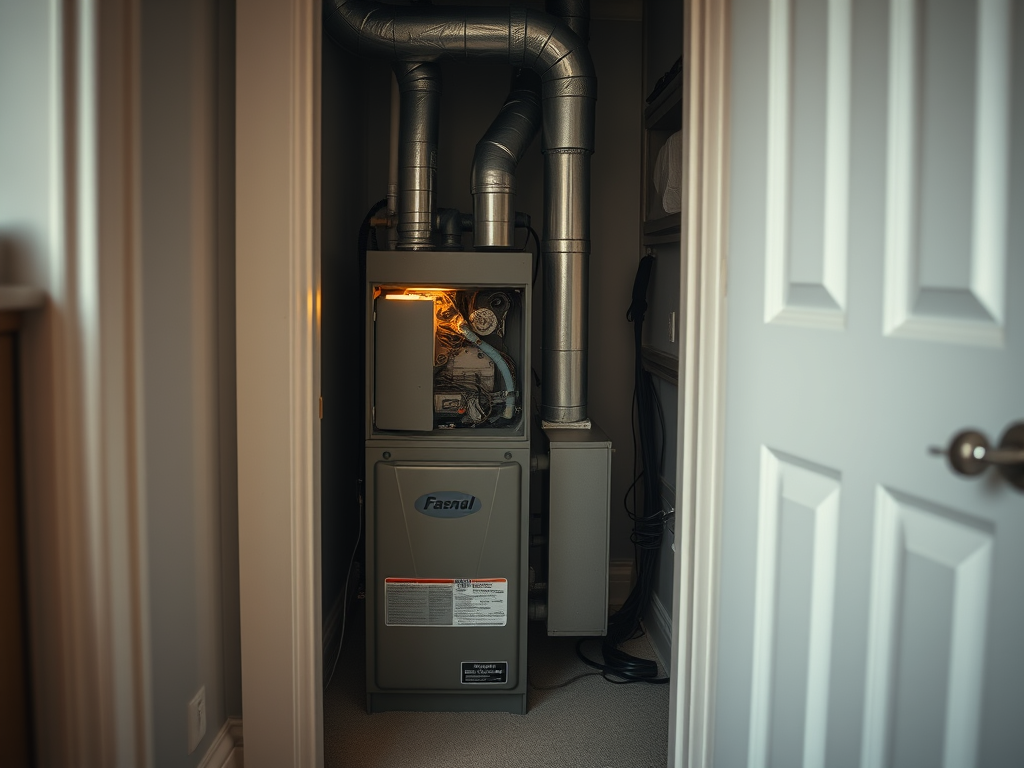
Category: La Verne heater repair

  • 🔧 The Importance of Regular HVAC Maintenance for Your Home in La Verne

    By All American HVAC | La Verne | 626.736.0962
    The Importance of Regular HVAC Maintenance for Your Home in La Verne

    Your home’s heating and cooling system plays an essential role in maintaining comfort, improving indoor air quality, and keeping energy costs under control throughout the year. However, many homeowners overlook the importance of regular HVAC maintenance until their air conditioner stops cooling or their heater fails on a cold evening. At All American HVAC, we help homeowners in La Verne understand the value of preventive HVAC maintenance, air conditioning tune-ups, and heating system inspections. Scheduling professional maintenance can help extend equipment life, improve efficiency, and reduce the risk of unexpected breakdowns. Call 626.736.0962 to learn more about keeping your heating and cooling system operating efficiently throughout every season.

    🏠 Why Regular HVAC Maintenance Is Essential

    Your HVAC system works hard to maintain comfortable indoor temperatures, especially during La Verne’s hot summers and cooler winter months.

    Over time, normal operation causes components to accumulate dust, experience wear, and require adjustments. Without proper maintenance, these issues can gradually reduce efficiency and contribute to equipment problems.

    Routine HVAC maintenance helps identify potential concerns before they develop into expensive repairs.

    Professional inspections also allow technicians to evaluate system performance, check important components, and recommend necessary adjustments.

    For homeowners looking to protect their investment, preventive HVAC maintenance is one of the most practical steps toward dependable year-round comfort.

    ⚡ 1. Improve Energy Efficiency and Lower Utility Bills

    One of the biggest benefits of regular HVAC maintenance is improved energy efficiency.

    Heating and cooling systems consume a significant amount of household energy, particularly during periods of extreme temperatures.

    When components become dirty, filters become clogged, or airflow is restricted, equipment may need to work harder to maintain the desired indoor temperature.

    This increased workload can lead to higher energy consumption.

    How HVAC Maintenance Supports Efficiency

    • Clean air filters: Help maintain proper airflow and reduce unnecessary strain.
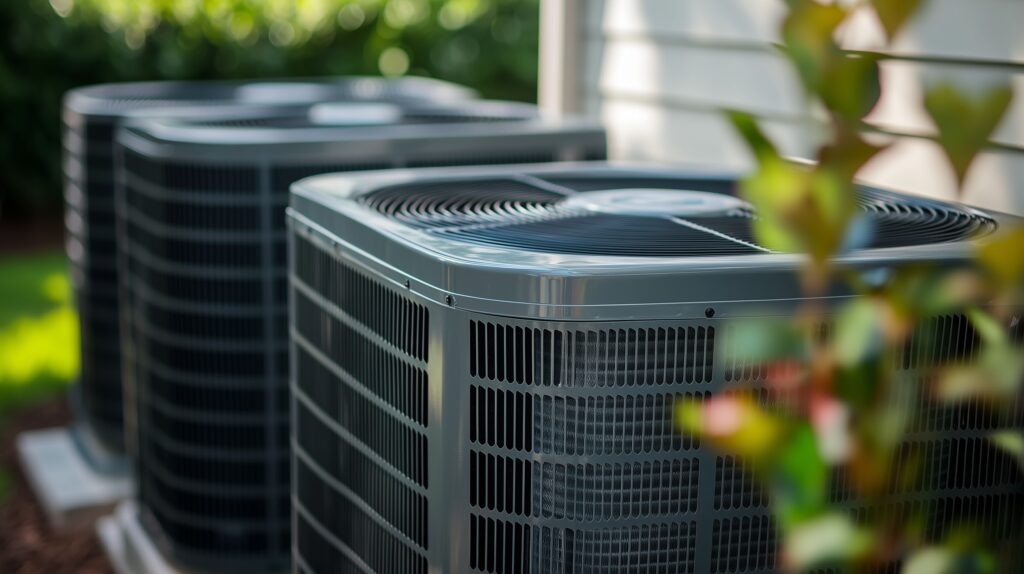
    • Clean condenser coils: Allow the air conditioning system to release heat more effectively.
    • Proper thermostat operation: Helps maintain accurate temperature control.
    • Electrical component inspections: Identify connections or components that may require attention.
    • Airflow evaluations: Help detect restrictions that affect heating and cooling performance.

    Although actual savings depend on equipment condition and household usage, maintaining your system can help prevent avoidable energy waste.

    For homeowners in La Verne, scheduling an HVAC tune-up before peak cooling or heating season can be especially beneficial.

    ❄️ 2. Prevent Unexpected Air Conditioning Breakdowns

    Few household problems are more frustrating than an air conditioner failing during a summer heat wave.

    When outdoor temperatures rise, your cooling system may operate for extended periods to keep your home comfortable.

    If the equipment has worn components, dirty coils, or electrical issues, heavy usage can increase the likelihood of a breakdown.

    Routine air conditioning maintenance provides an opportunity to identify these problems before they interrupt your comfort.

    Common Issues Found During AC Maintenance

    Dirty condenser coils: Dust and debris can reduce the system’s ability to release heat.

    Clogged condensate drains: Blockages may contribute to water leaks and moisture problems.

    Worn electrical components: Aging capacitors, contactors, and connections can affect system reliability.

    Restricted airflow: Dirty filters or blocked vents can reduce cooling performance.

    Refrigerant-related problems: Incorrect refrigerant charge or leaks can reduce efficiency and cooling capacity.

    Professional AC maintenance in La Verne helps technicians identify developing concerns and recommend appropriate repairs.

    While no maintenance program can guarantee that equipment will never fail, routine inspections can reduce the likelihood of preventable problems.

    🔥 3. Keep Your Heating System Safe and Reliable

    Although La Verne is known for warm weather, winter evenings can still become chilly enough to require dependable heating.

    A neglected furnace or heat pump may struggle to maintain comfortable temperatures or develop operational problems.

    Routine heating system maintenance helps ensure that equipment is ready when temperatures drop.

    Important Heating Maintenance Tasks

    • Inspecting burners and ignition components when applicable.
    • Checking electrical connections and controls.
    • Evaluating thermostat operation.
    • Inspecting accessible venting and exhaust components.
    • Checking airflow and blower performance.
    • Examining safety controls.
    • Looking for signs of unusual wear or deterioration.

    For fuel-burning heating equipment, technicians may also inspect components associated with combustion and exhaust safety.

    A cracked heat exchanger or venting problem can create serious safety concerns, including potential carbon monoxide exposure.

    Professional furnace maintenance is especially important because some heating problems may not be obvious to homeowners.

    If you suspect a gas leak or carbon monoxide emergency, leave the area immediately and contact emergency services or your gas utility from a safe location.

    🌬️ 4. Improve Indoor Air Quality and Household Comfort

    Your heating and cooling system does more than regulate temperature. It also circulates air throughout your home.

    When filters become dirty or components accumulate dust, indoor comfort and airflow can suffer.

    Routine HVAC maintenance supports healthier indoor conditions by helping maintain proper filtration and ventilation performance.

    How Maintenance Can Support Indoor Air Quality

    Air filter replacement: Helps capture airborne particles according to the filter’s efficiency rating.

    Airflow inspections: Identify restrictions that may reduce circulation.

    Moisture management: Proper condensate drainage helps prevent excess moisture around cooling equipment.

    Ventilation checks: Help ensure applicable ventilation components are operating as intended.

    System cleanliness: Keeping appropriate HVAC components clean can reduce buildup that interferes with operation.

    Maintenance alone cannot eliminate every indoor air pollutant, but it is an important part of an overall indoor air quality improvement strategy.

    Homeowners should also manage indoor humidity, control pollution sources, and use suitable filtration for their equipment.

    💰 5. Reduce the Risk of Expensive HVAC Repairs

    Small mechanical or electrical problems can become more serious when left unaddressed.

    For example, a failing capacitor may eventually prevent an air conditioner from starting. A clogged drain line may cause water damage, while restricted airflow can contribute to excessive equipment strain.

    Routine preventive HVAC maintenance allows technicians to identify warning signs before they lead to larger failures.

    Why Early Detection Matters

    Smaller repair needs: Some problems can be addressed before they affect additional components.

    Reduced emergency service calls: Preventive inspections may help homeowners avoid certain unexpected failures.

    Better repair planning: Identifying aging components provides time to evaluate service options.

    Less disruption: Scheduling maintenance is generally more convenient than dealing with an unexpected breakdown.

    Improved reliability: Properly maintained equipment is better positioned to operate consistently.

    Although maintenance involves an upfront cost, it can help reduce avoidable repair expenses over the system’s lifetime.

    ⏳ 6. Extend the Lifespan of Your Heating and Cooling Equipment

    Replacing a central air conditioning system, furnace, or heat pump can represent a substantial household investment.

    Naturally, homeowners want their equipment to operate reliably for as long as reasonably possible.

    Regular HVAC system maintenance helps protect that investment by addressing wear, cleanliness, airflow, and performance issues.

    When equipment operates under unnecessary strain, components may experience additional stress.

    Maintaining proper operating conditions can help reduce that burden.

    Factors That Affect HVAC Lifespan

    • Equipment quality and installation.
    • Frequency and intensity of use.
    • Local climate conditions.
    • Air filter maintenance.
    • Airflow and ductwork condition.
    • Timely repairs.
    • Professional maintenance history.

    While every system eventually requires replacement, routine care may help homeowners get more useful service from their existing equipment.

    For residents of La Verne, maintaining equipment before the demanding summer season is particularly important.

    🌡️ 7. Maintain More Consistent Indoor Temperatures

    Have you noticed that certain rooms in your home feel warmer or cooler than others?

    Uneven temperatures can result from several factors, including airflow restrictions, duct leakage, insulation deficiencies, thermostat placement, or equipment performance issues.

    A professional HVAC inspection can help determine whether your heating and cooling system is contributing to the problem.

    Common Comfort Problems

    Weak airflow: Certain rooms may receive less conditioned air than intended.

    Frequent cycling: Equipment may turn on and off more often than expected.

    Long operating cycles: The system may struggle to reach the thermostat setting.

    Temperature fluctuations: Indoor temperatures may vary noticeably throughout the day.

    Unusual noises: Rattling, buzzing, or grinding sounds may indicate mechanical concerns.

    Addressing these issues can help improve overall comfort and support more consistent operation.

    Some problems may require repairs or improvements beyond routine maintenance, such as duct sealing or insulation upgrades.

    📅 8. Know How Often to Schedule HVAC Maintenance

    One of the most common homeowner questions is how frequently heating and cooling equipment should be serviced.

    For many residential systems, professional maintenance is recommended at least once a year, with separate seasonal inspections often appropriate for heating and cooling equipment.

    The ideal schedule depends on the equipment type, manufacturer recommendations, age, operating conditions, and household needs.

    Recommended Seasonal Maintenance Schedule

    Spring: Air Conditioning Maintenance

    Before summer temperatures rise, schedule an AC tune-up to check cooling performance, inspect components, and prepare the system for heavy use.

    Fall: Heating System Maintenance

    Before colder weather arrives, arrange a heating system inspection to evaluate operation and safety-related components.

    Throughout the Year: Filter Maintenance

    Inspect air filters regularly and replace or clean them according to manufacturer instructions and household conditions.

    Homes with pets, higher dust levels, or extended HVAC operating hours may require more frequent filter attention.

    Following a consistent HVAC maintenance schedule helps prevent important service tasks from being overlooked.

    🛠️ 9. Understand What Happens During a Professional HVAC Tune-Up

    A professional HVAC tune-up involves more than a quick visual inspection.

    Technicians evaluate accessible components and operating conditions to identify maintenance needs and potential problems.

    The exact service checklist depends on the equipment and the maintenance agreement.

    Typical HVAC Maintenance Services

    Thermostat testing: Checking whether temperature controls respond appropriately.

    Air filter inspection: Evaluating filter condition and replacement needs.

    Electrical inspections: Checking accessible connections and components for signs of damage or deterioration.

    Coil inspections: Evaluating cleanliness and condition.

    Condensate drain inspection: Checking for blockages and drainage concerns.

    Blower evaluation: Assessing operation and airflow-related performance.

    Refrigerant performance checks: Evaluating cooling operation and investigating signs of refrigerant problems when necessary.

    Safety control testing: Confirming that applicable safety mechanisms function correctly.

    Overall system assessment: Identifying concerns that may require additional service or repairs.

    A thorough inspection gives homeowners a clearer understanding of their equipment’s condition.

    🚨 10. Recognize the Warning Signs Your HVAC System Needs Service

    Even when you follow a regular maintenance schedule, unexpected problems can occur.

    Recognizing early warning signs can help prevent minor issues from becoming major disruptions.

    Signs You May Need HVAC Service

    • Your air conditioner is blowing warm air.
    • Your heater is not producing adequate warmth.
    • Energy bills rise without an obvious explanation.
    • Airflow from vents becomes noticeably weaker.
    • The system makes unusual noises.
    • Unpleasant odors appear during operation.
    • The thermostat does not respond correctly.
    • Equipment turns on and off unusually frequently.
    • Water accumulates around indoor cooling components.
    • Indoor temperatures remain inconsistent.

    Some symptoms may indicate simple maintenance needs, while others require professional diagnosis.

    If you notice burning odors, smoke, suspected gas leaks, or other potentially dangerous conditions, stop using the equipment when safe and seek appropriate emergency assistance.

    Prompt attention helps protect your comfort and may prevent additional equipment damage.

    🏡 Why HVAC Maintenance Matters for La Verne Homeowners

    La Verne’s warm summers place significant demands on residential cooling systems.

    During extended periods of hot weather, air conditioners may operate for many hours each day.

    This makes dependable equipment especially important for household comfort.

    Routine HVAC maintenance in La Verne helps prepare cooling equipment for demanding conditions while ensuring heating systems receive attention before winter.

    Local homeowners can benefit from establishing a seasonal maintenance routine rather than waiting for performance problems to appear.

    Professional service can also help identify whether aging equipment is becoming less efficient or may need repairs.

    For homeowners considering future system upgrades, maintenance records and performance evaluations can provide useful information when comparing repair and replacement options.

    🌟 Make Preventive HVAC Maintenance a Smart Home Investment

    Your heating and cooling system is one of the most important mechanical systems in your home.

    Maintaining it regularly supports energy efficiency, equipment reliability, indoor comfort, and long-term performance.

    Instead of waiting for a breakdown, homeowners can take a proactive approach by scheduling seasonal inspections and addressing problems early.

    Preventive HVAC maintenance is particularly valuable because it helps protect against avoidable wear and allows technicians to identify potential concerns before peak heating or cooling demand.

    Whether your equipment is relatively new or has been operating for many years, consistent maintenance can help keep it performing as intended.

    📞 Schedule Your HVAC Maintenance in La Verne Today!

    Regular heating and cooling maintenance is an important step toward a more comfortable, efficient, and dependable home. From reducing unnecessary energy consumption to identifying developing mechanical problems, routine professional service offers benefits that extend throughout the year.

    Do not wait until your air conditioner fails during a heat wave or your heating system stops working on a cold winter night. Take a proactive approach to protecting your comfort and your HVAC investment.

    All American HVAC is ready to help homeowners in La Verne with professional HVAC maintenance, air conditioning tune-ups, and heating system service. Keep your equipment operating efficiently and prepare your home for every season. Call 626.736.0962 today to schedule your maintenance appointment and enjoy greater confidence in your home’s heating and cooling system!
  • 🌡️ Best Thermostat Settings for Comfort and HVAC Efficiency

    By All American HVAC | La Verne | 626.736.0962

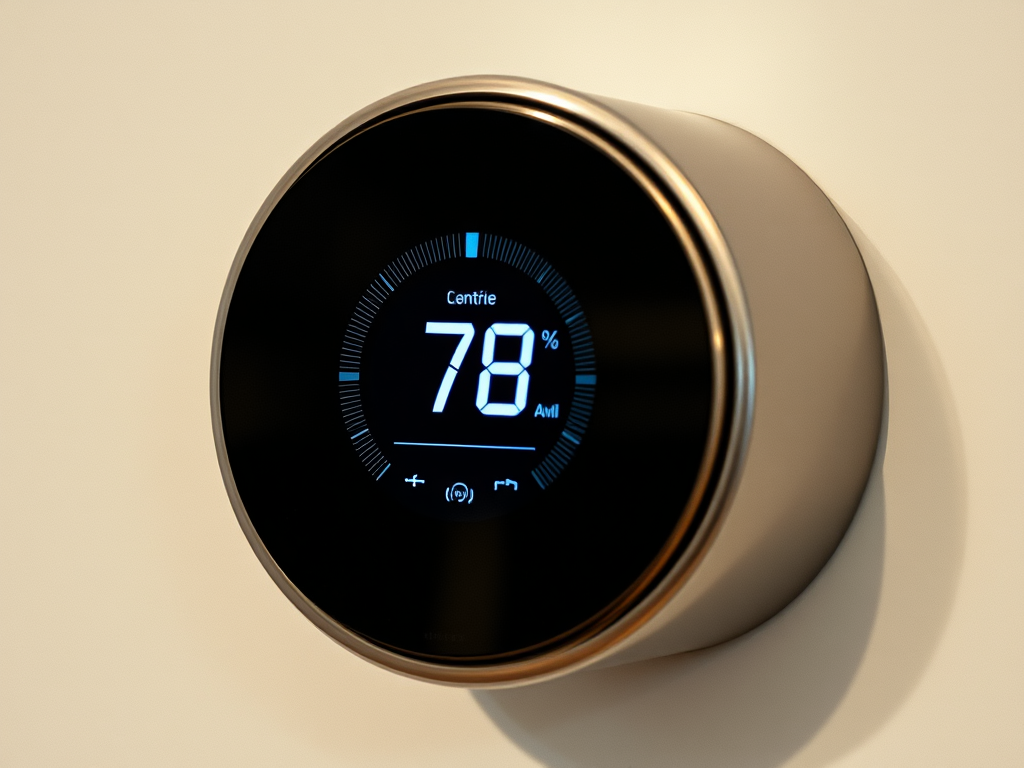
    Finding the right thermostat setting can make a noticeable difference in home comfort, HVAC performance, and energy use. Setting the temperature too low during hot weather or too high during cooler months can increase the workload on your heating and cooling equipment without necessarily making your home comfortable faster. For homeowners in La Verne, All American HVAC at 626.736.0962 can help optimize thermostat settings and HVAC performance for dependable, energy-efficient comfort throughout the year.

    ☀️ What Is a Good Thermostat Setting During Summer?

    There isn’t one perfect temperature for every household. The ideal setting depends on personal comfort, humidity, home insulation, HVAC equipment, occupancy, and other factors.

    During hot weather, a practical strategy is to choose the highest indoor temperature that still feels comfortable to your household.

    The greater the difference between the outdoor and indoor temperatures, the harder your air conditioner generally has to work. Setting the thermostat extremely low during a heat wave can result in long cooling cycles and increased energy consumption.

    Instead of focusing on one magic number, look for a comfortable setting you can maintain consistently.

    ❄️ What About Thermostat Settings During Winter?

    The same general principle applies when heating your home.

    During cooler weather, choose the lowest comfortable thermostat setting while you’re home. Lowering the temperature when the house is unoccupied or while everyone is sleeping may help reduce heating demand, depending on your HVAC system and household routine.

    However, avoid temperature changes that are so extreme that they create discomfort or require the heating system to overcome a substantial temperature difference later.

    Heat pump owners may require a different thermostat strategy than homeowners with conventional furnaces, particularly if the system uses auxiliary or backup heat.

    🌡️ Avoid Constant Thermostat Adjustments

    Changing the thermostat every time you feel slightly warm or cool can result in unnecessary HVAC operation.

    Instead, select a comfortable setting and allow the system time to reach it.

    Remember that your thermostat is a temperature control—not an accelerator.

    Setting the air conditioner significantly colder doesn’t typically make a conventional system produce colder air or cool the home faster. It simply tells the equipment to continue operating until it reaches the lower temperature.

    Similarly, turning the thermostat extremely high won’t necessarily make a furnace heat the home faster.

    Consistent settings can provide more predictable comfort and HVAC operation.

    ⚡ Don’t Set the AC Extremely Low During a Heat Wave

    When outdoor temperatures soar, homeowners sometimes respond by lowering the thermostat dramatically.

    This can place additional demand on the cooling system.

    During extreme heat, your air conditioner may already be operating for extended periods. Asking it to maintain an unusually low indoor temperature increases the difference between indoor and outdoor conditions.

    Instead, maintain a realistic, comfortable thermostat setting and use other strategies to reduce heat gain.

    Close blinds or shades, use ceiling fans in occupied rooms, limit unnecessary use of heat-producing appliances, and keep exterior doors and windows closed while the air conditioner is running.

    These steps can complement your thermostat settings during hot weather.

    🏠 Adjust Temperatures When You’re Away

    If nobody is home for several hours, maintaining exactly the same comfort setting may not always be necessary.

    A programmable or smart thermostat can automatically adjust the temperature when the house is empty and return it to your preferred setting before you arrive.

    The amount of adjustment depends on the HVAC system and your household.

    During summer, allowing the indoor temperature to rise somewhat while you’re away can reduce cooling demand. During winter, lowering the heating setting can accomplish a similar goal.

    Avoid shutting the HVAC system off entirely during extreme weather without considering pets, humidity, plumbing, indoor belongings, and other household needs.

    🌙 Find a Comfortable Sleeping Temperature

    Bedroom temperature can have a significant effect on comfort at night, but preferred sleeping temperatures vary widely.

    Instead of chasing a universal number, experiment with modest thermostat adjustments to find a temperature that works for your household.

    Ceiling fans can also help during warm weather by creating air movement across the skin. This may allow occupants to remain comfortable without setting the thermostat as low.

    Remember to turn ceiling fans off when rooms are unoccupied because fans cool people rather than lowering the actual room temperature.

    📱 Use a Programmable Thermostat

    A programmable thermostat can automatically manage temperature changes according to your schedule.

    For example, you can establish different settings for mornings, daytime hours, evenings, and overnight periods.

    This removes the need to remember to change the thermostat manually every day.

    A consistent schedule can also prevent situations where the HVAC system is unnecessarily maintaining your preferred occupied temperature while the house is empty.

    The key is programming a schedule that reflects how your household actually operates.

    📲 Consider a Smart Thermostat

    Smart thermostats add another level of convenience.

    Depending on the model and HVAC equipment, a smart thermostat may allow homeowners to control temperatures remotely, create detailed schedules, receive certain system notifications, and review information about HVAC operation.

    Some models can also adjust settings based on occupancy or household routines.

    Before installing a smart thermostat, confirm compatibility with your heating and cooling equipment. Not every thermostat works properly with every HVAC system, particularly when dealing with multi-stage systems, variable-speed equipment, heat pumps, or communicating HVAC systems.

    🔥 Heat Pumps May Require a Different Strategy

    If your home uses a heat pump, large thermostat setbacks may not always be the most efficient approach.

    Some heat pump systems use auxiliary heating when additional heat is required. Depending on the system, rapidly increasing the thermostat setting could cause supplemental heat to operate.

    A more moderate and consistent temperature strategy may be appropriate.

    Modern variable-speed and inverter heat pumps can also operate differently from traditional single-stage HVAC equipment. These systems are often designed to run for longer periods while making smaller adjustments to their output.

    Homeowners with heat pumps should follow the equipment manufacturer’s recommendations and ask an HVAC professional about the best thermostat strategy for their specific system.

    🌀 Use Ceiling Fans With Your Thermostat

    Your thermostat isn’t the only tool available for controlling comfort.

    Ceiling fans can make occupied rooms feel more comfortable by circulating air. During summer, this can complement your air conditioning system.

    If increased air movement makes you comfortable at a slightly higher thermostat setting, the air conditioner may not need to work as hard to maintain a lower indoor temperature.

    Fans should generally be turned off when nobody is in the room because they don’t actually reduce the room’s air temperature.

    Using fans strategically is a simple way to complement energy-efficient thermostat settings.

    🚪 Keep Doors and Windows Closed

    Even the best thermostat strategy won’t deliver maximum results if conditioned air is constantly escaping.

    Keep exterior doors and windows closed while your HVAC equipment is operating.

    Inspect weatherstripping around frequently used doors and look for obvious gaps that allow outdoor air to enter.

    During summer, close blinds and shades when direct sunlight is heating rooms. During cooler weather, managing window coverings strategically can also help control heat transfer.

    Reducing unwanted heat gain and loss makes it easier for your HVAC system to maintain the temperature selected at the thermostat.

    🧼 Check Your Air Filter

    If your HVAC system isn’t reaching the thermostat setting, don’t automatically assume the thermostat is the problem.

    A dirty air filter can restrict airflow and interfere with system performance.

    Check your filter regularly and clean or replace it according to the manufacturer’s recommendations.

    Filter replacement frequency varies depending on the type of filter, HVAC system, household conditions, pets, dust levels, and equipment usage.

    During periods of heavy heating or cooling, inspecting the filter more frequently is a good habit.

    📍 Thermostat Location Matters

    Where your thermostat is installed can influence the temperatures it detects.

    Ideally, the thermostat should be located where it can measure conditions representative of the home’s occupied areas.

    Locations near direct sunlight, exterior doors, windows, kitchens, supply vents, or other unusual heat sources can potentially affect temperature readings.

    For example, direct afternoon sunlight hitting a thermostat could cause it to detect a higher temperature than the rest of the home.

    If your HVAC system seems to cycle strangely or certain rooms consistently feel much warmer or cooler than the thermostat indicates, thermostat placement may be worth evaluating.

    🔧 Don’t Ignore Thermostat Problems

    Sometimes unusual HVAC behavior really does originate with the thermostat.

    Warning signs can include an unresponsive display, inaccurate temperature readings, unexpected cycling, loss of programming, connectivity problems, or HVAC equipment that doesn’t respond correctly to temperature adjustments.

    Some issues may be as simple as batteries that need replacement. Others may involve thermostat configuration, wiring, compatibility, sensors, or the HVAC equipment itself.

    If basic troubleshooting doesn’t resolve the issue, professional diagnosis can help determine the actual cause.

    📉 Small Adjustments Can Make a Difference

    You don’t necessarily need a dramatic temperature change to modify HVAC energy use.

    Small adjustments can reduce the difference between indoor and outdoor temperatures while still maintaining comfort.

    During summer, try increasing the thermostat slightly and using ceiling fans in occupied areas. During winter, try reducing the heating temperature modestly and dressing appropriately for the season.

    Finding the right balance is more practical than choosing an uncomfortable setting simply to reduce HVAC use.

    Your goal should be efficient home comfort, not discomfort.

    🏡 Consider the Entire Home, Not Just the Thermostat

    If your HVAC system constantly struggles to maintain the desired temperature, changing the thermostat may not solve the underlying problem.

    Insufficient insulation, air leakage, damaged ductwork, poor airflow, dirty equipment, incorrect system sizing, aging HVAC components, and excessive solar heat gain can all affect indoor temperatures.

    For example, a room with substantial afternoon sun may remain warmer than other areas even though the thermostat is functioning correctly.

    An HVAC evaluation can help determine whether comfort problems originate with the thermostat, heating and cooling equipment, ductwork, or another part of the home.

    ⚠️ When Your HVAC System Can’t Reach the Set Temperature

    During periods of extreme weather, HVAC equipment may run longer than normal.

    However, a significant or sudden inability to maintain reasonable indoor temperatures deserves attention.

    Check that the thermostat is set to the correct operating mode and temperature. Make sure the air filter isn’t heavily clogged and confirm that supply and return vents aren’t blocked.

    If the system is blowing warm air during cooling mode, repeatedly shutting down, making unusual noises, or showing other signs of malfunction, professional service may be needed.

    Continuing to lower the thermostat won’t correct a mechanical problem.

    🔄 When Should You Upgrade Your Thermostat?

    A thermostat upgrade may be worthwhile if your existing control is outdated, difficult to program, unreliable, or lacks the features you want.

    Modern thermostat options range from straightforward programmable controls to sophisticated connected systems.

    Depending on compatibility, an upgraded thermostat may offer scheduling, remote access, energy-use information, maintenance reminders, humidity controls, zoning integration, or other features.

    The most expensive thermostat isn’t necessarily the best choice. The right control should match your HVAC equipment and the features your household will actually use.

    🌡️ Find the Right Thermostat Setting for Your La Verne Home

    There is no single thermostat temperature that guarantees ideal comfort and efficiency for every home.

    A better strategy is to find a reasonable temperature your household finds comfortable, avoid extreme adjustments, use scheduled setbacks appropriately, and make sure the rest of your HVAC system is operating correctly.

    Clean filters, unobstructed vents, good insulation, sealed windows and doors, ceiling fans, and regular HVAC maintenance can all support your thermostat strategy.

    When all these elements work together, maintaining a comfortable home becomes easier—even when outdoor temperatures become extreme.

    📞 Get More From Your Thermostat and HVAC System

    The right thermostat settings can help balance indoor comfort, HVAC efficiency, and energy use, but thermostat adjustments can’t compensate for equipment that needs maintenance or repair. If your home has uneven temperatures, your system runs constantly, or you’re considering a programmable or smart thermostat upgrade, contact All American HVAC at 626.736.0962 for professional HVAC service in La Verne and make sure your thermostat and heating and cooling equipment are working together effectively.

  • ☀️ How to Maximize HVAC Efficiency During Heat Waves

    By All American HVAC | La Verne | 626.736.0962

    How to Maximize HVAC Efficiency During Heat Waves

    When a heat wave hits La Verne, your air conditioning system may run for long periods to maintain a comfortable indoor temperature. Extreme outdoor temperatures can put additional demand on cooling equipment, increase energy consumption, and expose problems that might not be noticeable during milder weather. Fortunately, homeowners can take several practical steps to improve performance and reduce unnecessary strain. All American HVAC at 626.736.0962 can help homeowners prepare their cooling systems for extreme temperatures and maintain dependable comfort throughout the hottest days of the year.

    🌡️ Why Heat Waves Put Extra Stress on Your HVAC System

    Your air conditioner works by removing heat from inside your home and transferring it outdoors. As outdoor temperatures rise, accomplishing that job becomes increasingly demanding.

    During a heat wave, your cooling system may need to operate for longer cycles than usual. Long run times aren’t automatically a sign that something is wrong. When outdoor temperatures are extreme, extended operation may simply mean the system is working hard to satisfy the thermostat setting.

    However, dirty filters, restricted airflow, neglected maintenance, duct leakage, poor insulation, and aging equipment can make the challenge even greater.

    Preparing your home and HVAC system before extreme temperatures arrive can help improve air conditioning efficiency and reduce avoidable stress on the equipment.

    ❄️ 1. Avoid Extreme Thermostat Settings

    When you walk into a hot house, it can be tempting to turn the thermostat dramatically lower in hopes of cooling the home faster.

    In most conventional systems, setting the thermostat substantially below your desired temperature doesn’t make the air conditioner cool the house faster. Instead, it can cause the system to run longer while attempting to reach the lower setting.

    Choose a comfortable temperature and avoid making constant, dramatic adjustments.

    A reasonable and consistent thermostat strategy can help your cooling system operate more predictably during periods of extreme heat.

    If your home has a programmable or smart thermostat, use scheduling features to automatically manage temperatures throughout the day.

    🧼 2. Check Your HVAC Air Filter

    One of the easiest ways to support HVAC efficiency during a heat wave is also one of the most frequently overlooked: check the air filter.

    A dirty or clogged filter can restrict airflow through the HVAC system. When airflow is restricted, your equipment may have to work harder to circulate conditioned air throughout your home.

    During periods of heavy air conditioner use, filters may need attention more frequently than they do during mild weather.

    Check your filter regularly and replace or clean it according to the filter and equipment manufacturer’s recommendations.

    Homes with pets, higher levels of dust, ongoing construction, or other conditions that affect indoor air may require more frequent filter changes.

    ☀️ 3. Keep Direct Sunlight Out

    Your HVAC system isn’t the only factor affecting indoor temperatures.

    Sunlight entering through windows can add substantial heat to a room, particularly during the hottest part of the afternoon.

    Closing blinds, shades, or curtains on sun-facing windows can help reduce solar heat gain and make it easier for your air conditioner to maintain the desired indoor temperature.

    Window coverings are a simple passive cooling strategy that requires no additional energy.

    You can reopen them later in the day when direct sunlight is no longer heating the interior.

    Reducing heat gain throughout your home means your air conditioner has less heat to remove.

    🌀 4. Use Ceiling Fans to Improve Comfort

    Ceiling fans don’t actually lower the temperature of a room, but they can make occupants feel cooler by moving air across the skin.

    This can complement your air conditioning system during a heat wave.

    When you’re occupying a room, use a ceiling fan to improve air circulation and comfort. Because fans cool people rather than empty rooms, turn them off when you leave to avoid unnecessary electricity use.

    Combining air conditioning and ceiling fans can be an effective strategy for maintaining comfort without relying exclusively on the HVAC system.

    🚪 5. Keep Windows and Exterior Doors Closed

    Opening windows during cool mornings or evenings can sometimes provide natural ventilation. During the hottest part of a heat wave, however, open windows and doors allow hot outdoor air to enter the home.

    That creates additional work for your cooling system.

    Keep exterior doors and windows closed while the air conditioner is operating. Also check for obvious gaps around doors and windows that could allow conditioned air to escape or hot outdoor air to enter.

    Weatherstripping and basic air sealing can help reduce unwanted air leakage.

    The less outdoor heat that enters your home, the easier it is for your HVAC system to maintain comfortable indoor conditions.

    🌿 6. Keep the Outdoor AC Unit Clear

    Your outdoor condenser needs adequate airflow to release the heat collected from inside your home.

    Leaves, grass, weeds, landscaping, and other debris around the outdoor unit can interfere with airflow.

    Periodically inspect the area around the condenser and carefully remove loose debris. Keep vegetation trimmed back so the equipment has adequate clearance based on manufacturer recommendations.

    Never cover an operating outdoor air conditioning unit or block its airflow.

    If the condenser coil itself appears heavily dirty, professional cleaning may be appropriate. Avoid aggressive pressure washing or other cleaning methods that could damage delicate coil fins or electrical components.

    Maintaining good airflow around the outdoor equipment is an important part of maximizing AC efficiency.

    🔧 7. Schedule Preventive HVAC Maintenance

    Heat waves often expose problems that were already developing inside an HVAC system.

    A system may seem to operate normally during moderate temperatures but struggle once it is required to run for extended periods.

    Routine professional maintenance can help identify issues before the hottest weather arrives.

    Depending on the system and its condition, an HVAC technician may inspect electrical components, check airflow, examine coils, inspect the condensate system, evaluate system operation, and look for signs of wear or potential failure.

    Preventive maintenance can’t guarantee that equipment will never break down, but it can help identify developing problems and support reliable system performance.

    🏠 8. Reduce Unnecessary Heat Inside Your Home

    Heat doesn’t only enter your home from outdoors. Everyday appliances and activities can also contribute to indoor temperatures.

    Ovens, stovetops, clothes dryers, dishwashers, lighting, electronics, and other equipment can release heat.

    During an extreme heat wave, consider shifting heat-producing activities to cooler parts of the day whenever practical.

    For example, cooking outdoors or using smaller appliances instead of a conventional oven can reduce the amount of heat introduced into the kitchen.

    Running certain appliances during the evening rather than the hottest part of the afternoon may also help.

    Every bit of indoor heat your air conditioner doesn’t have to remove can reduce its cooling workload.

    🌬️ 9. Don’t Block Supply and Return Vents

    Furniture, rugs, curtains, boxes, and other household items can accidentally block HVAC vents.

    Take a walk through your home and make sure supply registers and return-air grilles aren’t obstructed.

    Proper airflow is essential to HVAC performance.

    It’s also generally better not to close large numbers of supply vents in unused rooms unless the HVAC system was specifically designed for zoning. Closing too many registers can alter airflow and pressure within the duct system.

    If certain rooms consistently receive too much or too little conditioned air, an HVAC professional can evaluate the system and determine whether ductwork, balancing, insulation, or another issue is contributing to the problem.

    🏡 10. Improve Your Home’s Insulation and Air Sealing

    Your HVAC system is only one component of home comfort.

    If cooled air escapes through gaps or excessive outdoor heat enters through the building envelope, even an efficient air conditioner may have difficulty maintaining comfortable temperatures.

    Attic insulation, weatherstripping, air sealing, window performance, and duct condition can all influence cooling demand.

    Improving these areas may reduce the amount of heat entering your home and help conditioned air remain indoors longer.

    For homeowners who repeatedly struggle with high indoor temperatures during hot weather, evaluating both the HVAC system and the home’s overall energy performance can provide a more complete picture.

    🌙 Take Advantage of Cooler Hours

    Temperatures often become more manageable overnight and during the early morning.

    You can use these cooler periods strategically.

    Complete heat-producing household activities during cooler hours when possible. If outdoor conditions are suitable, natural ventilation may also help cool the home before temperatures climb again.

    Once outdoor temperatures rise, close windows and use blinds, shades, or curtains to help preserve the cooler indoor environment.

    This approach can help reduce the amount of heat your air conditioner must overcome later in the day.

    ⚡ Consider a Smart or Programmable Thermostat

    A smart thermostat can make managing indoor temperatures more convenient, particularly during prolonged hot weather.

    Depending on the model and HVAC system, smart controls may allow you to create cooling schedules, make remote temperature adjustments, monitor equipment operation, and receive certain system alerts.

    Programmable thermostats can also automatically adjust temperature settings according to your household routine.

    Avoid making temperature setbacks so aggressive that your system must overcome excessive indoor heat when you return home.

    The ideal thermostat strategy depends on the HVAC equipment, home, schedule, and comfort preferences.

    📏 Make Sure Your HVAC System Is Properly Sized

    Bigger isn’t necessarily better when it comes to air conditioning equipment.

    An oversized system may cool the home quickly but cycle on and off frequently, which can affect comfort and humidity management. An undersized system may have difficulty meeting the home’s cooling demand during extreme conditions.

    Professional HVAC sizing should consider more than square footage.

    Factors such as insulation, windows, orientation, construction, air leakage, occupancy, and local climate can influence a home’s cooling load.

    If your existing air conditioner has consistently struggled during hot weather, proper system sizing should be part of the discussion when replacement becomes necessary.

    ⚠️ Know the Warning Signs of an HVAC Problem

    Air conditioners naturally work harder during heat waves, but certain symptoms may indicate a problem requiring professional attention.

    Pay attention if your system is blowing unusually warm air, repeatedly shutting down, making unfamiliar noises, producing unusual odors, leaking water, tripping electrical breakers, or failing to maintain reasonable indoor conditions.

    A sudden change in system performance is particularly important to investigate.

    Continuing to operate equipment with a significant mechanical or electrical problem could lead to additional damage.

    When something doesn’t seem right, having the system professionally inspected can help identify the underlying cause.

    🔄 When Is It Time to Consider HVAC Replacement?

    Even well-maintained HVAC equipment eventually reaches the end of its useful service life.

    If an older air conditioner requires frequent repairs, struggles to maintain comfort, or has become increasingly expensive to operate, it may be appropriate to compare repair costs with replacement options.

    Modern systems may offer higher efficiency ratings, variable-speed technology, improved comfort controls, quieter operation, and smart thermostat compatibility.

    Heat pumps are another option for homeowners interested in combining heating and cooling into one system.

    An HVAC professional can evaluate the existing equipment and explain appropriate replacement options based on the home’s requirements.

    🌡️ Stay Comfortable During La Verne Heat Waves

    Extreme temperatures can challenge even a properly operating cooling system, but homeowners aren’t powerless when the thermometer climbs.

    Keeping filters clean, reducing direct sunlight, maintaining unobstructed airflow, using ceiling fans, limiting indoor heat sources, keeping the outdoor condenser clear, and scheduling routine maintenance can all contribute to better HVAC performance.

    Most importantly, pay attention to changes in the way your system operates.

    Catching a developing HVAC problem before an extreme heat event can be much more convenient than dealing with an unexpected cooling failure on one of the hottest days of the year.

    📞 Keep Your HVAC System Ready for the Heat

    Preparing your cooling system before extreme temperatures arrive can help improve comfort, support efficient operation, and reduce unnecessary stress on HVAC equipment. If your air conditioner needs maintenance, isn’t cooling properly, or you’re considering replacing an aging system, contact All American HVAC at 626.736.0962 for professional HVAC service in La Verne and get your home ready for the next heat wave.

  • 🌡️ Benefits of a Heat Pump for Your La Verne Home

    By All American HVAC | La Verne | 626.736.0962

    Homeowners looking for a more efficient way to stay comfortable throughout the year are increasingly considering heat pump systems. Instead of relying on separate equipment for heating and cooling, a heat pump can handle both jobs in one streamlined system. For homeowners in La Verne, All American HVAC at 626.736.0962 can help determine whether a modern heat pump is the right choice for improving comfort, efficiency, and long-term performance.

    🔥 What Is a Heat Pump?

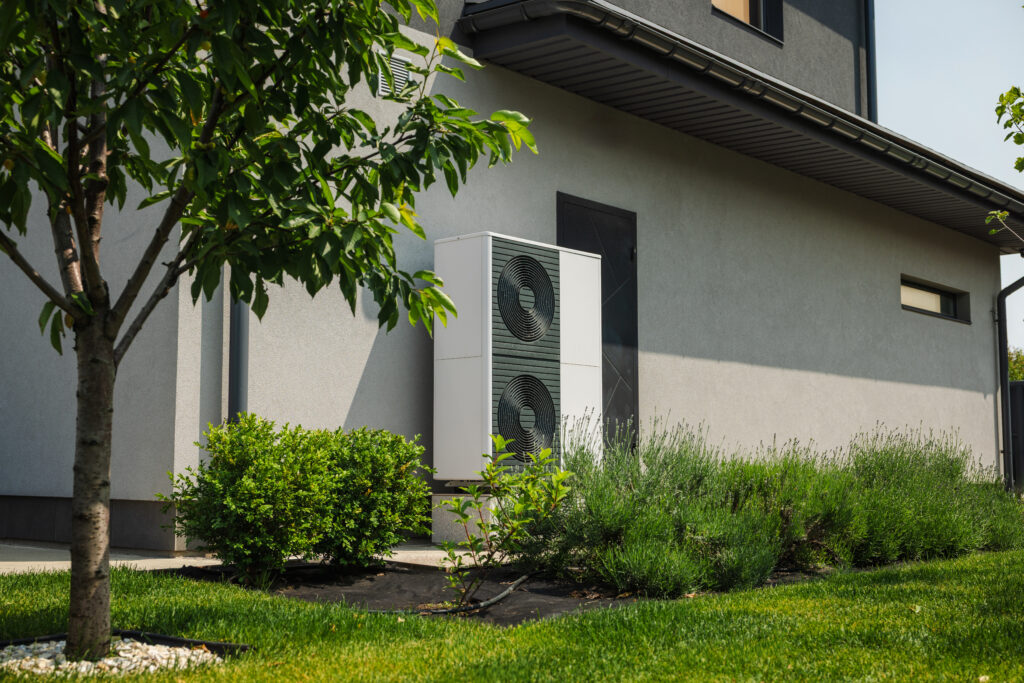
    A heat pump is an HVAC system designed to provide both heating and cooling. Rather than creating heat through combustion, a heat pump transfers heat from one location to another.

    During warmer weather, the system operates much like a traditional air conditioner. It removes heat from inside your home and transfers it outdoors. When temperatures cool down, the process reverses, allowing the system to extract available heat from the outdoor air and transfer it indoors.

    This ability to move heat instead of relying solely on generating it is one of the primary reasons heat pumps can be highly energy efficient.

    Modern heat pump technology has also improved significantly. Today’s systems are designed to provide dependable comfort across a much wider range of outdoor temperatures than many older heat pumps.

    ⚡ 1. Improved Energy Efficiency

    One of the biggest benefits of installing a heat pump is energy efficiency.

    Traditional furnaces create heat by burning fuel or using electric resistance heating. A heat pump works differently because it primarily uses electricity to transfer existing heat.

    For homeowners, greater HVAC efficiency can mean less energy is required to maintain a comfortable indoor temperature. The actual savings will depend on factors such as the efficiency of the existing HVAC equipment, insulation, thermostat settings, home construction, system sizing, and local energy rates.

    Upgrading an older heating and cooling system with a properly selected high-efficiency heat pump can be an effective way to modernize a home’s HVAC equipment while focusing on energy conservation.

    ❄️ 2. Heating and Cooling From One System

    Why maintain separate heating and cooling equipment when one system can perform both functions?

    A heat pump provides heating and air conditioning, making it a versatile solution for year-round indoor comfort.

    During summer, the heat pump cools and dehumidifies indoor air. During cooler months, it reverses operation and supplies heat to the home.

    This dual-purpose design can simplify an HVAC system while giving homeowners convenient control over their indoor environment.

    For people considering an HVAC replacement, the ability to receive year-round heating and cooling from one system is a major advantage worth exploring.

    💰 3. Potentially Lower Energy Costs

    Energy efficiency isn’t just about using less energy—it can also affect monthly utility expenses.

    Because a heat pump transfers heat rather than generating all of its heat directly, an energy-efficient heat pump may reduce heating energy consumption compared with certain older or less-efficient systems.

    However, utility savings aren’t identical for every home. Your current equipment, electricity and fuel rates, home efficiency, system condition, and household comfort preferences all influence operating costs.

    A professional HVAC evaluation can help homeowners compare the expected operating characteristics of a new heat pump with their existing heating and cooling equipment.

    🌿 4. An All-Electric HVAC Option

    Heat pumps can also be attractive to homeowners interested in reducing their reliance on combustion-based heating equipment.

    Because many residential heat pumps operate entirely on electricity, they do not need to burn natural gas inside the home to provide heat.

    That makes heat pumps particularly relevant for homeowners considering electrification projects, solar energy, or other home-efficiency improvements.

    An all-electric HVAC system isn’t automatically the best solution for every property, but it gives homeowners another option when planning upgrades and evaluating their long-term energy needs.

    🏠 5. Consistent Indoor Comfort

    Comfort isn’t only about reaching a particular thermostat setting. The way an HVAC system delivers conditioned air can make a noticeable difference in how a home feels.

    Modern heat pumps—especially systems featuring variable-speed or inverter technology—can adjust their output based on the home’s heating or cooling requirements.

    Rather than repeatedly operating at full capacity and shutting off, certain systems can run for longer periods at lower output levels.

    This can help maintain more consistent indoor temperatures while reducing noticeable temperature swings.

    Longer, steadier operation can also support better air circulation and, during cooling operation, improved humidity management.

    🤫 6. Quiet HVAC Operation

    Nobody wants their HVAC equipment constantly interrupting conversations, television, sleep, or time spent outdoors.

    Modern heat pump systems are often designed with sound reduction in mind. Features can include variable-speed compressors, improved fan designs, insulated compressor compartments, and other technologies intended to reduce operating noise.

    Actual sound levels vary by model and installation, so homeowners concerned about noise should compare manufacturer sound ratings when selecting new equipment.

    Proper installation also matters. Equipment placement, mounting, airflow, ductwork, and other installation details can influence how noticeable an HVAC system is during operation.

    🌬️ 7. Better Air Circulation

    Maintaining good airflow throughout the home contributes to overall comfort.

    Because some high-efficiency heat pumps operate for longer cycles at lower speeds, they may provide more continuous air circulation than older single-stage systems.

    Consistent circulation helps move conditioned air through the home’s ductwork and filtration system.

    For the best results, homeowners should continue replacing or cleaning HVAC filters as recommended and schedule routine system maintenance. A high-quality HVAC system still depends on proper airflow and regular care to perform effectively.

    🔧 8. Modern HVAC Technology

    Installing a heat pump can give homeowners access to some of the latest advances in residential HVAC technology.

    Depending on the equipment selected, a new system may offer features such as variable-speed operation, inverter-driven compressors, smart thermostat compatibility, zoning capabilities, advanced humidity control, and enhanced energy-management features.

    These technologies allow HVAC equipment to respond more precisely to changing conditions inside the home.

    Instead of operating only at maximum output, advanced systems may automatically adjust their capacity to match current demand. That can support improved efficiency, quieter operation, and more consistent comfort.

    📱 9. Smart Thermostat Compatibility

    Convenience is another reason homeowners consider upgrading their HVAC systems.

    Many modern heat pumps can be paired with smart thermostats and advanced HVAC controls. Depending on the system, homeowners may be able to create heating and cooling schedules, adjust temperatures remotely, monitor system operation, and manage energy-saving settings.

    Some smart HVAC controls can also provide maintenance reminders and information about equipment performance.

    Compatibility varies between heat pumps and thermostats, so it’s important to confirm that the selected control system is designed to work correctly with the HVAC equipment.

    📈 10. A Smart Long-Term Home Upgrade

    HVAC equipment represents a significant investment, so homeowners naturally want to consider both current comfort and future needs.

    A new heat pump system can replace aging heating and cooling equipment while introducing modern efficiency and comfort technology.

    A newer HVAC system may also be appealing when homeowners are improving other areas of the property. Insulation upgrades, air sealing, window improvements, duct repairs, and solar installations can all be considered alongside HVAC improvements to create a more comprehensive home-efficiency strategy.

    The key is selecting equipment that is correctly sized for the home rather than simply choosing the largest or highest-efficiency model available.

    📐 Proper Heat Pump Sizing Matters

    The advantages of a heat pump depend heavily on proper system design and installation.

    An oversized system may cycle too frequently, while an undersized system may struggle to maintain desired temperatures during periods of high demand.

    Professional HVAC contractors can evaluate factors such as home size, insulation levels, window area, orientation, ductwork, air leakage, and heating and cooling loads before recommending equipment.

    This process helps match system capacity to the actual needs of the home.

    Proper sizing can contribute to better comfort, energy efficiency, equipment performance, and service life.

    🛠️ Maintenance Helps Protect Your Investment

    Like any heating and cooling system, a heat pump requires routine maintenance.

    Because the same equipment can operate throughout both heating and cooling seasons, regular professional inspections are important.

    Maintenance may include checking refrigerant-related components, inspecting electrical connections, cleaning coils, examining the condensate system, checking airflow, inspecting filters, and confirming proper thermostat operation.

    Homeowners can also help by keeping the outdoor unit free from leaves and debris and replacing HVAC filters according to manufacturer recommendations.

    Preventive heat pump maintenance can help identify small problems before they become more significant repairs.

    ☀️ Why Heat Pumps Make Sense in La Verne

    Climate is an important consideration when selecting heating and cooling equipment.

    Homes in La Verne experience substantial cooling demand during warm weather while still requiring dependable heating during cooler periods. This creates an environment where the heating-and-cooling versatility of a heat pump can be particularly useful.

    Instead of installing equipment that serves only one season, homeowners can consider a system designed to provide comfort throughout the year.

    The right choice still depends on the individual property. Home design, existing ductwork, insulation, electrical capacity, current equipment, and homeowner preferences should all be considered before making a final decision.

    ✅ Is a Heat Pump Right for Your Home?

    A heat pump may be worth considering if your existing air conditioner or furnace is approaching replacement age, you want to improve HVAC efficiency, or you’re interested in moving toward an all-electric heating and cooling system.

    There isn’t one HVAC solution that works perfectly for every house.

    Before replacing equipment, homeowners should have their existing system and property evaluated. Comparing equipment efficiencies, installation requirements, operating costs, warranties, and available features can help you make an informed decision.

    A professionally installed heat pump for your La Verne home can provide an effective combination of heating, cooling, efficiency, and modern comfort technology.

    📞 Explore Your Heat Pump Options Today

    If you’re considering replacing an aging air conditioner or furnace, now is a good time to learn whether a high-efficiency heat pump makes sense for your home. From year-round heating and cooling to improved efficiency, quiet operation, and modern comfort controls, today’s systems offer several compelling benefits. Contact All American HVAC at 626.736.0962 to discuss heat pump options for your La Verne home and find a system suited to your comfort and efficiency goals.

  • 💨 How to Improve Airflow This Summer in La Verne

    By All American HVAC | La Verne | 626.736.0962

    How to Improve Airflow This Summer in La Verne

    When summer temperatures rise, your air conditioner must distribute cool air throughout your home efficiently. If certain rooms feel warmer than others, airflow from the vents seems weak, or the system runs for long periods without reaching the thermostat setting, you may have an HVAC airflow problem.

    Proper airflow is essential for comfort, energy efficiency, indoor air quality, and reliable air-conditioning performance. Restricted circulation forces your HVAC system to work harder to move conditioned air, potentially increasing energy consumption and placing additional stress on important components.

    Fortunately, some airflow problems have simple solutions. Others may involve the blower, ductwork, return-air system, or equipment sizing and require professional diagnosis. Here is how All American HVAC is helping La Verne homeowners can improve airflow and enjoy more consistent cooling this summer.

    🧹 Replace a Dirty HVAC Air Filter

    A clogged air filter is one of the most common causes of weak airflow from HVAC vents. Your system’s filter captures dust, hair, pollen, and other airborne particles before they circulate through the equipment and your home. As debris accumulates, the filter can become increasingly difficult for air to pass through.

    Restricted airflow may cause:

    • Weak air coming from supply vents
    • Longer cooling cycles
    • Uneven indoor temperatures
    • Increased strain on the blower
    • Higher energy consumption
    • Reduced cooling performance

    Check your HVAC filter regularly during the summer, when your air conditioner may operate more frequently. Replace it according to the filter manufacturer’s instructions and the needs of your household.

    Homes with pets, ongoing construction, or higher dust levels may require more frequent filter changes. However, installing a filter that is too restrictive for your particular HVAC system can also interfere with airflow. If you are unsure which filter is appropriate, contact All American HVAC at 626.736.0962 for guidance.

    🛋️ Keep Supply Vents Open and Unobstructed

    Walk through your home and inspect every supply vent. Furniture, rugs, curtains, boxes, and other household items can partially or completely block airflow without homeowners realizing it.

    Move objects away from the vents so conditioned air can enter each room freely. It is also helpful to remove visible dust from vent covers. Dust buildup may not always be the primary cause of a major airflow problem, but clean, unobstructed registers support better circulation.

    Avoid closing multiple vents in unused rooms as a way to reduce cooling costs. Residential HVAC systems are designed to move a particular volume of air. Closing too many vents can increase pressure inside the ductwork and may contribute to comfort or performance problems.

    For effective summer HVAC airflow, keep supply registers open unless an HVAC professional has recommended a specific balancing adjustment.

    🏠 Do Not Block Return-Air Grilles

    Supply vents deliver conditioned air, while return-air grilles allow indoor air to travel back to the HVAC system. Both sides of this circulation process are essential.

    A return grille blocked by furniture or household items can limit the amount of air available to the system. This restriction may reduce cooling performance throughout the home rather than affecting only one room.

    Leave adequate open space around return-air grilles. If your home consistently has rooms that feel stuffy, doors that move when the system starts, or noticeable pressure differences between rooms, the property may have an inadequate return-air pathway.

    Bedrooms with closed doors can be particularly susceptible to return-air problems. A qualified technician can evaluate whether the current return system supports proper circulation throughout your La Verne home.

    🌬️ Use Ceiling Fans to Improve Room Circulation

    Ceiling fans do not lower the actual temperature of a room, but they move air across your skin and can make the space feel more comfortable. They can also help distribute cooled air more evenly.

    During the summer, set ceiling fans to rotate in the direction that pushes air downward. Turn fans off when rooms are unoccupied because the cooling sensation benefits people rather than lowering the temperature of an empty space.

    Ceiling fans should support your air conditioner, not compensate for severely restricted vent airflow. If little air is coming from the registers, the underlying HVAC problem should still be investigated.

    🚪 Improve Air Movement Between Rooms

    Your home needs clear pathways for air to travel from supply vents back to the return-air system. Closed interior doors may interrupt that path, especially in rooms without dedicated return grilles.

    Leaving doors slightly open may improve circulation in some homes. Door undercuts, transfer grilles, jump ducts, or additional return-air provisions may offer more permanent solutions when room pressure is a recurring concern.

    Do not modify doors, walls, or ductwork without understanding how the change may affect comfort, sound transfer, privacy, and system performance. An HVAC evaluation can determine whether poor return circulation is contributing to hot rooms during summer.

    ☀️ Reduce Heat Gain Inside Your Home

    Reducing the amount of heat entering your home can make it easier for the cooling system to maintain comfortable temperatures. Although this does not directly increase airflow, it may reduce the cooling demand placed on the system.

    Helpful steps include:

    • Closing blinds or curtains during the hottest part of the day
    • Using heat-producing appliances during cooler hours when practical
    • Sealing obvious gaps around doors and windows
    • Checking accessible areas for damaged weatherstripping
    • Using ceiling fans in occupied rooms
    • Avoiding unnecessary exterior-door openings

    If one room remains unusually warm despite these efforts, the cause may involve insufficient duct airflow, air leakage, insulation conditions, window exposure, or another property-specific factor.

    🔧 Have the Blower and Indoor Equipment Inspected

    The blower moves air through your HVAC system and into the ductwork. If the blower wheel is dirty, the motor is not performing correctly, or the system has an electrical or control problem, airflow may suffer.

    Indoor equipment can also accumulate dust and debris over time. Restricted airflow across internal components may affect both comfort and system operation.

    Because HVAC equipment contains electrical components and moving parts, internal inspection and cleaning should be handled by a trained professional. All American HVAC can evaluate blower operation and other system conditions to determine why airflow is weak.

    Call 626.736.0962 if your system makes unusual noises, produces very little airflow, or struggles to cool your home.

    🕳️ Check for Leaking or Damaged Ductwork

    Your air conditioner can produce cool air correctly and still leave rooms uncomfortable if that air escapes through damaged ducts before reaching the vents.

    Ductwork problems may include:

    • Disconnected duct sections
    • Crushed or kinked flexible ducts
    • Loose connections
    • Gaps around joints
    • Deteriorated duct materials
    • Air leakage into attics, crawl spaces, or other unconditioned areas

    Signs of leaking HVAC ductwork may include weak airflow, rooms that are consistently difficult to cool, excessive dust, or a noticeable increase in cooling costs.

    Some ducts are difficult or unsafe for homeowners to access. A professional duct inspection can identify damaged areas and determine whether repair, sealing, or replacement is appropriate.

    ⚖️ Consider Professional Airflow Balancing

    If some rooms receive strong airflow while others receive very little, the system may need HVAC airflow balancing. Balancing involves evaluating how conditioned air is distributed through the duct system and making appropriate adjustments.

    The process may include inspecting registers, dampers, ducts, blower performance, and return-air pathways. The objective is to improve comfort throughout the home while maintaining suitable airflow across the HVAC equipment.

    Simply closing vents in comfortable rooms is not a substitute for professional balancing. Random changes can alter duct pressure without correcting the underlying cause.

    📏 Make Sure the HVAC System Is Properly Sized

    A system that is too small may struggle to satisfy the home’s cooling demand during hot weather. A system that is too large may cool the air quickly but operate in short cycles, potentially contributing to uneven comfort and inadequate humidity control.

    Equipment size should not be determined by square footage alone. Home layout, insulation, windows, air leakage, orientation, duct design, and other factors can affect cooling requirements.

    If airflow and comfort problems have existed since the equipment was installed, improper HVAC sizing or duct design may be part of the issue. A professional assessment can help distinguish an equipment-sizing concern from maintenance, duct, or blower problems.

    🛠️ Schedule Preventive Air-Conditioning Maintenance

    Preventive maintenance helps identify conditions that can interfere with cooling performance before they develop into more disruptive problems.

    During a professional evaluation, a technician may inspect relevant system components, check operating conditions, assess airflow concerns, and look for visible signs of wear or restriction. The exact service performed will depend on your equipment and its condition.

    Scheduling maintenance before or during the cooling season can help your air conditioner operate more effectively when your household needs it most.

    ⚠️ Know When Weak Airflow Requires Professional Help

    Contact an HVAC professional when you notice:

    • Little or no air coming from multiple vents
    • Persistent hot or cold rooms
    • An air conditioner that runs almost continuously
    • Unusual noises from the indoor equipment
    • Sudden changes in airflow
    • Repeated filter problems
    • Large temperature differences between rooms
    • Visible duct damage
    • Cooling performance that continues to decline

    Weak airflow should not be ignored. Continuing to operate a system with a significant restriction may increase energy use and place unnecessary strain on the equipment.

    📞 Improve Your La Verne Home’s Airflow Today

    Better airflow can help your home feel more comfortable, improve temperature consistency, and support efficient air-conditioner operation throughout the summer.

    Start with the basics: check the air filter, open the supply vents, clear return-air grilles, and use ceiling fans in occupied rooms. If weak airflow or uneven cooling continues, the cause may involve the blower, ductwork, return-air system, or equipment design.

    All American HVAC helps La Verne homeowners identify the source of summer air-conditioning airflow problems and determine the appropriate next step.

    For a professional HVAC evaluation, call All American HVAC at 626.736.0962. Do not let weak vents or persistent hot rooms interfere with your summer comfort.

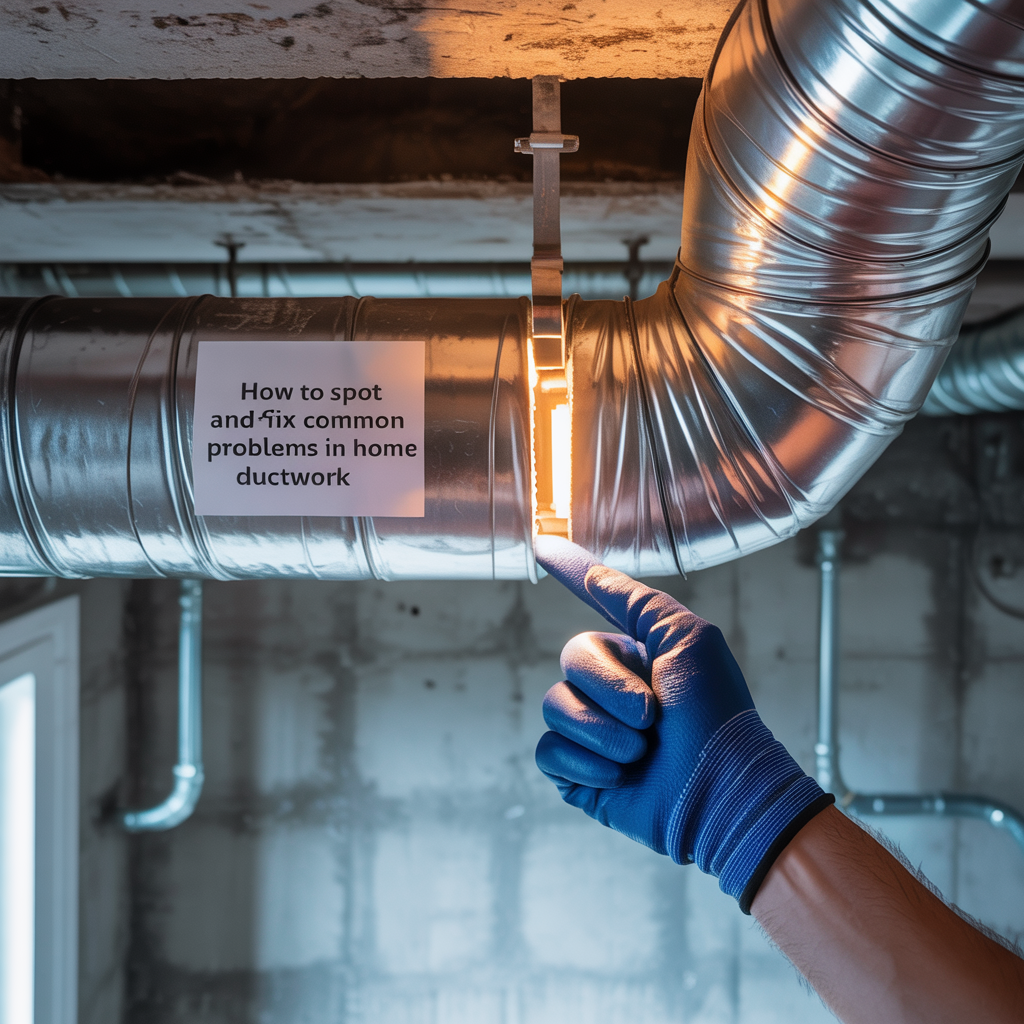
  • 🔎 How to Spot and Fix Common Problems in Home Ductwork

    By All American HVAC | La Verne | 626.736.0962

    How to Spot and Fix Common Problems in Home Ductwork

    Your home’s ductwork serves as the delivery network for your heating and cooling system. Every time your furnace or air conditioner runs, ducts carry conditioned air to the rooms throughout your house and return indoor air to the HVAC equipment. When this network is properly designed, sealed, and maintained, it helps keep your home comfortable without wasting energy.

    Unfortunately, home ductwork problems are often difficult to see. Much of the system may be hidden in an attic, crawl space, wall, or ceiling. A damaged connection or small air leak can go unnoticed while comfort declines and energy bills gradually rise. Knowing the warning signs can help you identify trouble early and avoid unnecessary strain on your HVAC equipment.

    This guide explains how to spot common duct issues, which basic steps homeowners can safely take, and when it is time to call All American HVAC at 626.736.0962 for professional help in La Verne.

    🌡️ Uneven Temperatures From Room to Room

    One of the clearest signs of a ductwork issue is inconsistent comfort. One bedroom may feel warm while the living room becomes unusually cold, even though the thermostat is set to a reasonable temperature. Several duct-related problems can cause this imbalance, including:

    • Leaking or disconnected duct joints
    • Crushed or kinked flexible ducts
    • Improperly adjusted dampers
    • Duct runs that are too long or too small
    • Poorly positioned supply or return vents
    • Inadequate insulation around ducts

    Before assuming that your air conditioner or furnace is failing, check whether the problem consistently affects the same rooms. A professional airflow evaluation can determine how much conditioned air is reaching each area and whether duct repairs or system balancing are needed.

    🌬️ Weak Airflow From Supply Vents

    Place your hand near each supply vent while the HVAC system is running. The airflow will not be identical at every register, but it should feel steady. If one or more vents produce very little air, the duct serving that area may be blocked, leaking, crushed, or disconnected.

    Weak airflow can also result from a dirty filter, a blocked return grille, a failing blower, or excessive static pressure. Because several problems can produce the same symptom, avoid assuming that the duct is the only possible cause. Start by replacing a dirty filter and making sure furniture, curtains, rugs, and boxes are not obstructing registers or return grilles.

    If airflow remains weak, call All American HVAC at 626.736.0962. Testing the system is more reliable than guessing, and it can reveal whether the issue is located in the ductwork or another HVAC component.

    🎵 Rattling, Whistling, or Banging Noises

    Your HVAC system should not create persistent rattling, whistling, popping, or banging sounds. A whistle may indicate that air is being forced through a narrow opening or restriction. Rattling can come from a loose metal section, unsupported duct run, or unsecured register. Banging may occur when thin sheet metal flexes because of pressure changes.

    Some minor expansion and contraction sounds can be normal, especially when metal ducts heat up or cool down. However, loud, repetitive, or newly developed noises deserve attention. A technician can inspect the system for loose duct connections, pressure problems, and damaged components before the issue becomes more disruptive.

    💸 Unexpected Increases in Energy Bills

    A damaged duct system can waste conditioned air before it ever reaches your living space. If cooled air escapes into a hot attic during summer, your air conditioner must run longer to satisfy the thermostat. During winter, leaking ducts can release heated air into areas where it provides no benefit.

    Review your energy use rather than looking only at the dollar amount on the bill, since utility rates and weather can change. If consumption increases without a clear explanation, leaking HVAC ducts may be contributing to the problem. Professional duct testing can help locate hidden leaks and determine whether sealing them would improve efficiency.

    🧹 Excessive Dust and Poor Indoor Air Quality

    Leaky ductwork does more than lose conditioned air. Openings on the return side of the system may draw dust, insulation fibers, and other contaminants from attics, garages, or crawl spaces. Those particles can then circulate through the home.

    Possible warning signs include:

    • Dust returning soon after surfaces are cleaned
    • Dark streaks around registers
    • Musty odors when the HVAC system starts
    • Increased allergy or irritation symptoms
    • Visible debris inside accessible vents

    These symptoms do not automatically mean that the ducts need cleaning. Dust may also come from air leaks around doors and windows, an improperly fitted filter, indoor activities, or renovation work. A qualified inspection can identify the likely source and help you avoid paying for unnecessary services.

    👃 Musty or Unusual Odors

    Persistent odors from supply vents should not be ignored. A musty smell may indicate excess moisture, wet insulation, or microbial growth somewhere in the system. Other odors could be related to pests, debris, an overheating component, or a problem outside the ductwork.

    Do not apply fragrances or household cleaners inside the ducts. Covering up the odor does not correct its source and may introduce chemicals into the air stream. If you smell burning, see smoke, or suspect a gas-related problem, turn the system off, leave the home when appropriate, and contact the proper emergency service or utility provider. For recurring HVAC odors, schedule an inspection with All American HVAC.

    🔍 Inspect Accessible Ductwork Safely

    Homeowners can perform a basic visual check of duct sections that are easy and safe to reach. Turn the HVAC system off before inspecting the area. Look for separated joints, torn flexible material, missing supports, crushed sections, obvious gaps, and damaged insulation.

    Never enter an unstable attic or tight crawl space, and do not walk between ceiling joists. Avoid disturbing suspected asbestos-containing material, mold, animal waste, or damaged electrical wiring. If the ductwork is difficult to access, leave the inspection to a trained professional.

    Photographs of visible damage can be helpful when describing the problem to your HVAC company. They should not replace a full evaluation when airflow, pressure, or concealed sections need to be tested.

    🛠️ Seal Small, Accessible Air Leaks Correctly

    Small leaks at accessible duct joints may sometimes be sealed with HVAC mastic sealant or UL-listed foil tape intended for duct systems. Clean and dry the surface first, and follow the product instructions carefully.

    Do not use ordinary cloth-backed “duct tape.” Despite its name, this product often deteriorates when exposed to temperature changes and dust. It may peel away and leave the original leak unresolved.

    Sealing a visible gap can be a useful maintenance step, but it will not correct crushed ducts, improper sizing, severe pressure problems, or inaccessible leaks. Extensive sealing should be completed only after the system has been evaluated. Making random changes without understanding the airflow design can create new comfort problems.

    🧊 Repair Damaged Insulation Around Ducts

    Ducts running through unconditioned spaces need adequate insulation. Without it, cooled air can gain heat during summer and heated air can lose warmth during winter. Moisture may also form on cold duct surfaces when humid air reaches them.

    If the outer insulation is loose but clean and dry, it may be possible to secure it with materials designed for HVAC use. Wet, deteriorated, contaminated, or extensively damaged insulation usually needs professional attention. The source of the moisture should be corrected before new insulation is installed.

    Proper duct insulation supports energy efficiency, reduces condensation risk, and helps conditioned air arrive at the intended temperature.

    🧰 Replace Filters and Keep Vents Clear

    Some airflow complaints can be corrected without repairing the ducts. Check the HVAC filter and replace it when dirty, using the size and efficiency rating recommended for your equipment. A filter that is heavily clogged—or too restrictive for the system—can reduce airflow and increase operating pressure.

    Keep supply registers open and unobstructed. Closing vents in unused rooms may seem like an easy way to save energy, but many residential systems are not designed to operate with multiple registers closed. The resulting pressure can increase leakage and place additional strain on the blower.

    Return grilles also need clear space. Blocking a return with furniture or stored items can prevent the system from circulating air properly.

    📏 Know When Professional Duct Testing Is Needed

    Many serious duct issues cannot be diagnosed through a visual inspection alone. HVAC professionals may measure static pressure, test airflow, inspect equipment performance, and use specialized methods to identify leakage. These tests can show whether the duct network is properly sized, sealed, and balanced for the home.

    Professional repairs may include:

    • Resealing accessible or concealed connections
    • Reconnecting separated duct sections
    • Replacing torn or crushed flexible ducts
    • Adding or adjusting balancing dampers
    • Correcting inadequate return-air capacity
    • Improving duct support and insulation
    • Redesigning improperly sized duct runs

    The right solution depends on the condition and design of the entire system. Replacing one damaged section may solve a localized problem, while widespread comfort issues may require more comprehensive corrections.

    ⚙️ Why Timely Duct Repairs Matter

    Ignoring common ductwork problems can affect more than room temperature. Restricted airflow and excessive pressure may force the blower to work harder. Air leaks can increase heating and cooling cycles. Poor delivery can also make homeowners lower or raise the thermostat unnecessarily, consuming even more energy.

    Prompt repairs can help:

    • Improve comfort throughout the home
    • Reduce avoidable energy loss
    • Support healthier indoor air
    • Lower unnecessary HVAC strain
    • Reduce hot and cold spots
    • Protect long-term system performance

    No repair can guarantee a particular reduction in utility costs, since energy use depends on weather, insulation, thermostat settings, equipment condition, and household habits. Still, properly functioning ductwork is an important part of an efficient HVAC system.

    📞 Schedule Ductwork Service With All American HVAC

    Your ducts may be out of sight, but they should not be out of mind. Uneven temperatures, weak airflow, strange noises, excessive dust, persistent odors, and unexplained energy use can all indicate that your air distribution system needs attention.

    Start with simple steps such as checking the filter, clearing blocked vents, and visually inspecting safe, accessible sections. For persistent problems, hidden leaks, damaged ducts, or system-wide airflow concerns, professional testing provides the information needed to make the right repair.

    All American HVAC proudly helps homeowners in La Verne identify and correct heating, cooling, and ductwork concerns. For dependable service and straightforward recommendations, call 626.736.0962 today. Let our team help restore balanced airflow, reliable comfort, and better HVAC performance throughout your home.

  • 🛠️ Warning Signs Your HVAC Unit Is Failing

    By All American HVAC | Call 626.736.0962

    Warning Signs Your HVAC Unit Is Failing

    When your HVAC system is working properly, it’s easy to forget it’s even there. But the moment something starts to go wrong, comfort disappears fast. Many homeowners ignore early warning signs, assuming the issue will resolve itself. Unfortunately, HVAC problems rarely fix themselves—they almost always get worse, more expensive, and more inconvenient.

    Understanding the warning signs your HVAC unit is failing can save you from emergency breakdowns, costly repairs, and uncomfortable indoor conditions.


    ⚠️ Weak Airflow Throughout Your Home

    One of the earliest and most common signs of HVAC trouble is weak airflow. If certain rooms feel stuffy or your vents barely push out air, your system is struggling.

    This could be caused by:

    • A failing blower motor
    • Clogged air filters
    • Blocked ductwork
    • Compressor issues

    Weak airflow doesn’t just reduce comfort—it forces your system to work harder, increasing wear and energy costs. If you notice inconsistent airflow, it’s time to call All American HVAC at 626.736.0962 before the issue escalates.


    🔊 Unusual Noises Coming From the System

    Your HVAC unit should run quietly. If you start hearing banging, rattling, screeching, or grinding sounds, something is wrong internally.

    These noises may indicate:

    • Loose components
    • Motor failure
    • Belt damage
    • Debris inside the system

    Ignoring these sounds can lead to catastrophic failure. A small mechanical issue today can turn into a full system replacement tomorrow.


    🌡️ Inconsistent Temperatures

    Are some rooms freezing while others feel warm? Uneven temperatures are a major red flag.

    This often points to:

    • Thermostat issues
    • Duct leaks
    • Aging equipment losing efficiency

    A failing HVAC system struggles to maintain consistent temperatures, which leads to discomfort and higher energy bills.


    💡 Rising Energy Bills

    If your utility bills suddenly spike without increased usage, your HVAC system may be the culprit.

    As systems age or develop problems, they become less efficient. This means they must run longer and harder to achieve the same results, driving up costs.


    🛑 Frequent Cycling (Turning On and Off)

    Your HVAC system should follow regular cycles. If it turns on and off constantly, it’s called short cycling.

    This can be caused by:

    • Overheating
    • Thermostat malfunctions
    • Electrical issues

    Short cycling puts extreme stress on your system and often leads to early failure.


    📞 Don’t Wait—Call the Experts

    Ignoring these early warning signs can lead to total system breakdown. If you notice any of these issues, contact All American HVAC at 626.736.0962 for fast, reliable service.


    📣 Strong Call to Action

    Your comfort shouldn’t be a guessing game. If your system shows signs of trouble, act now. Call All American HVAC at 626.736.0962 today and schedule a professional inspection before minor issues turn into major repairs.

  • 🚨 Emergency HVAC Services in Alta Dena and Pasadena: When Comfort Can’t Wait ⏱️

    By All American HVAC | Call 626.736.0962

    Emergency HVAC Services in La Verne, CA: When Comfort Can’t Wait

    When your heating or cooling system fails unexpectedly, comfort isn’t the only concern—safety, health, and peace of mind are on the line. Homeowners searching for emergency HVAC services in Alta Dena and Pasadena often do so during the most inconvenient moments: heatwaves, cold nights, or right before guests arrive.

    At All American HVAC, we understand that HVAC emergencies don’t follow a schedule. That’s why we provide fast, dependable emergency HVAC service in Alta Dena and Pasadena and surrounding cities, helping homeowners restore comfort as quickly as possible when it matters most.


    ❄️🔥 What Qualifies as an HVAC Emergency?

    Not every HVAC issue requires immediate service—but some problems shouldn’t wait. HVAC emergencies often include situations where comfort, safety, or system integrity is at risk.

    Common HVAC emergencies in the San Gabriel Valley include:

    • Complete AC failure during extreme heat
    • Heater breakdown on cold nights
    • Burning smells or electrical odors
    • Unusual noises followed by system shutdown
    • No airflow or inconsistent operation

    When in doubt, it’s always safer to call.


    🌡️ Why Emergency HVAC Service Matters in the San Gabriel Valley

    Alta Dena and Pasadena’s inland climate can quickly turn uncomfortable—and even dangerous—during peak summer heat or chilly winter evenings. Prolonged exposure to extreme indoor temperatures can affect:

    • Young children
    • Seniors
    • Pets
    • Individuals with health conditions

    Fast emergency HVAC repair in Alta Dena and Pasadena protects your family and your home.


    🚨 Signs You Need Immediate HVAC Service

    Some warning signs indicate an urgent problem that shouldn’t be ignored.

    🔥 Burning or Electrical Smells

    Burning odors may signal overheating components or electrical issues that could pose a fire risk.

    🔊 Loud or Sudden Noises

    Banging, popping, or grinding noises followed by system failure often indicate serious mechanical problems.

    ❄️ No Cooling or Heating at All

    Total system shutdowns during extreme temperatures require immediate professional attention.


    🛠️ Common Emergency HVAC Repairs

    Emergency service calls often involve issues such as:

    • Electrical failures
    • Compressor or motor breakdowns
    • Refrigerant leaks
    • Frozen coils
    • Blower motor malfunctions

    Our experienced HVAC technicians in Alta Dena and Pasadena are trained to quickly diagnose and stabilize emergency situations.


    🏠 How Emergency Repairs Protect Your System

    Quick action during an HVAC emergency can prevent:

    • Further equipment damage
    • Higher repair costs
    • Premature system replacement

    Prompt emergency HVAC service often makes the difference between a simple repair and a major expense.


    🏘️ Emergency HVAC Services in Alta Dena and Pasadena and Nearby Cities

    All American HVAC proudly provides emergency HVAC repair throughout:
    Alta Dena, Pasadena, La Verne, San Dimas, Claremont, Pomona, Glendora, Upland, Covina, and nearby communities.

    As a local HVAC contractor, we respond faster and understand the urgency of inland climate conditions.


    ⭐ Why Choose All American HVAC for Emergencies?

    Homeowners trust All American HVAC in emergency situations because we offer:

    • ✅ Rapid response times
    • ✅ Skilled and experienced technicians
    • ✅ Honest diagnostics
    • ✅ Clear communication
    • ✅ Local reliability

    When your comfort is on the line, experience matters.


    🔄 Preventing Future HVAC Emergencies

    While not all emergencies can be avoided, regular maintenance dramatically reduces risk. Routine HVAC maintenance in Alta Dena and Pasadena helps:

    • Identify worn components early
    • Improve system reliability
    • Reduce breakdowns during peak demand

    Preventative care is the best defense against unexpected failures.


    📅 What to Do Before Calling Emergency HVAC Service

    If your system fails, try these steps first:

    • Check the thermostat settings
    • Inspect the circuit breaker
    • Replace dirty air filters

    If the problem persists, it’s time to call a professional.


    📞 Call for Emergency HVAC Service Now

    When comfort can’t wait, trust a local team that understands urgency.

    📍 Serving Alta Dena, Pasadena and surrounding cities within the San Gabriel Valley
    📞 Call All American HVAC at 626.736.0962 immediately

    We’re here when you need us most.

  • 🛠️ HVAC Maintenance in La Verne, CA: Protect Your Comfort Year-Round 🔄

    By All American HVAC | Call 626.736.0962

    HVAC Maintenance in La Verne, CA: Protect Your Comfort Year-Round

    Many homeowners don’t think about their heating and cooling systems until something goes wrong. But when it comes to HVAC maintenance in La Verne, CA, being proactive is one of the smartest decisions you can make. Regular maintenance keeps your system running efficiently, reduces breakdowns, and helps you avoid costly emergency repairs—especially during extreme weather.

    At All American HVAC, we provide professional HVAC maintenance services in La Verne and surrounding cities designed to extend the life of your system and keep your home comfortable all year long. Whether you rely heavily on air conditioning during summer or heating in the winter, routine maintenance ensures your system is ready when you need it most.


    🏡 Why HVAC Maintenance Is Essential in La Verne

    La Verne’s inland climate means HVAC systems work hard throughout the year. Long summer cooling cycles and chilly winter evenings place constant demand on equipment, especially in older homes.

    Without regular HVAC maintenance, systems are more likely to:

    • Lose efficiency
    • Break down unexpectedly
    • Wear out prematurely
    • Increase monthly energy bills

    Preventative care protects both your comfort and your investment.


    🔍 What’s Included in Professional HVAC Maintenance?

    Professional maintenance involves far more than a quick filter change. Our HVAC maintenance services in La Verne include a comprehensive system evaluation.

    🧰 Full System Inspection

    We inspect critical components such as:

    • Electrical connections
    • Motors and belts
    • Coils and condensate drains
    • Thermostat operation

    Catching small issues early prevents expensive repairs later.

    🧼 Cleaning for Peak Performance

    Dust and debris buildup forces your system to work harder. Cleaning components helps restore airflow and efficiency while improving indoor air quality.


    ❄️ AC Maintenance for La Verne Summers

    Air conditioners in La Verne often run for long stretches during peak summer months. Without maintenance, performance drops and breakdown risks increase.

    Regular AC maintenance in La Verne helps:

    • Improve cooling efficiency
    • Prevent refrigerant issues
    • Reduce strain on the compressor
    • Maintain consistent indoor temperatures

    A well-maintained AC system handles heatwaves with ease.


    🔥 Heating Maintenance for Cooler Months

    While winters are mild, heating systems still play a vital role in comfort and safety. Routine heating maintenance in La Verne ensures your system is ready for colder nights.

    Maintenance services help:

    • Detect worn or failing components
    • Improve heating efficiency
    • Reduce safety risks
    • Prevent mid-winter breakdowns

    Reliable heat starts with proper care.


    💸 How HVAC Maintenance Saves You Money

    Skipping maintenance often leads to higher costs over time. Regular service reduces operating expenses in multiple ways.

    📉 Lower Energy Bills

    Efficient systems use less energy to maintain comfort, resulting in lower monthly utility bills.

    🛠️ Fewer Repairs

    Preventative maintenance reduces the likelihood of sudden, expensive repairs during peak seasons.

    ⏳ Longer Equipment Lifespan

    Well-maintained HVAC systems last years longer than neglected ones, delaying costly replacements.


    🏠 Improved Comfort and Air Quality

    Maintenance doesn’t just protect equipment—it improves everyday comfort. Clean systems provide:

    • Better airflow
    • More consistent temperatures
    • Reduced dust and allergens

    This is especially important for families with allergies or respiratory concerns.


    🏘️ Serving La Verne and Surrounding Cities

    All American HVAC proudly offers HVAC maintenance services throughout:
    La Verne, San Dimas, Claremont, Pomona, Glendora, Upland, Covina, and nearby areas.

    As a local HVAC contractor in La Verne, we understand how regional climate conditions impact system performance.


    ⭐ Why Choose All American HVAC for Maintenance?

    Homeowners trust All American HVAC because we provide:

    • ✅ Thorough inspections
    • ✅ Honest, pressure-free recommendations
    • ✅ Skilled and experienced technicians
    • ✅ Reliable local service

    Our goal is to keep your system running smoothly—not sell you what you don’t need.


    📅 How Often Should HVAC Maintenance Be Scheduled?

    For best results, we recommend:

    • AC maintenance once per year (spring)
    • Heating maintenance once per year (fall)

    Annual service prepares your system for peak demand and minimizes unexpected issues.


    📞 Schedule HVAC Maintenance Today

    Don’t wait for a breakdown to take action. Protect your comfort with professional HVAC maintenance in La Verne, CA.

    📍 Serving La Verne and surrounding cities
    📞 Call All American HVAC at 626.736.0962 today to schedule service

    Routine maintenance today prevents major problems tomorrow.

  • 🌬️ Indoor Air Quality Services in La Verne, CA: Breathe Cleaner Air at Home 😌

    By All American HVAC | Call 626.736.0962

    ndoor Air Quality Services in La Verne, CA: Breathe Cleaner Air at Home

    When homeowners search for indoor air quality services in La Verne, CA, they’re often surprised to learn that indoor air can be more polluted than outdoor air. Dust, allergens, pet dander, mold spores, and airborne contaminants circulate through your HVAC system every day—impacting comfort, health, and overall quality of life.

    At All American HVAC, we help families and businesses throughout La Verne and surrounding cities improve indoor comfort with professional indoor air quality solutions designed for Southern California homes. Clean air isn’t a luxury—it’s essential.

    If you or your family experience allergies, respiratory issues, or lingering odors indoors, this guide explains why indoor air quality matters and how a trusted local HVAC contractor in La Verne can help.


    🏡 Why Indoor Air Quality Matters in La Verne Homes

    La Verne’s warm climate encourages homeowners to keep windows closed and air conditioning running for long periods. While this improves temperature control, it also traps airborne contaminants inside the home.

    Poor indoor air quality in La Verne can contribute to:

    • Allergy and asthma symptoms
    • Headaches and fatigue
    • Poor sleep quality
    • Increased dust accumulation

    Addressing air quality improves both comfort and health.


    🌫️ Common Indoor Air Pollutants

    Many pollutants are invisible, making them easy to overlook. The most common indoor air contaminants include:

    • Dust and dust mites
    • Pollen and outdoor allergens
    • Pet dander
    • Mold spores
    • Bacteria and viruses

    Without proper filtration and ventilation, these pollutants circulate continuously.


    🧼 Signs Your Home Has Poor Air Quality

    Not sure if your indoor air quality is suffering? Watch for these warning signs.

    🤧 Increased Allergy or Asthma Symptoms

    If symptoms worsen indoors, airborne irritants may be circulating through your HVAC system.

    🏠 Lingering Odors

    Persistent cooking, pet, or musty smells can indicate poor ventilation or trapped contaminants.

    💨 Excess Dust Around the Home

    Frequent dust buildup often points to inadequate filtration or dirty ductwork.


    🌬️ Indoor Air Quality Solutions We Offer

    All American HVAC provides customized indoor air quality services in La Verne tailored to your home’s needs.

    🧴 Whole-Home Air Filtration Systems

    Advanced filtration captures dust, allergens, and airborne particles before they circulate through your home.

    🌱 Air Purification Systems

    Air purifiers neutralize bacteria, mold spores, and odors, creating a healthier living environment.

    💧 Humidity Control Solutions

    Balanced humidity improves comfort and prevents mold growth, especially in tightly sealed homes.


    🔍 The Role of Ductwork in Air Quality

    Dirty or leaking ducts can significantly reduce indoor air quality. Over time, ductwork accumulates dust, debris, and allergens that get redistributed throughout the home.

    Our duct inspection services in La Verne identify issues that compromise airflow and cleanliness.


    🛠️ How HVAC Maintenance Improves Air Quality

    Routine HVAC maintenance plays a major role in maintaining clean air. Services such as:

    • Filter replacement
    • Coil cleaning
    • System inspections

    help ensure contaminants don’t build up inside your system.


    🌎 Energy Efficiency and Cleaner Air

    Improving indoor air quality often leads to better energy efficiency. Clean systems require less energy to circulate air, reducing strain and lowering utility bills.

    Energy-efficient systems also improve airflow consistency and comfort.


    🏘️ Serving La Verne and Surrounding Communities

    We proudly offer indoor air quality services in:
    La Verne, San Dimas, Claremont, Pomona, Glendora, Upland, Covina, and nearby areas.

    As a local HVAC company, we understand the environmental factors that impact air quality in the San Gabriel Valley.


    ⭐ Why Choose All American HVAC for Indoor Air Quality?

    Homeowners trust All American HVAC because we provide:

    • ✅ Personalized recommendations
    • ✅ Honest, pressure-free service
    • ✅ Professional installation and support
    • ✅ Local expertise you can rely on

    Your family deserves clean, healthy air.


    📅 Preventative Care Protects Your Air Quality

    Regular inspections and maintenance help maintain consistent air quality and prevent system issues that compromise airflow.

    Preventative care saves money and improves comfort year-round.


    📞 Improve Your Indoor Air Today

    If you’re ready to breathe cleaner air at home, All American HVAC is here to help.

    📍 Serving La Verne and surrounding cities
    📞 Call 626.736.0962 today to schedule indoor air quality service