• 💨 How to Improve Airflow This Summer in La Verne

    By All American HVAC | La Verne | 626.736.0962
    How to Improve Airflow This Summer in La Verne

    When summer temperatures rise, your air conditioner must distribute cool air throughout your home efficiently. If certain rooms feel warmer than others, airflow from the vents seems weak, or the system runs for long periods without reaching the thermostat setting, you may have an HVAC airflow problem.

    Proper airflow is essential for comfort, energy efficiency, indoor air quality, and reliable air-conditioning performance. Restricted circulation forces your HVAC system to work harder to move conditioned air, potentially increasing energy consumption and placing additional stress on important components.

    Fortunately, some airflow problems have simple solutions. Others may involve the blower, ductwork, return-air system, or equipment sizing and require professional diagnosis. Here is how All American HVAC is helping La Verne homeowners can improve airflow and enjoy more consistent cooling this summer.

    🧹 Replace a Dirty HVAC Air Filter

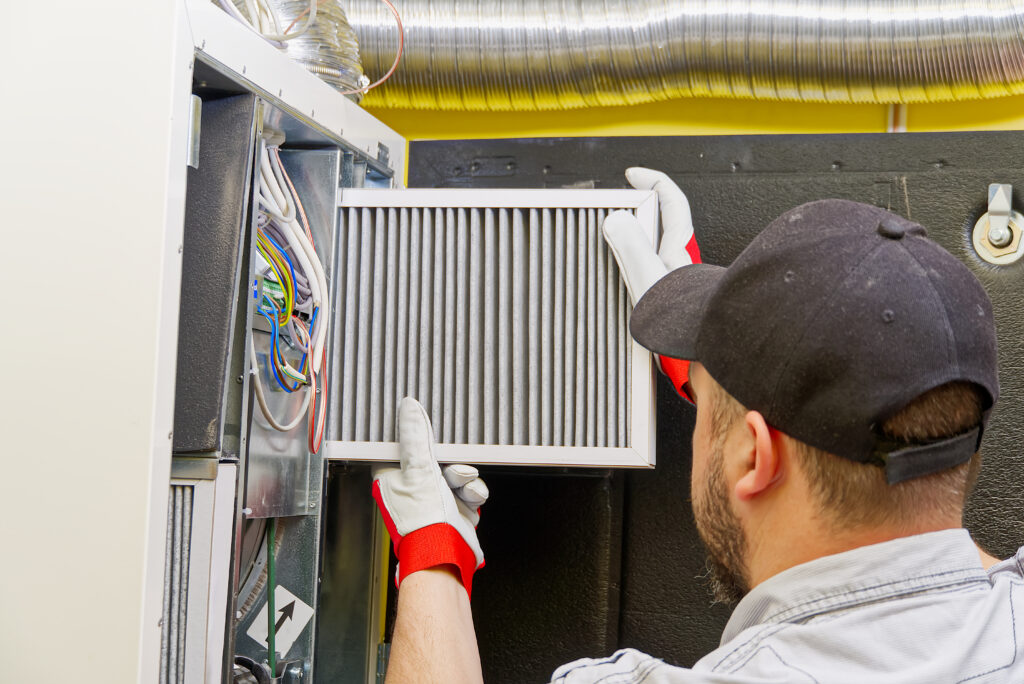
    A clogged air filter is one of the most common causes of weak airflow from HVAC vents. Your system’s filter captures dust, hair, pollen, and other airborne particles before they circulate through the equipment and your home. As debris accumulates, the filter can become increasingly difficult for air to pass through.

    Restricted airflow may cause:

    • Weak air coming from supply vents
    • Longer cooling cycles
    • Uneven indoor temperatures
    • Increased strain on the blower
    • Higher energy consumption
    • Reduced cooling performance

    Check your HVAC filter regularly during the summer, when your air conditioner may operate more frequently. Replace it according to the filter manufacturer’s instructions and the needs of your household.

    Homes with pets, ongoing construction, or higher dust levels may require more frequent filter changes. However, installing a filter that is too restrictive for your particular HVAC system can also interfere with airflow. If you are unsure which filter is appropriate, contact All American HVAC at 626.736.0962 for guidance.

    🛋️ Keep Supply Vents Open and Unobstructed

    Walk through your home and inspect every supply vent. Furniture, rugs, curtains, boxes, and other household items can partially or completely block airflow without homeowners realizing it.

    Move objects away from the vents so conditioned air can enter each room freely. It is also helpful to remove visible dust from vent covers. Dust buildup may not always be the primary cause of a major airflow problem, but clean, unobstructed registers support better circulation.

    Avoid closing multiple vents in unused rooms as a way to reduce cooling costs. Residential HVAC systems are designed to move a particular volume of air. Closing too many vents can increase pressure inside the ductwork and may contribute to comfort or performance problems.

    For effective summer HVAC airflow, keep supply registers open unless an HVAC professional has recommended a specific balancing adjustment.

    🏠 Do Not Block Return-Air Grilles

    Supply vents deliver conditioned air, while return-air grilles allow indoor air to travel back to the HVAC system. Both sides of this circulation process are essential.

    A return grille blocked by furniture or household items can limit the amount of air available to the system. This restriction may reduce cooling performance throughout the home rather than affecting only one room.

    Leave adequate open space around return-air grilles. If your home consistently has rooms that feel stuffy, doors that move when the system starts, or noticeable pressure differences between rooms, the property may have an inadequate return-air pathway.

    Bedrooms with closed doors can be particularly susceptible to return-air problems. A qualified technician can evaluate whether the current return system supports proper circulation throughout your La Verne home.

    🌬️ Use Ceiling Fans to Improve Room Circulation

    Ceiling fans do not lower the actual temperature of a room, but they move air across your skin and can make the space feel more comfortable. They can also help distribute cooled air more evenly.

    During the summer, set ceiling fans to rotate in the direction that pushes air downward. Turn fans off when rooms are unoccupied because the cooling sensation benefits people rather than lowering the temperature of an empty space.

    Ceiling fans should support your air conditioner, not compensate for severely restricted vent airflow. If little air is coming from the registers, the underlying HVAC problem should still be investigated.

    🚪 Improve Air Movement Between Rooms

    Your home needs clear pathways for air to travel from supply vents back to the return-air system. Closed interior doors may interrupt that path, especially in rooms without dedicated return grilles.

    Leaving doors slightly open may improve circulation in some homes. Door undercuts, transfer grilles, jump ducts, or additional return-air provisions may offer more permanent solutions when room pressure is a recurring concern.

    Do not modify doors, walls, or ductwork without understanding how the change may affect comfort, sound transfer, privacy, and system performance. An HVAC evaluation can determine whether poor return circulation is contributing to hot rooms during summer.

    ☀️ Reduce Heat Gain Inside Your Home

    Reducing the amount of heat entering your home can make it easier for the cooling system to maintain comfortable temperatures. Although this does not directly increase airflow, it may reduce the cooling demand placed on the system.

    Helpful steps include:

    • Closing blinds or curtains during the hottest part of the day
    • Using heat-producing appliances during cooler hours when practical
    • Sealing obvious gaps around doors and windows
    • Checking accessible areas for damaged weatherstripping
    • Using ceiling fans in occupied rooms
    • Avoiding unnecessary exterior-door openings

    If one room remains unusually warm despite these efforts, the cause may involve insufficient duct airflow, air leakage, insulation conditions, window exposure, or another property-specific factor.

    🔧 Have the Blower and Indoor Equipment Inspected

    The blower moves air through your HVAC system and into the ductwork. If the blower wheel is dirty, the motor is not performing correctly, or the system has an electrical or control problem, airflow may suffer.

    Indoor equipment can also accumulate dust and debris over time. Restricted airflow across internal components may affect both comfort and system operation.

    Because HVAC equipment contains electrical components and moving parts, internal inspection and cleaning should be handled by a trained professional. All American HVAC can evaluate blower operation and other system conditions to determine why airflow is weak.

    Call 626.736.0962 if your system makes unusual noises, produces very little airflow, or struggles to cool your home.

    🕳️ Check for Leaking or Damaged Ductwork

    Your air conditioner can produce cool air correctly and still leave rooms uncomfortable if that air escapes through damaged ducts before reaching the vents.

    Ductwork problems may include:

    • Disconnected duct sections
    • Crushed or kinked flexible ducts
    • Loose connections
    • Gaps around joints
    • Deteriorated duct materials
    • Air leakage into attics, crawl spaces, or other unconditioned areas

    Signs of leaking HVAC ductwork may include weak airflow, rooms that are consistently difficult to cool, excessive dust, or a noticeable increase in cooling costs.

    Some ducts are difficult or unsafe for homeowners to access. A professional duct inspection can identify damaged areas and determine whether repair, sealing, or replacement is appropriate.

    ⚖️ Consider Professional Airflow Balancing

    If some rooms receive strong airflow while others receive very little, the system may need HVAC airflow balancing. Balancing involves evaluating how conditioned air is distributed through the duct system and making appropriate adjustments.

    The process may include inspecting registers, dampers, ducts, blower performance, and return-air pathways. The objective is to improve comfort throughout the home while maintaining suitable airflow across the HVAC equipment.

    Simply closing vents in comfortable rooms is not a substitute for professional balancing. Random changes can alter duct pressure without correcting the underlying cause.

    📏 Make Sure the HVAC System Is Properly Sized

    A system that is too small may struggle to satisfy the home’s cooling demand during hot weather. A system that is too large may cool the air quickly but operate in short cycles, potentially contributing to uneven comfort and inadequate humidity control.

    Equipment size should not be determined by square footage alone. Home layout, insulation, windows, air leakage, orientation, duct design, and other factors can affect cooling requirements.

    If airflow and comfort problems have existed since the equipment was installed, improper HVAC sizing or duct design may be part of the issue. A professional assessment can help distinguish an equipment-sizing concern from maintenance, duct, or blower problems.

    🛠️ Schedule Preventive Air-Conditioning Maintenance

    Preventive maintenance helps identify conditions that can interfere with cooling performance before they develop into more disruptive problems.

    During a professional evaluation, a technician may inspect relevant system components, check operating conditions, assess airflow concerns, and look for visible signs of wear or restriction. The exact service performed will depend on your equipment and its condition.

    Scheduling maintenance before or during the cooling season can help your air conditioner operate more effectively when your household needs it most.

    ⚠️ Know When Weak Airflow Requires Professional Help

    Contact an HVAC professional when you notice:

    • Little or no air coming from multiple vents
    • Persistent hot or cold rooms
    • An air conditioner that runs almost continuously
    • Unusual noises from the indoor equipment
    • Sudden changes in airflow
    • Repeated filter problems
    • Large temperature differences between rooms
    • Visible duct damage
    • Cooling performance that continues to decline

    Weak airflow should not be ignored. Continuing to operate a system with a significant restriction may increase energy use and place unnecessary strain on the equipment.

    📞 Improve Your La Verne Home’s Airflow Today

    Better airflow can help your home feel more comfortable, improve temperature consistency, and support efficient air-conditioner operation throughout the summer.

    Start with the basics: check the air filter, open the supply vents, clear return-air grilles, and use ceiling fans in occupied rooms. If weak airflow or uneven cooling continues, the cause may involve the blower, ductwork, return-air system, or equipment design.

    All American HVAC helps La Verne homeowners identify the source of summer air-conditioning airflow problems and determine the appropriate next step.

    For a professional HVAC evaluation, call All American HVAC at 626.736.0962. Do not let weak vents or persistent hot rooms interfere with your summer comfort.

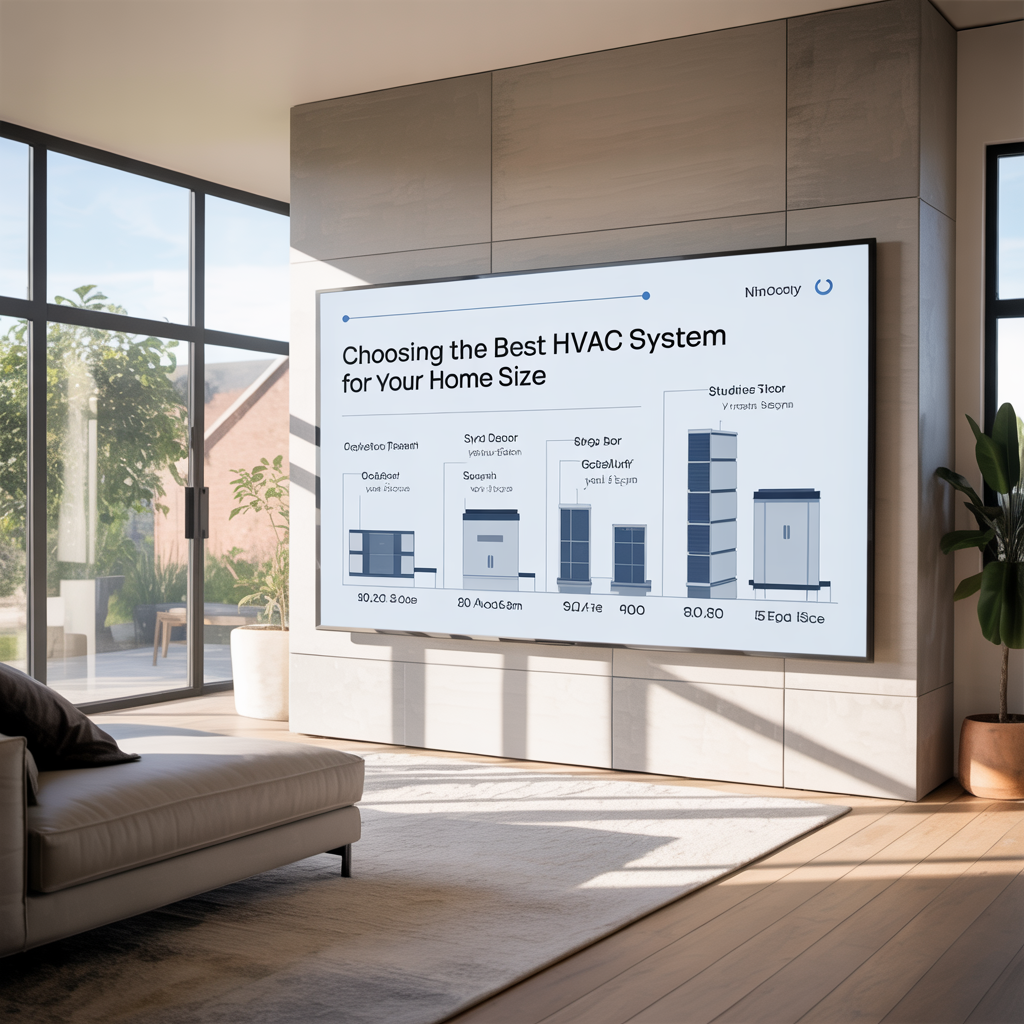
  • Choosing the Best HVAC System for Your Home Size

    choosing the best HVAC system for your home size

    Choosing the right heating, ventilation, and air conditioning (HVAC) system for your home isn’t just about comfort—it’s also about efficiency, cost savings, and long-term performance. Many homeowners underestimate the role that home size plays in determining the best system, only to face higher energy bills and uneven temperatures later on. By carefully assessing your property and understanding the connection between system capacity and square footage, you can make an informed choice that benefits both your comfort and your budget.

    HVAC system selection involves more than simply measuring your home’s square footage. Insulation, ceiling height, layout, number of rooms, window placement, and sun exposure can all affect its heating and cooling requirements.

    Whether you live in a small apartment, a mid-sized suburban home, or a large family residence, selecting equipment with the appropriate capacity is essential for efficient performance. A properly sized system can provide more consistent temperatures, support better indoor air quality, and reduce unnecessary strain on the equipment.


    Key Factors to Match HVAC Systems with Home Size

    The size of your home is one of the most important considerations when selecting an HVAC system. A system that is too small will run constantly, struggling to keep up with demand and leaving you uncomfortable on extreme weather days. On the other hand, an oversized system wastes energy by cycling on and off too often, leading to higher bills and premature wear on components. A professional load calculation, often called a Manual J calculation, accounts for not only square footage but also wall construction, number of windows, and orientation to the sun.

    Square footage is only one factor to consider when determining the proper HVAC system size. Insulation levels, ceiling height, window placement, home layout, and sun exposure can all influence heating and cooling requirements. For example, a home with vaulted ceilings or large windows that receive direct sunlight may require more cooling capacity than a similarly sized home with standard ceilings and greater shade.

    A well-insulated home may also need less heating and cooling capacity than a drafty home of the same size. Evaluating these details helps ensure the HVAC system is properly matched to the property, providing consistent indoor comfort without wasting energy or unnecessarily increasing utility costs.


    Avoiding Common Mistakes in HVAC System Selection

    One of the most common mistakes homeowners make is assuming that a larger HVAC system will provide better comfort. In reality, an oversized system may waste energy, cycle on and off too frequently, and fail to remove enough humidity from the air, leaving the home feeling cool but uncomfortably damp during the summer.

    Another common mistake is choosing equipment based on guesswork or outdated sizing guidelines. A professional load calculation considers factors such as the home’s size, insulation, windows, layout, and sun exposure. Without an accurate calculation, homeowners may experience years of inconsistent comfort, inefficient operation, and unnecessarily high utility bills.

    Another pitfall is overlooking the importance of ductwork and system compatibility. A new, efficient HVAC unit may not perform well if the home’s ductwork is leaky, undersized, or poorly designed. Homeowners should also avoid focusing exclusively on upfront purchase price, since the operating costs of an improperly sized system will outweigh any initial savings. Working with an experienced HVAC contractor who considers long-term performance, energy efficiency ratings, and comfort level will help you avoid these common errors.


    Choosing the best HVAC system for your home size comes down to balancing efficiency, comfort, and practicality. By properly matching capacity to square footage and accounting for other home characteristics, you can ensure that your system runs at peak performance without wasting energy. Avoiding common mistakes, such as oversizing or ignoring ductwork, will save you money and extend your system’s lifespan.

    Ultimately, the right HVAC system is an investment in your comfort and your home’s value. With professional guidance and a clear understanding of how home size impacts performance, you can make a choice that keeps your living space consistently comfortable throughout the year while maintaining energy efficiency for the long run. All American HVAC, Inc., 626.736.0962

  • 🔎 How to Spot and Fix Common Problems in Home Ductwork

    By All American HVAC | La Verne | 626.736.0962

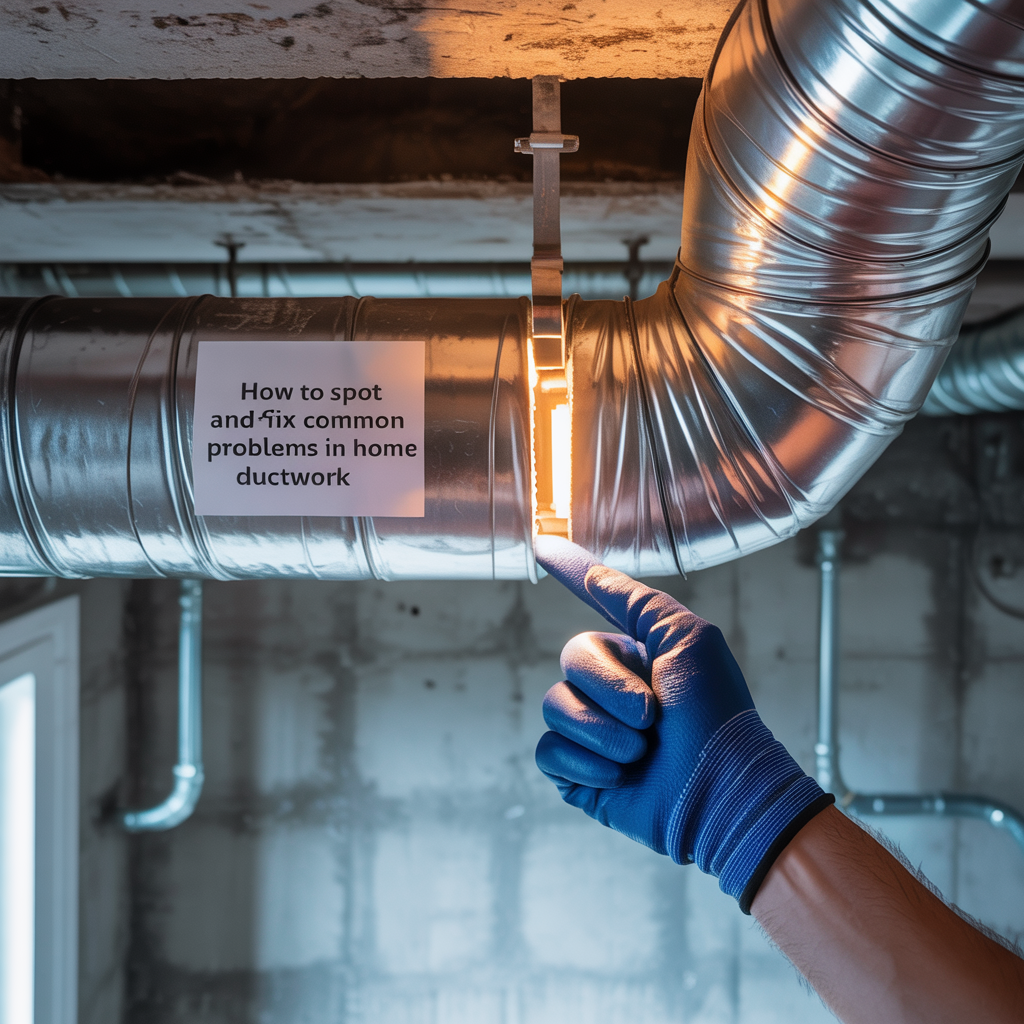
    How to Spot and Fix Common Problems in Home Ductwork

    Your home’s ductwork serves as the delivery network for your heating and cooling system. Every time your furnace or air conditioner runs, ducts carry conditioned air to the rooms throughout your house and return indoor air to the HVAC equipment. When this network is properly designed, sealed, and maintained, it helps keep your home comfortable without wasting energy.

    Unfortunately, home ductwork problems are often difficult to see. Much of the system may be hidden in an attic, crawl space, wall, or ceiling. A damaged connection or small air leak can go unnoticed while comfort declines and energy bills gradually rise. Knowing the warning signs can help you identify trouble early and avoid unnecessary strain on your HVAC equipment.

    This guide explains how to spot common duct issues, which basic steps homeowners can safely take, and when it is time to call All American HVAC at 626.736.0962 for professional help in La Verne.

    🌡️ Uneven Temperatures From Room to Room

    One of the clearest signs of a ductwork issue is inconsistent comfort. One bedroom may feel warm while the living room becomes unusually cold, even though the thermostat is set to a reasonable temperature. Several duct-related problems can cause this imbalance, including:

    • Leaking or disconnected duct joints
    • Crushed or kinked flexible ducts
    • Improperly adjusted dampers
    • Duct runs that are too long or too small
    • Poorly positioned supply or return vents
    • Inadequate insulation around ducts

    Before assuming that your air conditioner or furnace is failing, check whether the problem consistently affects the same rooms. A professional airflow evaluation can determine how much conditioned air is reaching each area and whether duct repairs or system balancing are needed.

    🌬️ Weak Airflow From Supply Vents

    Place your hand near each supply vent while the HVAC system is running. The airflow will not be identical at every register, but it should feel steady. If one or more vents produce very little air, the duct serving that area may be blocked, leaking, crushed, or disconnected.

    Weak airflow can also result from a dirty filter, a blocked return grille, a failing blower, or excessive static pressure. Because several problems can produce the same symptom, avoid assuming that the duct is the only possible cause. Start by replacing a dirty filter and making sure furniture, curtains, rugs, and boxes are not obstructing registers or return grilles.

    If airflow remains weak, call All American HVAC at 626.736.0962. Testing the system is more reliable than guessing, and it can reveal whether the issue is located in the ductwork or another HVAC component.

    🎵 Rattling, Whistling, or Banging Noises

    Your HVAC system should not create persistent rattling, whistling, popping, or banging sounds. A whistle may indicate that air is being forced through a narrow opening or restriction. Rattling can come from a loose metal section, unsupported duct run, or unsecured register. Banging may occur when thin sheet metal flexes because of pressure changes.

    Some minor expansion and contraction sounds can be normal, especially when metal ducts heat up or cool down. However, loud, repetitive, or newly developed noises deserve attention. A technician can inspect the system for loose duct connections, pressure problems, and damaged components before the issue becomes more disruptive.

    💸 Unexpected Increases in Energy Bills

    A damaged duct system can waste conditioned air before it ever reaches your living space. If cooled air escapes into a hot attic during summer, your air conditioner must run longer to satisfy the thermostat. During winter, leaking ducts can release heated air into areas where it provides no benefit.

    Review your energy use rather than looking only at the dollar amount on the bill, since utility rates and weather can change. If consumption increases without a clear explanation, leaking HVAC ducts may be contributing to the problem. Professional duct testing can help locate hidden leaks and determine whether sealing them would improve efficiency.

    🧹 Excessive Dust and Poor Indoor Air Quality

    Leaky ductwork does more than lose conditioned air. Openings on the return side of the system may draw dust, insulation fibers, and other contaminants from attics, garages, or crawl spaces. Those particles can then circulate through the home.

    Possible warning signs include:

    • Dust returning soon after surfaces are cleaned
    • Dark streaks around registers
    • Musty odors when the HVAC system starts
    • Increased allergy or irritation symptoms
    • Visible debris inside accessible vents

    These symptoms do not automatically mean that the ducts need cleaning. Dust may also come from air leaks around doors and windows, an improperly fitted filter, indoor activities, or renovation work. A qualified inspection can identify the likely source and help you avoid paying for unnecessary services.

    👃 Musty or Unusual Odors

    Persistent odors from supply vents should not be ignored. A musty smell may indicate excess moisture, wet insulation, or microbial growth somewhere in the system. Other odors could be related to pests, debris, an overheating component, or a problem outside the ductwork.

    Do not apply fragrances or household cleaners inside the ducts. Covering up the odor does not correct its source and may introduce chemicals into the air stream. If you smell burning, see smoke, or suspect a gas-related problem, turn the system off, leave the home when appropriate, and contact the proper emergency service or utility provider. For recurring HVAC odors, schedule an inspection with All American HVAC.

    🔍 Inspect Accessible Ductwork Safely

    Homeowners can perform a basic visual check of duct sections that are easy and safe to reach. Turn the HVAC system off before inspecting the area. Look for separated joints, torn flexible material, missing supports, crushed sections, obvious gaps, and damaged insulation.

    Never enter an unstable attic or tight crawl space, and do not walk between ceiling joists. Avoid disturbing suspected asbestos-containing material, mold, animal waste, or damaged electrical wiring. If the ductwork is difficult to access, leave the inspection to a trained professional.

    Photographs of visible damage can be helpful when describing the problem to your HVAC company. They should not replace a full evaluation when airflow, pressure, or concealed sections need to be tested.

    🛠️ Seal Small, Accessible Air Leaks Correctly

    Small leaks at accessible duct joints may sometimes be sealed with HVAC mastic sealant or UL-listed foil tape intended for duct systems. Clean and dry the surface first, and follow the product instructions carefully.

    Do not use ordinary cloth-backed “duct tape.” Despite its name, this product often deteriorates when exposed to temperature changes and dust. It may peel away and leave the original leak unresolved.

    Sealing a visible gap can be a useful maintenance step, but it will not correct crushed ducts, improper sizing, severe pressure problems, or inaccessible leaks. Extensive sealing should be completed only after the system has been evaluated. Making random changes without understanding the airflow design can create new comfort problems.

    🧊 Repair Damaged Insulation Around Ducts

    Ducts running through unconditioned spaces need adequate insulation. Without it, cooled air can gain heat during summer and heated air can lose warmth during winter. Moisture may also form on cold duct surfaces when humid air reaches them.

    If the outer insulation is loose but clean and dry, it may be possible to secure it with materials designed for HVAC use. Wet, deteriorated, contaminated, or extensively damaged insulation usually needs professional attention. The source of the moisture should be corrected before new insulation is installed.

    Proper duct insulation supports energy efficiency, reduces condensation risk, and helps conditioned air arrive at the intended temperature.

    🧰 Replace Filters and Keep Vents Clear

    Some airflow complaints can be corrected without repairing the ducts. Check the HVAC filter and replace it when dirty, using the size and efficiency rating recommended for your equipment. A filter that is heavily clogged—or too restrictive for the system—can reduce airflow and increase operating pressure.

    Keep supply registers open and unobstructed. Closing vents in unused rooms may seem like an easy way to save energy, but many residential systems are not designed to operate with multiple registers closed. The resulting pressure can increase leakage and place additional strain on the blower.

    Return grilles also need clear space. Blocking a return with furniture or stored items can prevent the system from circulating air properly.

    📏 Know When Professional Duct Testing Is Needed

    Many serious duct issues cannot be diagnosed through a visual inspection alone. HVAC professionals may measure static pressure, test airflow, inspect equipment performance, and use specialized methods to identify leakage. These tests can show whether the duct network is properly sized, sealed, and balanced for the home.

    Professional repairs may include:

    • Resealing accessible or concealed connections
    • Reconnecting separated duct sections
    • Replacing torn or crushed flexible ducts
    • Adding or adjusting balancing dampers
    • Correcting inadequate return-air capacity
    • Improving duct support and insulation
    • Redesigning improperly sized duct runs

    The right solution depends on the condition and design of the entire system. Replacing one damaged section may solve a localized problem, while widespread comfort issues may require more comprehensive corrections.

    ⚙️ Why Timely Duct Repairs Matter

    Ignoring common ductwork problems can affect more than room temperature. Restricted airflow and excessive pressure may force the blower to work harder. Air leaks can increase heating and cooling cycles. Poor delivery can also make homeowners lower or raise the thermostat unnecessarily, consuming even more energy.

    Prompt repairs can help:

    • Improve comfort throughout the home
    • Reduce avoidable energy loss
    • Support healthier indoor air
    • Lower unnecessary HVAC strain
    • Reduce hot and cold spots
    • Protect long-term system performance

    No repair can guarantee a particular reduction in utility costs, since energy use depends on weather, insulation, thermostat settings, equipment condition, and household habits. Still, properly functioning ductwork is an important part of an efficient HVAC system.

    📞 Schedule Ductwork Service With All American HVAC

    Your ducts may be out of sight, but they should not be out of mind. Uneven temperatures, weak airflow, strange noises, excessive dust, persistent odors, and unexplained energy use can all indicate that your air distribution system needs attention.

    Start with simple steps such as checking the filter, clearing blocked vents, and visually inspecting safe, accessible sections. For persistent problems, hidden leaks, damaged ducts, or system-wide airflow concerns, professional testing provides the information needed to make the right repair.

    All American HVAC proudly helps homeowners in La Verne identify and correct heating, cooling, and ductwork concerns. For dependable service and straightforward recommendations, call 626.736.0962 today. Let our team help restore balanced airflow, reliable comfort, and better HVAC performance throughout your home.

  • How SEER Ratings Impact Your Home Energy Costs

    understanding SEER rating hva

    When it comes to keeping your home comfortable, few investments are as impactful as your air conditioning system. But while choosing the right size and type of unit matters, one of the most important factors in long-term savings is the SEER rating. SEER, or Seasonal Energy Efficiency Ratio, determines how effectively an AC system transforms energy into cooling power. For homeowners, understanding SEER ratings isn’t just about technical specifications—it directly influences your monthly bills and your home’s overall energy efficiency.

    How SEER Ratings Measure AC Efficiency at Home

    The SEER rating is essentially a performance score for your air conditioner. It measures the cooling output of the system over a typical cooling season compared to the amount of energy used. The higher the SEER number, the more efficient the system is at converting energy into cool, comfortable air. Current federal minimum standards in the U.S. usually require modern systems to have a SEER rating of at least 14, but many premium models are available with ratings well into the 20s.

    For homeowners, this rating translates into a clear way to evaluate and compare different units. A system with a higher SEER produces the same amount of cooling but uses less electricity, which means you are getting more value from every kilowatt-hour consumed. While the upfront cost of a higher-SEER unit can be greater, the efficiency gains often pay off in the form of steady long-term energy savings, especially in areas with hot or extended summers.

    The Link Between SEER and Your Monthly Energy Costs

    Where SEER ratings really shine is in their impact on your electric bill. A less efficient system needs more power to deliver cool air, which can cause energy costs to spike during the hottest months of the year. By contrast, a higher-SEER AC runs more smoothly and consumes less energy per unit of cooling. The result is not only a cooler home but also lower recurring monthly expenses, making it easier to manage household energy use.

    It’s also worth noting that local climate plays a big role in how much you save. Homes in regions that require frequent cooling will benefit the most from upgrading to a higher-rated system because the differences add up over many hours of operation. At the same time, bonus perks—such as increased home comfort, quieter operation, and often better humidity control—further enhance the value of investing in efficient AC technology.

    At the end of the day, SEER ratings aren’t just numbers—they’re a reliable indicator of how much you’ll spend over the lifetime of your cooling system. While the initial purchase of a high-efficiency air conditioner may seem like a big investment, the ongoing savings can be significant. By understanding how SEER works and what it means for your specific home and climate, you can make smarter decisions that balance comfort, sustainability, and cost efficiency. Choosing the right unit today can help control energy costs well into the future. All American HVAC, Inc., 626.736.0962

  • How Long Does a Residential HVAC System Usually Last

    HVAC units

    A residential HVAC system is one of the most essential components of any home, ensuring a comfortable indoor environment throughout the year. Many homeowners often ask how long these systems typically last before requiring replacement. Although individual systems can vary, industry averages and proper maintenance routines offer a reliable estimate of their typical lifespan. Understanding these timelines allows homeowners to budget effectively and plan ahead for future repairs or system upgrades.

    Understanding the Typical Lifespan of Home HVAC Units

    On average, a residential HVAC system lasts between 10 and 20 years, depending on its design, usage, and upkeep. Central air conditioners typically run well for about 12 to 15 years, while furnaces may perform for 15 to 20 years. Heat pumps tend to fall somewhere in the middle, with a typical range of 10 to 15 years. These lifespans reflect normal operating conditions, meaning a system that is neither overworked nor neglected.

    It’s important to recognize that modern systems are generally far more energy-efficient than older models, often delivering noticeable savings well before their expected lifespan ends. In many situations, an HVAC unit that is 10 to 15 years old may still function adequately but typically operates at a much higher energy cost compared to more advanced, newer systems. This difference in performance frequently motivates homeowners and businesses to replace their systems earlier, as the long-term energy savings and improved efficiency can outweigh the benefits of keeping an aging unit in service.

    Key Factors That Influence How Long Your System Lasts

    Maintenance plays the biggest role in determining how long a residential HVAC system will last. Units that receive annual inspections, filter replacements, and cleaning of key components almost always outlive those that do not. Proper installation is another crucial factor—if the system is incorrectly sized for the home or poorly installed, its components tend to wear out much more quickly.

    Additional factors, such as climate conditions and household usage patterns, also significantly influence system performance and longevity. For instance, a unit operating almost continuously in a hot, humid environment is likely to experience greater wear and tear than one located in a milder climate with lower demand. Likewise, households that frequently adjust thermostat settings or operate the system at extreme temperatures may reduce its overall lifespan. In the end, optimal performance and durability depend on proper maintenance, professional installation, and mindful everyday use.

    While residential HVAC systems typically have a lifespan of 10 to 20 years, no two units are exactly alike. Factors such as usage patterns, maintenance routines, and environmental conditions can greatly influence how long a system remains reliable and efficient. By scheduling regular maintenance, monitoring performance for signs of declining efficiency, and planning proactively for eventual replacement, homeowners can maximize the lifespan of their HVAC systems while maintaining optimal comfort and energy efficiency. All American HVAC, Inc. | 626.736.0962

  • 🔧 Choosing the Best HVAC Contractor in Pasadena & Alta Dena

    By All American HVAC | Serving Alta Dena & Pasadena | Call 626.736.0962

    Choosing the Best HVAC Contractor in Pasadena & Alta Dena

    Choosing the right HVAC contractor isn’t just about who can get to your home the fastest—it’s about trusting someone with your comfort, your safety, and a major investment in your home.

    In Pasadena and Alta Dena, there are plenty of options. But not all HVAC companies deliver the same level of expertise, reliability, or honesty. Knowing what to look for can save you from poor workmanship, unnecessary costs, and long-term frustration.

    Here’s how to make the right choice.


    🧠 Why Choosing the Right HVAC Contractor Matters

    Your HVAC system is one of the most important—and expensive—systems in your home.

    The wrong contractor can lead to:

    • ❌ Improper installation
    • 💸 Higher energy bills
    • 🔧 Frequent breakdowns
    • ⏳ Shortened system lifespan

    👉 The right contractor ensures your system runs efficiently, safely, and reliably for years.

    📞 Call 626.736.0962 to work with trusted local experts today.


    📜 Check Licensing and Certifications

    A reputable HVAC contractor should always be properly licensed and certified.

    ✔️ What to Look For:

    • State HVAC license
    • Insurance coverage
    • Manufacturer certifications

    👉 These ensure the technician is trained, qualified, and accountable.


    ⭐ Look at Reviews and Reputation

    Online reviews can tell you a lot about a company’s reliability and customer service.

    🔍 Check:

    • Google reviews
    • Yelp ratings
    • Testimonials on their website

    👉 Look for consistent positive feedback—not just one or two good reviews.


    💬 Ask the Right Questions

    A trustworthy HVAC contractor won’t hesitate to answer your questions clearly.

    ❓ Important Questions:

    • How long have you been in business?
    • Do you offer warranties?
    • What brands do you install or service?
    • Can you provide a written estimate?

    👉 Clear answers show transparency and professionalism.


    💡 Get Detailed, Written Estimates

    Avoid vague pricing or verbal quotes.

    ✔️ A Good Estimate Includes:

    • Labor costs
    • Equipment details
    • Timeline for completion
    • Warranty information

    💡 This protects you from hidden fees and surprises later.


    🧰 Evaluate Experience and Services

    Not all HVAC companies offer the same services.

    🔧 Look for a Contractor Who Provides:

    • Repairs and maintenance
    • System installation and replacement
    • Emergency services
    • Indoor air quality solutions

    👉 A full-service company can handle all your HVAC needs.


    🚀 Response Time and Availability Matter

    When your HVAC system fails, you don’t want to wait days for service.

    ⏱️ Choose a Company That Offers:

    • Same-day service
    • 24/7 emergency support
    • Fast response times

    📞 All American HVAC is ready when you need help: 626.736.0962


    💸 Don’t Choose Based on Price Alone

    The cheapest option isn’t always the best—and often ends up costing more.

    ⚠️ Low Prices Can Mean:

    • Poor workmanship
    • Low-quality parts
    • Lack of proper licensing

    👉 Focus on value, experience, and reliability instead.


    🏆 Why Homeowners Choose All American HVAC

    When it comes to HVAC services in Pasadena and Alta Dena, trust matters.

    All American HVAC stands out with:

    • 🧰 Licensed, experienced technicians
    • 💡 Honest recommendations and pricing
    • 🚀 Fast, reliable service
    • 📍 Deep local expertise

    📞 Call 626.736.0962 to work with a contractor you can trust


    🔁 Long-Term Relationships Matter

    The best HVAC contractors don’t just fix problems—they build long-term relationships.

    👉 With the right company, you’ll have:

    • A go-to expert for maintenance
    • Priority service when issues arise
    • Confidence in every repair or upgrade

    📞 Choose Comfort, Quality, and Peace of Mind

    Your HVAC system deserves expert care—and so does your home.

    Choosing the right contractor means fewer headaches, better performance, and long-term savings.

    👉 Call 626.736.0962 today to schedule service with All American HVAC in Pasadena & Alta Dena

  • 🚨 24/7 Emergency HVAC Services: When You Can’t Wait

    By All American HVAC | Serving Alta Dena & Pasadena | Call 626.736.0962

    24/7 Emergency HVAC Services: When You Can’t Wait

    HVAC problems rarely happen at a convenient time. Your AC doesn’t stop working on a mild day—and your furnace won’t wait for business hours to break down. When your system fails during extreme temperatures, it’s more than uncomfortable—it can quickly become an emergency.

    For homeowners in Pasadena and Alta Dena, knowing when to call for emergency HVAC service can protect your home, your health, and your wallet.

    Let’s take a clear look at when you simply can’t afford to wait.


    ⚠️ What Counts as an HVAC Emergency?

    Not every HVAC issue requires immediate service—but some absolutely do.

    🚨 True HVAC Emergencies Include:

    • ❄️ No cooling during extreme heat
    • 🔥 No heat during cold nights
    • Electrical issues or burning smells
    • 💧 Refrigerant or water leaks
    • 🛑 System completely shutting down

    👉 If your home becomes unsafe or unlivable, it’s an emergency.

    📞 Call All American HVAC immediately at 626.736.0962 for 24/7 service.


    🌡️ Why Immediate Service Matters

    Delaying emergency HVAC repairs can lead to serious consequences.


    🧠 Health Risks

    Extreme indoor temperatures can affect:

    • Children
    • Elderly family members
    • Pets

    👉 Heat exhaustion or cold exposure can become real dangers quickly.


    🔧 System Damage

    What starts as a small failure can escalate into:

    • Compressor damage
    • Electrical system failure
    • Complete system breakdown

    💡 Acting fast can mean the difference between a repair and a full replacement.


    💸 Higher Repair Costs

    Emergency issues often worsen the longer they’re ignored.

    👉 Waiting can lead to:

    • More extensive damage
    • More expensive repairs
    • Longer downtime

    🔍 Warning Signs You Need Immediate HVAC Service

    Some warning signs signal that your system is about to fail—or already has.


    🔊 Loud or Unusual Noises

    Banging, grinding, or screeching sounds often indicate serious internal problems.


    🌫️ Burning or Electrical Smells

    This could signal:

    • Overheating components
    • Wiring issues
    • Fire hazards

    ⚠️ Turn off your system and call immediately.


    💧 Leaks Around Your System

    Water or refrigerant leaks can damage your home and reduce system performance.


    🔁 Constant Cycling or Failure to Start

    If your system won’t stay on—or won’t turn on at all—it needs urgent attention.

    📞 Call 626.736.0962 now for emergency HVAC repair in Pasadena & Alta Dena


    🛠️ What to Do Before Help Arrives

    While waiting for a technician, there are a few steps you can take to stay safe:

    ✔️ Quick Safety Tips:

    • Turn off your HVAC system
    • Check your thermostat settings
    • Ensure your breaker hasn’t tripped
    • Keep windows open for ventilation if needed

    👉 Avoid attempting major repairs yourself—it can make the problem worse.


    🚀 What to Expect from Emergency HVAC Service

    When you call All American HVAC, you can expect fast, professional response when it matters most.

    🧰 Our Emergency Service Includes:

    • Rapid diagnosis of the issue
    • Immediate repair solutions when possible
    • Clear communication and upfront pricing
    • Recommendations to prevent future emergencies

    📞 Call now for immediate assistance: 626.736.0962


    💡 How to Prevent HVAC Emergencies

    While not all breakdowns can be avoided, many can be prevented with proper care.


    ✔️ Preventative Steps:

    • Schedule regular maintenance
    • Replace filters consistently
    • Address small issues early
    • Upgrade aging systems

    💡 Routine maintenance is your best defense against unexpected failures.


    🏆 Why Pasadena Homeowners Trust All American HVAC

    When emergencies happen, you need a team that responds fast—and gets it right the first time.

    All American HVAC delivers:

    • 🚨 24/7 emergency service
    • 🧰 Experienced, certified technicians
    • ⚡ Fast response times
    • 📍 Local expertise in Pasadena & Alta Dena

    📞 Call 626.736.0962 anytime—day or night


    📞 Don’t Wait—Get Emergency Help Now

    When your HVAC system fails, every minute matters. Whether it’s extreme heat or cold, you shouldn’t have to wait for comfort—or safety.

    👉 Call 626.736.0962 now for emergency HVAC service in Pasadena & Alta Dena


  • 🌿 Indoor Air Quality in Pasadena: What You’re Breathing at Home

    By All American HVAC | Serving Alta Dena & Pasadena | Call 626.736.0962

    Indoor Air Quality in Pasadena: What You’re Breathing at Home

    You can’t always see it—but the air inside your home may be affecting your health, comfort, and overall quality of life more than you realize.

    In Pasadena and Alta Dena, homeowners often focus on temperature control, but indoor air quality (IAQ) is just as important. From dust and allergens to hidden pollutants, your HVAC system plays a major role in what you and your family breathe every day.

    Let’s take a closer look at what’s really in your air—and how to make it cleaner, healthier, and safer.


    🌬️ What Is Indoor Air Quality (IAQ)?

    Indoor air quality refers to the condition of the air inside your home—specifically how clean, healthy, and free of pollutants it is.

    Poor IAQ can lead to:

    • 🤧 Allergy symptoms
    • 😷 Respiratory issues
    • 😴 Poor sleep quality
    • 🧠 Headaches and fatigue

    💡 In many homes, indoor air can be more polluted than outdoor air.

    📞 Call 626.736.0962 to schedule an indoor air quality assessment today.


    ⚠️ Common Indoor Air Pollutants in Pasadena Homes

    Even clean homes can have hidden air quality issues.


    🧹 Dust and Allergens

    Dust, pet dander, and pollen easily circulate through your HVAC system.

    👉 These can trigger:

    • Allergies
    • Asthma
    • Sinus irritation

    🦠 Mold and Mildew

    Moisture in ducts or HVAC components can lead to mold growth.

    👉 Warning signs:

    • Musty odors
    • Visible mold near vents
    • Increased allergy symptoms

    🧪 Volatile Organic Compounds (VOCs)

    These are chemicals released from:

    • Cleaning products
    • Paints and finishes
    • Furniture and flooring

    👉 VOCs can cause headaches, dizziness, and long-term health concerns.


    🌫️ Poor Ventilation

    Without proper airflow, pollutants get trapped inside your home.

    👉 This leads to stale, unhealthy air circulating continuously.


    🌡️ How Your HVAC System Affects Air Quality

    Your HVAC system does more than control temperature—it directly impacts the air you breathe.

    🔧 Key Factors:

    • Air filtration
    • Humidity control
    • Ventilation efficiency
    • Duct cleanliness

    If your system isn’t maintained properly, it can spread pollutants instead of removing them.

    📞 Schedule HVAC maintenance today: All American HVAC 626.736.0962


    🛠️ How to Improve Indoor Air Quality

    The good news: improving your home’s air quality is absolutely achievable.


    ✔️ Upgrade Your Air Filters

    Standard filters only catch large particles. Upgrading to high-efficiency filters can trap smaller pollutants like pollen and dust.

    👉 Replace filters every 1–3 months for best results.


    ✔️ Install Air Purification Systems

    Whole-home air purifiers work with your HVAC system to remove:

    • Allergens
    • Bacteria
    • Airborne particles

    📞 Ask about air purification solutions: 626.736.0962


    ✔️ Control Humidity Levels

    Too much moisture leads to mold—too little causes dry air and irritation.

    👉 Ideal indoor humidity: 30–50%

    A humidifier or dehumidifier can help maintain balance.


    ✔️ Clean and Seal Ductwork

    Dirty or leaking ducts can spread dust and pollutants throughout your home.

    📞 Schedule duct cleaning and inspection: 626.736.0962


    ✔️ Improve Ventilation

    Fresh air circulation helps remove indoor pollutants.

    👉 Solutions include:

    • Ventilation upgrades
    • Energy recovery ventilators (ERVs)

    🚨 Signs Your Indoor Air Quality Needs Improvement

    If you notice any of the following, your air quality may be compromised:

    • 🤧 Frequent allergies or respiratory issues
    • 😷 Persistent odors
    • 🌫️ Dust buildup around vents
    • 😴 Poor sleep or fatigue
    • 🦠 Increased illness in your household

    📞 Don’t ignore the signs—call 626.736.0962 for an air quality check.


    💸 The Cost of Poor Air Quality

    Ignoring IAQ issues can lead to:

    • Increased medical expenses
    • Reduced HVAC efficiency
    • Higher energy bills
    • Costly system damage

    💡 Cleaner air means a healthier home—and a more efficient HVAC system.


    🏆 Why Pasadena Homeowners Choose All American HVAC

    When it comes to indoor air quality, experience and expertise matter.

    All American HVAC provides:

    • 🧰 Comprehensive air quality testing
    • 💡 Customized solutions for your home
    • 🚀 Fast, reliable service
    • 📍 Trusted local experts in Pasadena & Alta Dena

    📞 Call now to improve your home’s air: 626.736.0962


    📞 Breathe Easier Starting Today

    You deserve clean, healthy air in your home. With the right solutions, you can eliminate pollutants, reduce allergens, and create a more comfortable living environment.

    👉 Call 626.736.0962 today for indoor air quality services in Pasadena & Alta Dena

  • 🧰 The Real Cost of Ignoring HVAC Repairs

    By All American HVAC | Serving Alta Dena & Pasadena | Call 626.736.0962

    The Real Cost of Ignoring HVAC Repairs

    It’s easy to ignore a small HVAC issue. Maybe your system is making a strange noise, cycling more often than usual, or not cooling quite like it used to—but it’s still working, so you let it slide.

    That small delay might feel harmless. In reality, it’s often the most expensive decision a homeowner can make.

    In homes across Alta Dena and Pasadena, minor HVAC problems quietly turn into major repairs, full system failures, and skyrocketing energy bills. Let’s take a clear look at what ignoring HVAC issues really costs—and why acting early saves you far more than you think.


    ⚠️ Small Problems Don’t Stay Small

    HVAC systems are interconnected. When one part starts to fail, it puts extra strain on everything else.

    🔧 Example:

    A dirty filter restricts airflow →
    Your system works harder →
    Components overheat →
    Parts begin to fail

    What could have been a $20 fix can quickly turn into a $1,000+ repair.

    📞 Call 626.736.0962 to fix small issues before they become major problems.


    💸 Rising Energy Bills You Might Not Notice

    One of the biggest hidden costs of ignoring HVAC repairs is energy waste.

    When your system isn’t operating efficiently:

    • It runs longer than necessary
    • It uses more electricity or gas
    • It struggles to maintain temperature

    👉 Over time, this leads to consistently higher monthly bills.

    💡 Many homeowners in Pasadena don’t realize their HVAC system is the reason their utility costs keep climbing.


    🔁 Increased Wear and Tear

    When your system isn’t functioning properly, every component has to work harder.

    This leads to:

    • Faster breakdown of parts
    • More frequent repairs
    • Shortened system lifespan

    👉 Instead of lasting 15–20 years, your system may fail much sooner.


    🚨 Emergency Repairs Cost More

    Putting off repairs often means you’ll eventually face a breakdown at the worst possible time—like during a heatwave or cold night.

    💰 Emergency Repair Costs:

    • After-hours service fees
    • Rush part replacements
    • Limited technician availability

    📞 Avoid emergency costs—schedule service now: All American HVAC 626.736.0962


    🛑 Total System Failure

    In many cases, ignoring repairs doesn’t just lead to bigger problems—it leads to complete system failure.

    That means:

    • No heating or cooling
    • Immediate replacement needed
    • Thousands of dollars in unexpected costs

    👉 A repair that could have been handled early often becomes a full system replacement.


    🌡️ Comfort Problems Get Worse Over Time

    You may start with small annoyances:

    • Slight temperature differences
    • Weak airflow
    • Longer run times

    But over time, these issues grow into:

    • Hot and cold spots
    • Inconsistent temperatures
    • Constant discomfort

    💡 Your HVAC system should make your home comfortable—not frustrating.


    🏠 Indoor Air Quality Suffers

    A struggling HVAC system doesn’t just affect temperature—it affects the air you breathe.

    🌬️ Poor Maintenance Can Lead To:

    • Dust buildup
    • Allergens circulating through your home
    • Mold growth in ducts or coils

    👉 This is especially important for families with allergies or respiratory issues.


    🔍 Warning Signs You Should Never Ignore

    If you notice any of these, it’s time to act:

    • 🔊 Strange noises (banging, rattling, squealing)
    • 🌡️ Uneven temperatures
    • 💸 Rising energy bills
    • 🔁 Frequent cycling
    • ❄️ Weak airflow

    📞 Don’t wait—call 626.736.0962 for HVAC repair in Pasadena & Alta Dena


    💡 The Smart Alternative: Preventative Maintenance

    Instead of reacting to problems, smart homeowners stay ahead of them.

    ✔️ Benefits of Maintenance:

    • Catch issues early
    • Improve efficiency
    • Extend system lifespan
    • Reduce repair costs

    📞 Ask about maintenance plans: 626.736.0962


    🏆 Why Homeowners Trust All American HVAC

    When it comes to protecting your home and your budget, experience matters.

    All American HVAC provides:

    • 🧰 Expert diagnostics
    • 💡 Honest recommendations
    • 🚀 Fast, reliable repairs
    • 📍 Local service in Alta Dena & Pasadena

    📞 Call now to prevent costly HVAC issues: 626.736.0962


    📞 Fix It Now—Save Big Later

    Ignoring HVAC repairs may seem like a way to save money—but it almost always leads to higher costs, bigger problems, and unnecessary stress.

    Taking action now can save you thousands later.

    👉 Call 626.736.0962 today for expert HVAC repair in Pasadena & Alta Dena

  • 🌡️ Why Your House Has Hot and Cold Spots (And How to Fix It)

    By All American HVAC | Serving Alta Dena & Pasadena | Call 626.736.0962

    Why Your House Has Hot and Cold Spots (And How to Fix It)

    Do some rooms in your home feel perfectly comfortable while others are too hot or too cold? If you’re constantly adjusting the thermostat but still can’t get consistent temperatures, you’re dealing with a very common problem in Pasadena and Alta Dena homes: uneven heating and cooling.

    Hot and cold spots aren’t just frustrating—they’re a sign your HVAC system isn’t working efficiently. The good news is that most of these issues can be fixed once you understand the cause.

    Let’s break it down.


    🌬️ What Causes Uneven Temperatures in Your Home?

    There’s rarely just one reason. In most cases, uneven temperatures are caused by airflow issues, system limitations, or structural factors in your home.


    🏚️ Poor Insulation

    If your home isn’t properly insulated, it can’t hold temperature evenly.

    👉 Common problem areas:

    • Attics
    • Walls
    • Windows and doors

    Rooms with poor insulation heat up or cool down much faster than the rest of the house.


    🌪️ Leaky or Blocked Ductwork

    Your duct system is responsible for distributing air throughout your home. If there are leaks or blockages, some rooms won’t get enough airflow.

    👉 Signs of duct issues:

    • Weak airflow in certain rooms
    • Dust buildup near vents
    • Higher energy bills

    📞 Call 626.736.0962 for a duct inspection in Pasadena or Alta Dena.


    📏 Improper HVAC System Size

    Bigger isn’t always better—and smaller isn’t always cheaper.

    If your HVAC system is incorrectly sized:

    • It may cool or heat too quickly without distributing air evenly
    • It may struggle to reach certain areas of your home

    👉 Proper system sizing is critical for balanced comfort.


    🔄 Poor Airflow Design

    Sometimes the issue comes down to how air moves through your home.

    👉 Causes include:

    • Closed or blocked vents
    • Furniture covering registers
    • Poor duct layout

    Even small obstructions can create noticeable temperature differences.


    🌡️ Single Thermostat Limitations

    Most homes rely on one thermostat to control the entire house—but temperatures vary from room to room.

    👉 This leads to:

    • Overcooling some areas
    • Underheating others

    🛠️ How to Fix Hot and Cold Spots

    Now that you know the causes, here’s how to fix them.


    ✔️ Adjust and Open Vents

    Make sure all vents are open and unobstructed. Closing vents can actually make the problem worse by disrupting airflow balance.


    ✔️ Upgrade Insulation

    Improving insulation helps maintain consistent temperatures throughout your home.

    👉 Focus on:

    • Attic insulation
    • Sealing gaps around windows and doors

    ✔️ Seal Your Ductwork

    Professional duct sealing can prevent air loss and improve airflow to every room.

    📞 Schedule a duct evaluation today: 626.736.0962


    ✔️ Install a Zoning System

    Zoning systems divide your home into separate temperature zones, each controlled independently.

    🌡️ Benefits:

    • Customized comfort
    • Reduced energy waste
    • Balanced temperatures throughout your home

    ✔️ Upgrade Your HVAC System

    If your system is outdated or improperly sized, upgrading may be the best long-term solution.

    📞 Call All American HVAC for expert recommendations: 626.736.0962


    💸 The Hidden Cost of Uneven Temperatures

    Hot and cold spots don’t just affect comfort—they affect your wallet.

    Here’s how:

    • 💡 Higher energy bills from overworking your system
    • 🔧 Increased wear and tear on HVAC components
    • ❄️ Reduced system lifespan

    💡 Fixing airflow issues can significantly improve efficiency and lower costs.


    🚨 When to Call an HVAC Professional

    If basic adjustments don’t solve the problem, it’s time to bring in an expert.

    Call All American HVAC (626.736.0962) if you notice:

    • Persistent uneven temperatures
    • Weak airflow in multiple rooms
    • Rising energy bills
    • Frequent HVAC cycling

    🏆 Why Pasadena Homeowners Choose All American HVAC

    Uneven temperatures require more than guesswork—you need expert diagnosis and solutions.

    All American HVAC provides:

    • 🧰 Comprehensive airflow inspections
    • 💡 Customized solutions for your home
    • 🚀 Fast, reliable service
    • 📍 Local expertise in Pasadena & Alta Dena

    📞 Call now to fix hot and cold spots: 626.736.0962


    📞 Get Balanced Comfort in Every Room

    You shouldn’t have to live with rooms that are too hot or too cold. With the right solutions, you can enjoy consistent comfort throughout your entire home.

    👉 Call 626.736.0962 today for HVAC service in Pasadena & Alta Dena