
By All American HVAC | La Verne | 626.736.0962
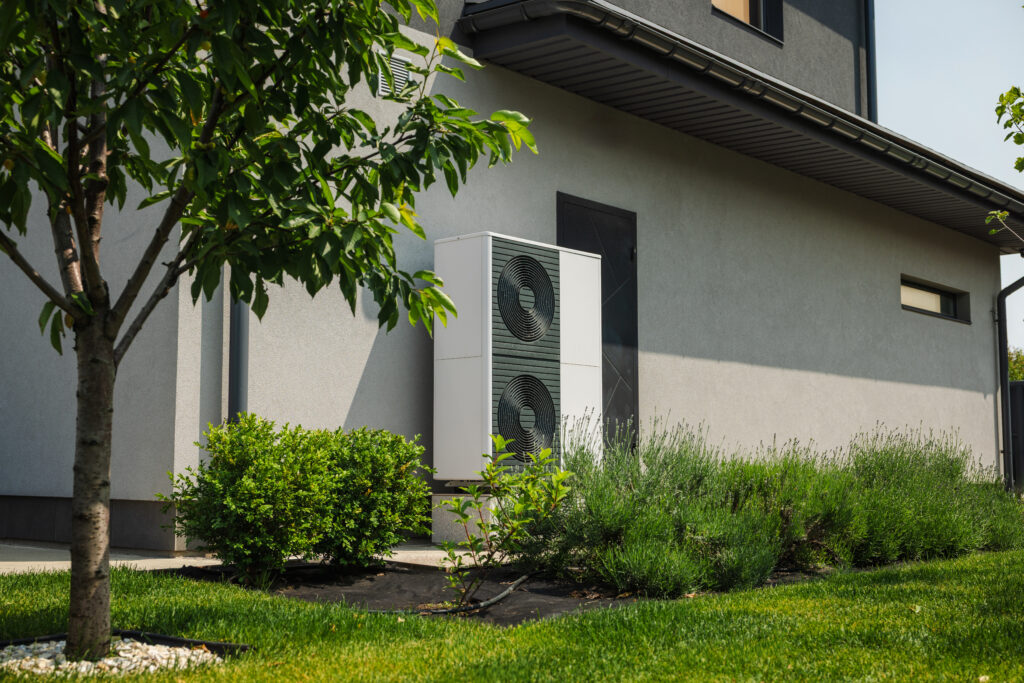
Homeowners looking for a more efficient way to stay comfortable throughout the year are increasingly considering heat pump systems. Instead of relying on separate equipment for heating and cooling, a heat pump can handle both jobs in one streamlined system. For homeowners in La Verne, All American HVAC at 626.736.0962 can help determine whether a modern heat pump is the right choice for improving comfort, efficiency, and long-term performance.
🔥 What Is a Heat Pump?
A heat pump is an HVAC system designed to provide both heating and cooling. Rather than creating heat through combustion, a heat pump transfers heat from one location to another.
During warmer weather, the system operates much like a traditional air conditioner. It removes heat from inside your home and transfers it outdoors. When temperatures cool down, the process reverses, allowing the system to extract available heat from the outdoor air and transfer it indoors.
This ability to move heat instead of relying solely on generating it is one of the primary reasons heat pumps can be highly energy efficient.
Modern heat pump technology has also improved significantly. Today’s systems are designed to provide dependable comfort across a much wider range of outdoor temperatures than many older heat pumps.
⚡ 1. Improved Energy Efficiency
One of the biggest benefits of installing a heat pump is energy efficiency.
Traditional furnaces create heat by burning fuel or using electric resistance heating. A heat pump works differently because it primarily uses electricity to transfer existing heat.
For homeowners, greater HVAC efficiency can mean less energy is required to maintain a comfortable indoor temperature. The actual savings will depend on factors such as the efficiency of the existing HVAC equipment, insulation, thermostat settings, home construction, system sizing, and local energy rates.
Upgrading an older heating and cooling system with a properly selected high-efficiency heat pump can be an effective way to modernize a home’s HVAC equipment while focusing on energy conservation.
❄️ 2. Heating and Cooling From One System
Why maintain separate heating and cooling equipment when one system can perform both functions?
A heat pump provides heating and air conditioning, making it a versatile solution for year-round indoor comfort.
During summer, the heat pump cools and dehumidifies indoor air. During cooler months, it reverses operation and supplies heat to the home.
This dual-purpose design can simplify an HVAC system while giving homeowners convenient control over their indoor environment.
For people considering an HVAC replacement, the ability to receive year-round heating and cooling from one system is a major advantage worth exploring.
💰 3. Potentially Lower Energy Costs
Energy efficiency isn’t just about using less energy—it can also affect monthly utility expenses.
Because a heat pump transfers heat rather than generating all of its heat directly, an energy-efficient heat pump may reduce heating energy consumption compared with certain older or less-efficient systems.
However, utility savings aren’t identical for every home. Your current equipment, electricity and fuel rates, home efficiency, system condition, and household comfort preferences all influence operating costs.
A professional HVAC evaluation can help homeowners compare the expected operating characteristics of a new heat pump with their existing heating and cooling equipment.
🌿 4. An All-Electric HVAC Option
Heat pumps can also be attractive to homeowners interested in reducing their reliance on combustion-based heating equipment.
Because many residential heat pumps operate entirely on electricity, they do not need to burn natural gas inside the home to provide heat.
That makes heat pumps particularly relevant for homeowners considering electrification projects, solar energy, or other home-efficiency improvements.
An all-electric HVAC system isn’t automatically the best solution for every property, but it gives homeowners another option when planning upgrades and evaluating their long-term energy needs.
🏠 5. Consistent Indoor Comfort
Comfort isn’t only about reaching a particular thermostat setting. The way an HVAC system delivers conditioned air can make a noticeable difference in how a home feels.
Modern heat pumps—especially systems featuring variable-speed or inverter technology—can adjust their output based on the home’s heating or cooling requirements.
Rather than repeatedly operating at full capacity and shutting off, certain systems can run for longer periods at lower output levels.
This can help maintain more consistent indoor temperatures while reducing noticeable temperature swings.
Longer, steadier operation can also support better air circulation and, during cooling operation, improved humidity management.
🤫 6. Quiet HVAC Operation
Nobody wants their HVAC equipment constantly interrupting conversations, television, sleep, or time spent outdoors.
Modern heat pump systems are often designed with sound reduction in mind. Features can include variable-speed compressors, improved fan designs, insulated compressor compartments, and other technologies intended to reduce operating noise.
Actual sound levels vary by model and installation, so homeowners concerned about noise should compare manufacturer sound ratings when selecting new equipment.
Proper installation also matters. Equipment placement, mounting, airflow, ductwork, and other installation details can influence how noticeable an HVAC system is during operation.
🌬️ 7. Better Air Circulation
Maintaining good airflow throughout the home contributes to overall comfort.
Because some high-efficiency heat pumps operate for longer cycles at lower speeds, they may provide more continuous air circulation than older single-stage systems.
Consistent circulation helps move conditioned air through the home’s ductwork and filtration system.
For the best results, homeowners should continue replacing or cleaning HVAC filters as recommended and schedule routine system maintenance. A high-quality HVAC system still depends on proper airflow and regular care to perform effectively.
🔧 8. Modern HVAC Technology
Installing a heat pump can give homeowners access to some of the latest advances in residential HVAC technology.
Depending on the equipment selected, a new system may offer features such as variable-speed operation, inverter-driven compressors, smart thermostat compatibility, zoning capabilities, advanced humidity control, and enhanced energy-management features.
These technologies allow HVAC equipment to respond more precisely to changing conditions inside the home.
Instead of operating only at maximum output, advanced systems may automatically adjust their capacity to match current demand. That can support improved efficiency, quieter operation, and more consistent comfort.
📱 9. Smart Thermostat Compatibility
Convenience is another reason homeowners consider upgrading their HVAC systems.
Many modern heat pumps can be paired with smart thermostats and advanced HVAC controls. Depending on the system, homeowners may be able to create heating and cooling schedules, adjust temperatures remotely, monitor system operation, and manage energy-saving settings.
Some smart HVAC controls can also provide maintenance reminders and information about equipment performance.
Compatibility varies between heat pumps and thermostats, so it’s important to confirm that the selected control system is designed to work correctly with the HVAC equipment.
📈 10. A Smart Long-Term Home Upgrade
HVAC equipment represents a significant investment, so homeowners naturally want to consider both current comfort and future needs.
A new heat pump system can replace aging heating and cooling equipment while introducing modern efficiency and comfort technology.
A newer HVAC system may also be appealing when homeowners are improving other areas of the property. Insulation upgrades, air sealing, window improvements, duct repairs, and solar installations can all be considered alongside HVAC improvements to create a more comprehensive home-efficiency strategy.
The key is selecting equipment that is correctly sized for the home rather than simply choosing the largest or highest-efficiency model available.
📐 Proper Heat Pump Sizing Matters
The advantages of a heat pump depend heavily on proper system design and installation.
An oversized system may cycle too frequently, while an undersized system may struggle to maintain desired temperatures during periods of high demand.
Professional HVAC contractors can evaluate factors such as home size, insulation levels, window area, orientation, ductwork, air leakage, and heating and cooling loads before recommending equipment.
This process helps match system capacity to the actual needs of the home.
Proper sizing can contribute to better comfort, energy efficiency, equipment performance, and service life.
🛠️ Maintenance Helps Protect Your Investment
Like any heating and cooling system, a heat pump requires routine maintenance.
Because the same equipment can operate throughout both heating and cooling seasons, regular professional inspections are important.
Maintenance may include checking refrigerant-related components, inspecting electrical connections, cleaning coils, examining the condensate system, checking airflow, inspecting filters, and confirming proper thermostat operation.
Homeowners can also help by keeping the outdoor unit free from leaves and debris and replacing HVAC filters according to manufacturer recommendations.
Preventive heat pump maintenance can help identify small problems before they become more significant repairs.
☀️ Why Heat Pumps Make Sense in La Verne
Climate is an important consideration when selecting heating and cooling equipment.
Homes in La Verne experience substantial cooling demand during warm weather while still requiring dependable heating during cooler periods. This creates an environment where the heating-and-cooling versatility of a heat pump can be particularly useful.
Instead of installing equipment that serves only one season, homeowners can consider a system designed to provide comfort throughout the year.
The right choice still depends on the individual property. Home design, existing ductwork, insulation, electrical capacity, current equipment, and homeowner preferences should all be considered before making a final decision.
✅ Is a Heat Pump Right for Your Home?
A heat pump may be worth considering if your existing air conditioner or furnace is approaching replacement age, you want to improve HVAC efficiency, or you’re interested in moving toward an all-electric heating and cooling system.
There isn’t one HVAC solution that works perfectly for every house.
Before replacing equipment, homeowners should have their existing system and property evaluated. Comparing equipment efficiencies, installation requirements, operating costs, warranties, and available features can help you make an informed decision.
A professionally installed heat pump for your La Verne home can provide an effective combination of heating, cooling, efficiency, and modern comfort technology.
📞 Explore Your Heat Pump Options Today
If you’re considering replacing an aging air conditioner or furnace, now is a good time to learn whether a high-efficiency heat pump makes sense for your home. From year-round heating and cooling to improved efficiency, quiet operation, and modern comfort controls, today’s systems offer several compelling benefits. Contact All American HVAC at 626.736.0962 to discuss heat pump options for your La Verne home and find a system suited to your comfort and efficiency goals.
Comments
One response to “🌡️ Benefits of a Heat Pump for Your La Verne Home”
[…] of the easiest ways to support HVAC efficiency during a heat wave is also one of the most frequently overlooked: check the air […]