
By All American HVAC | La Verne | 626.736.0962
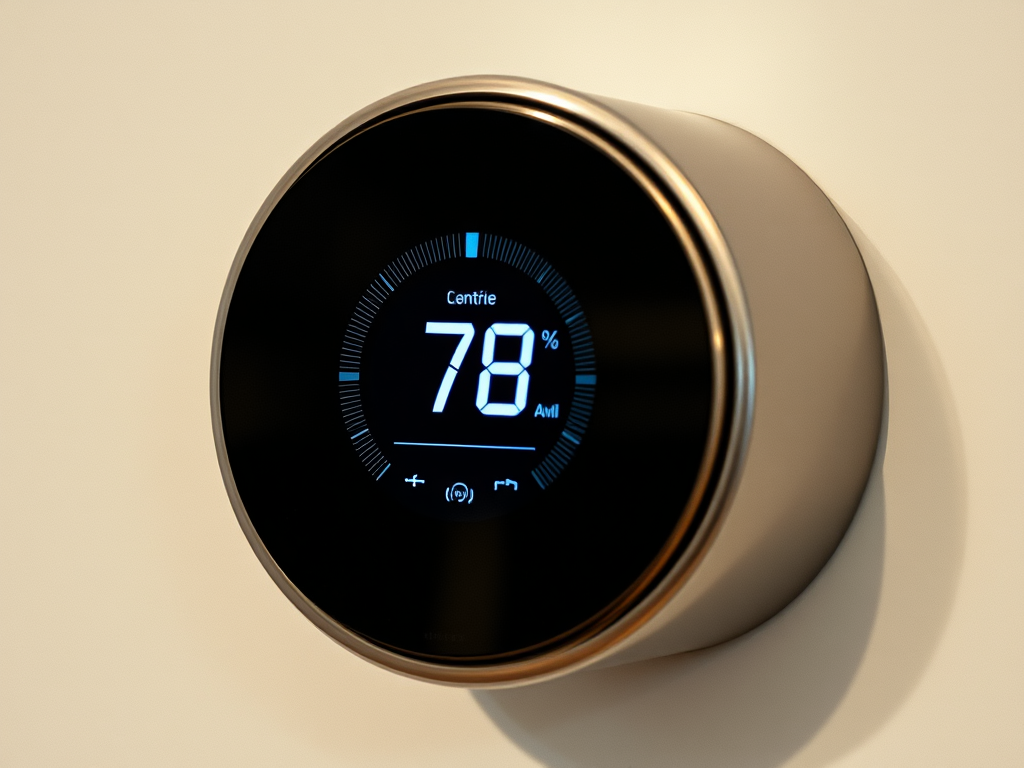
When a heat wave hits La Verne, your air conditioning system may run for long periods to maintain a comfortable indoor temperature. Extreme outdoor temperatures can put additional demand on cooling equipment, increase energy consumption, and expose problems that might not be noticeable during milder weather. Fortunately, homeowners can take several practical steps to improve performance and reduce unnecessary strain. All American HVAC at 626.736.0962 can help homeowners prepare their cooling systems for extreme temperatures and maintain dependable comfort throughout the hottest days of the year.
🌡️ Why Heat Waves Put Extra Stress on Your HVAC System
Your air conditioner works by removing heat from inside your home and transferring it outdoors. As outdoor temperatures rise, accomplishing that job becomes increasingly demanding.
During a heat wave, your cooling system may need to operate for longer cycles than usual. Long run times aren’t automatically a sign that something is wrong. When outdoor temperatures are extreme, extended operation may simply mean the system is working hard to satisfy the thermostat setting.
However, dirty filters, restricted airflow, neglected maintenance, duct leakage, poor insulation, and aging equipment can make the challenge even greater.
Preparing your home and HVAC system before extreme temperatures arrive can help improve air conditioning efficiency and reduce avoidable stress on the equipment.
❄️ 1. Avoid Extreme Thermostat Settings
When you walk into a hot house, it can be tempting to turn the thermostat dramatically lower in hopes of cooling the home faster.
In most conventional systems, setting the thermostat substantially below your desired temperature doesn’t make the air conditioner cool the house faster. Instead, it can cause the system to run longer while attempting to reach the lower setting.
Choose a comfortable temperature and avoid making constant, dramatic adjustments.
A reasonable and consistent thermostat strategy can help your cooling system operate more predictably during periods of extreme heat.
If your home has a programmable or smart thermostat, use scheduling features to automatically manage temperatures throughout the day.
🧼 2. Check Your HVAC Air Filter
One of the easiest ways to support HVAC efficiency during a heat wave is also one of the most frequently overlooked: check the air filter.
A dirty or clogged filter can restrict airflow through the HVAC system. When airflow is restricted, your equipment may have to work harder to circulate conditioned air throughout your home.
During periods of heavy air conditioner use, filters may need attention more frequently than they do during mild weather.
Check your filter regularly and replace or clean it according to the filter and equipment manufacturer’s recommendations.
Homes with pets, higher levels of dust, ongoing construction, or other conditions that affect indoor air may require more frequent filter changes.
☀️ 3. Keep Direct Sunlight Out
Your HVAC system isn’t the only factor affecting indoor temperatures.
Sunlight entering through windows can add substantial heat to a room, particularly during the hottest part of the afternoon.
Closing blinds, shades, or curtains on sun-facing windows can help reduce solar heat gain and make it easier for your air conditioner to maintain the desired indoor temperature.
Window coverings are a simple passive cooling strategy that requires no additional energy.
You can reopen them later in the day when direct sunlight is no longer heating the interior.
Reducing heat gain throughout your home means your air conditioner has less heat to remove.
🌀 4. Use Ceiling Fans to Improve Comfort
Ceiling fans don’t actually lower the temperature of a room, but they can make occupants feel cooler by moving air across the skin.
This can complement your air conditioning system during a heat wave.
When you’re occupying a room, use a ceiling fan to improve air circulation and comfort. Because fans cool people rather than empty rooms, turn them off when you leave to avoid unnecessary electricity use.
Combining air conditioning and ceiling fans can be an effective strategy for maintaining comfort without relying exclusively on the HVAC system.
🚪 5. Keep Windows and Exterior Doors Closed
Opening windows during cool mornings or evenings can sometimes provide natural ventilation. During the hottest part of a heat wave, however, open windows and doors allow hot outdoor air to enter the home.
That creates additional work for your cooling system.
Keep exterior doors and windows closed while the air conditioner is operating. Also check for obvious gaps around doors and windows that could allow conditioned air to escape or hot outdoor air to enter.
Weatherstripping and basic air sealing can help reduce unwanted air leakage.
The less outdoor heat that enters your home, the easier it is for your HVAC system to maintain comfortable indoor conditions.
🌿 6. Keep the Outdoor AC Unit Clear
Your outdoor condenser needs adequate airflow to release the heat collected from inside your home.
Leaves, grass, weeds, landscaping, and other debris around the outdoor unit can interfere with airflow.
Periodically inspect the area around the condenser and carefully remove loose debris. Keep vegetation trimmed back so the equipment has adequate clearance based on manufacturer recommendations.
Never cover an operating outdoor air conditioning unit or block its airflow.
If the condenser coil itself appears heavily dirty, professional cleaning may be appropriate. Avoid aggressive pressure washing or other cleaning methods that could damage delicate coil fins or electrical components.
Maintaining good airflow around the outdoor equipment is an important part of maximizing AC efficiency.
🔧 7. Schedule Preventive HVAC Maintenance
Heat waves often expose problems that were already developing inside an HVAC system.
A system may seem to operate normally during moderate temperatures but struggle once it is required to run for extended periods.
Routine professional maintenance can help identify issues before the hottest weather arrives.
Depending on the system and its condition, an HVAC technician may inspect electrical components, check airflow, examine coils, inspect the condensate system, evaluate system operation, and look for signs of wear or potential failure.
Preventive maintenance can’t guarantee that equipment will never break down, but it can help identify developing problems and support reliable system performance.
🏠 8. Reduce Unnecessary Heat Inside Your Home
Heat doesn’t only enter your home from outdoors. Everyday appliances and activities can also contribute to indoor temperatures.
Ovens, stovetops, clothes dryers, dishwashers, lighting, electronics, and other equipment can release heat.
During an extreme heat wave, consider shifting heat-producing activities to cooler parts of the day whenever practical.
For example, cooking outdoors or using smaller appliances instead of a conventional oven can reduce the amount of heat introduced into the kitchen.
Running certain appliances during the evening rather than the hottest part of the afternoon may also help.
Every bit of indoor heat your air conditioner doesn’t have to remove can reduce its cooling workload.
🌬️ 9. Don’t Block Supply and Return Vents
Furniture, rugs, curtains, boxes, and other household items can accidentally block HVAC vents.
Take a walk through your home and make sure supply registers and return-air grilles aren’t obstructed.
Proper airflow is essential to HVAC performance.
It’s also generally better not to close large numbers of supply vents in unused rooms unless the HVAC system was specifically designed for zoning. Closing too many registers can alter airflow and pressure within the duct system.
If certain rooms consistently receive too much or too little conditioned air, an HVAC professional can evaluate the system and determine whether ductwork, balancing, insulation, or another issue is contributing to the problem.
🏡 10. Improve Your Home’s Insulation and Air Sealing
Your HVAC system is only one component of home comfort.
If cooled air escapes through gaps or excessive outdoor heat enters through the building envelope, even an efficient air conditioner may have difficulty maintaining comfortable temperatures.
Attic insulation, weatherstripping, air sealing, window performance, and duct condition can all influence cooling demand.
Improving these areas may reduce the amount of heat entering your home and help conditioned air remain indoors longer.
For homeowners who repeatedly struggle with high indoor temperatures during hot weather, evaluating both the HVAC system and the home’s overall energy performance can provide a more complete picture.
🌙 Take Advantage of Cooler Hours
Temperatures often become more manageable overnight and during the early morning.
You can use these cooler periods strategically.
Complete heat-producing household activities during cooler hours when possible. If outdoor conditions are suitable, natural ventilation may also help cool the home before temperatures climb again.
Once outdoor temperatures rise, close windows and use blinds, shades, or curtains to help preserve the cooler indoor environment.
This approach can help reduce the amount of heat your air conditioner must overcome later in the day.
⚡ Consider a Smart or Programmable Thermostat
A smart thermostat can make managing indoor temperatures more convenient, particularly during prolonged hot weather.
Depending on the model and HVAC system, smart controls may allow you to create cooling schedules, make remote temperature adjustments, monitor equipment operation, and receive certain system alerts.
Programmable thermostats can also automatically adjust temperature settings according to your household routine.
Avoid making temperature setbacks so aggressive that your system must overcome excessive indoor heat when you return home.
The ideal thermostat strategy depends on the HVAC equipment, home, schedule, and comfort preferences.
📏 Make Sure Your HVAC System Is Properly Sized
Bigger isn’t necessarily better when it comes to air conditioning equipment.
An oversized system may cool the home quickly but cycle on and off frequently, which can affect comfort and humidity management. An undersized system may have difficulty meeting the home’s cooling demand during extreme conditions.
Professional HVAC sizing should consider more than square footage.
Factors such as insulation, windows, orientation, construction, air leakage, occupancy, and local climate can influence a home’s cooling load.
If your existing air conditioner has consistently struggled during hot weather, proper system sizing should be part of the discussion when replacement becomes necessary.
⚠️ Know the Warning Signs of an HVAC Problem
Air conditioners naturally work harder during heat waves, but certain symptoms may indicate a problem requiring professional attention.
Pay attention if your system is blowing unusually warm air, repeatedly shutting down, making unfamiliar noises, producing unusual odors, leaking water, tripping electrical breakers, or failing to maintain reasonable indoor conditions.
A sudden change in system performance is particularly important to investigate.
Continuing to operate equipment with a significant mechanical or electrical problem could lead to additional damage.
When something doesn’t seem right, having the system professionally inspected can help identify the underlying cause.
🔄 When Is It Time to Consider HVAC Replacement?
Even well-maintained HVAC equipment eventually reaches the end of its useful service life.
If an older air conditioner requires frequent repairs, struggles to maintain comfort, or has become increasingly expensive to operate, it may be appropriate to compare repair costs with replacement options.
Modern systems may offer higher efficiency ratings, variable-speed technology, improved comfort controls, quieter operation, and smart thermostat compatibility.
Heat pumps are another option for homeowners interested in combining heating and cooling into one system.
An HVAC professional can evaluate the existing equipment and explain appropriate replacement options based on the home’s requirements.
🌡️ Stay Comfortable During La Verne Heat Waves
Extreme temperatures can challenge even a properly operating cooling system, but homeowners aren’t powerless when the thermometer climbs.
Keeping filters clean, reducing direct sunlight, maintaining unobstructed airflow, using ceiling fans, limiting indoor heat sources, keeping the outdoor condenser clear, and scheduling routine maintenance can all contribute to better HVAC performance.
Most importantly, pay attention to changes in the way your system operates.
Catching a developing HVAC problem before an extreme heat event can be much more convenient than dealing with an unexpected cooling failure on one of the hottest days of the year.
📞 Keep Your HVAC System Ready for the Heat
Preparing your cooling system before extreme temperatures arrive can help improve comfort, support efficient operation, and reduce unnecessary stress on HVAC equipment. If your air conditioner needs maintenance, isn’t cooling properly, or you’re considering replacing an aging system, contact All American HVAC at 626.736.0962 for professional HVAC service in La Verne and get your home ready for the next heat wave.