Category: hvac Glendora

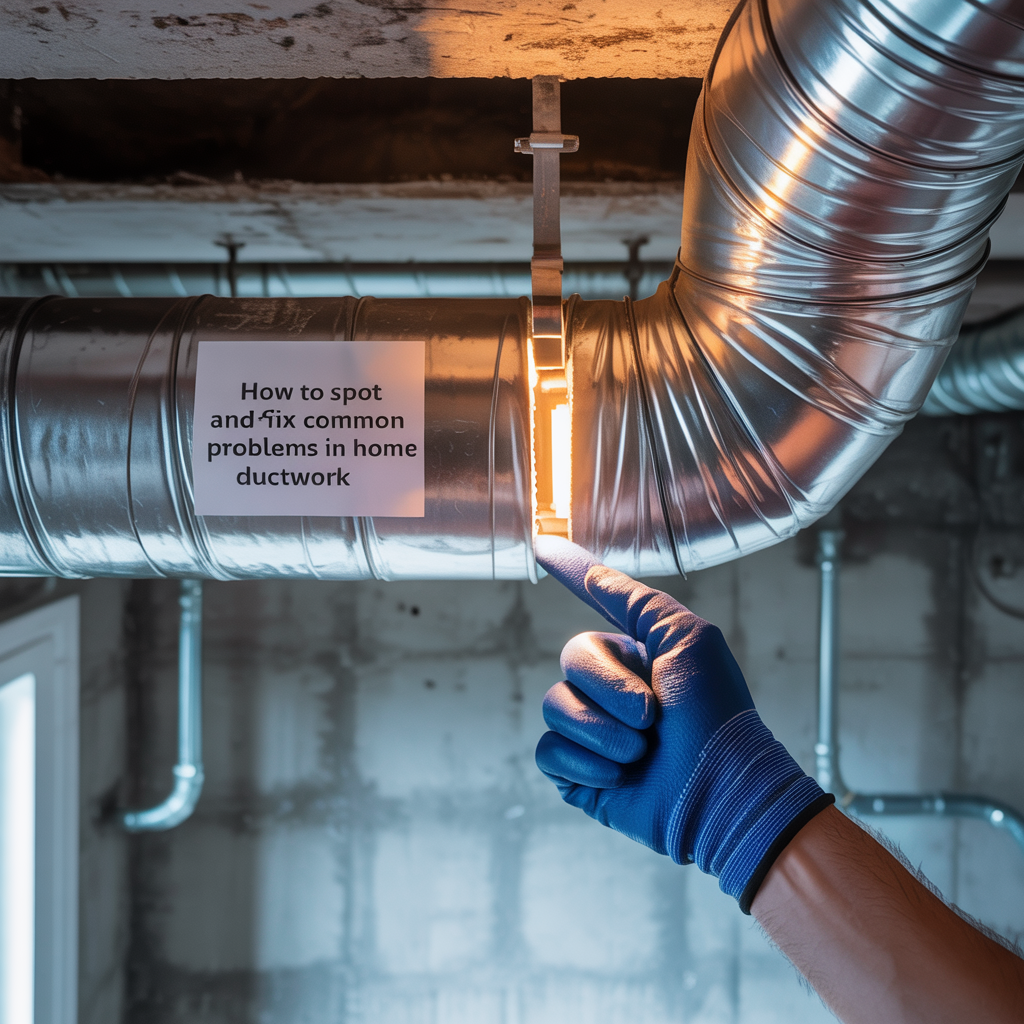
  • How to Spot and Fix Common Problems in Home Ductwork

    ducting problems

    Your home’s ductwork is a vital part of your heating and cooling system, yet it’s often overlooked until something goes wrong. Over time, ducts can develop leaks, accumulate debris, or become poorly sealed, which leads to inefficiency and discomfort indoors. Recognizing the warning signs and knowing how to address common issues can not only protect your comfort but also save you money on energy bills.

    In this article, we’ll discuss how to identify early indicators of ductwork problems and explore simple, practical solutions for improving your home’s airflow. By taking the time to understand your system, you can prevent small issues from turning into costly repairs while keeping your indoor environment healthier and more consistent.


    Recognizing Early Warning Signs in Your Ductwork

    One of the first ways to recognize trouble in your ductwork is noticing inconsistent temperatures throughout your home. For example, if one room feels chilly while another remains warm, this could indicate blockages, loose connections, or leaks within the duct system. Another early indicator may be unusual noises, such as rattling or whistling when the system is running. Sounds like this often signal that sections of ductwork are loose, bent, or improperly sealed.

    You may also detect signs in your indoor air quality. Excessive dust on surfaces, musty odors, or increased allergy symptoms can point to debris buildup or gaps in the ducts where outdoor air is being pulled in. Rising energy bills are another key signal that the system is working harder than it should due to poor airflow or leaks. Catching these clues early helps you address issues before they escalate into more serious or expensive problems.


    Practical Fixes for Common Home Airflow Problems

    Once you’ve identified issues, there are a few simple steps you can take to restore efficiency and comfort. Start by checking for visible leaks at duct joints and sealing them with foil-backed duct tape or mastic sealant, both of which are designed for HVAC use. You can also add insulation around exposed ducts, especially in unconditioned areas like attics or basements, to maintain more consistent indoor temperatures. Cleaning vents and replacing air filters regularly also helps reduce dust accumulation and improve airflow.

    For more persistent issues, such as obstructed ducts, crushed sections, or significant air leaks, it may be best to call in a professional. HVAC technicians can perform a pressure test, identify hidden leaks, and recommend upgrades, like duct resizing or balancing, to improve system performance. Tackling problems early not only ensures your heater or air conditioner operates efficiently but also helps extend the life of your entire HVAC system.


    Your ductwork may be out of sight, but it should never be out of mind. Paying attention to the early signs of trouble and addressing them with practical fixes can dramatically improve your home’s comfort, air quality, and energy efficiency. Small preventative steps such as sealing leaks, cleaning vents, and scheduling regular inspections go a long way in keeping your system running smoothly.

    By understanding how duct issues arise and what to do about them, you’ll be better prepared to maintain a healthier, more efficient home environment. Whether you handle the fixes yourself or seek professional support, proactive care of your ductwork ensures that your heating and cooling systems serve you well for years to come. All American HVAC, Inc., 626.736.0962
  • DIY or Professional HVAC Maintenance What to Know

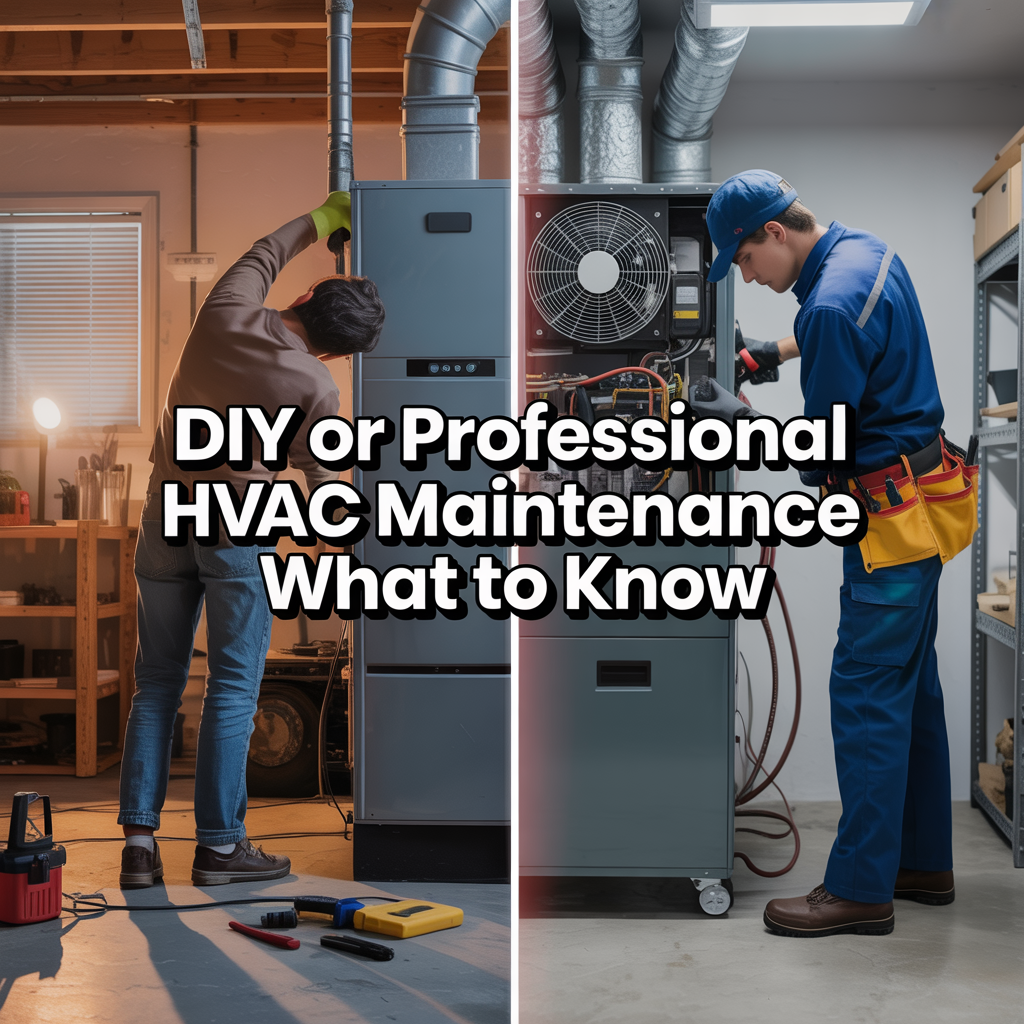
    DIY or Professional HVAC Maintenance What to Know

    Taking care of your home’s HVAC system ensures comfort, energy efficiency, and long-lasting performance. But one big question many homeowners face is whether they should roll up their sleeves and handle maintenance themselves or call in a professional. The answer isn’t always straightforward, as both DIY care and professional service have their place in keeping your heating and cooling system in top shape.

    Understanding what you can safely do on your own—and what’s best left to licensed experts—can help you make smarter decisions, save money, and prevent costly mistakes. With a little knowledge, you can strike the right balance between hands-on upkeep and professional inspections, keeping your home environment reliable in every season.


    Deciding Between DIY and Professional HVAC Care

    At first glance, DIY HVAC maintenance seems appealing because it saves money and gives you control over how you care for your system. Simple tasks like checking filters or clearing debris from around the outdoor unit don’t require much expertise, and staying consistent with these habits can extend your system’s life. Homeowners who stay proactive often notice improved efficiency and fewer sudden issues, meaning monthly energy bills might even drop thanks to their efforts.

    On the other hand, professional HVAC care delivers the depth and precision most homeowners simply can’t match. Certified technicians have the tools, training, and safety knowledge to perform tasks ranging from refrigerant checks to system calibration. They can spot early warning signs you might overlook, preventing bigger problems down the road. While the upfront cost of professional service may feel steep, it often pays for itself in long-term system reliability and fewer emergency breakdowns.


    Tasks Homeowners Can Handle Versus Expert Jobs

    There are several HVAC maintenance tasks homeowners can safely complete on their own. For instance, replacing air filters every one to three months is a straightforward job that has a big impact on airflow and indoor air quality. Cleaning around the outdoor condenser unit and making sure vents aren’t blocked indoors are also simple but effective measures. These kinds of DIY checks keep your system from straining unnecessarily and provide peace of mind between professional visits.

    However, jobs involving electrical components, refrigerant handling, or in-depth mechanical repairs should never be attempted without proper training. Professionals are needed when it comes to inspecting wiring, balancing refrigerant levels, or diagnosing strange noises and odors. These tasks require specialized tools and certifications to ensure safety and compliance with local codes. Trying to DIY advanced maintenance can void warranties and create bigger problems, so knowing your limits is just as important as keeping up with routine home care.


    Maintaining your HVAC system is about finding the right balance between what you can do yourself and when you should call in an expert. Regular homeowner tasks help keep things running smoothly day-to-day, but professional inspections safeguard against hidden issues and keep your system operating at peak performance.

    By knowing which responsibilities fall into your hands and which require skilled expertise, you can avoid unnecessary risks and enjoy a more comfortable, efficient living space. Whether you lean toward DIY or rely more on professional care, the goal remains the same: a well-maintained HVAC system that keeps your home safe, cozy, and energy-efficient all year long. All American HVAC, Inc., 626.736.0962