By All American HVAC | Serving Your Area | 📞 626.736.0962
Most homeowners don’t think about their HVAC system until something goes wrong. The reality is, your system is constantly working behind the scenes to keep your home comfortable—and when it begins to fail, it doesn’t usually happen all at once. Instead, it gives off a series of warning signs that, if recognized early, can help you avoid costly repairs or a complete breakdown.
Understanding the warning signs your HVAC unit is failing allows you to take control before small issues turn into major problems. In this post, we’ll walk through some of the more subtle—but equally important—signals that your HVAC system may be nearing the end of its life.
🏠 Hot and Cold Spots Throughout Your Home
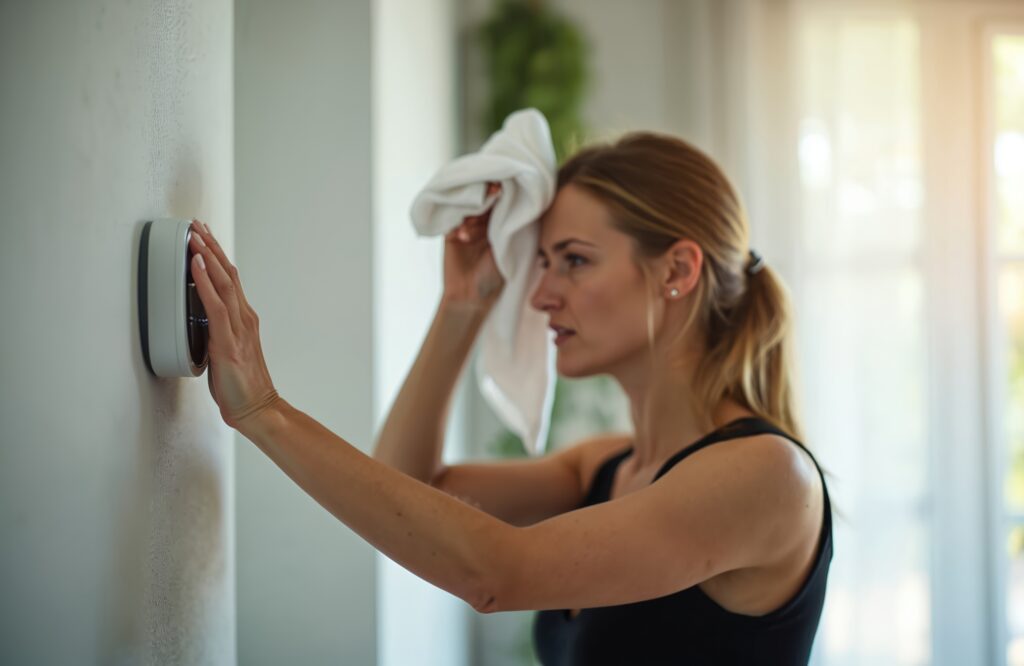
One of the most frustrating signs of HVAC trouble is uneven temperatures. You might notice that one room feels perfectly comfortable while another is too hot or too cold.
This issue often develops gradually, making it easy to overlook at first. However, it’s a strong indication that your system is no longer distributing air properly.
Common causes include:
- Leaky or damaged ductwork
- Airflow restrictions
- Aging system components
- Improper system balancing
When your HVAC system can’t maintain consistent temperatures, it has to work harder to compensate. This leads to increased wear and higher energy bills.
If your home no longer feels evenly comfortable, it’s time to call All American HVAC at 📞 626.736.0962 for a thorough inspection.
🌬️ Airflow Feels Weak or Inconsistent
Weak airflow is one of the clearest signs that something is wrong with your HVAC system. You may notice that air coming from your vents feels faint or inconsistent, even when the system is running.
This can be caused by:
- Clogged air filters
- Blocked or leaking ducts
- A failing blower motor
- Internal mechanical issues
Reduced airflow doesn’t just affect comfort—it forces your system to run longer cycles, increasing energy consumption and accelerating wear.
Ignoring airflow issues can lead to more serious problems, including system overheating and component failure.
🧾 Energy Bills Continue to Rise
A steady increase in your energy bills is often one of the first financial indicators that your HVAC system is failing.
As systems age or develop issues, they lose efficiency and require more energy to maintain the same level of comfort. This can result from:
- Worn-out components
- Dirty coils or filters
- Refrigerant problems
- Airflow restrictions
If your utility bills are climbing without any change in usage, your HVAC system is likely working harder than it should.
Addressing efficiency issues early can help you avoid unnecessary costs and extend the life of your system.
🔧 The System Requires Frequent Repairs
Every HVAC system needs occasional maintenance, but frequent repairs are a major red flag. If you’ve had to call for service multiple times within a short period, your system may be nearing the end of its lifespan.
Frequent repairs often indicate:
- Multiple components are failing
- The system is losing reliability
- Repair costs are adding up quickly
At a certain point, continuing to repair an aging system becomes less practical than replacing it.
If you’re unsure whether to repair or replace, call 📞 626.736.0962. The team at All American HVAC can help you make an informed decision based on your system’s condition.
🔊 Strange Sounds Are Becoming More Common
While HVAC systems aren’t completely silent, they should never produce loud or unusual noises. If you’re hearing new or worsening sounds, it’s a sign that something inside the system is failing.
Common warning noises include:
- Rattling or banging
- Squealing or screeching
- Buzzing or humming
- Vibrations or shaking
Each of these sounds can indicate a different issue, but all of them require attention. Ignoring unusual noises can lead to more extensive damage and higher repair costs.
🌫️ Excess Dust and Poor Air Quality
If you’ve noticed an increase in dust around your home or a decline in indoor air quality, your HVAC system may be to blame.
A failing system may struggle to:
- Filter out dust and allergens
- Maintain proper humidity levels
- Circulate clean air effectively
This can lead to:
- Increased allergy symptoms
- Stale or musty air
- Visible dust buildup on surfaces
Improving your HVAC system’s performance can significantly enhance the air quality in your home.
🔄 The System Runs Longer Than It Should
If your HVAC system seems to run constantly without reaching the desired temperature, it’s a clear sign that it’s struggling to keep up.
This can be caused by:
- Reduced efficiency
- Airflow problems
- Failing components
- Incorrect system sizing
When your system runs longer cycles, it not only increases energy usage but also accelerates wear and tear.
🛑 Delayed Startup or Trouble Turning On
Another warning sign of HVAC failure is difficulty starting the system. You may notice that it takes longer to turn on, or that it doesn’t respond immediately when you adjust the thermostat.
This can indicate:
- Electrical issues
- Failing components
- Thermostat problems
Delayed startup often signals that your system is under stress and may be approaching failure.
⏳ Your HVAC System Is Getting Older
Age is a major factor in HVAC performance. Most systems are designed to last between 10 and 15 years. As they age, they become less efficient and more prone to breakdowns.
Older systems often:
- Require more frequent repairs
- Consume more energy
- Struggle to maintain consistent temperatures
If your system is approaching this age range and showing multiple warning signs, it may be time to consider a replacement.
🏠 Comfort Levels Are Declining
Ultimately, your HVAC system is responsible for maintaining comfort in your home. If you’re noticing that your home no longer feels as comfortable as it once did, your system may be failing.
Signs of declining comfort include:
- Uneven temperatures
- Increased humidity or dryness
- Weak airflow
These issues indicate that your system is no longer performing at its best.
📞 Why Early Action Saves You Money
Ignoring HVAC warning signs can lead to:
- Sudden system breakdowns
- Expensive emergency repairs
- Reduced system lifespan
- Higher energy costs
Taking action early allows you to address small issues before they become major problems.
📣 Strong Call to Action
If you’ve noticed any of these warning signs your HVAC unit is failing, don’t wait until your system stops working completely.
Call All American HVAC at 📞 626.736.0962 today for expert service and a professional evaluation. Whether you need a simple repair or a full system assessment, acting now can save you time, money, and stress.
Your comfort is too important to ignore—schedule your HVAC service today and stay ahead of costly problems.