Tag: hvac service Glendora

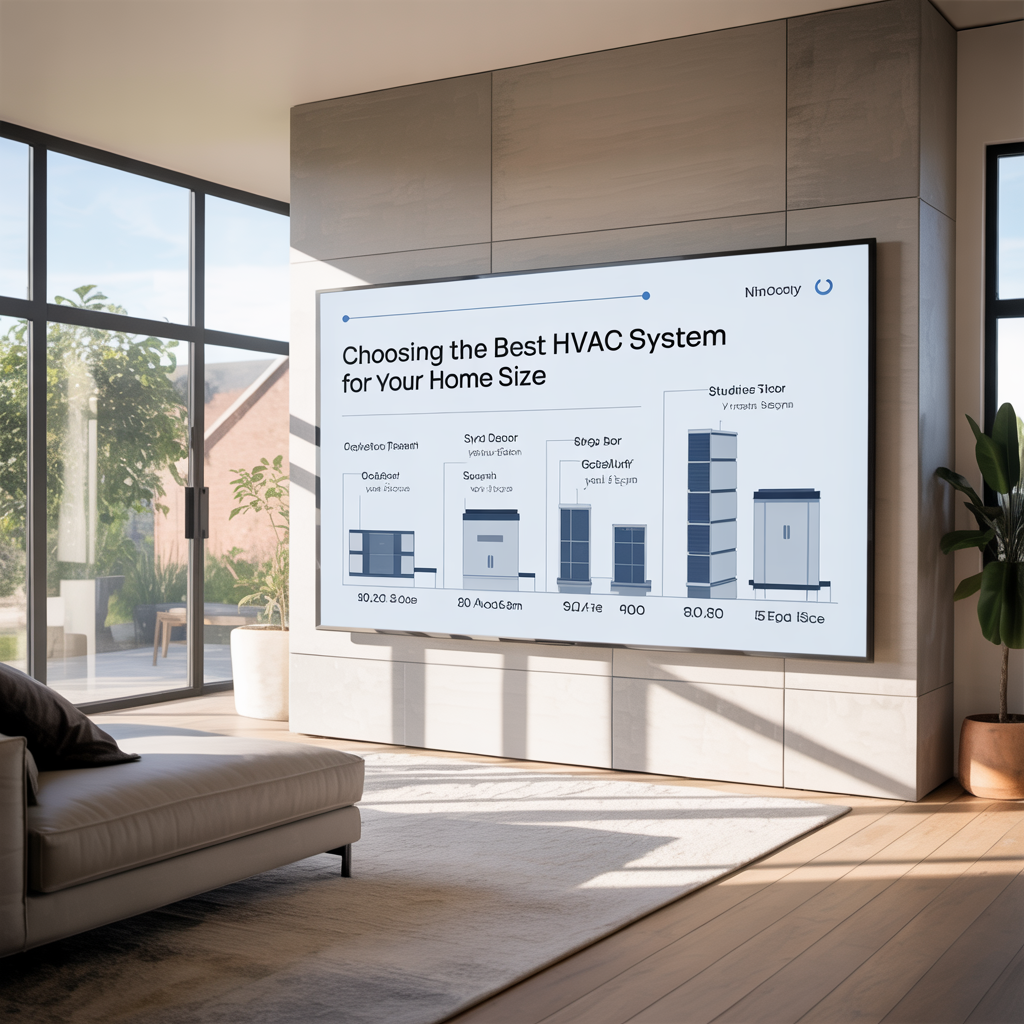
  • Choosing the Best HVAC System for Your Home Size

    choosing the best HVAC system for your home size

    Choosing the right heating, ventilation, and air conditioning (HVAC) system for your home isn’t just about comfort—it’s also about efficiency, cost savings, and long-term performance. Many homeowners underestimate the role that home size plays in determining the best system, only to face higher energy bills and uneven temperatures later on. By carefully assessing your property and understanding the connection between system capacity and square footage, you can make an informed choice that benefits both your comfort and your budget.

    HVAC system selection involves more than simply measuring your home’s square footage. Insulation, ceiling height, layout, number of rooms, window placement, and sun exposure can all affect its heating and cooling requirements.

    Whether you live in a small apartment, a mid-sized suburban home, or a large family residence, selecting equipment with the appropriate capacity is essential for efficient performance. A properly sized system can provide more consistent temperatures, support better indoor air quality, and reduce unnecessary strain on the equipment.


    Key Factors to Match HVAC Systems with Home Size

    The size of your home is one of the most important considerations when selecting an HVAC system. A system that is too small will run constantly, struggling to keep up with demand and leaving you uncomfortable on extreme weather days. On the other hand, an oversized system wastes energy by cycling on and off too often, leading to higher bills and premature wear on components. A professional load calculation, often called a Manual J calculation, accounts for not only square footage but also wall construction, number of windows, and orientation to the sun.

    Square footage is only one factor to consider when determining the proper HVAC system size. Insulation levels, ceiling height, window placement, home layout, and sun exposure can all influence heating and cooling requirements. For example, a home with vaulted ceilings or large windows that receive direct sunlight may require more cooling capacity than a similarly sized home with standard ceilings and greater shade.

    A well-insulated home may also need less heating and cooling capacity than a drafty home of the same size. Evaluating these details helps ensure the HVAC system is properly matched to the property, providing consistent indoor comfort without wasting energy or unnecessarily increasing utility costs.


    Avoiding Common Mistakes in HVAC System Selection

    One of the most common mistakes homeowners make is assuming that a larger HVAC system will provide better comfort. In reality, an oversized system may waste energy, cycle on and off too frequently, and fail to remove enough humidity from the air, leaving the home feeling cool but uncomfortably damp during the summer.

    Another common mistake is choosing equipment based on guesswork or outdated sizing guidelines. A professional load calculation considers factors such as the home’s size, insulation, windows, layout, and sun exposure. Without an accurate calculation, homeowners may experience years of inconsistent comfort, inefficient operation, and unnecessarily high utility bills.

    Another pitfall is overlooking the importance of ductwork and system compatibility. A new, efficient HVAC unit may not perform well if the home’s ductwork is leaky, undersized, or poorly designed. Homeowners should also avoid focusing exclusively on upfront purchase price, since the operating costs of an improperly sized system will outweigh any initial savings. Working with an experienced HVAC contractor who considers long-term performance, energy efficiency ratings, and comfort level will help you avoid these common errors.


    Choosing the best HVAC system for your home size comes down to balancing efficiency, comfort, and practicality. By properly matching capacity to square footage and accounting for other home characteristics, you can ensure that your system runs at peak performance without wasting energy. Avoiding common mistakes, such as oversizing or ignoring ductwork, will save you money and extend your system’s lifespan.

    Ultimately, the right HVAC system is an investment in your comfort and your home’s value. With professional guidance and a clear understanding of how home size impacts performance, you can make a choice that keeps your living space consistently comfortable throughout the year while maintaining energy efficiency for the long run. All American HVAC, Inc., 626.736.0962
  • How SEER Ratings Impact Your Home Energy Costs

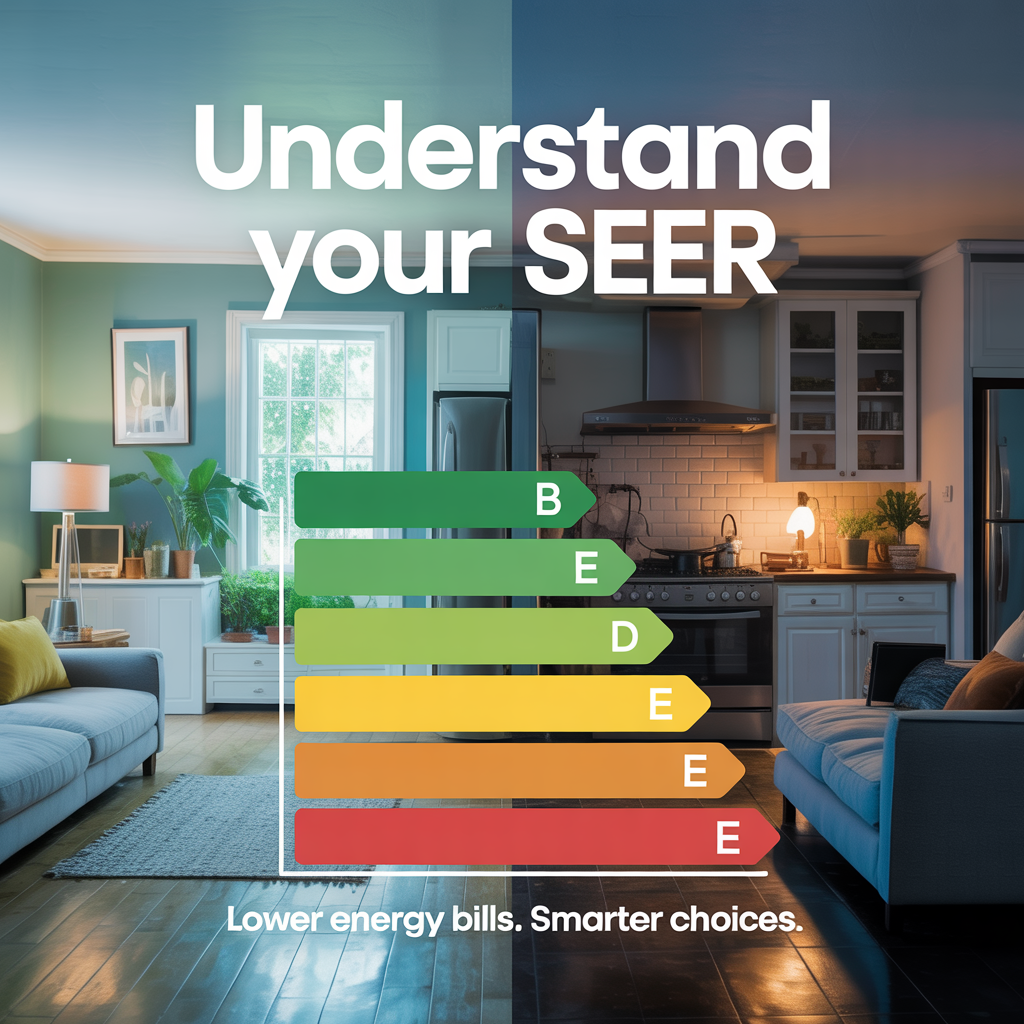
    understanding SEER rating hva

    When it comes to keeping your home comfortable, few investments are as impactful as your air conditioning system. But while choosing the right size and type of unit matters, one of the most important factors in long-term savings is the SEER rating. SEER, or Seasonal Energy Efficiency Ratio, determines how effectively an AC system transforms energy into cooling power. For homeowners, understanding SEER ratings isn’t just about technical specifications—it directly influences your monthly bills and your home’s overall energy efficiency.

    How SEER Ratings Measure AC Efficiency at Home

    The SEER rating is essentially a performance score for your air conditioner. It measures the cooling output of the system over a typical cooling season compared to the amount of energy used. The higher the SEER number, the more efficient the system is at converting energy into cool, comfortable air. Current federal minimum standards in the U.S. usually require modern systems to have a SEER rating of at least 14, but many premium models are available with ratings well into the 20s.

    For homeowners, this rating translates into a clear way to evaluate and compare different units. A system with a higher SEER produces the same amount of cooling but uses less electricity, which means you are getting more value from every kilowatt-hour consumed. While the upfront cost of a higher-SEER unit can be greater, the efficiency gains often pay off in the form of steady long-term energy savings, especially in areas with hot or extended summers.

    The Link Between SEER and Your Monthly Energy Costs

    Where SEER ratings really shine is in their impact on your electric bill. A less efficient system needs more power to deliver cool air, which can cause energy costs to spike during the hottest months of the year. By contrast, a higher-SEER AC runs more smoothly and consumes less energy per unit of cooling. The result is not only a cooler home but also lower recurring monthly expenses, making it easier to manage household energy use.

    It’s also worth noting that local climate plays a big role in how much you save. Homes in regions that require frequent cooling will benefit the most from upgrading to a higher-rated system because the differences add up over many hours of operation. At the same time, bonus perks—such as increased home comfort, quieter operation, and often better humidity control—further enhance the value of investing in efficient AC technology.

    At the end of the day, SEER ratings aren’t just numbers—they’re a reliable indicator of how much you’ll spend over the lifetime of your cooling system. While the initial purchase of a high-efficiency air conditioner may seem like a big investment, the ongoing savings can be significant. By understanding how SEER works and what it means for your specific home and climate, you can make smarter decisions that balance comfort, sustainability, and cost efficiency. Choosing the right unit today can help control energy costs well into the future. All American HVAC, Inc., 626.736.0962
  • How Long Does a Residential HVAC System Usually Last

    HVAC units

    A residential HVAC system is one of the most essential components of any home, ensuring a comfortable indoor environment throughout the year. Many homeowners often ask how long these systems typically last before requiring replacement. Although individual systems can vary, industry averages and proper maintenance routines offer a reliable estimate of their typical lifespan. Understanding these timelines allows homeowners to budget effectively and plan ahead for future repairs or system upgrades.

    Understanding the Typical Lifespan of Home HVAC Units

    On average, a residential HVAC system lasts between 10 and 20 years, depending on its design, usage, and upkeep. Central air conditioners typically run well for about 12 to 15 years, while furnaces may perform for 15 to 20 years. Heat pumps tend to fall somewhere in the middle, with a typical range of 10 to 15 years. These lifespans reflect normal operating conditions, meaning a system that is neither overworked nor neglected.

    It’s important to recognize that modern systems are generally far more energy-efficient than older models, often delivering noticeable savings well before their expected lifespan ends. In many situations, an HVAC unit that is 10 to 15 years old may still function adequately but typically operates at a much higher energy cost compared to more advanced, newer systems. This difference in performance frequently motivates homeowners and businesses to replace their systems earlier, as the long-term energy savings and improved efficiency can outweigh the benefits of keeping an aging unit in service.

    Key Factors That Influence How Long Your System Lasts

    Maintenance plays the biggest role in determining how long a residential HVAC system will last. Units that receive annual inspections, filter replacements, and cleaning of key components almost always outlive those that do not. Proper installation is another crucial factor—if the system is incorrectly sized for the home or poorly installed, its components tend to wear out much more quickly.

    Additional factors, such as climate conditions and household usage patterns, also significantly influence system performance and longevity. For instance, a unit operating almost continuously in a hot, humid environment is likely to experience greater wear and tear than one located in a milder climate with lower demand. Likewise, households that frequently adjust thermostat settings or operate the system at extreme temperatures may reduce its overall lifespan. In the end, optimal performance and durability depend on proper maintenance, professional installation, and mindful everyday use.

    While residential HVAC systems typically have a lifespan of 10 to 20 years, no two units are exactly alike. Factors such as usage patterns, maintenance routines, and environmental conditions can greatly influence how long a system remains reliable and efficient. By scheduling regular maintenance, monitoring performance for signs of declining efficiency, and planning proactively for eventual replacement, homeowners can maximize the lifespan of their HVAC systems while maintaining optimal comfort and energy efficiency. All American HVAC, Inc. | 626.736.0962

  • 💰 Why Regular HVAC Maintenance Saves You Money (and Stress)

    Why Regular HVAC Maintenance Saves You Money

    When it comes to home comfort, most people don’t think about their HVAC system until something goes wrong. Unfortunately, waiting for a breakdown can cost you far more than you expect. Regular HVAC maintenance isn’t just a “nice to have” — it’s one of the smartest investments you can make as a homeowner.

    🛠️ Prevent Costly Breakdowns

    Small issues like dirty coils, loose electrical connections, or clogged drain lines can turn into major repairs if left unchecked. During routine maintenance, a trained technician can spot and fix minor problems before they cause a full system failure — often during the hottest or coldest days of the year.

    ⚡ Lower Energy Bills

    An HVAC system that’s running efficiently uses less energy. Dirty filters, worn components, and improper airflow force your system to work harder, driving up utility bills. Regular tune-ups help your system operate at peak efficiency, saving you money month after month.

    ⏳ Extend the Life of Your System

    HVAC systems are a big investment, and routine maintenance helps protect it. Just like regular oil changes extend the life of your car, scheduled HVAC service can add years to your system’s lifespan — delaying the need for a costly replacement.

    🌬️ Improve Indoor Air Quality

    Dust, pollen, pet dander, and other allergens can build up inside your HVAC system. Maintenance includes cleaning and inspecting key components, which helps improve airflow and keeps the air in your home cleaner and healthier for your family.

    ❄️🔥 Stay Comfortable Year-Round

    There’s nothing worse than an air conditioner failing in the middle of summer or a furnace quitting during a cold snap. Regular maintenance ensures your system is ready when you need it most, giving you peace of mind all year long.

    📞 Schedule Your Maintenance with All American HVAC

    At All American HVAC, we believe comfort should never be stressful. Our experienced technicians provide thorough inspections, honest recommendations, and reliable service you can trust. Whether it’s heating, cooling, or preventative maintenance, we’re here to keep your system running smoothly.

    👉 Call All American HVAC today at 626.736.0962 to schedule your maintenance and enjoy worry-free comfort all year.

  • ❄️ How to Prepare Your HVAC for Winter — Keep Your Home Cozy & Efficient

    How to Prepare Your HVAC for Winter — Keep Your Home Cozy & Efficient

    As temperatures cool down, your HVAC system becomes your home’s best friend. Preparing it properly can prevent breakdowns, save money on energy bills, and keep your family warm all winter long. At All American HVAC (📞 626.736.0962), we specialize in keeping your system running at peak performance—before problems strike.


    🌬️ 1. Replace or Clean Your Air Filters

    Dirty filters restrict airflow, forcing your system to work harder.
    ➡️ This means higher bills, reduced comfort, and even system damage.

    🔧 Winter Tip:
    Swap filters every 30–90 days, depending on usage and the type of filter.

    A simple filter change can:

    • Increase efficiency 💡
    • Improve indoor air quality 🌿
    • Extend system lifespan 🛠️

    🌡️ 2. Test Your Thermostat Before the Cold Hits

    Don’t wait for the first chilly night to discover your heater isn’t working.
    Switch your thermostat to HEAT mode and run a test for 15–20 minutes.

    💡 Pro Move:
    Upgrade to a smart or programmable thermostat.
    You’ll benefit from:

    • Lower energy costs 📉
    • Automated scheduling
    • Remote control from your phone 📱

    🧹 3. Clean Around the Indoor & Outdoor Units

    Dust, debris, and clutter can block airflow.

    🛑 Avoid storing boxes or furniture near:

    • Furnaces
    • Air handlers
    • Return vents

    For outdoor units:

    • Remove leaves 🍂
    • Clear snow and ice ❄️
    • Keep a 2–3 ft. clearance

    Proper airflow = better heat circulation and system efficiency.


    🧰 4. Seal Ducts and Check for Drafts

    Poorly sealed ductwork can leak warm air—meaning your system works overtime.

    ✨ Benefits of sealing ducts:

    • Up to 20–30% increased efficiency
    • More consistent temperatures throughout your home
    • Lower energy bills 💰

    Also check windows, doors, and attic insulation to keep that heat inside where it belongs.


    🔥 5. Schedule a Professional HVAC Tune-Up

    Just like your car, your HVAC system needs regular maintenance.

    A winter tune-up can prevent:
    🚨 Breakdowns
    🚨 Frozen lines
    🚨 Expensive emergency repairs

    At All American HVAC, our licensed technicians inspect:

    • Burner assemblies 🔥
    • Heat exchangers
    • Electrical components
    • Safety controls
    • Refrigerant levels
    • Airflow measurements

    💼 Peace of mind now avoids big headaches later.


    🧯 6. Check Carbon Monoxide & Smoke Detectors

    Heating systems create combustion gases.
    If something goes wrong, carbon monoxide can build up—dangerously.

    ✔️ Replace batteries
    ✔️ Test alarm functionality
    ✔️ Install detectors near sleeping areas & HVAC equipment

    Your family’s safety is priority number one. ❤️


    🌟 Final Thoughts: A Warm Home Starts with HVAC Care

    Preparing your HVAC for winter isn’t just a chore—it’s an investment in comfort, safety, and savings.
    A little preventative maintenance now can save you from costly surprises later.

    👉 For expert help, inspections, or emergency service, call
    📞 All American HVAC626.736.0962
    We’ll keep your home cozy all winter long. 🏠🔥

  • ⚙️Preventative HVAC Service — Keeping Your System Efficient

    Preventative HVAC Service — Keeping Your System Efficient and Reliable

    Your HVAC system works hard year-round — cooling your home in summer and keeping it warm in winter. But like any machine, it needs regular maintenance to perform its best.

    That’s where All American HVAC comes in. Our professional HVAC service and maintenance programs are designed to extend your system’s life, improve efficiency, and prevent costly breakdowns before they happen.

    📞 Schedule your seasonal HVAC service today: 626.736.0962


    Why Routine HVAC Maintenance Matters

    Think of HVAC maintenance like a tune-up for your car. Without it, your system will eventually wear down, lose efficiency, and fail when you need it most. Routine service ensures your system is clean, safe, and performing at its best.

    Benefits of regular HVAC service include:

    • Lower monthly energy costs
    • Better indoor air quality
    • Fewer repairs and emergency breakdowns
    • Longer system lifespan

    What Our HVAC Service Includes

    Our certified technicians perform a detailed inspection and tune-up that includes:

    • Cleaning air filters, coils, and condenser units
    • Checking refrigerant levels and pressure
    • Inspecting electrical connections
    • Testing thermostat calibration
    • Ensuring proper airflow and duct condition
    • Verifying safety controls

    We recommend servicing your HVAC system twice a year — once in spring for your cooling system, and once in fall for your heater or furnace.


    Save Money and Stay Comfortable

    Neglecting maintenance can cost more in the long run. Dirty coils, clogged filters, and worn parts force your system to work harder, raising your energy bills and increasing the risk of failure.

    A small investment in maintenance today can save you hundreds — even thousands — in future repairs or replacement costs.


    Why Choose All American HVAC

    At All American HVAC, we’re committed to your comfort and peace of mind. Our technicians are licensed, trained, and dedicated to providing honest, top-quality service every time.

    With flexible scheduling, transparent pricing, and a satisfaction guarantee, we make HVAC care easy and affordable.

    📅 Book your next tune-up today — call 626.736.0962!

  • Professional HVAC Installation — Building Comfort That Lasts

    Professional HVAC Installation — Building Comfort That Lasts

    When it comes to creating a comfortable home, a properly installed HVAC system is where it all begins. Whether you’re building a new house, replacing an outdated system, or upgrading to a more energy-efficient model, professional installation can make all the difference.

    At All American HVAC, we specialize in expert heating and cooling installations designed to keep your home comfortable and your energy bills low — all year long.

    📞 Call today: 626.736.0962 for a free HVAC installation estimate!


    Why Professional HVAC Installation Matters

    An HVAC system isn’t just another appliance — it’s the heart of your home’s comfort. Unfortunately, many homeowners don’t realize that poor installation can reduce efficiency by up to 30%, according to ENERGY STAR. That means wasted energy, uneven temperatures, and higher monthly bills.

    At All American HVAC, our certified technicians ensure every system is installed with precision. From duct design to thermostat calibration, we handle every detail to guarantee top performance and long-term reliability.


    Our Installation Process

    1. Comprehensive Home Assessment – We evaluate your home’s size, insulation, and airflow to determine the ideal system size.
    2. Custom System Design – Every home is different, so we design your installation for maximum efficiency and comfort.
    3. Professional Installation – Our licensed technicians install your system using manufacturer-approved techniques.
    4. Testing and Calibration – We test airflow, thermostat accuracy, and performance before final approval.

    We work with all major brands and offer systems that meet the latest energy standards — helping you save money while keeping your family comfortable.


    Signs You May Need a New HVAC System

    • Your system is over 10–15 years old
    • Rising energy bills despite regular maintenance
    • Frequent repairs or uneven temperatures
    • Excess humidity or poor indoor air quality

    If you’re experiencing any of these issues, it might be time for a professional upgrade.


    The All American HVAC Promise

    We’re more than just installers — we’re partners in your comfort. With years of industry experience, we guarantee reliable service, transparent pricing, and exceptional results every time.

    📞 Contact All American HVAC today at 626.736.0962 and experience the comfort of expert installation done right!

  • Signs Your HVAC System Needs Repair

    Signs Your HVAC System Needs Repair

    It’s easy to take your heating and cooling system for granted—until something goes wrong. Your HVAC unit often gives warning signs before it completely breaks down. Paying attention to these signs and scheduling timely repairs can save you from major headaches (and expenses) later.

    1. Unusual Noises

    If you hear grinding, banging, or squealing sounds, your system may have loose parts, a failing motor, or debris in the blower. These noises should never be ignored—call a technician to inspect and repair the issue before it worsens.

    2. Uneven Heating or Cooling

    When some rooms are too hot while others are too cold, your HVAC system may be struggling with airflow problems, duct leaks, or a malfunctioning thermostat. A repair professional can diagnose the cause and restore balanced comfort.

    3. Weak or Warm Airflow

    If your vents are blowing weak air or not cooling as they should, there could be a blockage, refrigerant leak, or compressor issue. Prompt repair keeps your system from overworking and prevents higher energy costs.

    4. Short Cycling or Constant Running

    Your system should cycle on and off in consistent patterns. If it’s constantly running or shutting off too quickly, it’s using excess energy and wearing out components faster. A repair can correct this and restore proper operation.

    5. Rising Utility Bills

    An unexplained spike in your energy bill often signals inefficiency or a malfunction. Technicians can identify the cause—whether it’s dirty coils, worn parts, or thermostat issues—and get your system back to normal.

    6. Strange Smells or Poor Air Quality

    Burning, musty, or chemical odors coming from your vents can indicate electrical issues, mold, or refrigerant leaks. These are safety concerns that need immediate professional attention.

    7. Age of Your System

    If your HVAC unit is over 10–15 years old and needs frequent repairs, it may be time to discuss replacement options. A technician can help you decide whether repair or replacement makes the most sense.

    When your HVAC system starts acting up, don’t wait until it fails completely. Calling for professional repair early can prevent further damage, save on costs, and ensure your home stays comfortable when you need it most. All American HVAC, Inc., 626.736.0962
  • A Homeowner’s Guide to Professional HVAC Installation

    A Homeowner’s Guide to Professional HVAC Installation

    Whether you’re building a new home or replacing an outdated unit, HVAC installation is one of the most important decisions you’ll make for comfort and efficiency. A properly installed system doesn’t just keep you cool in the summer and warm in the winter—it saves energy, reduces noise, and provides consistent comfort throughout your home.

    1. Choosing the Right System

    A professional HVAC installer begins by assessing your home’s unique needs. Factors like square footage, insulation, window placement, and even ceiling height all affect which system is best.
    Too small, and the unit will run constantly; too large, and it’ll cycle on and off inefficiently. Your technician will perform a load calculation to find the perfect fit.

    2. Energy Efficiency Matters

    Modern HVAC systems are far more energy-efficient than older models. Look for a high SEER (Seasonal Energy Efficiency Ratio) rating for air conditioners and an AFUE (Annual Fuel Utilization Efficiency) rating for furnaces.
    Investing in a high-efficiency unit might cost more upfront but pays for itself through lower utility bills and fewer repairs over time.

    3. The Installation Process

    Once you’ve selected the right system, your HVAC team will:

    • Remove the old equipment (if replacing)
    • Prepare or update ductwork for proper airflow
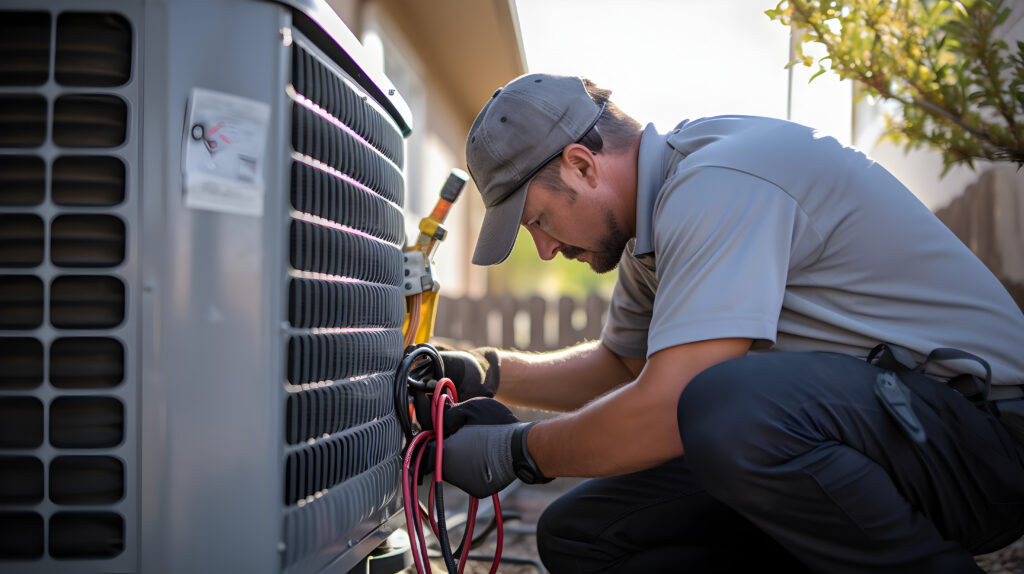
    • Install the indoor and outdoor units
    • Calibrate the thermostat and test performance
      A high-quality installation ensures the system runs smoothly and evenly distributes conditioned air throughout your home.

    4. Why Professional Installation Matters

    DIY or poorly done installations can lead to airflow problems, leaks, short cycling, and higher energy costs. Certified HVAC technicians follow manufacturer guidelines, ensuring your warranty remains valid and your system performs to its full potential.

    5. Post-Installation Care

    After installation, your technician should explain system settings, filter maintenance, and recommended service intervals.
    Scheduling your first maintenance visit within the first year helps keep the system running like new.

    Bottom line: Proper HVAC installation is about more than just setting up equipment—it’s about designing comfort and efficiency that last for years. With the right team, your new system will deliver reliable performance, cleaner air, and lower energy bills from day one. All American HVAC, Inc., 626.736.0962
  • Why Regular HVAC Service Is Essential for Comfort & Efficiency

    Why Regular HVAC Service Is Essential for Comfort & Efficiency

    Your HVAC system quietly works behind the scenes, keeping your home comfortable through every season. Yet, like any machine, it needs regular attention to perform its best. Many homeowners overlook HVAC service until something goes wrong—but routine maintenance can actually save you time, money, and frustration in the long run.

    1. Improve Efficiency and Lower Energy Bills

    Over time, dust, debris, and normal wear can cause your HVAC system to work harder than necessary. Filters clog, coils get dirty, and airflow becomes restricted. A professional service visit includes cleaning these critical components, which helps your system run more efficiently.
    An efficient system uses less energy, meaning lower monthly bills and a smaller environmental footprint.

    2. Extend the Lifespan of Your Equipment

    Your HVAC system is a big investment, and regular maintenance helps protect that investment. During a tune-up, technicians check for small issues—like worn belts or loose connections—before they become major, costly repairs.
    Think of it like taking your car in for an oil change. Preventive care keeps everything running smoothly and helps your system last years longer.

    3. Improve Indoor Air Quality

    When your HVAC system is clean, your air is cleaner, too. A dirty system circulates dust, allergens, and pollutants through your home. Replacing filters and cleaning coils during service visits ensures your family breathes healthier air.

    4. Prevent Costly Breakdowns

    There’s nothing worse than your air conditioner failing on the hottest day of summer—or your heater giving out during a cold snap. Regular service helps catch potential problems early, reducing the risk of sudden breakdowns and emergency repair bills.

    5. Enjoy Peace of Mind

    Knowing your system has been checked and tuned by professionals gives you confidence that your home will stay comfortable no matter the weather.

    Scheduling regular HVAC service keeps your system efficient, your energy bills low, and your family comfortable. Aim for a professional tune-up at least once a year—ideally in spring for your A/C and fall for your heater. It’s the easiest way to ensure comfort and reliability year-round. All American HVAC, Inc., 626.736.0962