Tag: HVAC efficiency problems

  • 🔧 Warning Signs Your HVAC Unit Is Failing

    By All American HVAC | Serving Your Area | 📞 626.736.0962
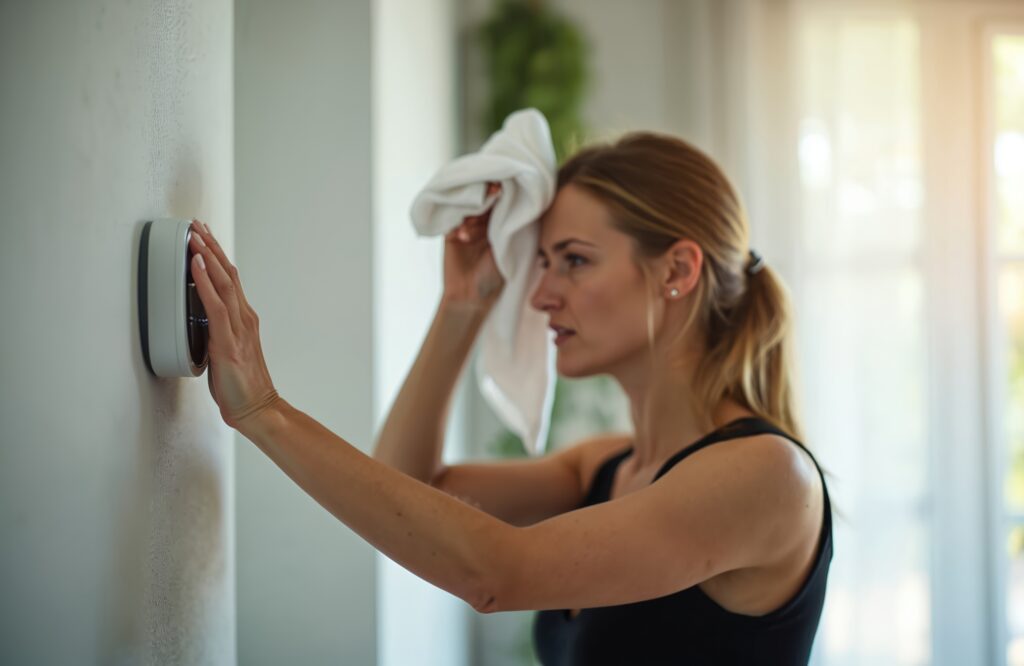
    Warning Signs Your HVAC Unit Is Failing

    Most HVAC systems don’t fail overnight—they decline gradually, giving off subtle (and sometimes not-so-subtle) warning signs along the way. The challenge is that many homeowners don’t recognize these signals until the system stops working entirely. By then, what could have been a simple repair turns into a costly emergency.

    Learning to identify the warning signs your HVAC unit is failing allows you to stay ahead of problems, protect your investment, and maintain consistent comfort in your home. In this guide, we’ll break down some of the most important signs that your system may be on its way out—and what you should do about them.


    ⚡ Electrical Issues and System Interruptions

    Electrical problems are one of the more serious indicators of HVAC failure. If your system frequently shuts down, trips the circuit breaker, or fails to start properly, it could be experiencing internal electrical issues.

    Common causes include:

    • Worn or damaged wiring
    • Failing capacitors
    • Overheating components
    • Loose electrical connections

    These issues are not only inconvenient—they can also pose safety risks if left unresolved. Electrical failures often worsen over time, leading to complete system shutdown.

    If your HVAC system is behaving unpredictably, don’t wait. Call All American HVAC at 📞 626.736.0962 to have a licensed professional inspect and diagnose the problem.


    🌪️ Declining Indoor Air Quality

    Your HVAC system plays a crucial role in maintaining your home’s air quality. When it starts to fail, one of the first things you may notice is a decline in the air you breathe.

    Signs of poor indoor air quality include:

    • Increased dust accumulation
    • Allergy symptoms becoming more frequent or severe
    • Stale or stuffy air
    • Unpleasant odors circulating through vents

    A failing HVAC system may struggle to filter contaminants or regulate humidity levels effectively. Over time, this can create an uncomfortable and unhealthy indoor environment.

    Addressing HVAC issues early helps restore not only temperature control but also the quality of your indoor air.


    🧰 Constant Repairs Are Adding Up

    Every HVAC system requires occasional maintenance and repairs. However, if you find yourself calling for service repeatedly, it’s a strong indication that your system is nearing the end of its lifespan.

    Frequent repairs often mean:

    • Multiple components are wearing out simultaneously
    • The system is losing overall efficiency
    • Repair costs are beginning to outweigh the value of the unit

    At some point, continuing to invest in repairs becomes less practical than replacing the system entirely.

    If you’re unsure whether to repair or replace, call 📞 626.736.0962. The experts at All American HVAC can help you make the most cost-effective decision.


    🌡️ Your System Struggles to Maintain Temperature

    If your HVAC system has difficulty maintaining your desired temperature, it’s a clear sign something isn’t right. You may notice that your home takes longer to cool or heat, or that the temperature fluctuates throughout the day.

    This can be caused by:

    • A failing compressor
    • Thermostat malfunctions
    • Airflow restrictions
    • Aging system components

    When your system can no longer maintain consistent temperatures, it’s working harder than it should. This leads to increased energy consumption and additional wear and tear.


    🔊 Loud or Unusual Operating Sounds

    No HVAC system is completely silent, but it should never be loud or disruptive. If you start hearing unusual noises, it’s a sign that internal components may be failing.

    Common warning sounds include:

    • Buzzing (electrical issues)
    • Clicking (control problems)
    • Rattling (loose parts)
    • Grinding (motor damage)

    Each of these sounds points to a different issue, but all of them require attention. Ignoring unusual noises can lead to more extensive damage and higher repair costs.


    💸 Energy Efficiency Is Dropping

    A noticeable drop in energy efficiency is one of the most common signs of HVAC failure. If your system is running longer than usual or your energy bills keep rising, it’s likely struggling to perform.

    This inefficiency can result from:

    • Aging components
    • Dirty filters or coils
    • Refrigerant issues
    • Mechanical wear

    An inefficient HVAC system doesn’t just cost more to operate—it also increases the likelihood of breakdown.

    Instead of continuing to pay higher utility bills, it’s often more cost-effective to address the issue early.


    🧊 AC Runs Constantly Without Cooling

    If your air conditioner seems to run non-stop but your home still feels warm, your system is no longer operating efficiently.

    This could be due to:

    • Low refrigerant levels
    • Compressor failure
    • Poor airflow
    • System aging

    When your AC can’t keep up with demand, it places constant strain on the system, accelerating wear and increasing the risk of failure.


    ⏳ Age and Wear Are Catching Up

    Even the best-maintained HVAC systems eventually wear out. Most systems are designed to last between 10 and 15 years. As they age, their performance declines and the likelihood of failure increases.

    Older systems often:

    • Require more frequent repairs
    • Lose efficiency over time
    • Struggle to maintain consistent comfort

    If your system is approaching this age range and showing multiple warning signs, it may be time to consider a replacement.


    🏠 Comfort Levels Are Declining

    At the end of the day, your HVAC system exists to keep your home comfortable. If you’re noticing that your home no longer feels as comfortable as it once did, your system may be failing.

    Signs of declining comfort include:

    • Uneven temperatures between rooms
    • Difficulty maintaining set temperatures
    • Increased humidity or dryness

    These issues indicate that your system is no longer performing at its best.


    📞 Why Early Intervention Matters

    The earlier you address HVAC problems, the easier—and more affordable—they are to fix. Waiting too long can lead to:

    • Emergency breakdowns
    • Higher repair costs
    • Reduced system lifespan
    • Greater inconvenience

    A proactive approach allows you to maintain comfort, save money, and avoid unexpected disruptions.


    📣 Strong Call to Action

    If you’ve noticed any of these warning signs your HVAC unit is failing, now is the time to act. Don’t wait for a complete system breakdown to take action.

    Call All American HVAC at 📞 626.736.0962 today to schedule a professional inspection. Whether your system needs a simple repair or a full evaluation, getting ahead of the problem will save you time, money, and stress.

    Your comfort is too important to risk—take action today and keep your HVAC system running at its best.
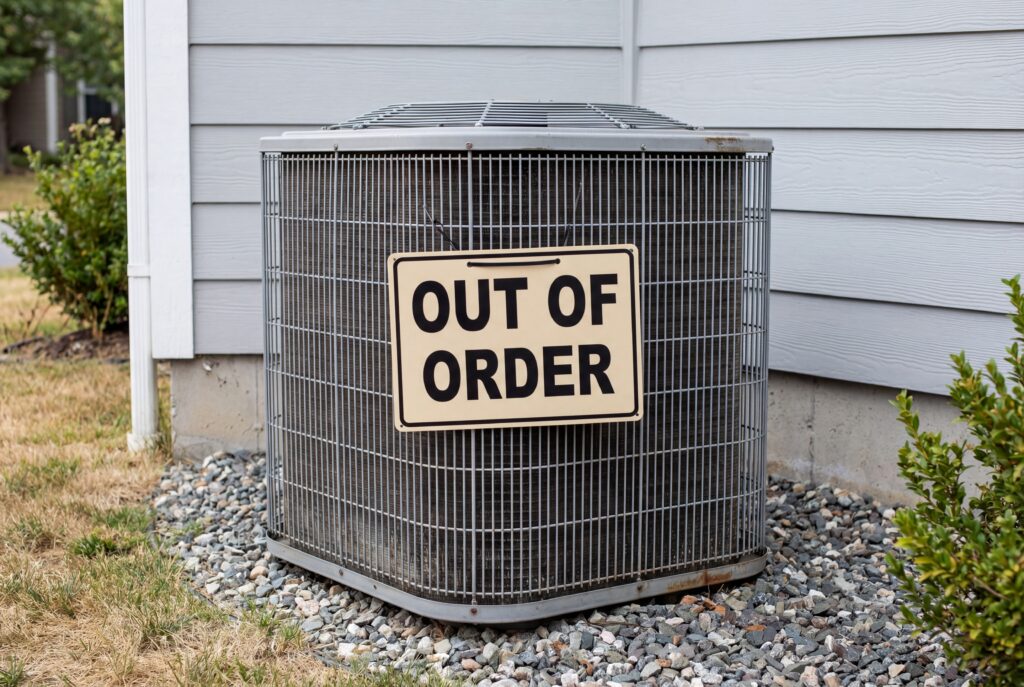
  • ❄️ Warning Signs Your HVAC Unit Is Failing

    By All American HVAC | Call 626.736.0962

    Warning Signs Your HVAC Unit Is Failing

    Your HVAC system doesn’t suddenly fail without warning. In most cases, it sends out clear signals that something is wrong—signals that many homeowners overlook until the system stops working entirely. By the time a complete breakdown happens, what could have been a simple repair often turns into a costly emergency.

    Recognizing the warning signs your HVAC unit is failing early allows you to take action before your comfort is disrupted and your wallet takes a hit. In this guide, we’ll walk through some of the most important red flags, what they mean, and why acting quickly matters.


    🧊 Your AC Isn’t Cooling Like It Used To

    One of the most obvious signs of HVAC trouble is when your air conditioner no longer cools your home effectively. You may notice that your system runs for long periods, but your home never quite reaches the temperature you set.

    This issue can stem from several underlying problems, including:

    • Low refrigerant levels due to leaks
    • Dirty or clogged evaporator coils
    • A failing compressor
    • Restricted airflow

    When your AC loses its ability to cool efficiently, it has to work harder to compensate. This not only increases energy usage but also accelerates wear and tear on the system’s components.

    If your home feels warmer than it should—even with the AC running—it’s time to call All American HVAC at 📞 626.736.0962 for a professional diagnosis.


    🔁 Short Cycling: Turning On and Off Too Frequently

    Short cycling is when your HVAC system turns on and off repeatedly without completing a full heating or cooling cycle. While it may seem like a minor inconvenience, it’s actually a serious issue that can quickly lead to system failure.

    Short cycling is often caused by:

    • An overheating system
    • A malfunctioning thermostat
    • Refrigerant issues
    • Improper system sizing

    Every time your system starts up, it uses a significant amount of energy. Frequent cycling increases stress on the system, leading to premature breakdown of key components.

    If you notice your system constantly turning on and off, don’t ignore it. Call 📞 626.736.0962 to have it inspected before the problem worsens.


    🛠️ Frequent Repairs Are Becoming the Norm

    If you’ve had to call for HVAC repairs multiple times within a short period, your system is trying to tell you something. Occasional repairs are normal, but frequent breakdowns are a major warning sign.

    Over time, older systems begin to experience:

    • Increased component failure
    • Reduced efficiency
    • Higher repair costs

    At a certain point, continuing to repair your system becomes less cost-effective than replacing it altogether.

    A good rule of thumb: if repair costs are adding up and your system is over 10 years old, it’s worth discussing replacement options with a professional.

    Call All American HVAC at 626.736.0962 for honest guidance on whether repair or replacement makes the most sense for your situation.


    🏡 Poor Indoor Air Quality Is Getting Worse

    Your HVAC system does more than regulate temperature—it also plays a key role in maintaining your home’s air quality. When your system starts to fail, you may notice a decline in the air you breathe.

    Signs of poor indoor air quality include:

    • Increased dust buildup
    • More frequent allergy symptoms
    • Stale or musty odors
    • Uneven humidity levels

    A failing HVAC system may struggle to filter out airborne particles or control moisture levels effectively. This can create an uncomfortable and potentially unhealthy indoor environment.

    Addressing HVAC issues early not only restores comfort but also improves the quality of the air in your home.


    🌡️ Uneven Cooling Throughout Your Home

    If some rooms in your home are noticeably warmer or cooler than others, your HVAC system may be losing its ability to distribute air evenly.

    Uneven cooling can be caused by:

    • Duct leaks or blockages
    • Failing internal components
    • Thermostat calibration issues
    • Aging system performance

    This imbalance forces your system to run longer cycles, which increases energy consumption and accelerates wear.

    A properly functioning HVAC system should maintain consistent temperatures across all rooms. If it’s not, it’s time for a professional evaluation.


    💡 Energy Bills Keep Climbing

    One of the most overlooked signs of HVAC failure is a steady increase in energy bills. If your usage hasn’t changed but your costs continue to rise, your system is likely losing efficiency.

    This happens because:

    • Worn components require more energy to function
    • Airflow restrictions force longer run times
    • Cooling and heating performance declines

    An inefficient system doesn’t just cost more to operate—it also puts additional strain on itself, increasing the likelihood of failure.

    Instead of continuing to pay higher utility bills month after month, it’s smarter to address the underlying issue.


    🧯 Strange Odors Coming From Your Vents

    Unusual smells coming from your HVAC system should never be ignored. Different odors can signal different types of problems.

    For example:

    • A musty smell may indicate mold or mildew in the system
    • A burning odor could point to electrical issues
    • A chemical smell might suggest a refrigerant leak

    These issues can affect both your system’s performance and your health. If you notice persistent odors, it’s important to have your system inspected immediately.


    ⏳ Your System Is Reaching the End of Its Lifespan

    Even with proper maintenance, HVAC systems don’t last forever. Most systems have a lifespan of 10–15 years. As they age, they become less reliable and more expensive to maintain.

    Older systems often:

    • Break down more frequently
    • Lose efficiency
    • Struggle to maintain consistent temperatures

    If your system is approaching or exceeding this age range and showing multiple warning signs, it may be time to consider a replacement.


    📞 Why Acting Early Saves You Money

    One of the biggest mistakes homeowners make is waiting too long to address HVAC issues. Small problems don’t stay small—they grow into larger, more expensive repairs.

    By acting early, you can:

    • Prevent emergency breakdowns
    • Reduce repair costs
    • Extend the lifespan of your system
    • Maintain consistent indoor comfort

    A simple inspection today can save you thousands tomorrow.


    📣 Strong Call to Action

    If you’ve noticed any of these warning signs your HVAC unit is failing, don’t wait until your system stops working completely.

    Call All American HVAC at 📞 626.736.0962 today for a professional inspection and expert service. Whether you need a quick repair or a full system evaluation, taking action now will protect your comfort and your investment.

    Your HVAC system is too important to ignore—schedule your service today and stay ahead of costly problems.