Tag: HVAC company

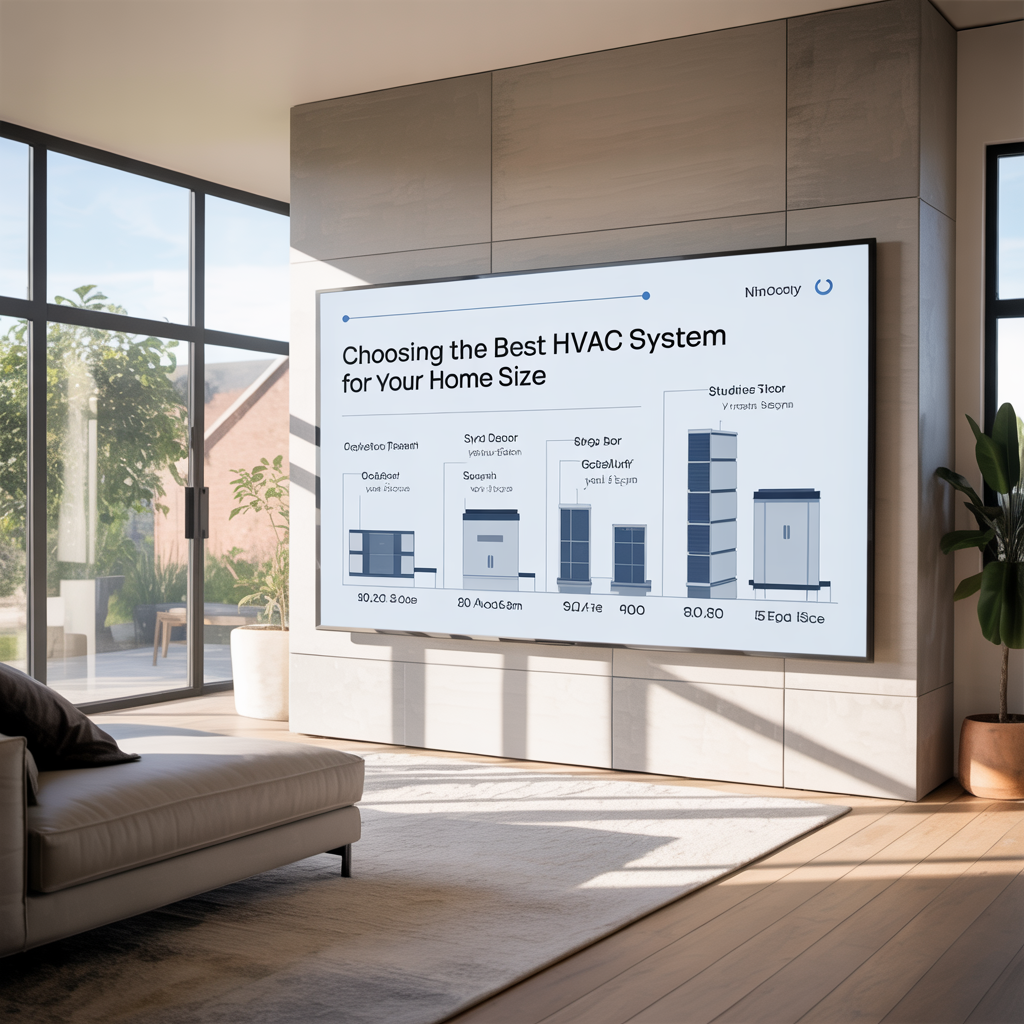
  • Choosing the Best HVAC System for Your Home Size

    choosing the best HVAC system for your home size

    Choosing the right heating, ventilation, and air conditioning (HVAC) system for your home isn’t just about comfort—it’s also about efficiency, cost savings, and long-term performance. Many homeowners underestimate the role that home size plays in determining the best system, only to face higher energy bills and uneven temperatures later on. By carefully assessing your property and understanding the connection between system capacity and square footage, you can make an informed choice that benefits both your comfort and your budget.

    HVAC system selection involves more than simply measuring your home’s square footage. Insulation, ceiling height, layout, number of rooms, window placement, and sun exposure can all affect its heating and cooling requirements.

    Whether you live in a small apartment, a mid-sized suburban home, or a large family residence, selecting equipment with the appropriate capacity is essential for efficient performance. A properly sized system can provide more consistent temperatures, support better indoor air quality, and reduce unnecessary strain on the equipment.


    Key Factors to Match HVAC Systems with Home Size

    The size of your home is one of the most important considerations when selecting an HVAC system. A system that is too small will run constantly, struggling to keep up with demand and leaving you uncomfortable on extreme weather days. On the other hand, an oversized system wastes energy by cycling on and off too often, leading to higher bills and premature wear on components. A professional load calculation, often called a Manual J calculation, accounts for not only square footage but also wall construction, number of windows, and orientation to the sun.

    Square footage is only one factor to consider when determining the proper HVAC system size. Insulation levels, ceiling height, window placement, home layout, and sun exposure can all influence heating and cooling requirements. For example, a home with vaulted ceilings or large windows that receive direct sunlight may require more cooling capacity than a similarly sized home with standard ceilings and greater shade.

    A well-insulated home may also need less heating and cooling capacity than a drafty home of the same size. Evaluating these details helps ensure the HVAC system is properly matched to the property, providing consistent indoor comfort without wasting energy or unnecessarily increasing utility costs.


    Avoiding Common Mistakes in HVAC System Selection

    One of the most common mistakes homeowners make is assuming that a larger HVAC system will provide better comfort. In reality, an oversized system may waste energy, cycle on and off too frequently, and fail to remove enough humidity from the air, leaving the home feeling cool but uncomfortably damp during the summer.

    Another common mistake is choosing equipment based on guesswork or outdated sizing guidelines. A professional load calculation considers factors such as the home’s size, insulation, windows, layout, and sun exposure. Without an accurate calculation, homeowners may experience years of inconsistent comfort, inefficient operation, and unnecessarily high utility bills.

    Another pitfall is overlooking the importance of ductwork and system compatibility. A new, efficient HVAC unit may not perform well if the home’s ductwork is leaky, undersized, or poorly designed. Homeowners should also avoid focusing exclusively on upfront purchase price, since the operating costs of an improperly sized system will outweigh any initial savings. Working with an experienced HVAC contractor who considers long-term performance, energy efficiency ratings, and comfort level will help you avoid these common errors.


    Choosing the best HVAC system for your home size comes down to balancing efficiency, comfort, and practicality. By properly matching capacity to square footage and accounting for other home characteristics, you can ensure that your system runs at peak performance without wasting energy. Avoiding common mistakes, such as oversizing or ignoring ductwork, will save you money and extend your system’s lifespan.

    Ultimately, the right HVAC system is an investment in your comfort and your home’s value. With professional guidance and a clear understanding of how home size impacts performance, you can make a choice that keeps your living space consistently comfortable throughout the year while maintaining energy efficiency for the long run. All American HVAC, Inc., 626.736.0962
  • ❄️ How to Prepare Your HVAC for Winter — Keep Your Home Cozy & Efficient

    How to Prepare Your HVAC for Winter — Keep Your Home Cozy & Efficient

    As temperatures cool down, your HVAC system becomes your home’s best friend. Preparing it properly can prevent breakdowns, save money on energy bills, and keep your family warm all winter long. At All American HVAC (📞 626.736.0962), we specialize in keeping your system running at peak performance—before problems strike.


    🌬️ 1. Replace or Clean Your Air Filters

    Dirty filters restrict airflow, forcing your system to work harder.
    ➡️ This means higher bills, reduced comfort, and even system damage.

    🔧 Winter Tip:
    Swap filters every 30–90 days, depending on usage and the type of filter.

    A simple filter change can:

    • Increase efficiency 💡
    • Improve indoor air quality 🌿
    • Extend system lifespan 🛠️

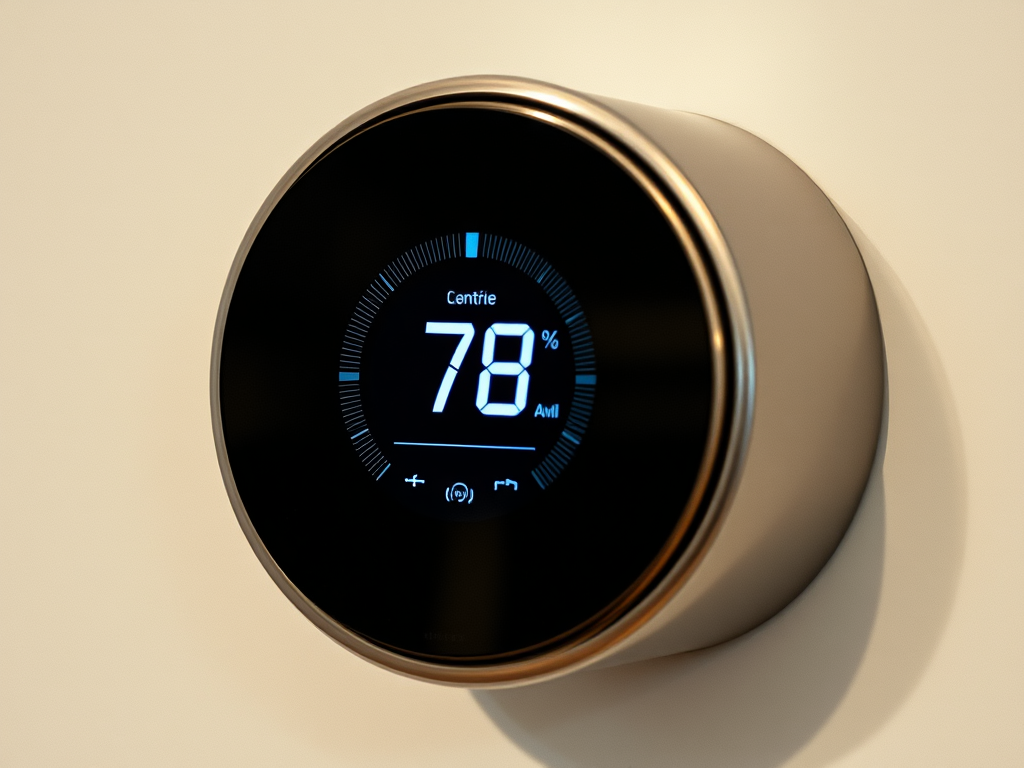
    🌡️ 2. Test Your Thermostat Before the Cold Hits

    Don’t wait for the first chilly night to discover your heater isn’t working.
    Switch your thermostat to HEAT mode and run a test for 15–20 minutes.

    💡 Pro Move:
    Upgrade to a smart or programmable thermostat.
    You’ll benefit from:

    • Lower energy costs 📉
    • Automated scheduling
    • Remote control from your phone 📱

    🧹 3. Clean Around the Indoor & Outdoor Units

    Dust, debris, and clutter can block airflow.

    🛑 Avoid storing boxes or furniture near:

    • Furnaces
    • Air handlers
    • Return vents

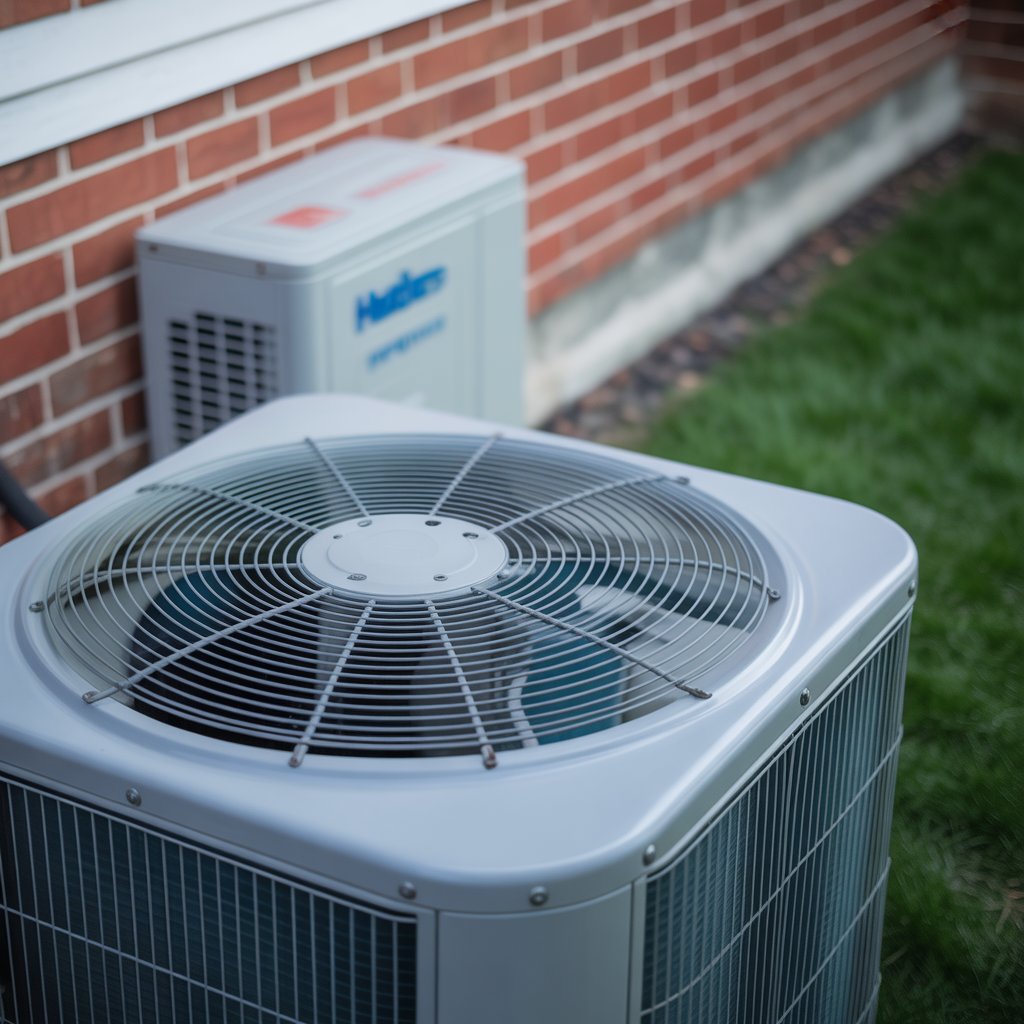
    For outdoor units:

    • Remove leaves 🍂
    • Clear snow and ice ❄️
    • Keep a 2–3 ft. clearance

    Proper airflow = better heat circulation and system efficiency.


    🧰 4. Seal Ducts and Check for Drafts

    Poorly sealed ductwork can leak warm air—meaning your system works overtime.

    ✨ Benefits of sealing ducts:

    • Up to 20–30% increased efficiency
    • More consistent temperatures throughout your home
    • Lower energy bills 💰

    Also check windows, doors, and attic insulation to keep that heat inside where it belongs.


    🔥 5. Schedule a Professional HVAC Tune-Up

    Just like your car, your HVAC system needs regular maintenance.

    A winter tune-up can prevent:
    🚨 Breakdowns
    🚨 Frozen lines
    🚨 Expensive emergency repairs

    At All American HVAC, our licensed technicians inspect:

    • Burner assemblies 🔥
    • Heat exchangers
    • Electrical components
    • Safety controls
    • Refrigerant levels
    • Airflow measurements

    💼 Peace of mind now avoids big headaches later.


    🧯 6. Check Carbon Monoxide & Smoke Detectors

    Heating systems create combustion gases.
    If something goes wrong, carbon monoxide can build up—dangerously.

    ✔️ Replace batteries
    ✔️ Test alarm functionality
    ✔️ Install detectors near sleeping areas & HVAC equipment

    Your family’s safety is priority number one. ❤️


    🌟 Final Thoughts: A Warm Home Starts with HVAC Care

    Preparing your HVAC for winter isn’t just a chore—it’s an investment in comfort, safety, and savings.
    A little preventative maintenance now can save you from costly surprises later.

    👉 For expert help, inspections, or emergency service, call
    📞 All American HVAC626.736.0962
    We’ll keep your home cozy all winter long. 🏠🔥

  • 🏡The Importance of Professional HVAC Installation

    Building Comfort That Lasts

    The Importance of Professional HVAC Installation

    When it comes to home comfort, nothing matters more than your HVAC system. Whether it’s keeping you cool in the summer or warm in the winter, your heating and cooling equipment works hard every day to maintain a comfortable, healthy indoor environment. But what many homeowners overlook is that the quality of your HVAC installation plays a huge role in how well your system performs — not just now, but for years to come.

    Why Proper HVAC Installation Matters

    Even the most advanced, high-efficiency unit can’t perform at its best if it isn’t installed correctly. HVAC systems are complex, and proper installation involves much more than connecting pipes and power lines. It’s about precision, sizing, airflow balance, and long-term efficiency.

    A poorly installed system can lead to:

    • Uneven temperatures throughout your home
    • Higher energy bills due to inefficient operation
    • Frequent breakdowns and costly repairs
    • Premature system failure

    According to Energy Star, improper installation can reduce a system’s efficiency by up to 30% — wasting energy and money from day one. That’s why choosing a certified professional is crucial.

    The Installation Process: What to Expect

    When you work with a reputable HVAC company, installation begins with a comprehensive home assessment. Technicians evaluate your home’s square footage, insulation, ductwork, and existing system to determine the correct size and type of unit for your needs.

    Next, they carefully remove your old equipment, inspect and seal ducts, and install the new system using manufacturer-approved methods. They also calibrate your thermostat, test airflow, and ensure that every component works efficiently together.

    Choosing the Right System

    Selecting the right HVAC system isn’t a one-size-fits-all process. Factors like your home’s layout, energy usage, and climate all play a role. A professional installer can help you choose between options like:

    • Central Air Systems for whole-home comfort
    • Heat Pumps for energy-efficient heating and cooling
    • Ductless Mini-Splits for targeted zone control

    Modern systems also come with smart technology, humidity control, and variable-speed motors that improve comfort and reduce energy costs.

    The Benefits of Professional Installation

    • Energy Efficiency: Correct installation ensures your system runs at peak performance.
    • Longevity: Proper setup reduces wear and tear, extending your system’s lifespan.
    • Warranty Protection: Most manufacturers require certified installation to maintain warranty coverage.
    • Better Air Quality: Properly sealed ducts and calibrated airflow improve indoor air health.

    Final Thoughts

    Investing in a professional HVAC installation isn’t just about comfort — it’s about long-term peace of mind. When done right, your system will perform efficiently, save money, and keep your home cozy for years to come.

    📞 Ready to upgrade your comfort? Contact our licensed technicians today for a free HVAC installation consultation. All American HVAC, Inc., 626.736.0962