Tag: HVAC burning smell

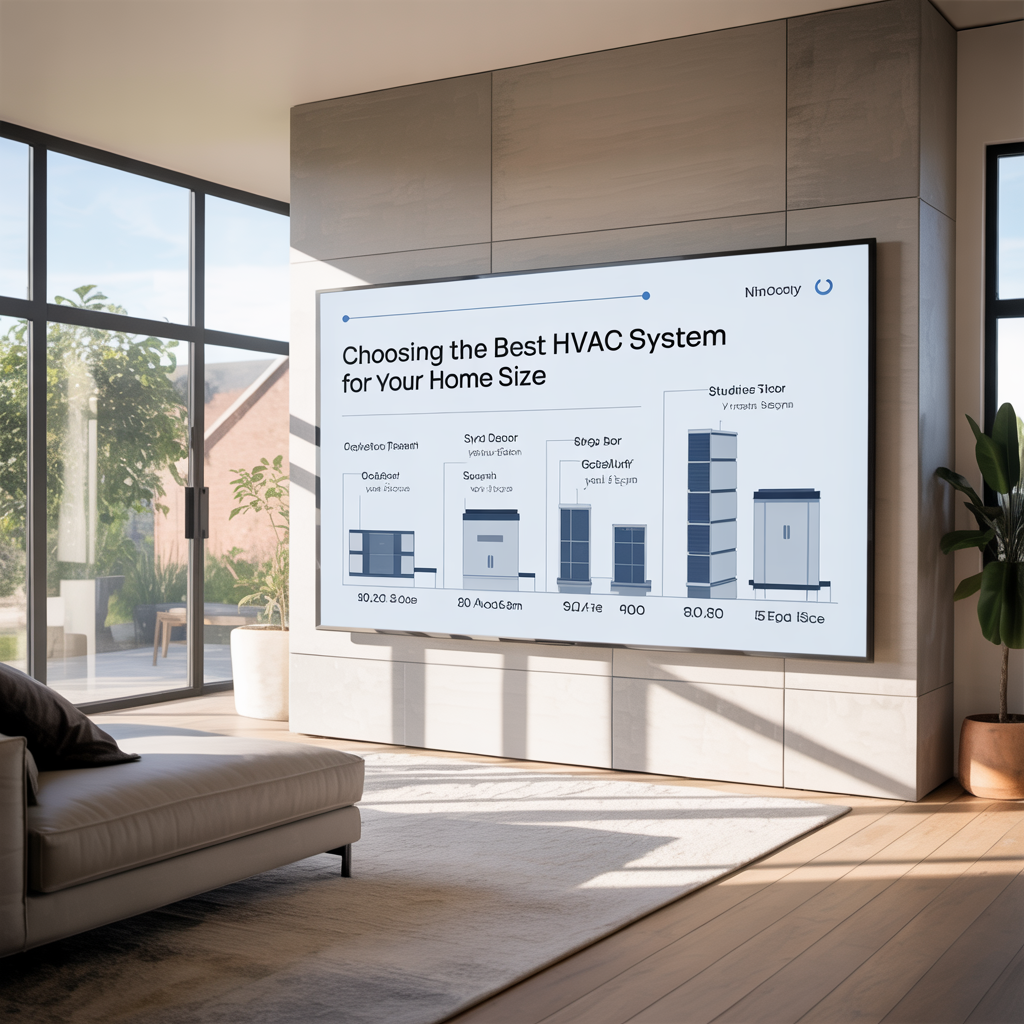
  • Choosing the Best HVAC System for Your Home Size

    choosing the best HVAC system for your home size

    Choosing the right heating, ventilation, and air conditioning (HVAC) system for your home isn’t just about comfort—it’s also about efficiency, cost savings, and long-term performance. Many homeowners underestimate the role that home size plays in determining the best system, only to face higher energy bills and uneven temperatures later on. By carefully assessing your property and understanding the connection between system capacity and square footage, you can make an informed choice that benefits both your comfort and your budget.

    HVAC system selection involves more than simply measuring your home’s square footage. Insulation, ceiling height, layout, number of rooms, window placement, and sun exposure can all affect its heating and cooling requirements.

    Whether you live in a small apartment, a mid-sized suburban home, or a large family residence, selecting equipment with the appropriate capacity is essential for efficient performance. A properly sized system can provide more consistent temperatures, support better indoor air quality, and reduce unnecessary strain on the equipment.


    Key Factors to Match HVAC Systems with Home Size

    The size of your home is one of the most important considerations when selecting an HVAC system. A system that is too small will run constantly, struggling to keep up with demand and leaving you uncomfortable on extreme weather days. On the other hand, an oversized system wastes energy by cycling on and off too often, leading to higher bills and premature wear on components. A professional load calculation, often called a Manual J calculation, accounts for not only square footage but also wall construction, number of windows, and orientation to the sun.

    Square footage is only one factor to consider when determining the proper HVAC system size. Insulation levels, ceiling height, window placement, home layout, and sun exposure can all influence heating and cooling requirements. For example, a home with vaulted ceilings or large windows that receive direct sunlight may require more cooling capacity than a similarly sized home with standard ceilings and greater shade.

    A well-insulated home may also need less heating and cooling capacity than a drafty home of the same size. Evaluating these details helps ensure the HVAC system is properly matched to the property, providing consistent indoor comfort without wasting energy or unnecessarily increasing utility costs.


    Avoiding Common Mistakes in HVAC System Selection

    One of the most common mistakes homeowners make is assuming that a larger HVAC system will provide better comfort. In reality, an oversized system may waste energy, cycle on and off too frequently, and fail to remove enough humidity from the air, leaving the home feeling cool but uncomfortably damp during the summer.

    Another common mistake is choosing equipment based on guesswork or outdated sizing guidelines. A professional load calculation considers factors such as the home’s size, insulation, windows, layout, and sun exposure. Without an accurate calculation, homeowners may experience years of inconsistent comfort, inefficient operation, and unnecessarily high utility bills.

    Another pitfall is overlooking the importance of ductwork and system compatibility. A new, efficient HVAC unit may not perform well if the home’s ductwork is leaky, undersized, or poorly designed. Homeowners should also avoid focusing exclusively on upfront purchase price, since the operating costs of an improperly sized system will outweigh any initial savings. Working with an experienced HVAC contractor who considers long-term performance, energy efficiency ratings, and comfort level will help you avoid these common errors.


    Choosing the best HVAC system for your home size comes down to balancing efficiency, comfort, and practicality. By properly matching capacity to square footage and accounting for other home characteristics, you can ensure that your system runs at peak performance without wasting energy. Avoiding common mistakes, such as oversizing or ignoring ductwork, will save you money and extend your system’s lifespan.

    Ultimately, the right HVAC system is an investment in your comfort and your home’s value. With professional guidance and a clear understanding of how home size impacts performance, you can make a choice that keeps your living space consistently comfortable throughout the year while maintaining energy efficiency for the long run. All American HVAC, Inc., 626.736.0962
  • 🚨 Warning Signs Your HVAC Unit Is Failing

    By All American HVAC | Serving Your Area | 📞 626.736.0962

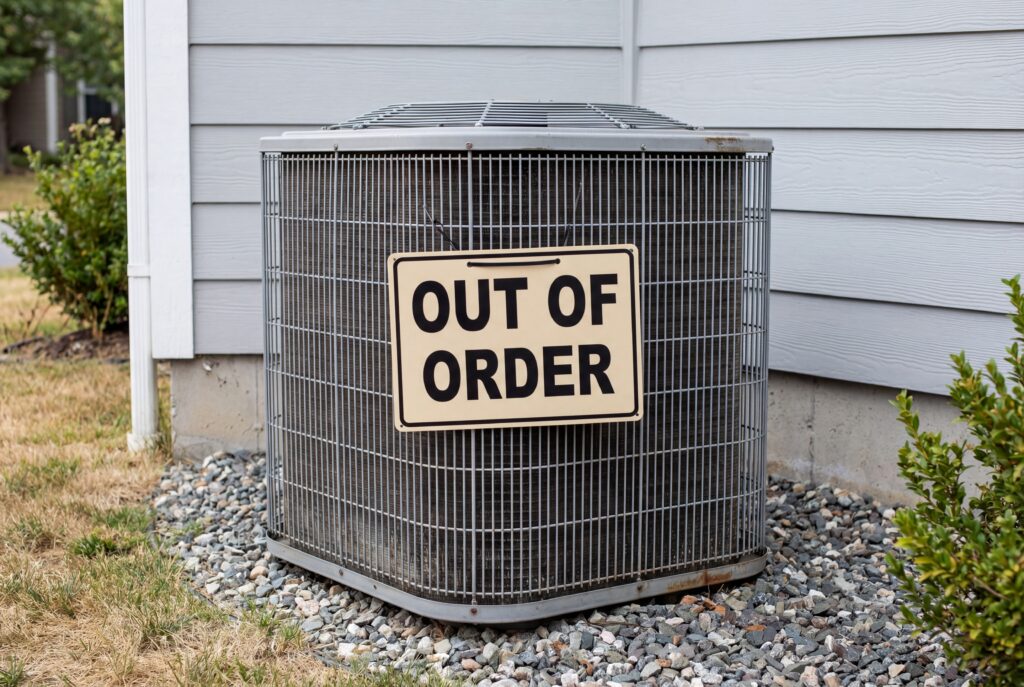
    Warning Signs Your HVAC Unit Is Failing

    Your HVAC system is one of the hardest-working systems in your home. Day after day, it keeps your indoor environment comfortable, regulates airflow, and maintains healthy air quality. But like any mechanical system, it will eventually wear down—and when it does, it won’t fail silently.

    The challenge is that many homeowners don’t recognize the warning signs until it’s too late. By the time the system stops working entirely, what could have been a manageable repair often becomes a costly emergency.

    Understanding the warning signs your HVAC unit is failing can help you act early, avoid unexpected breakdowns, and make smarter decisions about repairs or replacement.


    🧊 Frozen Evaporator Coils Are a Major Red Flag

    If you notice ice forming on your HVAC unit—especially around the evaporator coils—it’s a clear indication that something is wrong.

    Frozen coils are often caused by:

    • Restricted airflow from dirty filters
    • Low refrigerant levels due to leaks
    • Blocked or damaged ductwork

    When coils freeze, your system can’t properly absorb heat, which severely impacts cooling performance. In many cases, the system will continue running, but your home won’t get any cooler.

    Ignoring frozen coils can lead to compressor damage, one of the most expensive HVAC repairs. If you see ice forming, turn off your system and call All American HVAC at 📞 626.736.0962 immediately.


    🔥 Burning Smells Should Never Be Ignored

    A burning smell coming from your HVAC system is always a cause for concern. While it may sometimes be harmless (such as dust burning off at the start of a heating season), persistent or strong odors can signal serious issues.

    Possible causes include:

    • Electrical problems
    • Overheating components
    • Failing motors or wiring

    These issues can pose safety risks and should be addressed immediately. If you notice a burning smell that doesn’t go away, it’s critical to have your system inspected by a professional.


    💸 Repair Costs Are Becoming Too Frequent and Expensive

    Every HVAC system requires maintenance over time, but there comes a point when repair costs start to outweigh the value of the system.

    If you’re experiencing:

    • Multiple service calls within a year
    • Increasing repair costs
    • Recurring issues that don’t fully resolve

    It may be more cost-effective to consider replacing your system rather than continuing to repair it.

    A professional evaluation can help you determine whether it’s time to upgrade to a more efficient and reliable system.


    🔊 Loud Operation Is Getting Worse

    If your HVAC system has become noticeably louder over time, it’s a sign that internal components may be wearing out.

    Common noises include:

    • Grinding or scraping sounds
    • Loud buzzing or humming
    • Banging or clanking

    These sounds often indicate mechanical issues that will worsen if left untreated. Addressing them early can prevent more extensive damage.


    🛑 Your System Takes Too Long to Start

    If your HVAC system hesitates or delays when you turn it on, it could indicate underlying problems.

    Delayed startup can be caused by:

    • Electrical issues
    • Failing components
    • Thermostat malfunctions

    This hesitation is often an early sign that your system is under stress and may be approaching failure.


    🌡️ Reduced Heating or Cooling Performance

    If your system is no longer able to maintain the desired temperature in your home, it’s a clear sign that it’s losing efficiency.

    You may notice:

    • Longer run times
    • Inconsistent temperatures
    • Reduced airflow

    These issues indicate that your system is struggling to keep up with demand.


    🌫️ Indoor Air Quality Is Declining

    A failing HVAC system doesn’t just affect temperature—it also impacts the air you breathe.

    Signs of declining air quality include:

    • Increased dust buildup
    • More frequent allergy symptoms
    • Stale or musty odors

    When your system isn’t filtering air properly, it can create an uncomfortable and unhealthy indoor environment.


    🔁 System Runs Constantly Without Results

    If your HVAC system runs continuously but fails to cool or heat your home effectively, it’s a major warning sign.

    This can be caused by:

    • Refrigerant issues
    • Airflow restrictions
    • Failing internal components

    Running constantly puts excessive strain on your system and accelerates wear.


    ⏳ Your HVAC System Is Nearing the End of Its Lifespan

    Even with proper maintenance, HVAC systems typically last between 10 and 15 years. As they age, they become less efficient and more prone to breakdowns.

    Older systems often:

    • Require frequent repairs
    • Consume more energy
    • Struggle to maintain comfort

    If your system is approaching this age range and showing multiple warning signs, it may be time to consider replacement.


    🏠 Your Home No Longer Feels Comfortable

    At its core, your HVAC system is designed to keep your home comfortable. If you’re noticing that your home feels less comfortable than it used to, your system may be failing.

    Signs include:

    • Uneven temperatures
    • High humidity levels
    • Weak airflow

    These issues indicate that your system is no longer performing at its best.


    📞 Why Acting Early Is the Smart Choice

    Waiting too long to address HVAC issues can lead to:

    • Sudden system breakdowns
    • Expensive emergency repairs
    • Increased energy costs
    • Reduced system lifespan

    By recognizing the warning signs your HVAC unit is failing early, you can take proactive steps to avoid these problems.


    📣 Strong Call to Action

    If you’ve noticed any of these warning signs your HVAC unit is failing, don’t wait until your system stops working completely.

    Call All American HVAC at 📞 626.736.0962 today for expert service and a professional system evaluation. Whether you need repairs or are considering a replacement, taking action now will save you time, money, and stress.

    Your comfort and peace of mind are too important to risk—schedule your HVAC service today and stay ahead of costly breakdowns.