Tag: HVAC blowing warm air

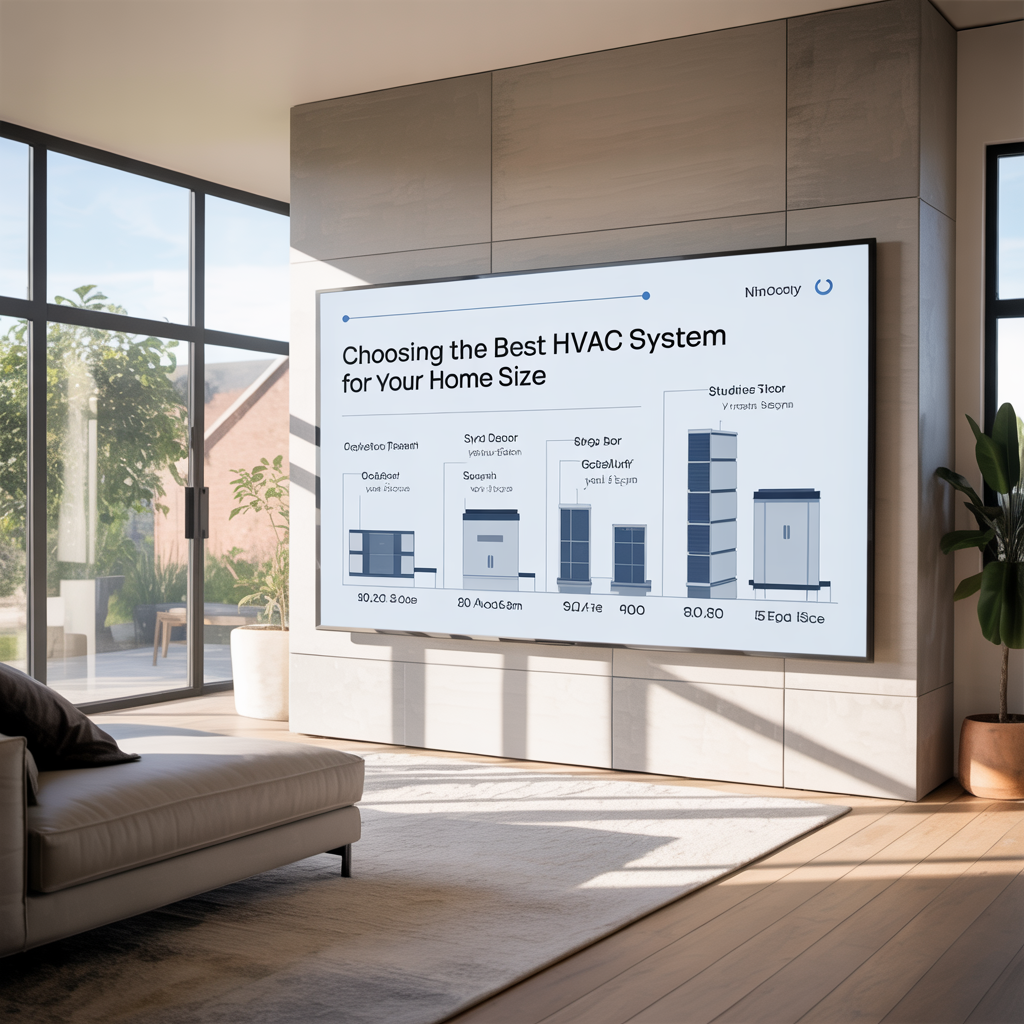
  • Choosing the Best HVAC System for Your Home Size

    choosing the best HVAC system for your home size

    Choosing the right heating, ventilation, and air conditioning (HVAC) system for your home isn’t just about comfort—it’s also about efficiency, cost savings, and long-term performance. Many homeowners underestimate the role that home size plays in determining the best system, only to face higher energy bills and uneven temperatures later on. By carefully assessing your property and understanding the connection between system capacity and square footage, you can make an informed choice that benefits both your comfort and your budget.

    HVAC system selection involves more than simply measuring your home’s square footage. Insulation, ceiling height, layout, number of rooms, window placement, and sun exposure can all affect its heating and cooling requirements.

    Whether you live in a small apartment, a mid-sized suburban home, or a large family residence, selecting equipment with the appropriate capacity is essential for efficient performance. A properly sized system can provide more consistent temperatures, support better indoor air quality, and reduce unnecessary strain on the equipment.


    Key Factors to Match HVAC Systems with Home Size

    The size of your home is one of the most important considerations when selecting an HVAC system. A system that is too small will run constantly, struggling to keep up with demand and leaving you uncomfortable on extreme weather days. On the other hand, an oversized system wastes energy by cycling on and off too often, leading to higher bills and premature wear on components. A professional load calculation, often called a Manual J calculation, accounts for not only square footage but also wall construction, number of windows, and orientation to the sun.

    Square footage is only one factor to consider when determining the proper HVAC system size. Insulation levels, ceiling height, window placement, home layout, and sun exposure can all influence heating and cooling requirements. For example, a home with vaulted ceilings or large windows that receive direct sunlight may require more cooling capacity than a similarly sized home with standard ceilings and greater shade.

    A well-insulated home may also need less heating and cooling capacity than a drafty home of the same size. Evaluating these details helps ensure the HVAC system is properly matched to the property, providing consistent indoor comfort without wasting energy or unnecessarily increasing utility costs.


    Avoiding Common Mistakes in HVAC System Selection

    One of the most common mistakes homeowners make is assuming that a larger HVAC system will provide better comfort. In reality, an oversized system may waste energy, cycle on and off too frequently, and fail to remove enough humidity from the air, leaving the home feeling cool but uncomfortably damp during the summer.

    Another common mistake is choosing equipment based on guesswork or outdated sizing guidelines. A professional load calculation considers factors such as the home’s size, insulation, windows, layout, and sun exposure. Without an accurate calculation, homeowners may experience years of inconsistent comfort, inefficient operation, and unnecessarily high utility bills.

    Another pitfall is overlooking the importance of ductwork and system compatibility. A new, efficient HVAC unit may not perform well if the home’s ductwork is leaky, undersized, or poorly designed. Homeowners should also avoid focusing exclusively on upfront purchase price, since the operating costs of an improperly sized system will outweigh any initial savings. Working with an experienced HVAC contractor who considers long-term performance, energy efficiency ratings, and comfort level will help you avoid these common errors.


    Choosing the best HVAC system for your home size comes down to balancing efficiency, comfort, and practicality. By properly matching capacity to square footage and accounting for other home characteristics, you can ensure that your system runs at peak performance without wasting energy. Avoiding common mistakes, such as oversizing or ignoring ductwork, will save you money and extend your system’s lifespan.

    Ultimately, the right HVAC system is an investment in your comfort and your home’s value. With professional guidance and a clear understanding of how home size impacts performance, you can make a choice that keeps your living space consistently comfortable throughout the year while maintaining energy efficiency for the long run. All American HVAC, Inc., 626.736.0962
  • 🚧 Warning Signs Your HVAC Unit Is Failing

    By All American HVAC | Serving Your Area | 📞 626.736.0962

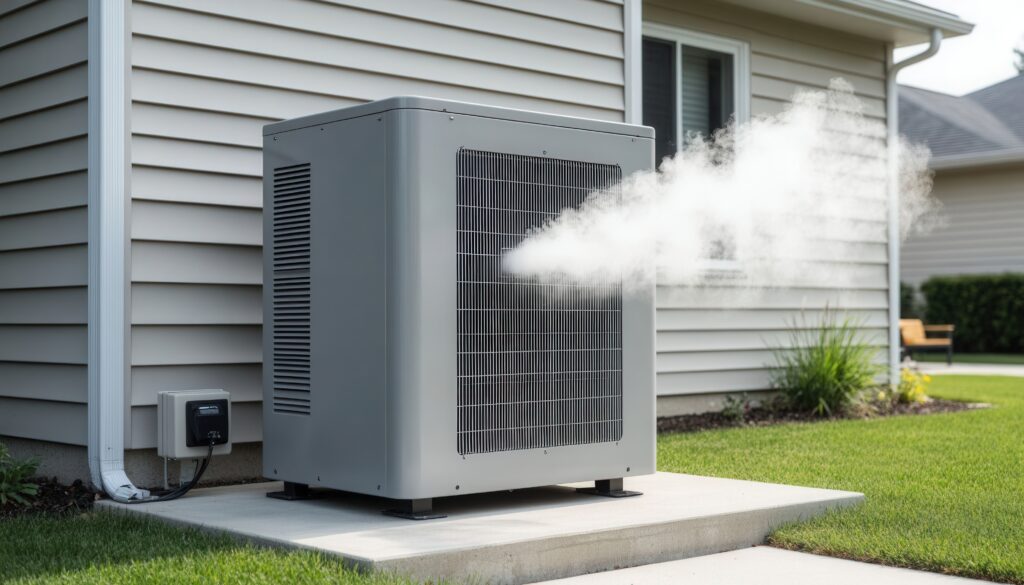
    Warning Signs Your HVAC Unit Is Failing

    Your HVAC system is built to handle years of heating and cooling demands, but no system is immune to wear and tear. Over time, even a well-maintained unit will begin to show signs of decline. The key to avoiding costly breakdowns is knowing what to look for—and acting before those signs turn into serious problems.

    Many homeowners assume HVAC failure happens suddenly, but in reality, your system provides plenty of warning signals along the way. Recognizing these warning signs your HVAC unit is failing allows you to take proactive steps, avoid emergencies, and maintain consistent comfort in your home.

    In this post, we’ll explore additional warning signs that often go unnoticed but can signal that your HVAC system is nearing failure.


    🧊 Your System Produces Lukewarm Air Instead of Cold or Hot

    One of the clearest signs of HVAC trouble is when your system is running, but the air coming out of your vents isn’t the temperature it should be.

    You may notice:

    • Your AC is blowing lukewarm or slightly cool air instead of cold
    • Your heater is producing air that feels barely warm
    • The system runs, but your home never reaches the desired temperature

    This issue can be caused by:

    • Low refrigerant levels
    • Failing compressors
    • Heating element problems
    • Airflow restrictions

    When your system can’t produce the proper temperature, it has to run longer to compensate. This not only increases energy costs but also accelerates system wear.

    If your HVAC system isn’t delivering the right temperature, it’s time to call All American HVAC at 📞 626.736.0962 for a professional inspection.


    🔁 Your HVAC System Runs Nonstop

    An HVAC system that runs constantly without shutting off is a major warning sign. While it may seem like your system is just working hard, it’s actually struggling to keep up.

    This can happen due to:

    • Reduced efficiency from aging components
    • Thermostat issues
    • Refrigerant problems
    • Airflow restrictions

    When your system runs nonstop, it experiences continuous strain, which increases the risk of breakdown and shortens its lifespan.


    🔊 New Noises Appear Over Time

    As HVAC systems age, they often begin to make new or louder noises. These sounds are your system’s way of signaling that something is wrong.

    Common warning noises include:

    • Buzzing (electrical issues)
    • Clicking (control or relay problems)
    • Hissing (possible refrigerant leaks)
    • Clanking (loose or broken components)

    These noises rarely go away on their own. Instead, they usually get worse over time, leading to more serious damage.


    💨 Airflow Feels Different Than It Used To

    Even if airflow is still present, changes in how it feels can indicate a problem. You might notice that air pressure is lower, airflow is inconsistent, or certain vents don’t perform as well as they used to.

    This can be caused by:

    • Ductwork issues
    • Blower motor wear
    • Internal system inefficiencies

    Subtle airflow changes are often overlooked, but they’re one of the earliest signs that your HVAC system is declining.


    🧾 Your Energy Bills Spike During Normal Use

    If your energy bills increase significantly without any change in usage, your HVAC system may be losing efficiency.

    As systems age or develop problems, they require more energy to produce the same results. This leads to:

    • Higher monthly costs
    • Increased system strain
    • Reduced overall efficiency

    Addressing efficiency issues early can prevent long-term financial strain.


    🌫️ Your Home Feels Stuffy or Stale

    A properly functioning HVAC system keeps air circulating and fresh. If your home begins to feel stuffy or stale, your system may not be doing its job effectively.

    This can indicate:

    • Poor airflow
    • Failing components
    • Air filtration issues

    Indoor air quality is closely tied to HVAC performance, and a decline in air freshness is often a sign of system trouble.


    💧 Moisture Issues or Condensation Appear

    Unexpected moisture around your HVAC unit or inside your home can signal a problem.

    You may notice:

    • Water pooling near the unit
    • Increased indoor humidity
    • Condensation on windows

    These issues can be caused by:

    • Blocked drain lines
    • Refrigerant leaks
    • System inefficiency

    Moisture problems should never be ignored, as they can lead to mold growth and structural damage.


    🛠️ Your System Feels Less Reliable Overall

    Sometimes, the biggest sign of HVAC failure isn’t a single issue—it’s a general sense that the system isn’t as reliable as it used to be.

    You might find that:

    • Performance is inconsistent
    • Small problems keep appearing
    • Comfort levels fluctuate

    This overall decline often indicates that multiple components are wearing out simultaneously.


    ⏳ Your HVAC System Is Showing Its Age

    As your HVAC system gets older, it naturally becomes less efficient and more prone to failure.

    Older systems often:

    • Require more frequent maintenance
    • Consume more energy
    • Struggle to maintain consistent comfort

    If your system is over 10–15 years old and showing these warning signs, it may be time to start planning for replacement.


    🏠 Comfort Is No Longer Predictable

    Your HVAC system should provide consistent comfort. If your home’s temperature and air quality feel unpredictable, your system may be failing.

    Signs include:

    • Fluctuating temperatures
    • Uneven airflow
    • Inconsistent performance

    These issues indicate that your system is no longer operating reliably.


    📞 Why Early Detection Matters

    Ignoring HVAC warning signs can lead to:

    • Sudden breakdowns
    • Expensive emergency repairs
    • Increased energy bills
    • Reduced system lifespan

    Recognizing the warning signs your HVAC unit is failing early allows you to take action before problems escalate.


    📣 Strong Call to Action

    If you’ve noticed any of these warning signs your HVAC unit is failing, don’t wait until your system stops working completely.

    Call All American HVAC at 📞 626.736.0962 today for expert HVAC service and a professional system evaluation. Whether you need a repair or are considering a replacement, taking action now will help you avoid costly problems and maintain comfort in your home.

    Your HVAC system is essential to your daily comfort—make sure it’s performing at its best.