Tag: HVAC airflow problems

  • 💨 How to Improve Airflow This Summer in La Verne

    By All American HVAC | La Verne | 626.736.0962

    How to Improve Airflow This Summer in La Verne

    When summer temperatures rise, your air conditioner must distribute cool air throughout your home efficiently. If certain rooms feel warmer than others, airflow from the vents seems weak, or the system runs for long periods without reaching the thermostat setting, you may have an HVAC airflow problem.

    Proper airflow is essential for comfort, energy efficiency, indoor air quality, and reliable air-conditioning performance. Restricted circulation forces your HVAC system to work harder to move conditioned air, potentially increasing energy consumption and placing additional stress on important components.

    Fortunately, some airflow problems have simple solutions. Others may involve the blower, ductwork, return-air system, or equipment sizing and require professional diagnosis. Here is how All American HVAC is helping La Verne homeowners can improve airflow and enjoy more consistent cooling this summer.

    🧹 Replace a Dirty HVAC Air Filter

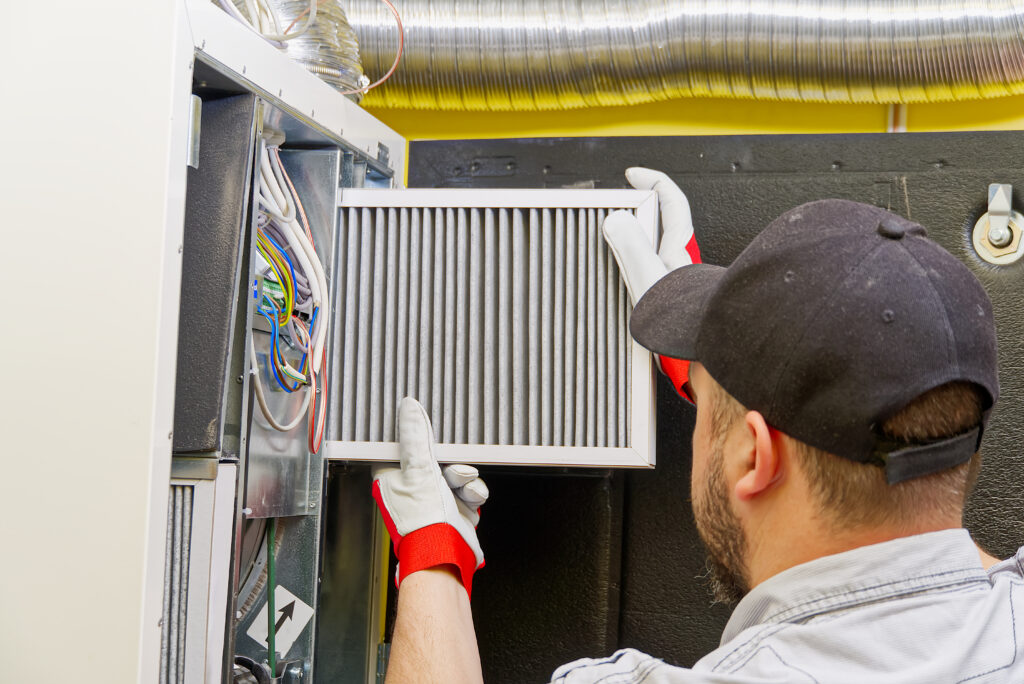
    A clogged air filter is one of the most common causes of weak airflow from HVAC vents. Your system’s filter captures dust, hair, pollen, and other airborne particles before they circulate through the equipment and your home. As debris accumulates, the filter can become increasingly difficult for air to pass through.

    Restricted airflow may cause:

    • Weak air coming from supply vents
    • Longer cooling cycles
    • Uneven indoor temperatures
    • Increased strain on the blower
    • Higher energy consumption
    • Reduced cooling performance

    Check your HVAC filter regularly during the summer, when your air conditioner may operate more frequently. Replace it according to the filter manufacturer’s instructions and the needs of your household.

    Homes with pets, ongoing construction, or higher dust levels may require more frequent filter changes. However, installing a filter that is too restrictive for your particular HVAC system can also interfere with airflow. If you are unsure which filter is appropriate, contact All American HVAC at 626.736.0962 for guidance.

    🛋️ Keep Supply Vents Open and Unobstructed

    Walk through your home and inspect every supply vent. Furniture, rugs, curtains, boxes, and other household items can partially or completely block airflow without homeowners realizing it.

    Move objects away from the vents so conditioned air can enter each room freely. It is also helpful to remove visible dust from vent covers. Dust buildup may not always be the primary cause of a major airflow problem, but clean, unobstructed registers support better circulation.

    Avoid closing multiple vents in unused rooms as a way to reduce cooling costs. Residential HVAC systems are designed to move a particular volume of air. Closing too many vents can increase pressure inside the ductwork and may contribute to comfort or performance problems.

    For effective summer HVAC airflow, keep supply registers open unless an HVAC professional has recommended a specific balancing adjustment.

    🏠 Do Not Block Return-Air Grilles

    Supply vents deliver conditioned air, while return-air grilles allow indoor air to travel back to the HVAC system. Both sides of this circulation process are essential.

    A return grille blocked by furniture or household items can limit the amount of air available to the system. This restriction may reduce cooling performance throughout the home rather than affecting only one room.

    Leave adequate open space around return-air grilles. If your home consistently has rooms that feel stuffy, doors that move when the system starts, or noticeable pressure differences between rooms, the property may have an inadequate return-air pathway.

    Bedrooms with closed doors can be particularly susceptible to return-air problems. A qualified technician can evaluate whether the current return system supports proper circulation throughout your La Verne home.

    🌬️ Use Ceiling Fans to Improve Room Circulation

    Ceiling fans do not lower the actual temperature of a room, but they move air across your skin and can make the space feel more comfortable. They can also help distribute cooled air more evenly.

    During the summer, set ceiling fans to rotate in the direction that pushes air downward. Turn fans off when rooms are unoccupied because the cooling sensation benefits people rather than lowering the temperature of an empty space.

    Ceiling fans should support your air conditioner, not compensate for severely restricted vent airflow. If little air is coming from the registers, the underlying HVAC problem should still be investigated.

    🚪 Improve Air Movement Between Rooms

    Your home needs clear pathways for air to travel from supply vents back to the return-air system. Closed interior doors may interrupt that path, especially in rooms without dedicated return grilles.

    Leaving doors slightly open may improve circulation in some homes. Door undercuts, transfer grilles, jump ducts, or additional return-air provisions may offer more permanent solutions when room pressure is a recurring concern.

    Do not modify doors, walls, or ductwork without understanding how the change may affect comfort, sound transfer, privacy, and system performance. An HVAC evaluation can determine whether poor return circulation is contributing to hot rooms during summer.

    ☀️ Reduce Heat Gain Inside Your Home

    Reducing the amount of heat entering your home can make it easier for the cooling system to maintain comfortable temperatures. Although this does not directly increase airflow, it may reduce the cooling demand placed on the system.

    Helpful steps include:

    • Closing blinds or curtains during the hottest part of the day
    • Using heat-producing appliances during cooler hours when practical
    • Sealing obvious gaps around doors and windows
    • Checking accessible areas for damaged weatherstripping
    • Using ceiling fans in occupied rooms
    • Avoiding unnecessary exterior-door openings

    If one room remains unusually warm despite these efforts, the cause may involve insufficient duct airflow, air leakage, insulation conditions, window exposure, or another property-specific factor.

    🔧 Have the Blower and Indoor Equipment Inspected

    The blower moves air through your HVAC system and into the ductwork. If the blower wheel is dirty, the motor is not performing correctly, or the system has an electrical or control problem, airflow may suffer.

    Indoor equipment can also accumulate dust and debris over time. Restricted airflow across internal components may affect both comfort and system operation.

    Because HVAC equipment contains electrical components and moving parts, internal inspection and cleaning should be handled by a trained professional. All American HVAC can evaluate blower operation and other system conditions to determine why airflow is weak.

    Call 626.736.0962 if your system makes unusual noises, produces very little airflow, or struggles to cool your home.

    🕳️ Check for Leaking or Damaged Ductwork

    Your air conditioner can produce cool air correctly and still leave rooms uncomfortable if that air escapes through damaged ducts before reaching the vents.

    Ductwork problems may include:

    • Disconnected duct sections
    • Crushed or kinked flexible ducts
    • Loose connections
    • Gaps around joints
    • Deteriorated duct materials
    • Air leakage into attics, crawl spaces, or other unconditioned areas

    Signs of leaking HVAC ductwork may include weak airflow, rooms that are consistently difficult to cool, excessive dust, or a noticeable increase in cooling costs.

    Some ducts are difficult or unsafe for homeowners to access. A professional duct inspection can identify damaged areas and determine whether repair, sealing, or replacement is appropriate.

    ⚖️ Consider Professional Airflow Balancing

    If some rooms receive strong airflow while others receive very little, the system may need HVAC airflow balancing. Balancing involves evaluating how conditioned air is distributed through the duct system and making appropriate adjustments.

    The process may include inspecting registers, dampers, ducts, blower performance, and return-air pathways. The objective is to improve comfort throughout the home while maintaining suitable airflow across the HVAC equipment.

    Simply closing vents in comfortable rooms is not a substitute for professional balancing. Random changes can alter duct pressure without correcting the underlying cause.

    📏 Make Sure the HVAC System Is Properly Sized

    A system that is too small may struggle to satisfy the home’s cooling demand during hot weather. A system that is too large may cool the air quickly but operate in short cycles, potentially contributing to uneven comfort and inadequate humidity control.

    Equipment size should not be determined by square footage alone. Home layout, insulation, windows, air leakage, orientation, duct design, and other factors can affect cooling requirements.

    If airflow and comfort problems have existed since the equipment was installed, improper HVAC sizing or duct design may be part of the issue. A professional assessment can help distinguish an equipment-sizing concern from maintenance, duct, or blower problems.

    🛠️ Schedule Preventive Air-Conditioning Maintenance

    Preventive maintenance helps identify conditions that can interfere with cooling performance before they develop into more disruptive problems.

    During a professional evaluation, a technician may inspect relevant system components, check operating conditions, assess airflow concerns, and look for visible signs of wear or restriction. The exact service performed will depend on your equipment and its condition.

    Scheduling maintenance before or during the cooling season can help your air conditioner operate more effectively when your household needs it most.

    ⚠️ Know When Weak Airflow Requires Professional Help

    Contact an HVAC professional when you notice:

    • Little or no air coming from multiple vents
    • Persistent hot or cold rooms
    • An air conditioner that runs almost continuously
    • Unusual noises from the indoor equipment
    • Sudden changes in airflow
    • Repeated filter problems
    • Large temperature differences between rooms
    • Visible duct damage
    • Cooling performance that continues to decline

    Weak airflow should not be ignored. Continuing to operate a system with a significant restriction may increase energy use and place unnecessary strain on the equipment.

    📞 Improve Your La Verne Home’s Airflow Today

    Better airflow can help your home feel more comfortable, improve temperature consistency, and support efficient air-conditioner operation throughout the summer.

    Start with the basics: check the air filter, open the supply vents, clear return-air grilles, and use ceiling fans in occupied rooms. If weak airflow or uneven cooling continues, the cause may involve the blower, ductwork, return-air system, or equipment design.

    All American HVAC helps La Verne homeowners identify the source of summer air-conditioning airflow problems and determine the appropriate next step.

    For a professional HVAC evaluation, call All American HVAC at 626.736.0962. Do not let weak vents or persistent hot rooms interfere with your summer comfort.

  • Choosing the Best HVAC System for Your Home Size

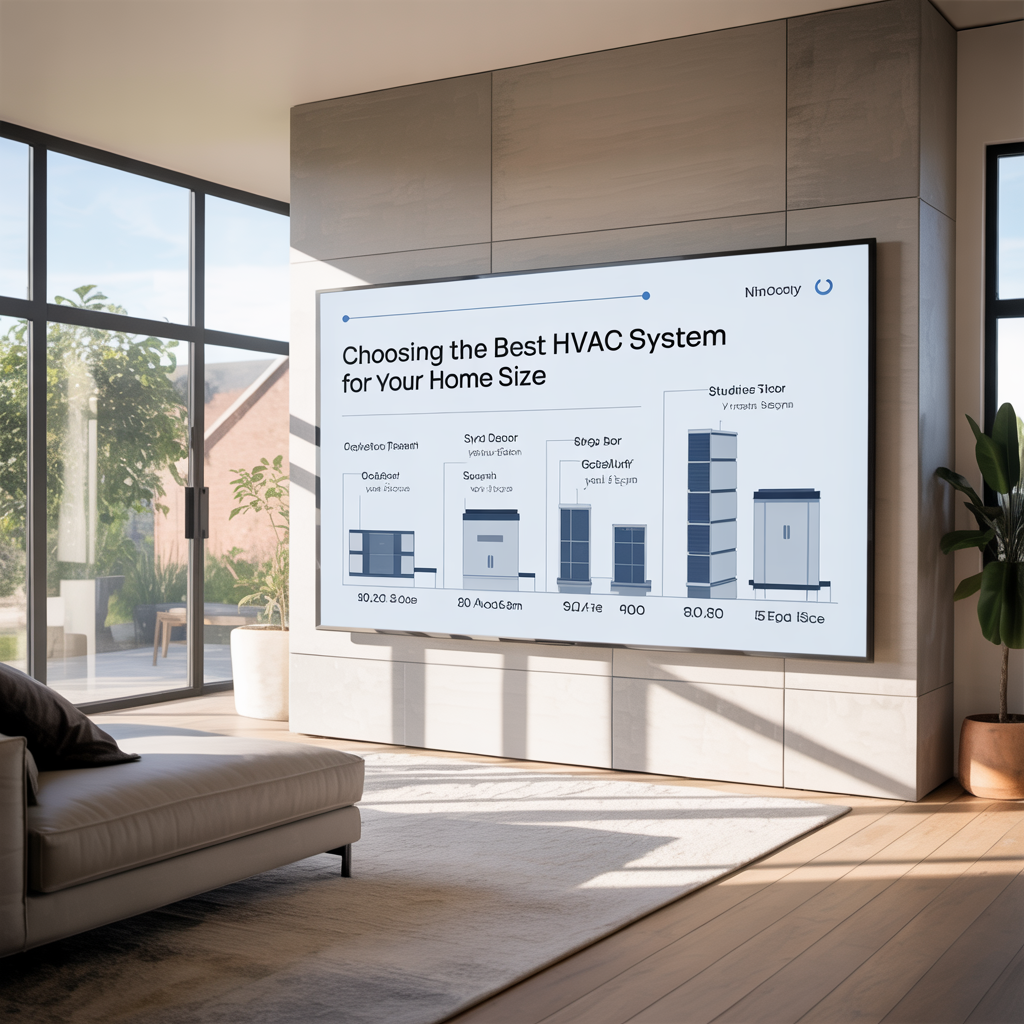
    choosing the best HVAC system for your home size

    Choosing the right heating, ventilation, and air conditioning (HVAC) system for your home isn’t just about comfort—it’s also about efficiency, cost savings, and long-term performance. Many homeowners underestimate the role that home size plays in determining the best system, only to face higher energy bills and uneven temperatures later on. By carefully assessing your property and understanding the connection between system capacity and square footage, you can make an informed choice that benefits both your comfort and your budget.

    HVAC system selection involves more than simply measuring your home’s square footage. Insulation, ceiling height, layout, number of rooms, window placement, and sun exposure can all affect its heating and cooling requirements.

    Whether you live in a small apartment, a mid-sized suburban home, or a large family residence, selecting equipment with the appropriate capacity is essential for efficient performance. A properly sized system can provide more consistent temperatures, support better indoor air quality, and reduce unnecessary strain on the equipment.


    Key Factors to Match HVAC Systems with Home Size

    The size of your home is one of the most important considerations when selecting an HVAC system. A system that is too small will run constantly, struggling to keep up with demand and leaving you uncomfortable on extreme weather days. On the other hand, an oversized system wastes energy by cycling on and off too often, leading to higher bills and premature wear on components. A professional load calculation, often called a Manual J calculation, accounts for not only square footage but also wall construction, number of windows, and orientation to the sun.

    Square footage is only one factor to consider when determining the proper HVAC system size. Insulation levels, ceiling height, window placement, home layout, and sun exposure can all influence heating and cooling requirements. For example, a home with vaulted ceilings or large windows that receive direct sunlight may require more cooling capacity than a similarly sized home with standard ceilings and greater shade.

    A well-insulated home may also need less heating and cooling capacity than a drafty home of the same size. Evaluating these details helps ensure the HVAC system is properly matched to the property, providing consistent indoor comfort without wasting energy or unnecessarily increasing utility costs.


    Avoiding Common Mistakes in HVAC System Selection

    One of the most common mistakes homeowners make is assuming that a larger HVAC system will provide better comfort. In reality, an oversized system may waste energy, cycle on and off too frequently, and fail to remove enough humidity from the air, leaving the home feeling cool but uncomfortably damp during the summer.

    Another common mistake is choosing equipment based on guesswork or outdated sizing guidelines. A professional load calculation considers factors such as the home’s size, insulation, windows, layout, and sun exposure. Without an accurate calculation, homeowners may experience years of inconsistent comfort, inefficient operation, and unnecessarily high utility bills.

    Another pitfall is overlooking the importance of ductwork and system compatibility. A new, efficient HVAC unit may not perform well if the home’s ductwork is leaky, undersized, or poorly designed. Homeowners should also avoid focusing exclusively on upfront purchase price, since the operating costs of an improperly sized system will outweigh any initial savings. Working with an experienced HVAC contractor who considers long-term performance, energy efficiency ratings, and comfort level will help you avoid these common errors.


    Choosing the best HVAC system for your home size comes down to balancing efficiency, comfort, and practicality. By properly matching capacity to square footage and accounting for other home characteristics, you can ensure that your system runs at peak performance without wasting energy. Avoiding common mistakes, such as oversizing or ignoring ductwork, will save you money and extend your system’s lifespan.

    Ultimately, the right HVAC system is an investment in your comfort and your home’s value. With professional guidance and a clear understanding of how home size impacts performance, you can make a choice that keeps your living space consistently comfortable throughout the year while maintaining energy efficiency for the long run. All American HVAC, Inc., 626.736.0962

  • 🌀 Warning Signs Your HVAC Unit Is Failing

    By All American HVAC | Serving Your Area | 📞 626.736.0962
    🌀 Warning Signs Your HVAC Unit Is Failing

    Most homeowners don’t think about their HVAC system until something goes wrong. The reality is, your system is constantly working behind the scenes to keep your home comfortable—and when it begins to fail, it doesn’t usually happen all at once. Instead, it gives off a series of warning signs that, if recognized early, can help you avoid costly repairs or a complete breakdown.

    Understanding the warning signs your HVAC unit is failing allows you to take control before small issues turn into major problems. In this post, we’ll walk through some of the more subtle—but equally important—signals that your HVAC system may be nearing the end of its life.


    🏠 Hot and Cold Spots Throughout Your Home

    One of the most frustrating signs of HVAC trouble is uneven temperatures. You might notice that one room feels perfectly comfortable while another is too hot or too cold.

    This issue often develops gradually, making it easy to overlook at first. However, it’s a strong indication that your system is no longer distributing air properly.

    Common causes include:

    • Leaky or damaged ductwork
    • Airflow restrictions
    • Aging system components
    • Improper system balancing

    When your HVAC system can’t maintain consistent temperatures, it has to work harder to compensate. This leads to increased wear and higher energy bills.

    If your home no longer feels evenly comfortable, it’s time to call All American HVAC at 📞 626.736.0962 for a thorough inspection.


    🌬️ Airflow Feels Weak or Inconsistent

    Weak airflow is one of the clearest signs that something is wrong with your HVAC system. You may notice that air coming from your vents feels faint or inconsistent, even when the system is running.

    This can be caused by:

    • Clogged air filters
    • Blocked or leaking ducts
    • A failing blower motor
    • Internal mechanical issues

    Reduced airflow doesn’t just affect comfort—it forces your system to run longer cycles, increasing energy consumption and accelerating wear.

    Ignoring airflow issues can lead to more serious problems, including system overheating and component failure.


    🧾 Energy Bills Continue to Rise

    A steady increase in your energy bills is often one of the first financial indicators that your HVAC system is failing.

    As systems age or develop issues, they lose efficiency and require more energy to maintain the same level of comfort. This can result from:

    • Worn-out components
    • Dirty coils or filters
    • Refrigerant problems
    • Airflow restrictions

    If your utility bills are climbing without any change in usage, your HVAC system is likely working harder than it should.

    Addressing efficiency issues early can help you avoid unnecessary costs and extend the life of your system.


    🔧 The System Requires Frequent Repairs

    Every HVAC system needs occasional maintenance, but frequent repairs are a major red flag. If you’ve had to call for service multiple times within a short period, your system may be nearing the end of its lifespan.

    Frequent repairs often indicate:

    • Multiple components are failing
    • The system is losing reliability
    • Repair costs are adding up quickly

    At a certain point, continuing to repair an aging system becomes less practical than replacing it.

    If you’re unsure whether to repair or replace, call 📞 626.736.0962. The team at All American HVAC can help you make an informed decision based on your system’s condition.


    🔊 Strange Sounds Are Becoming More Common

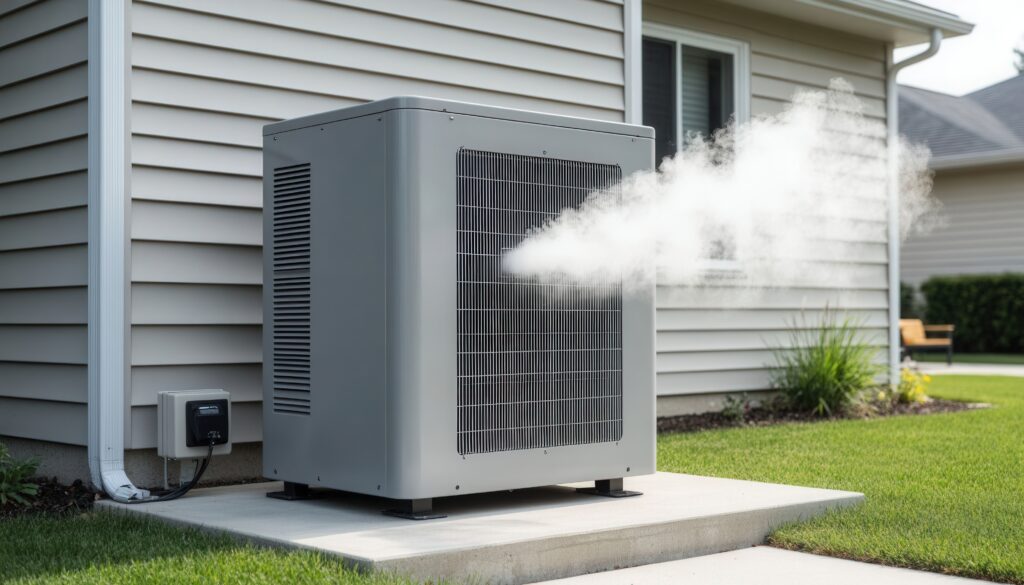
    While HVAC systems aren’t completely silent, they should never produce loud or unusual noises. If you’re hearing new or worsening sounds, it’s a sign that something inside the system is failing.

    Common warning noises include:

    • Rattling or banging
    • Squealing or screeching
    • Buzzing or humming
    • Vibrations or shaking

    Each of these sounds can indicate a different issue, but all of them require attention. Ignoring unusual noises can lead to more extensive damage and higher repair costs.


    🌫️ Excess Dust and Poor Air Quality

    If you’ve noticed an increase in dust around your home or a decline in indoor air quality, your HVAC system may be to blame.

    A failing system may struggle to:

    • Filter out dust and allergens
    • Maintain proper humidity levels
    • Circulate clean air effectively

    This can lead to:

    • Increased allergy symptoms
    • Stale or musty air
    • Visible dust buildup on surfaces

    Improving your HVAC system’s performance can significantly enhance the air quality in your home.


    🔄 The System Runs Longer Than It Should

    If your HVAC system seems to run constantly without reaching the desired temperature, it’s a clear sign that it’s struggling to keep up.

    This can be caused by:

    • Reduced efficiency
    • Airflow problems
    • Failing components
    • Incorrect system sizing

    When your system runs longer cycles, it not only increases energy usage but also accelerates wear and tear.


    🛑 Delayed Startup or Trouble Turning On

    Another warning sign of HVAC failure is difficulty starting the system. You may notice that it takes longer to turn on, or that it doesn’t respond immediately when you adjust the thermostat.

    This can indicate:

    • Electrical issues
    • Failing components
    • Thermostat problems

    Delayed startup often signals that your system is under stress and may be approaching failure.


    ⏳ Your HVAC System Is Getting Older

    Age is a major factor in HVAC performance. Most systems are designed to last between 10 and 15 years. As they age, they become less efficient and more prone to breakdowns.

    Older systems often:

    • Require more frequent repairs
    • Consume more energy
    • Struggle to maintain consistent temperatures

    If your system is approaching this age range and showing multiple warning signs, it may be time to consider a replacement.


    🏠 Comfort Levels Are Declining

    Ultimately, your HVAC system is responsible for maintaining comfort in your home. If you’re noticing that your home no longer feels as comfortable as it once did, your system may be failing.

    Signs of declining comfort include:

    • Uneven temperatures
    • Increased humidity or dryness
    • Weak airflow

    These issues indicate that your system is no longer performing at its best.


    📞 Why Early Action Saves You Money

    Ignoring HVAC warning signs can lead to:

    • Sudden system breakdowns
    • Expensive emergency repairs
    • Reduced system lifespan
    • Higher energy costs

    Taking action early allows you to address small issues before they become major problems.


    📣 Strong Call to Action

    If you’ve noticed any of these warning signs your HVAC unit is failing, don’t wait until your system stops working completely.

    Call All American HVAC at 📞 626.736.0962 today for expert service and a professional evaluation. Whether you need a simple repair or a full system assessment, acting now can save you time, money, and stress.

    Your comfort is too important to ignore—schedule your HVAC service today and stay ahead of costly problems.