Tag: HVAC airflow issues

  • 🌡️ Why Your House Has Hot and Cold Spots (And How to Fix It)

    By All American HVAC | Serving Alta Dena & Pasadena | Call 626.736.0962

    Why Your House Has Hot and Cold Spots (And How to Fix It)

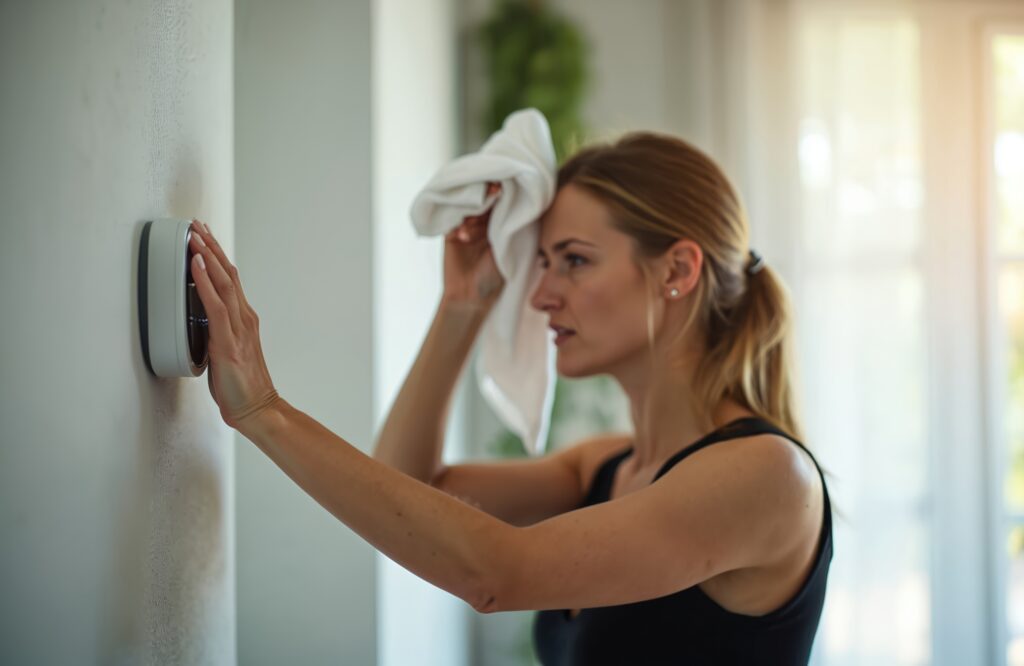
    Do some rooms in your home feel perfectly comfortable while others are too hot or too cold? If you’re constantly adjusting the thermostat but still can’t get consistent temperatures, you’re dealing with a very common problem in Pasadena and Alta Dena homes: uneven heating and cooling.

    Hot and cold spots aren’t just frustrating—they’re a sign your HVAC system isn’t working efficiently. The good news is that most of these issues can be fixed once you understand the cause.

    Let’s break it down.


    🌬️ What Causes Uneven Temperatures in Your Home?

    There’s rarely just one reason. In most cases, uneven temperatures are caused by airflow issues, system limitations, or structural factors in your home.


    🏚️ Poor Insulation

    If your home isn’t properly insulated, it can’t hold temperature evenly.

    👉 Common problem areas:

    • Attics
    • Walls
    • Windows and doors

    Rooms with poor insulation heat up or cool down much faster than the rest of the house.


    🌪️ Leaky or Blocked Ductwork

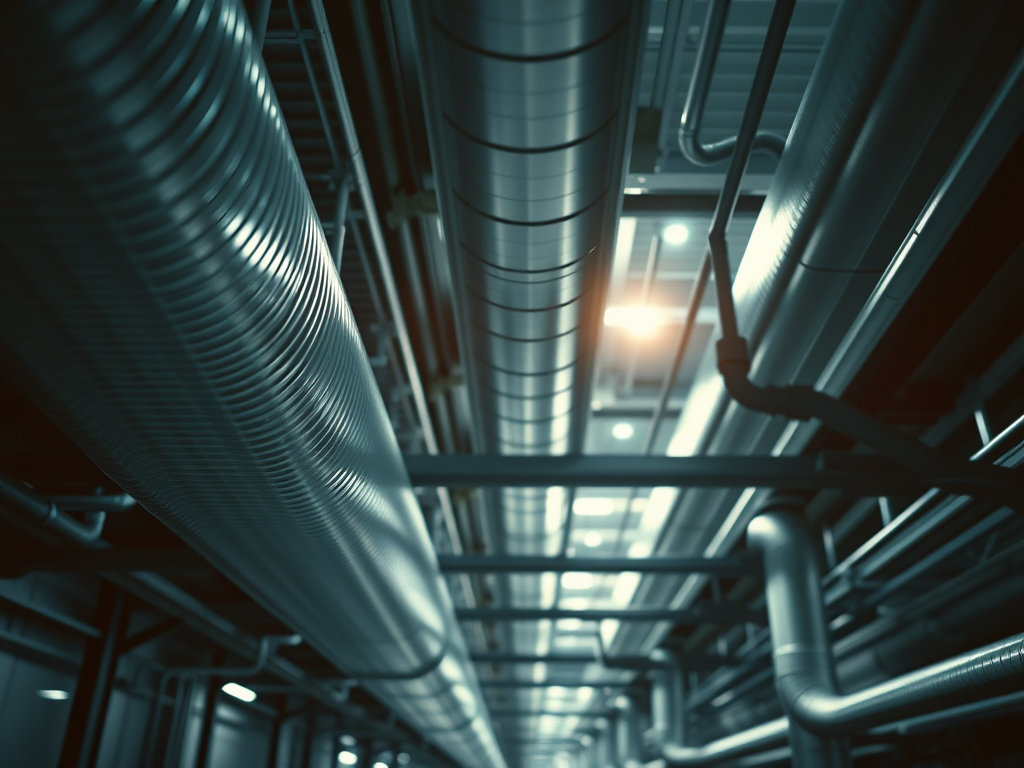
    Your duct system is responsible for distributing air throughout your home. If there are leaks or blockages, some rooms won’t get enough airflow.

    👉 Signs of duct issues:

    • Weak airflow in certain rooms
    • Dust buildup near vents
    • Higher energy bills

    📞 Call 626.736.0962 for a duct inspection in Pasadena or Alta Dena.


    📏 Improper HVAC System Size

    Bigger isn’t always better—and smaller isn’t always cheaper.

    If your HVAC system is incorrectly sized:

    • It may cool or heat too quickly without distributing air evenly
    • It may struggle to reach certain areas of your home

    👉 Proper system sizing is critical for balanced comfort.


    🔄 Poor Airflow Design

    Sometimes the issue comes down to how air moves through your home.

    👉 Causes include:

    • Closed or blocked vents
    • Furniture covering registers
    • Poor duct layout

    Even small obstructions can create noticeable temperature differences.


    🌡️ Single Thermostat Limitations

    Most homes rely on one thermostat to control the entire house—but temperatures vary from room to room.

    👉 This leads to:

    • Overcooling some areas
    • Underheating others

    🛠️ How to Fix Hot and Cold Spots

    Now that you know the causes, here’s how to fix them.


    ✔️ Adjust and Open Vents

    Make sure all vents are open and unobstructed. Closing vents can actually make the problem worse by disrupting airflow balance.


    ✔️ Upgrade Insulation

    Improving insulation helps maintain consistent temperatures throughout your home.

    👉 Focus on:

    • Attic insulation
    • Sealing gaps around windows and doors

    ✔️ Seal Your Ductwork

    Professional duct sealing can prevent air loss and improve airflow to every room.

    📞 Schedule a duct evaluation today: 626.736.0962


    ✔️ Install a Zoning System

    Zoning systems divide your home into separate temperature zones, each controlled independently.

    🌡️ Benefits:

    • Customized comfort
    • Reduced energy waste
    • Balanced temperatures throughout your home

    ✔️ Upgrade Your HVAC System

    If your system is outdated or improperly sized, upgrading may be the best long-term solution.

    📞 Call All American HVAC for expert recommendations: 626.736.0962


    💸 The Hidden Cost of Uneven Temperatures

    Hot and cold spots don’t just affect comfort—they affect your wallet.

    Here’s how:

    • 💡 Higher energy bills from overworking your system
    • 🔧 Increased wear and tear on HVAC components
    • ❄️ Reduced system lifespan

    💡 Fixing airflow issues can significantly improve efficiency and lower costs.


    🚨 When to Call an HVAC Professional

    If basic adjustments don’t solve the problem, it’s time to bring in an expert.

    Call All American HVAC (626.736.0962) if you notice:

    • Persistent uneven temperatures
    • Weak airflow in multiple rooms
    • Rising energy bills
    • Frequent HVAC cycling

    🏆 Why Pasadena Homeowners Choose All American HVAC

    Uneven temperatures require more than guesswork—you need expert diagnosis and solutions.

    All American HVAC provides:

    • 🧰 Comprehensive airflow inspections
    • 💡 Customized solutions for your home
    • 🚀 Fast, reliable service
    • 📍 Local expertise in Pasadena & Alta Dena

    📞 Call now to fix hot and cold spots: 626.736.0962


    📞 Get Balanced Comfort in Every Room

    You shouldn’t have to live with rooms that are too hot or too cold. With the right solutions, you can enjoy consistent comfort throughout your entire home.

    👉 Call 626.736.0962 today for HVAC service in Pasadena & Alta Dena

  • 🚧 Warning Signs Your HVAC Unit Is Failing

    By All American HVAC | Serving Your Area | 📞 626.736.0962

    Warning Signs Your HVAC Unit Is Failing

    Your HVAC system is built to handle years of heating and cooling demands, but no system is immune to wear and tear. Over time, even a well-maintained unit will begin to show signs of decline. The key to avoiding costly breakdowns is knowing what to look for—and acting before those signs turn into serious problems.

    Many homeowners assume HVAC failure happens suddenly, but in reality, your system provides plenty of warning signals along the way. Recognizing these warning signs your HVAC unit is failing allows you to take proactive steps, avoid emergencies, and maintain consistent comfort in your home.

    In this post, we’ll explore additional warning signs that often go unnoticed but can signal that your HVAC system is nearing failure.


    🧊 Your System Produces Lukewarm Air Instead of Cold or Hot

    One of the clearest signs of HVAC trouble is when your system is running, but the air coming out of your vents isn’t the temperature it should be.

    You may notice:

    • Your AC is blowing lukewarm or slightly cool air instead of cold
    • Your heater is producing air that feels barely warm
    • The system runs, but your home never reaches the desired temperature

    This issue can be caused by:

    • Low refrigerant levels
    • Failing compressors
    • Heating element problems
    • Airflow restrictions

    When your system can’t produce the proper temperature, it has to run longer to compensate. This not only increases energy costs but also accelerates system wear.

    If your HVAC system isn’t delivering the right temperature, it’s time to call All American HVAC at 📞 626.736.0962 for a professional inspection.


    🔁 Your HVAC System Runs Nonstop

    An HVAC system that runs constantly without shutting off is a major warning sign. While it may seem like your system is just working hard, it’s actually struggling to keep up.

    This can happen due to:

    • Reduced efficiency from aging components
    • Thermostat issues
    • Refrigerant problems
    • Airflow restrictions

    When your system runs nonstop, it experiences continuous strain, which increases the risk of breakdown and shortens its lifespan.


    🔊 New Noises Appear Over Time

    As HVAC systems age, they often begin to make new or louder noises. These sounds are your system’s way of signaling that something is wrong.

    Common warning noises include:

    • Buzzing (electrical issues)
    • Clicking (control or relay problems)
    • Hissing (possible refrigerant leaks)
    • Clanking (loose or broken components)

    These noises rarely go away on their own. Instead, they usually get worse over time, leading to more serious damage.


    💨 Airflow Feels Different Than It Used To

    Even if airflow is still present, changes in how it feels can indicate a problem. You might notice that air pressure is lower, airflow is inconsistent, or certain vents don’t perform as well as they used to.

    This can be caused by:

    • Ductwork issues
    • Blower motor wear
    • Internal system inefficiencies

    Subtle airflow changes are often overlooked, but they’re one of the earliest signs that your HVAC system is declining.


    🧾 Your Energy Bills Spike During Normal Use

    If your energy bills increase significantly without any change in usage, your HVAC system may be losing efficiency.

    As systems age or develop problems, they require more energy to produce the same results. This leads to:

    • Higher monthly costs
    • Increased system strain
    • Reduced overall efficiency

    Addressing efficiency issues early can prevent long-term financial strain.


    🌫️ Your Home Feels Stuffy or Stale

    A properly functioning HVAC system keeps air circulating and fresh. If your home begins to feel stuffy or stale, your system may not be doing its job effectively.

    This can indicate:

    • Poor airflow
    • Failing components
    • Air filtration issues

    Indoor air quality is closely tied to HVAC performance, and a decline in air freshness is often a sign of system trouble.


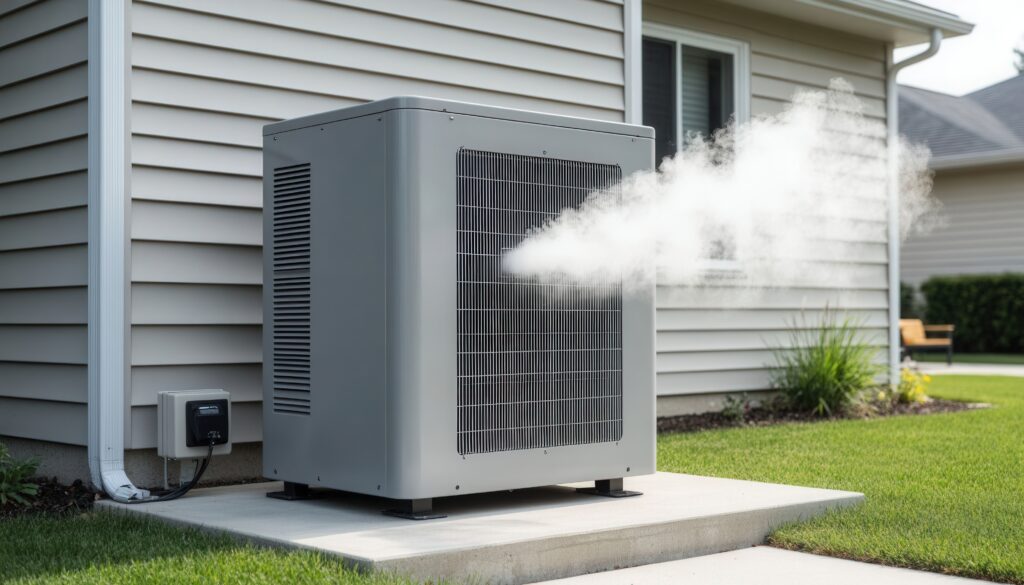
    💧 Moisture Issues or Condensation Appear

    Unexpected moisture around your HVAC unit or inside your home can signal a problem.

    You may notice:

    • Water pooling near the unit
    • Increased indoor humidity
    • Condensation on windows

    These issues can be caused by:

    • Blocked drain lines
    • Refrigerant leaks
    • System inefficiency

    Moisture problems should never be ignored, as they can lead to mold growth and structural damage.


    🛠️ Your System Feels Less Reliable Overall

    Sometimes, the biggest sign of HVAC failure isn’t a single issue—it’s a general sense that the system isn’t as reliable as it used to be.

    You might find that:

    • Performance is inconsistent
    • Small problems keep appearing
    • Comfort levels fluctuate

    This overall decline often indicates that multiple components are wearing out simultaneously.


    ⏳ Your HVAC System Is Showing Its Age

    As your HVAC system gets older, it naturally becomes less efficient and more prone to failure.

    Older systems often:

    • Require more frequent maintenance
    • Consume more energy
    • Struggle to maintain consistent comfort

    If your system is over 10–15 years old and showing these warning signs, it may be time to start planning for replacement.


    🏠 Comfort Is No Longer Predictable

    Your HVAC system should provide consistent comfort. If your home’s temperature and air quality feel unpredictable, your system may be failing.

    Signs include:

    • Fluctuating temperatures
    • Uneven airflow
    • Inconsistent performance

    These issues indicate that your system is no longer operating reliably.


    📞 Why Early Detection Matters

    Ignoring HVAC warning signs can lead to:

    • Sudden breakdowns
    • Expensive emergency repairs
    • Increased energy bills
    • Reduced system lifespan

    Recognizing the warning signs your HVAC unit is failing early allows you to take action before problems escalate.


    📣 Strong Call to Action

    If you’ve noticed any of these warning signs your HVAC unit is failing, don’t wait until your system stops working completely.

    Call All American HVAC at 📞 626.736.0962 today for expert HVAC service and a professional system evaluation. Whether you need a repair or are considering a replacement, taking action now will help you avoid costly problems and maintain comfort in your home.

    Your HVAC system is essential to your daily comfort—make sure it’s performing at its best.

  • 🛑 Warning Signs Your HVAC Unit Is Failing

    By All American HVAC | Serving Your Area | 📞 626.736.0962

    Warning Signs Your HVAC Unit Is Failing

    Your HVAC system is designed to provide reliable comfort year-round—but even the best systems don’t last forever. Over time, wear and tear begin to affect performance, efficiency, and reliability. The key difference between a manageable repair and a costly breakdown often comes down to one thing: recognizing the warning signs early.

    Many homeowners assume HVAC failure happens suddenly. In reality, your system almost always gives clear signals that something isn’t right. Understanding these warning signs your HVAC unit is failing can help you act before a small issue turns into a major expense.

    In this post, we’ll walk through additional warning signs that often go unnoticed—but can signal serious trouble ahead.


    ⏱️ Your HVAC System Takes Longer to Reach Set Temperatures

    One of the more subtle signs of HVAC failure is when your system takes longer than usual to heat or cool your home.

    At first, it may not seem like a big deal. You might think it’s just a particularly hot or cold day. But if this becomes a pattern, your system is likely losing efficiency.

    This can be caused by:

    • Aging components that no longer perform at full capacity
    • Reduced airflow due to blockages or leaks
    • A weakening compressor
    • Thermostat calibration issues

    When your system struggles to reach the desired temperature, it runs longer cycles, increasing energy use and putting additional strain on internal components.

    If your HVAC system isn’t keeping up like it used to, call All American HVAC at 📞 626.736.0962 for a professional evaluation.


    🔄 Airflow Feels Uneven Between Vents

    Even if your system seems to be running, inconsistent airflow between vents is a strong indicator that something is wrong.

    You may notice:

    • Strong airflow in one room but weak airflow in another
    • Certain vents barely producing air
    • Fluctuations in airflow throughout the day

    This issue can stem from:

    • Duct leaks or obstructions
    • Failing blower motor
    • System imbalance
    • Dirty or clogged components

    Uneven airflow not only affects comfort but also forces your system to work harder, leading to faster wear and higher energy costs.


    🧠 Thermostat Adjustments Don’t Fix the Problem

    If you find yourself constantly adjusting your thermostat but not seeing consistent results, your HVAC system may be failing.

    This can happen when:

    • The thermostat is malfunctioning
    • The system is no longer responding properly
    • Internal components are failing

    Many homeowners assume the thermostat is the problem, but in many cases, it’s a symptom of a deeper issue within the HVAC system itself.


    🔊 Clicking Sounds That Don’t Lead to Startup

    A clicking sound when your system turns on is normal—but repeated clicking without the system starting is not.

    This can indicate:

    • Electrical issues
    • Failing relays
    • Control board problems

    If your system clicks repeatedly but doesn’t turn on, it’s a clear sign that something is preventing it from functioning properly.

    Electrical issues can escalate quickly, so it’s important to have them inspected by a professional.


    🌬️ Air Feels Weak Even With a Clean Filter

    If you’ve recently changed your air filter but airflow still feels weak, the problem likely goes deeper than simple maintenance.

    Possible causes include:

    • Ductwork issues
    • Blower motor failure
    • Internal blockages
    • System inefficiency

    A clean filter should improve airflow. If it doesn’t, your system may be experiencing more serious mechanical problems.


    💧 Humidity Levels Feel Off

    Your HVAC system plays a key role in regulating indoor humidity. If your home suddenly feels too humid or too dry, your system may not be functioning properly.

    Signs include:

    • Sticky or muggy indoor air
    • Dry, uncomfortable conditions
    • Condensation on windows

    Humidity imbalances can indicate:

    • Failing components
    • Poor airflow
    • System inefficiency

    Maintaining proper humidity is essential for both comfort and indoor air quality.


    🧾 Your System Is Running, But Comfort Isn’t Improving

    One of the most frustrating signs of HVAC failure is when the system appears to be working—but your home still doesn’t feel comfortable.

    You may notice:

    • The system runs constantly
    • Temperatures fluctuate
    • Rooms never feel quite right

    This often means your system is no longer capable of meeting your home’s demands. It’s working harder but delivering less.


    🔧 Small Issues Keep Turning Into Bigger Problems

    If you’ve addressed minor HVAC issues in the past but new problems keep appearing, your system may be in overall decline.

    This pattern often indicates:

    • Multiple components are wearing out
    • The system is nearing the end of its lifespan
    • Efficiency is dropping across the board

    Instead of isolated problems, you’re dealing with a system that is gradually failing as a whole.


    ⏳ Your HVAC System Is Over a Decade Old

    Age is one of the most important factors in HVAC performance. Once your system reaches the 10–15 year range, it becomes more prone to issues.

    Older systems often:

    • Lose efficiency
    • Require more frequent repairs
    • Struggle to maintain consistent comfort

    Even if your system is still running, age combined with other warning signs often means it’s time to start considering replacement.


    🏠 Your Home Doesn’t Feel Like It Used To

    Sometimes, the biggest sign of HVAC failure is simply a change in how your home feels.

    You might notice:

    • Less consistent temperatures
    • Reduced airflow
    • Increased discomfort overall

    These changes often happen gradually, making them easy to overlook. But they’re a clear indication that your system isn’t performing like it once did.


    📞 Why You Shouldn’t Ignore These Signs

    Ignoring HVAC warning signs can lead to:

    • Unexpected system breakdowns
    • Expensive emergency repairs
    • Increased energy bills
    • Reduced system lifespan

    The sooner you address these issues, the more options you’ll have—and the more money you’ll save.


    📣 Strong Call to Action

    If you’ve noticed any of these warning signs your HVAC unit is failing, now is the time to act. Don’t wait until your system stops working completely.

    Call All American HVAC at 📞 626.736.0962 today for expert service and a professional system evaluation. Whether you need a repair, maintenance, or guidance on replacement, taking action now will protect your comfort and your investment.

    Your HVAC system works hard for you—make sure it’s getting the attention it needs to keep your home comfortable year-round.

  • 🌬️ Why Airflow Problems Are Common in La Verne Homes (And How to Fix Them)

    By All American HVAC | Serving La Verne & Nearby Cities | 626.736.0962

    Why Airflow Problems Are Common in La Verne Homes (And How to Fix Them)

    Many homeowners in La Verne and surrounding Inland Valley cities struggle with uneven temperatures, weak airflow, or rooms that never seem comfortable — even when the HVAC system is running constantly. These issues are often blamed on aging equipment, but in many cases, the real problem is airflow.

    Understanding airflow problems La Verne homeowners commonly face — and how professional HVAC service resolves them — can dramatically improve comfort, efficiency, and system longevity.

    🌡️ What Proper Airflow Means for Your Home

    Airflow is the foundation of HVAC performance. Even a high-efficiency system cannot perform properly if air is not moving freely through ductwork and vents.

    Balanced airflow ensures that cooled or heated air reaches every room evenly. When airflow is restricted, certain rooms receive too much air while others receive too little, resulting in discomfort and wasted energy.

    HVAC airflow issues are one of the most overlooked causes of rising utility bills and inconsistent indoor comfort.

    ⚠️ Signs of Airflow Problems in La Verne Homes

    Airflow problems rarely appear suddenly. They develop gradually and worsen over time.

    Common warning signs include rooms that are consistently warmer or cooler than others, weak airflow from vents, longer system run times, and increased dust accumulation. Homeowners may also notice that their system runs continuously without reaching the desired temperature.

    These symptoms often indicate uneven cooling or restricted airflow somewhere in the system.

    🏠 Why La Verne Homes Are Prone to Airflow Issues

    Many homes in La Verne, San Dimas, and Glendora were built decades ago with duct systems designed for smaller HVAC units and lower cooling demands.

    Over time, renovations, room additions, and equipment upgrades change airflow requirements. When ductwork is not updated accordingly, airflow imbalance occurs.

    Inland Valley heat further compounds the issue by increasing system workload during extended summer months.

    🔧 Common Causes of Poor Airflow

    Several factors contribute to weak airflow from vents in local homes.

    Dirty air filters are one of the most common and easiest issues to address. Clogged filters restrict air movement and force systems to work harder.

    Leaking or poorly sealed ductwork is another major contributor. Air escapes into attics or walls instead of reaching living spaces, reducing efficiency and comfort.

    Improperly sized ductwork, collapsed ducts, and blocked vents also create airflow restrictions that require professional evaluation.

    🌬️ How Ductwork Problems Affect Efficiency

    Ductwork problems significantly reduce HVAC efficiency. When air leaks or encounters resistance, the system compensates by running longer cycles.

    This added strain increases energy consumption, accelerates wear on components, and shortens system lifespan. Many homeowners mistake this for equipment failure when the real issue lies in airflow distribution.

    Professional duct inspections identify leaks, obstructions, and sizing issues that undermine performance.

    ⚙️ Airflow Testing and Professional Diagnosis

    Accurate airflow diagnosis requires more than visual inspection. Professional HVAC technicians measure static pressure, airflow volume, and temperature differentials throughout the system.

    This data allows technicians to pinpoint restrictions and imbalances that are not visible to homeowners. HVAC repair La Verne specialists use this information to recommend targeted solutions rather than unnecessary equipment replacement.

    🛠️ Solutions for Airflow Problems

    Airflow solutions vary depending on the root cause. In some cases, simple adjustments such as filter replacement, vent balancing, or duct sealing restore proper airflow.

    More complex issues may require duct modifications, resizing, or airflow zoning to accommodate modern usage patterns.

    AC airflow repair performed correctly improves comfort immediately while reducing system strain.

    🌡️ Airflow and Indoor Air Quality

    Poor airflow doesn’t just affect temperature — it impacts air quality. Restricted airflow allows dust, allergens, and humidity to build up inside the system and circulate throughout the home.

    Improving airflow reduces airborne contaminants and promotes healthier indoor environments, especially for households with allergies or respiratory sensitivities.

    🏙️ Local Expertise Makes the Difference

    La Verne’s inland climate and housing styles require localized HVAC knowledge. What works for coastal homes often fails in Inland Valley conditions.

    From San Dimas HVAC service to Glendora AC service, local experience allows technicians to tailor airflow solutions to real-world usage patterns and climate demands.

    All American HVAC understands how regional factors affect system performance and designs solutions that last.

    ⏰ Don’t Ignore Airflow Issues

    Airflow problems rarely resolve on their own. Ignoring them leads to higher energy bills, uneven comfort, and premature system failure.

    Early intervention protects your HVAC investment and improves comfort throughout the home.

    🏁 Final Thoughts

    If your home struggles with uneven temperatures, weak airflow, or rising energy costs, airflow may be the missing piece.

    Homeowners in La Verne and surrounding cities trust All American HVAC to diagnose and correct airflow problems with precision, honesty, and long-term results.

    📍All American HVAC | 📞626.736.0962