Tag: HVAC air quality

  • 🌿 Indoor Air Quality in Pasadena: What You’re Breathing at Home

    By All American HVAC | Serving Alta Dena & Pasadena | Call 626.736.0962

    Indoor Air Quality in Pasadena: What You’re Breathing at Home

    You can’t always see it—but the air inside your home may be affecting your health, comfort, and overall quality of life more than you realize.

    In Pasadena and Alta Dena, homeowners often focus on temperature control, but indoor air quality (IAQ) is just as important. From dust and allergens to hidden pollutants, your HVAC system plays a major role in what you and your family breathe every day.

    Let’s take a closer look at what’s really in your air—and how to make it cleaner, healthier, and safer.


    🌬️ What Is Indoor Air Quality (IAQ)?

    Indoor air quality refers to the condition of the air inside your home—specifically how clean, healthy, and free of pollutants it is.

    Poor IAQ can lead to:

    • 🤧 Allergy symptoms
    • 😷 Respiratory issues
    • 😴 Poor sleep quality
    • 🧠 Headaches and fatigue

    💡 In many homes, indoor air can be more polluted than outdoor air.

    📞 Call 626.736.0962 to schedule an indoor air quality assessment today.


    ⚠️ Common Indoor Air Pollutants in Pasadena Homes

    Even clean homes can have hidden air quality issues.


    🧹 Dust and Allergens

    Dust, pet dander, and pollen easily circulate through your HVAC system.

    👉 These can trigger:

    • Allergies
    • Asthma
    • Sinus irritation

    🦠 Mold and Mildew

    Moisture in ducts or HVAC components can lead to mold growth.

    👉 Warning signs:

    • Musty odors
    • Visible mold near vents
    • Increased allergy symptoms

    🧪 Volatile Organic Compounds (VOCs)

    These are chemicals released from:

    • Cleaning products
    • Paints and finishes
    • Furniture and flooring

    👉 VOCs can cause headaches, dizziness, and long-term health concerns.


    🌫️ Poor Ventilation

    Without proper airflow, pollutants get trapped inside your home.

    👉 This leads to stale, unhealthy air circulating continuously.


    🌡️ How Your HVAC System Affects Air Quality

    Your HVAC system does more than control temperature—it directly impacts the air you breathe.

    🔧 Key Factors:

    • Air filtration
    • Humidity control
    • Ventilation efficiency
    • Duct cleanliness

    If your system isn’t maintained properly, it can spread pollutants instead of removing them.

    📞 Schedule HVAC maintenance today: All American HVAC 626.736.0962


    🛠️ How to Improve Indoor Air Quality

    The good news: improving your home’s air quality is absolutely achievable.


    ✔️ Upgrade Your Air Filters

    Standard filters only catch large particles. Upgrading to high-efficiency filters can trap smaller pollutants like pollen and dust.

    👉 Replace filters every 1–3 months for best results.


    ✔️ Install Air Purification Systems

    Whole-home air purifiers work with your HVAC system to remove:

    • Allergens
    • Bacteria
    • Airborne particles

    📞 Ask about air purification solutions: 626.736.0962


    ✔️ Control Humidity Levels

    Too much moisture leads to mold—too little causes dry air and irritation.

    👉 Ideal indoor humidity: 30–50%

    A humidifier or dehumidifier can help maintain balance.


    ✔️ Clean and Seal Ductwork

    Dirty or leaking ducts can spread dust and pollutants throughout your home.

    📞 Schedule duct cleaning and inspection: 626.736.0962


    ✔️ Improve Ventilation

    Fresh air circulation helps remove indoor pollutants.

    👉 Solutions include:

    • Ventilation upgrades
    • Energy recovery ventilators (ERVs)

    🚨 Signs Your Indoor Air Quality Needs Improvement

    If you notice any of the following, your air quality may be compromised:

    • 🤧 Frequent allergies or respiratory issues
    • 😷 Persistent odors
    • 🌫️ Dust buildup around vents
    • 😴 Poor sleep or fatigue
    • 🦠 Increased illness in your household

    📞 Don’t ignore the signs—call 626.736.0962 for an air quality check.


    💸 The Cost of Poor Air Quality

    Ignoring IAQ issues can lead to:

    • Increased medical expenses
    • Reduced HVAC efficiency
    • Higher energy bills
    • Costly system damage

    💡 Cleaner air means a healthier home—and a more efficient HVAC system.


    🏆 Why Pasadena Homeowners Choose All American HVAC

    When it comes to indoor air quality, experience and expertise matter.

    All American HVAC provides:

    • 🧰 Comprehensive air quality testing
    • 💡 Customized solutions for your home
    • 🚀 Fast, reliable service
    • 📍 Trusted local experts in Pasadena & Alta Dena

    📞 Call now to improve your home’s air: 626.736.0962


    📞 Breathe Easier Starting Today

    You deserve clean, healthy air in your home. With the right solutions, you can eliminate pollutants, reduce allergens, and create a more comfortable living environment.

    👉 Call 626.736.0962 today for indoor air quality services in Pasadena & Alta Dena

  • 🔧 Warning Signs Your HVAC Unit Is Failing

    By All American HVAC | Serving Your Area | 📞 626.736.0962

    Warning Signs Your HVAC Unit Is Failing

    Most HVAC systems don’t fail overnight—they decline gradually, giving off subtle (and sometimes not-so-subtle) warning signs along the way. The challenge is that many homeowners don’t recognize these signals until the system stops working entirely. By then, what could have been a simple repair turns into a costly emergency.

    Learning to identify the warning signs your HVAC unit is failing allows you to stay ahead of problems, protect your investment, and maintain consistent comfort in your home. In this guide, we’ll break down some of the most important signs that your system may be on its way out—and what you should do about them.


    ⚡ Electrical Issues and System Interruptions

    Electrical problems are one of the more serious indicators of HVAC failure. If your system frequently shuts down, trips the circuit breaker, or fails to start properly, it could be experiencing internal electrical issues.

    Common causes include:

    • Worn or damaged wiring
    • Failing capacitors
    • Overheating components
    • Loose electrical connections

    These issues are not only inconvenient—they can also pose safety risks if left unresolved. Electrical failures often worsen over time, leading to complete system shutdown.

    If your HVAC system is behaving unpredictably, don’t wait. Call All American HVAC at 📞 626.736.0962 to have a licensed professional inspect and diagnose the problem.


    🌪️ Declining Indoor Air Quality

    Your HVAC system plays a crucial role in maintaining your home’s air quality. When it starts to fail, one of the first things you may notice is a decline in the air you breathe.

    Signs of poor indoor air quality include:

    • Increased dust accumulation
    • Allergy symptoms becoming more frequent or severe
    • Stale or stuffy air
    • Unpleasant odors circulating through vents

    A failing HVAC system may struggle to filter contaminants or regulate humidity levels effectively. Over time, this can create an uncomfortable and unhealthy indoor environment.

    Addressing HVAC issues early helps restore not only temperature control but also the quality of your indoor air.


    🧰 Constant Repairs Are Adding Up

    Every HVAC system requires occasional maintenance and repairs. However, if you find yourself calling for service repeatedly, it’s a strong indication that your system is nearing the end of its lifespan.

    Frequent repairs often mean:

    • Multiple components are wearing out simultaneously
    • The system is losing overall efficiency
    • Repair costs are beginning to outweigh the value of the unit

    At some point, continuing to invest in repairs becomes less practical than replacing the system entirely.

    If you’re unsure whether to repair or replace, call 📞 626.736.0962. The experts at All American HVAC can help you make the most cost-effective decision.


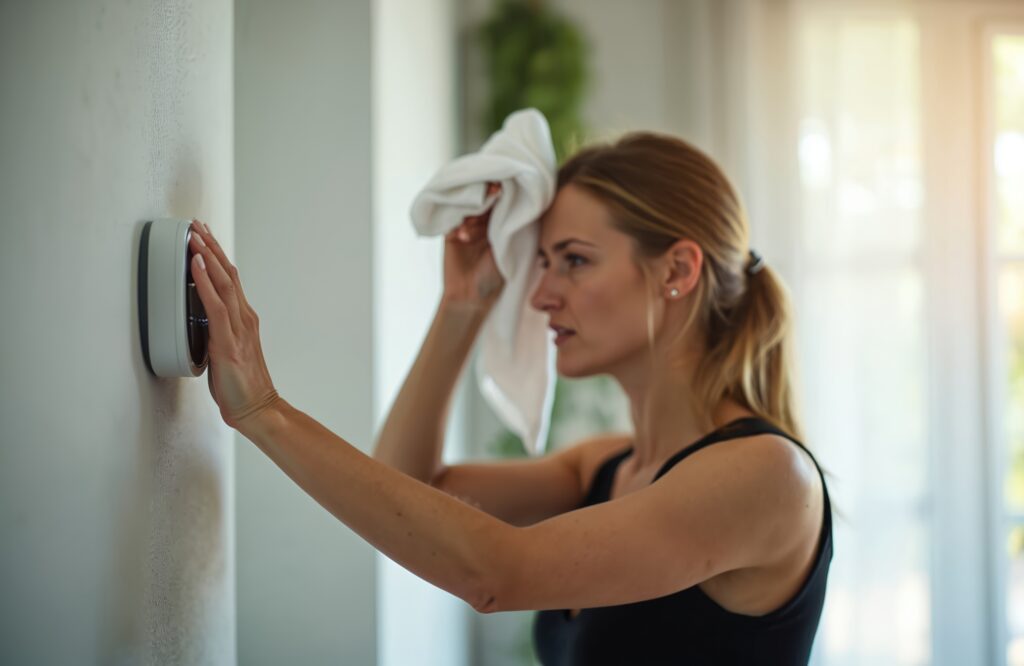
    🌡️ Your System Struggles to Maintain Temperature

    If your HVAC system has difficulty maintaining your desired temperature, it’s a clear sign something isn’t right. You may notice that your home takes longer to cool or heat, or that the temperature fluctuates throughout the day.

    This can be caused by:

    • A failing compressor
    • Thermostat malfunctions
    • Airflow restrictions
    • Aging system components

    When your system can no longer maintain consistent temperatures, it’s working harder than it should. This leads to increased energy consumption and additional wear and tear.


    🔊 Loud or Unusual Operating Sounds

    No HVAC system is completely silent, but it should never be loud or disruptive. If you start hearing unusual noises, it’s a sign that internal components may be failing.

    Common warning sounds include:

    • Buzzing (electrical issues)
    • Clicking (control problems)
    • Rattling (loose parts)
    • Grinding (motor damage)

    Each of these sounds points to a different issue, but all of them require attention. Ignoring unusual noises can lead to more extensive damage and higher repair costs.


    💸 Energy Efficiency Is Dropping

    A noticeable drop in energy efficiency is one of the most common signs of HVAC failure. If your system is running longer than usual or your energy bills keep rising, it’s likely struggling to perform.

    This inefficiency can result from:

    • Aging components
    • Dirty filters or coils
    • Refrigerant issues
    • Mechanical wear

    An inefficient HVAC system doesn’t just cost more to operate—it also increases the likelihood of breakdown.

    Instead of continuing to pay higher utility bills, it’s often more cost-effective to address the issue early.


    🧊 AC Runs Constantly Without Cooling

    If your air conditioner seems to run non-stop but your home still feels warm, your system is no longer operating efficiently.

    This could be due to:

    • Low refrigerant levels
    • Compressor failure
    • Poor airflow
    • System aging

    When your AC can’t keep up with demand, it places constant strain on the system, accelerating wear and increasing the risk of failure.


    ⏳ Age and Wear Are Catching Up

    Even the best-maintained HVAC systems eventually wear out. Most systems are designed to last between 10 and 15 years. As they age, their performance declines and the likelihood of failure increases.

    Older systems often:

    • Require more frequent repairs
    • Lose efficiency over time
    • Struggle to maintain consistent comfort

    If your system is approaching this age range and showing multiple warning signs, it may be time to consider a replacement.


    🏠 Comfort Levels Are Declining

    At the end of the day, your HVAC system exists to keep your home comfortable. If you’re noticing that your home no longer feels as comfortable as it once did, your system may be failing.

    Signs of declining comfort include:

    • Uneven temperatures between rooms
    • Difficulty maintaining set temperatures
    • Increased humidity or dryness

    These issues indicate that your system is no longer performing at its best.


    📞 Why Early Intervention Matters

    The earlier you address HVAC problems, the easier—and more affordable—they are to fix. Waiting too long can lead to:

    • Emergency breakdowns
    • Higher repair costs
    • Reduced system lifespan
    • Greater inconvenience

    A proactive approach allows you to maintain comfort, save money, and avoid unexpected disruptions.


    📣 Strong Call to Action

    If you’ve noticed any of these warning signs your HVAC unit is failing, now is the time to act. Don’t wait for a complete system breakdown to take action.

    Call All American HVAC at 📞 626.736.0962 today to schedule a professional inspection. Whether your system needs a simple repair or a full evaluation, getting ahead of the problem will save you time, money, and stress.

    Your comfort is too important to risk—take action today and keep your HVAC system running at its best.