
By All American HVAC | La Verne | 626.736.0962
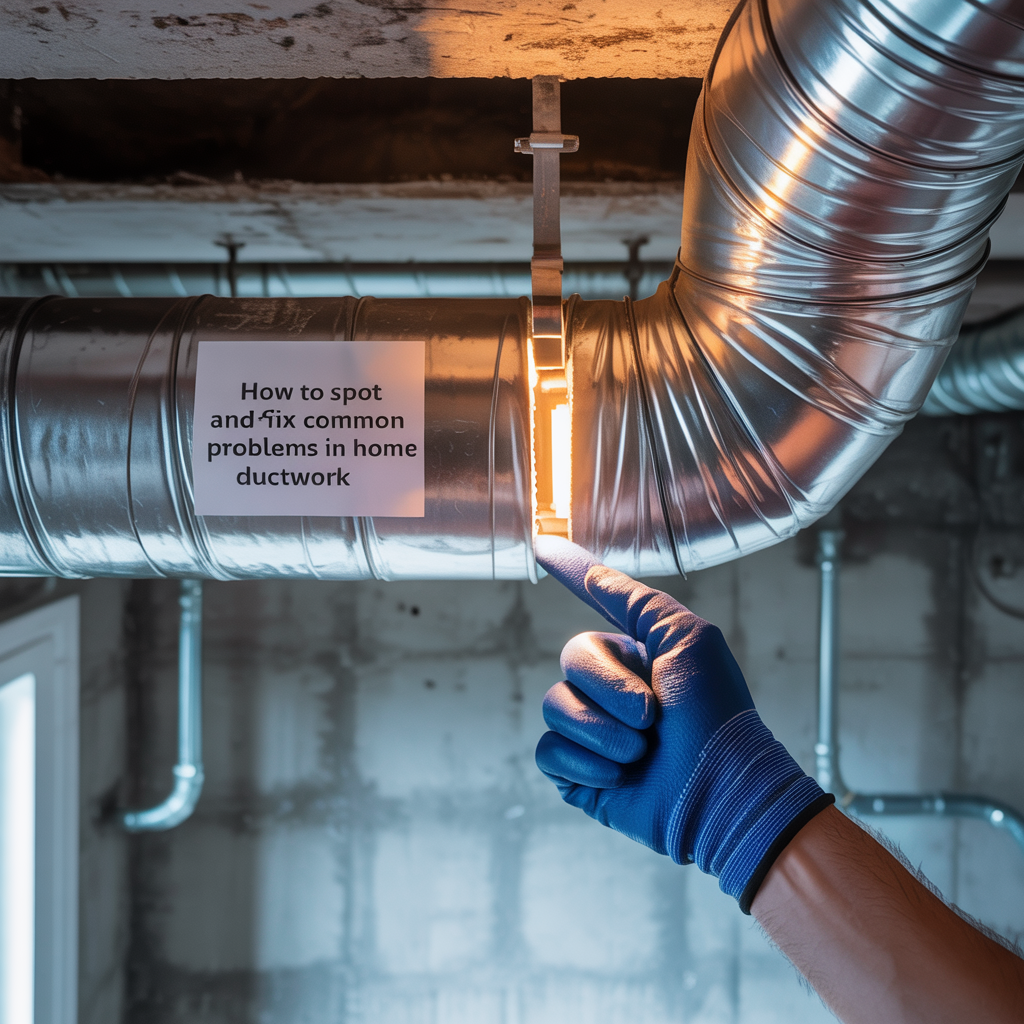
Your home’s ductwork serves as the delivery network for your heating and cooling system. Every time your furnace or air conditioner runs, ducts carry conditioned air to the rooms throughout your house and return indoor air to the HVAC equipment. When this network is properly designed, sealed, and maintained, it helps keep your home comfortable without wasting energy.
Unfortunately, home ductwork problems are often difficult to see. Much of the system may be hidden in an attic, crawl space, wall, or ceiling. A damaged connection or small air leak can go unnoticed while comfort declines and energy bills gradually rise. Knowing the warning signs can help you identify trouble early and avoid unnecessary strain on your HVAC equipment.
This guide explains how to spot common duct issues, which basic steps homeowners can safely take, and when it is time to call All American HVAC at 626.736.0962 for professional help in La Verne.
🌡️ Uneven Temperatures From Room to Room
One of the clearest signs of a ductwork issue is inconsistent comfort. One bedroom may feel warm while the living room becomes unusually cold, even though the thermostat is set to a reasonable temperature. Several duct-related problems can cause this imbalance, including:
- Leaking or disconnected duct joints
- Crushed or kinked flexible ducts
- Improperly adjusted dampers
- Duct runs that are too long or too small
- Poorly positioned supply or return vents
- Inadequate insulation around ducts
Before assuming that your air conditioner or furnace is failing, check whether the problem consistently affects the same rooms. A professional airflow evaluation can determine how much conditioned air is reaching each area and whether duct repairs or system balancing are needed.
🌬️ Weak Airflow From Supply Vents
Place your hand near each supply vent while the HVAC system is running. The airflow will not be identical at every register, but it should feel steady. If one or more vents produce very little air, the duct serving that area may be blocked, leaking, crushed, or disconnected.
Weak airflow can also result from a dirty filter, a blocked return grille, a failing blower, or excessive static pressure. Because several problems can produce the same symptom, avoid assuming that the duct is the only possible cause. Start by replacing a dirty filter and making sure furniture, curtains, rugs, and boxes are not obstructing registers or return grilles.
If airflow remains weak, call All American HVAC at 626.736.0962. Testing the system is more reliable than guessing, and it can reveal whether the issue is located in the ductwork or another HVAC component.
🎵 Rattling, Whistling, or Banging Noises
Your HVAC system should not create persistent rattling, whistling, popping, or banging sounds. A whistle may indicate that air is being forced through a narrow opening or restriction. Rattling can come from a loose metal section, unsupported duct run, or unsecured register. Banging may occur when thin sheet metal flexes because of pressure changes.
Some minor expansion and contraction sounds can be normal, especially when metal ducts heat up or cool down. However, loud, repetitive, or newly developed noises deserve attention. A technician can inspect the system for loose duct connections, pressure problems, and damaged components before the issue becomes more disruptive.
💸 Unexpected Increases in Energy Bills
A damaged duct system can waste conditioned air before it ever reaches your living space. If cooled air escapes into a hot attic during summer, your air conditioner must run longer to satisfy the thermostat. During winter, leaking ducts can release heated air into areas where it provides no benefit.
Review your energy use rather than looking only at the dollar amount on the bill, since utility rates and weather can change. If consumption increases without a clear explanation, leaking HVAC ducts may be contributing to the problem. Professional duct testing can help locate hidden leaks and determine whether sealing them would improve efficiency.
🧹 Excessive Dust and Poor Indoor Air Quality
Leaky ductwork does more than lose conditioned air. Openings on the return side of the system may draw dust, insulation fibers, and other contaminants from attics, garages, or crawl spaces. Those particles can then circulate through the home.
Possible warning signs include:
- Dust returning soon after surfaces are cleaned
- Dark streaks around registers
- Musty odors when the HVAC system starts
- Increased allergy or irritation symptoms
- Visible debris inside accessible vents
These symptoms do not automatically mean that the ducts need cleaning. Dust may also come from air leaks around doors and windows, an improperly fitted filter, indoor activities, or renovation work. A qualified inspection can identify the likely source and help you avoid paying for unnecessary services.
👃 Musty or Unusual Odors
Persistent odors from supply vents should not be ignored. A musty smell may indicate excess moisture, wet insulation, or microbial growth somewhere in the system. Other odors could be related to pests, debris, an overheating component, or a problem outside the ductwork.
Do not apply fragrances or household cleaners inside the ducts. Covering up the odor does not correct its source and may introduce chemicals into the air stream. If you smell burning, see smoke, or suspect a gas-related problem, turn the system off, leave the home when appropriate, and contact the proper emergency service or utility provider. For recurring HVAC odors, schedule an inspection with All American HVAC.
🔍 Inspect Accessible Ductwork Safely
Homeowners can perform a basic visual check of duct sections that are easy and safe to reach. Turn the HVAC system off before inspecting the area. Look for separated joints, torn flexible material, missing supports, crushed sections, obvious gaps, and damaged insulation.
Never enter an unstable attic or tight crawl space, and do not walk between ceiling joists. Avoid disturbing suspected asbestos-containing material, mold, animal waste, or damaged electrical wiring. If the ductwork is difficult to access, leave the inspection to a trained professional.
Photographs of visible damage can be helpful when describing the problem to your HVAC company. They should not replace a full evaluation when airflow, pressure, or concealed sections need to be tested.
🛠️ Seal Small, Accessible Air Leaks Correctly
Small leaks at accessible duct joints may sometimes be sealed with HVAC mastic sealant or UL-listed foil tape intended for duct systems. Clean and dry the surface first, and follow the product instructions carefully.
Do not use ordinary cloth-backed “duct tape.” Despite its name, this product often deteriorates when exposed to temperature changes and dust. It may peel away and leave the original leak unresolved.
Sealing a visible gap can be a useful maintenance step, but it will not correct crushed ducts, improper sizing, severe pressure problems, or inaccessible leaks. Extensive sealing should be completed only after the system has been evaluated. Making random changes without understanding the airflow design can create new comfort problems.
🧊 Repair Damaged Insulation Around Ducts
Ducts running through unconditioned spaces need adequate insulation. Without it, cooled air can gain heat during summer and heated air can lose warmth during winter. Moisture may also form on cold duct surfaces when humid air reaches them.
If the outer insulation is loose but clean and dry, it may be possible to secure it with materials designed for HVAC use. Wet, deteriorated, contaminated, or extensively damaged insulation usually needs professional attention. The source of the moisture should be corrected before new insulation is installed.
Proper duct insulation supports energy efficiency, reduces condensation risk, and helps conditioned air arrive at the intended temperature.
🧰 Replace Filters and Keep Vents Clear
Some airflow complaints can be corrected without repairing the ducts. Check the HVAC filter and replace it when dirty, using the size and efficiency rating recommended for your equipment. A filter that is heavily clogged—or too restrictive for the system—can reduce airflow and increase operating pressure.
Keep supply registers open and unobstructed. Closing vents in unused rooms may seem like an easy way to save energy, but many residential systems are not designed to operate with multiple registers closed. The resulting pressure can increase leakage and place additional strain on the blower.
Return grilles also need clear space. Blocking a return with furniture or stored items can prevent the system from circulating air properly.
📏 Know When Professional Duct Testing Is Needed
Many serious duct issues cannot be diagnosed through a visual inspection alone. HVAC professionals may measure static pressure, test airflow, inspect equipment performance, and use specialized methods to identify leakage. These tests can show whether the duct network is properly sized, sealed, and balanced for the home.
Professional repairs may include:
- Resealing accessible or concealed connections
- Reconnecting separated duct sections
- Replacing torn or crushed flexible ducts
- Adding or adjusting balancing dampers
- Correcting inadequate return-air capacity
- Improving duct support and insulation
- Redesigning improperly sized duct runs
The right solution depends on the condition and design of the entire system. Replacing one damaged section may solve a localized problem, while widespread comfort issues may require more comprehensive corrections.
⚙️ Why Timely Duct Repairs Matter
Ignoring common ductwork problems can affect more than room temperature. Restricted airflow and excessive pressure may force the blower to work harder. Air leaks can increase heating and cooling cycles. Poor delivery can also make homeowners lower or raise the thermostat unnecessarily, consuming even more energy.
Prompt repairs can help:
- Improve comfort throughout the home
- Reduce avoidable energy loss
- Support healthier indoor air
- Lower unnecessary HVAC strain
- Reduce hot and cold spots
- Protect long-term system performance
No repair can guarantee a particular reduction in utility costs, since energy use depends on weather, insulation, thermostat settings, equipment condition, and household habits. Still, properly functioning ductwork is an important part of an efficient HVAC system.
📞 Schedule Ductwork Service With All American HVAC
Your ducts may be out of sight, but they should not be out of mind. Uneven temperatures, weak airflow, strange noises, excessive dust, persistent odors, and unexplained energy use can all indicate that your air distribution system needs attention.
Start with simple steps such as checking the filter, clearing blocked vents, and visually inspecting safe, accessible sections. For persistent problems, hidden leaks, damaged ducts, or system-wide airflow concerns, professional testing provides the information needed to make the right repair.
All American HVAC proudly helps homeowners in La Verne identify and correct heating, cooling, and ductwork concerns. For dependable service and straightforward recommendations, call 626.736.0962 today. Let our team help restore balanced airflow, reliable comfort, and better HVAC performance throughout your home.