By All American HVAC | La Verne | 626.736.0962
Your home’s heating and cooling system plays an essential role in maintaining comfort, improving indoor air quality, and keeping energy costs under control throughout the year. However, many homeowners overlook the importance of regular HVAC maintenance until their air conditioner stops cooling or their heater fails on a cold evening. At All American HVAC, we help homeowners in La Verne understand the value of preventive HVAC maintenance, air conditioning tune-ups, and heating system inspections. Scheduling professional maintenance can help extend equipment life, improve efficiency, and reduce the risk of unexpected breakdowns. Call 626.736.0962 to learn more about keeping your heating and cooling system operating efficiently throughout every season.
🏠 Why Regular HVAC Maintenance Is Essential
Your HVAC system works hard to maintain comfortable indoor temperatures, especially during La Verne’s hot summers and cooler winter months.
Over time, normal operation causes components to accumulate dust, experience wear, and require adjustments. Without proper maintenance, these issues can gradually reduce efficiency and contribute to equipment problems.
Routine HVAC maintenance helps identify potential concerns before they develop into expensive repairs.
Professional inspections also allow technicians to evaluate system performance, check important components, and recommend necessary adjustments.
For homeowners looking to protect their investment, preventive HVAC maintenance is one of the most practical steps toward dependable year-round comfort.
⚡ 1. Improve Energy Efficiency and Lower Utility Bills
One of the biggest benefits of regular HVAC maintenance is improved energy efficiency.
Heating and cooling systems consume a significant amount of household energy, particularly during periods of extreme temperatures.
When components become dirty, filters become clogged, or airflow is restricted, equipment may need to work harder to maintain the desired indoor temperature.
This increased workload can lead to higher energy consumption.
How HVAC Maintenance Supports Efficiency
- Clean air filters: Help maintain proper airflow and reduce unnecessary strain.
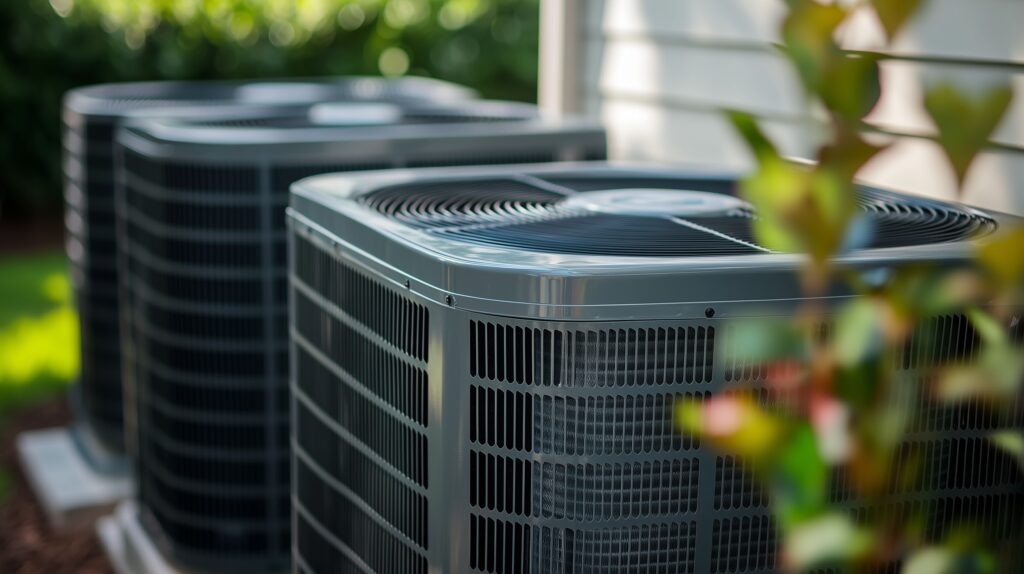
- Clean condenser coils: Allow the air conditioning system to release heat more effectively.
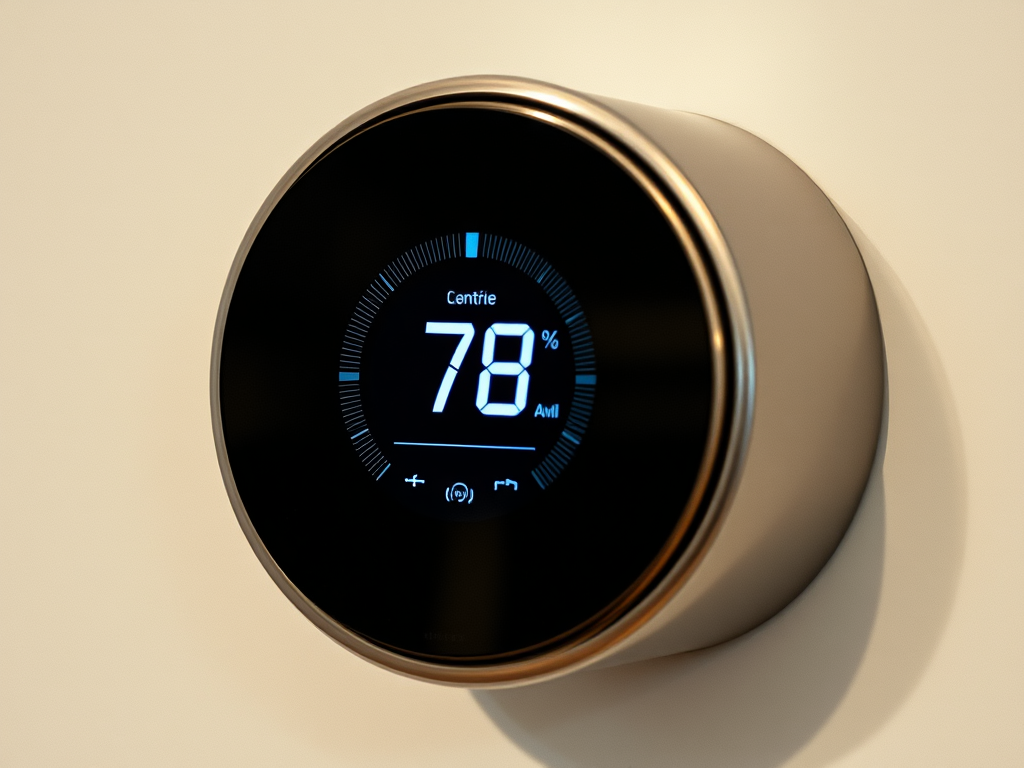
- Proper thermostat operation: Helps maintain accurate temperature control.
- Electrical component inspections: Identify connections or components that may require attention.
- Airflow evaluations: Help detect restrictions that affect heating and cooling performance.
Although actual savings depend on equipment condition and household usage, maintaining your system can help prevent avoidable energy waste.
For homeowners in La Verne, scheduling an HVAC tune-up before peak cooling or heating season can be especially beneficial.
❄️ 2. Prevent Unexpected Air Conditioning Breakdowns
Few household problems are more frustrating than an air conditioner failing during a summer heat wave.
When outdoor temperatures rise, your cooling system may operate for extended periods to keep your home comfortable.
If the equipment has worn components, dirty coils, or electrical issues, heavy usage can increase the likelihood of a breakdown.
Routine air conditioning maintenance provides an opportunity to identify these problems before they interrupt your comfort.
Common Issues Found During AC Maintenance
Dirty condenser coils: Dust and debris can reduce the system’s ability to release heat.
Clogged condensate drains: Blockages may contribute to water leaks and moisture problems.
Worn electrical components: Aging capacitors, contactors, and connections can affect system reliability.
Restricted airflow: Dirty filters or blocked vents can reduce cooling performance.
Refrigerant-related problems: Incorrect refrigerant charge or leaks can reduce efficiency and cooling capacity.
Professional AC maintenance in La Verne helps technicians identify developing concerns and recommend appropriate repairs.
While no maintenance program can guarantee that equipment will never fail, routine inspections can reduce the likelihood of preventable problems.
🔥 3. Keep Your Heating System Safe and Reliable
Although La Verne is known for warm weather, winter evenings can still become chilly enough to require dependable heating.
A neglected furnace or heat pump may struggle to maintain comfortable temperatures or develop operational problems.
Routine heating system maintenance helps ensure that equipment is ready when temperatures drop.
Important Heating Maintenance Tasks
- Inspecting burners and ignition components when applicable.
- Checking electrical connections and controls.
- Evaluating thermostat operation.
- Inspecting accessible venting and exhaust components.
- Checking airflow and blower performance.
- Examining safety controls.
- Looking for signs of unusual wear or deterioration.
For fuel-burning heating equipment, technicians may also inspect components associated with combustion and exhaust safety.
A cracked heat exchanger or venting problem can create serious safety concerns, including potential carbon monoxide exposure.
Professional furnace maintenance is especially important because some heating problems may not be obvious to homeowners.
If you suspect a gas leak or carbon monoxide emergency, leave the area immediately and contact emergency services or your gas utility from a safe location.
🌬️ 4. Improve Indoor Air Quality and Household Comfort
Your heating and cooling system does more than regulate temperature. It also circulates air throughout your home.
When filters become dirty or components accumulate dust, indoor comfort and airflow can suffer.
Routine HVAC maintenance supports healthier indoor conditions by helping maintain proper filtration and ventilation performance.
How Maintenance Can Support Indoor Air Quality
Air filter replacement: Helps capture airborne particles according to the filter’s efficiency rating.
Airflow inspections: Identify restrictions that may reduce circulation.
Moisture management: Proper condensate drainage helps prevent excess moisture around cooling equipment.
Ventilation checks: Help ensure applicable ventilation components are operating as intended.
System cleanliness: Keeping appropriate HVAC components clean can reduce buildup that interferes with operation.
Maintenance alone cannot eliminate every indoor air pollutant, but it is an important part of an overall indoor air quality improvement strategy.
Homeowners should also manage indoor humidity, control pollution sources, and use suitable filtration for their equipment.
💰 5. Reduce the Risk of Expensive HVAC Repairs
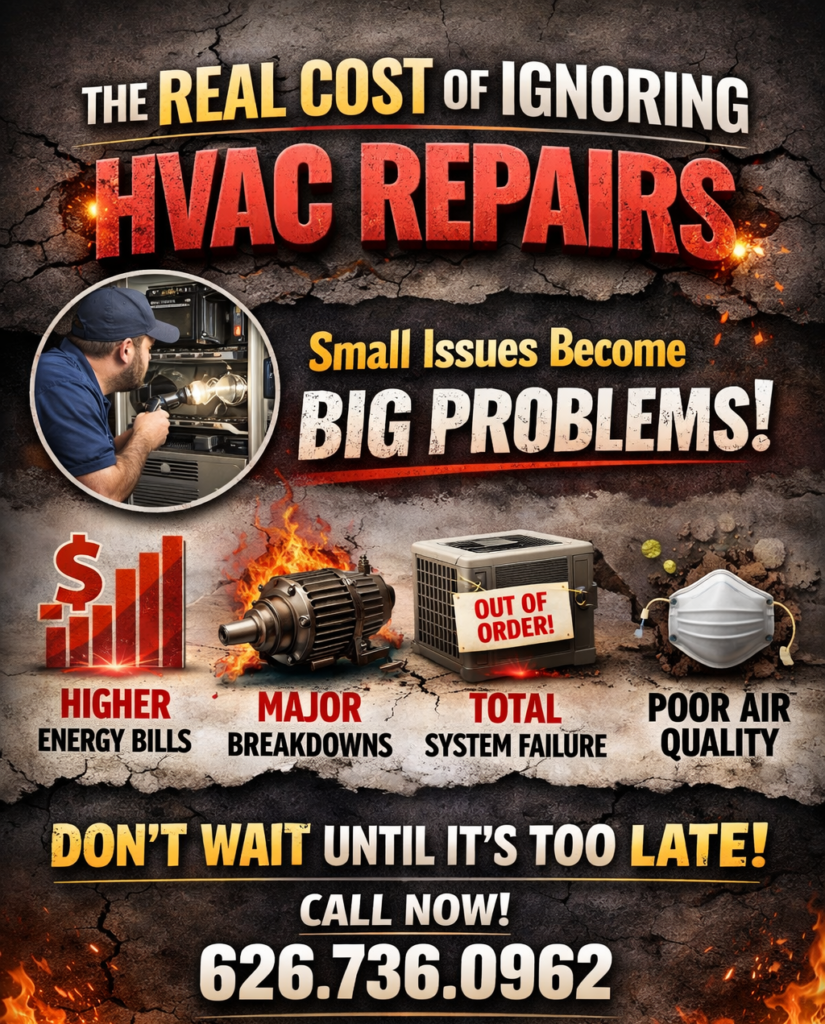
Small mechanical or electrical problems can become more serious when left unaddressed.
For example, a failing capacitor may eventually prevent an air conditioner from starting. A clogged drain line may cause water damage, while restricted airflow can contribute to excessive equipment strain.
Routine preventive HVAC maintenance allows technicians to identify warning signs before they lead to larger failures.
Why Early Detection Matters
Smaller repair needs: Some problems can be addressed before they affect additional components.
Reduced emergency service calls: Preventive inspections may help homeowners avoid certain unexpected failures.
Better repair planning: Identifying aging components provides time to evaluate service options.
Less disruption: Scheduling maintenance is generally more convenient than dealing with an unexpected breakdown.
Improved reliability: Properly maintained equipment is better positioned to operate consistently.
Although maintenance involves an upfront cost, it can help reduce avoidable repair expenses over the system’s lifetime.
⏳ 6. Extend the Lifespan of Your Heating and Cooling Equipment
Replacing a central air conditioning system, furnace, or heat pump can represent a substantial household investment.
Naturally, homeowners want their equipment to operate reliably for as long as reasonably possible.
Regular HVAC system maintenance helps protect that investment by addressing wear, cleanliness, airflow, and performance issues.
When equipment operates under unnecessary strain, components may experience additional stress.
Maintaining proper operating conditions can help reduce that burden.
Factors That Affect HVAC Lifespan
- Equipment quality and installation.
- Frequency and intensity of use.
- Local climate conditions.
- Air filter maintenance.
- Airflow and ductwork condition.
- Timely repairs.
- Professional maintenance history.
While every system eventually requires replacement, routine care may help homeowners get more useful service from their existing equipment.
For residents of La Verne, maintaining equipment before the demanding summer season is particularly important.
🌡️ 7. Maintain More Consistent Indoor Temperatures
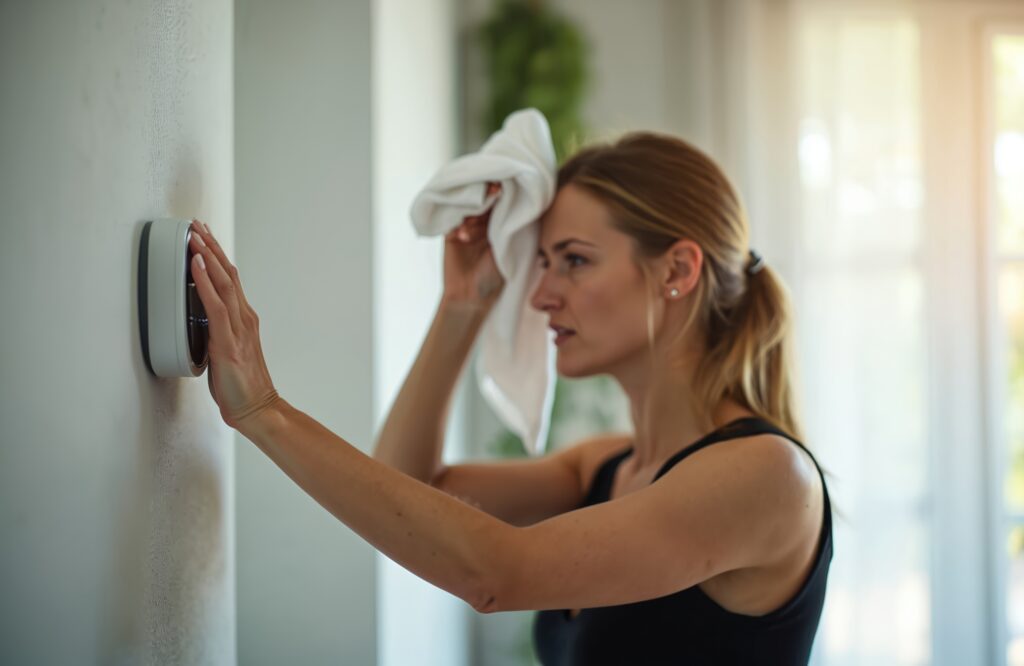
Have you noticed that certain rooms in your home feel warmer or cooler than others?
Uneven temperatures can result from several factors, including airflow restrictions, duct leakage, insulation deficiencies, thermostat placement, or equipment performance issues.
A professional HVAC inspection can help determine whether your heating and cooling system is contributing to the problem.
Common Comfort Problems
Weak airflow: Certain rooms may receive less conditioned air than intended.
Frequent cycling: Equipment may turn on and off more often than expected.
Long operating cycles: The system may struggle to reach the thermostat setting.
Temperature fluctuations: Indoor temperatures may vary noticeably throughout the day.
Unusual noises: Rattling, buzzing, or grinding sounds may indicate mechanical concerns.
Addressing these issues can help improve overall comfort and support more consistent operation.
Some problems may require repairs or improvements beyond routine maintenance, such as duct sealing or insulation upgrades.
📅 8. Know How Often to Schedule HVAC Maintenance
One of the most common homeowner questions is how frequently heating and cooling equipment should be serviced.
For many residential systems, professional maintenance is recommended at least once a year, with separate seasonal inspections often appropriate for heating and cooling equipment.
The ideal schedule depends on the equipment type, manufacturer recommendations, age, operating conditions, and household needs.
Recommended Seasonal Maintenance Schedule
Spring: Air Conditioning Maintenance
Before summer temperatures rise, schedule an AC tune-up to check cooling performance, inspect components, and prepare the system for heavy use.
Fall: Heating System Maintenance
Before colder weather arrives, arrange a heating system inspection to evaluate operation and safety-related components.
Throughout the Year: Filter Maintenance
Inspect air filters regularly and replace or clean them according to manufacturer instructions and household conditions.
Homes with pets, higher dust levels, or extended HVAC operating hours may require more frequent filter attention.
Following a consistent HVAC maintenance schedule helps prevent important service tasks from being overlooked.
🛠️ 9. Understand What Happens During a Professional HVAC Tune-Up
A professional HVAC tune-up involves more than a quick visual inspection.
Technicians evaluate accessible components and operating conditions to identify maintenance needs and potential problems.
The exact service checklist depends on the equipment and the maintenance agreement.
Typical HVAC Maintenance Services
Thermostat testing: Checking whether temperature controls respond appropriately.
Air filter inspection: Evaluating filter condition and replacement needs.
Electrical inspections: Checking accessible connections and components for signs of damage or deterioration.
Coil inspections: Evaluating cleanliness and condition.
Condensate drain inspection: Checking for blockages and drainage concerns.
Blower evaluation: Assessing operation and airflow-related performance.
Refrigerant performance checks: Evaluating cooling operation and investigating signs of refrigerant problems when necessary.
Safety control testing: Confirming that applicable safety mechanisms function correctly.
Overall system assessment: Identifying concerns that may require additional service or repairs.
A thorough inspection gives homeowners a clearer understanding of their equipment’s condition.
🚨 10. Recognize the Warning Signs Your HVAC System Needs Service
Even when you follow a regular maintenance schedule, unexpected problems can occur.
Recognizing early warning signs can help prevent minor issues from becoming major disruptions.
Signs You May Need HVAC Service
- Your air conditioner is blowing warm air.
- Your heater is not producing adequate warmth.
- Energy bills rise without an obvious explanation.
- Airflow from vents becomes noticeably weaker.
- The system makes unusual noises.
- Unpleasant odors appear during operation.
- The thermostat does not respond correctly.
- Equipment turns on and off unusually frequently.
- Water accumulates around indoor cooling components.
- Indoor temperatures remain inconsistent.
Some symptoms may indicate simple maintenance needs, while others require professional diagnosis.
If you notice burning odors, smoke, suspected gas leaks, or other potentially dangerous conditions, stop using the equipment when safe and seek appropriate emergency assistance.
Prompt attention helps protect your comfort and may prevent additional equipment damage.
🏡 Why HVAC Maintenance Matters for La Verne Homeowners
La Verne’s warm summers place significant demands on residential cooling systems.
During extended periods of hot weather, air conditioners may operate for many hours each day.
This makes dependable equipment especially important for household comfort.
Routine HVAC maintenance in La Verne helps prepare cooling equipment for demanding conditions while ensuring heating systems receive attention before winter.
Local homeowners can benefit from establishing a seasonal maintenance routine rather than waiting for performance problems to appear.
Professional service can also help identify whether aging equipment is becoming less efficient or may need repairs.
For homeowners considering future system upgrades, maintenance records and performance evaluations can provide useful information when comparing repair and replacement options.
🌟 Make Preventive HVAC Maintenance a Smart Home Investment
Your heating and cooling system is one of the most important mechanical systems in your home.
Maintaining it regularly supports energy efficiency, equipment reliability, indoor comfort, and long-term performance.
Instead of waiting for a breakdown, homeowners can take a proactive approach by scheduling seasonal inspections and addressing problems early.
Preventive HVAC maintenance is particularly valuable because it helps protect against avoidable wear and allows technicians to identify potential concerns before peak heating or cooling demand.
Whether your equipment is relatively new or has been operating for many years, consistent maintenance can help keep it performing as intended.
📞 Schedule Your HVAC Maintenance in La Verne Today!
Regular heating and cooling maintenance is an important step toward a more comfortable, efficient, and dependable home. From reducing unnecessary energy consumption to identifying developing mechanical problems, routine professional service offers benefits that extend throughout the year.
Do not wait until your air conditioner fails during a heat wave or your heating system stops working on a cold winter night. Take a proactive approach to protecting your comfort and your HVAC investment.
All American HVAC is ready to help homeowners in La Verne with professional HVAC maintenance, air conditioning tune-ups, and heating system service. Keep your equipment operating efficiently and prepare your home for every season. Call 626.736.0962 today to schedule your maintenance appointment and enjoy greater confidence in your home’s heating and cooling system!