Category: hvac service West Covina

  • How SEER Ratings Impact Your Home Energy Costs

    understanding SEER rating hva

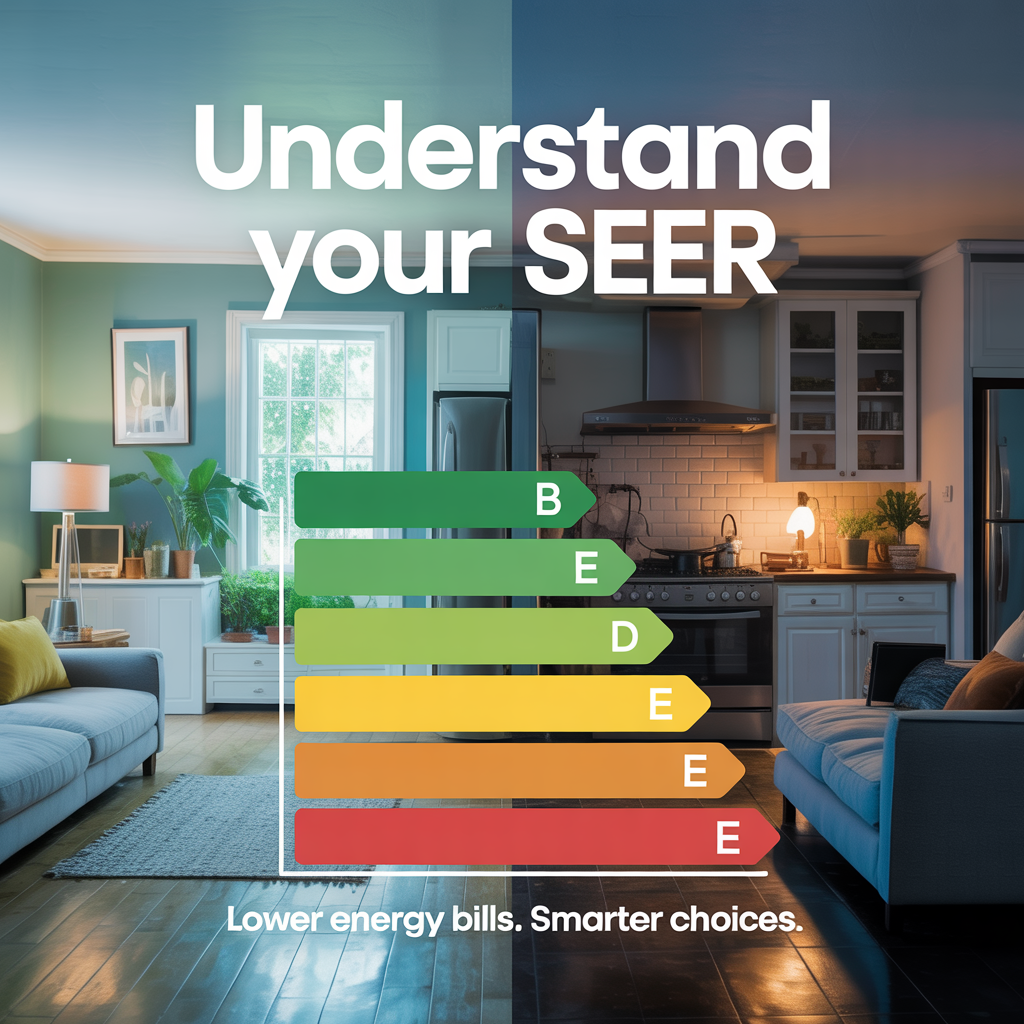
    When it comes to keeping your home comfortable, few investments are as impactful as your air conditioning system. But while choosing the right size and type of unit matters, one of the most important factors in long-term savings is the SEER rating. SEER, or Seasonal Energy Efficiency Ratio, determines how effectively an AC system transforms energy into cooling power. For homeowners, understanding SEER ratings isn’t just about technical specifications—it directly influences your monthly bills and your home’s overall energy efficiency.

    How SEER Ratings Measure AC Efficiency at Home

    The SEER rating is essentially a performance score for your air conditioner. It measures the cooling output of the system over a typical cooling season compared to the amount of energy used. The higher the SEER number, the more efficient the system is at converting energy into cool, comfortable air. Current federal minimum standards in the U.S. usually require modern systems to have a SEER rating of at least 14, but many premium models are available with ratings well into the 20s.

    For homeowners, this rating translates into a clear way to evaluate and compare different units. A system with a higher SEER produces the same amount of cooling but uses less electricity, which means you are getting more value from every kilowatt-hour consumed. While the upfront cost of a higher-SEER unit can be greater, the efficiency gains often pay off in the form of steady long-term energy savings, especially in areas with hot or extended summers.

    The Link Between SEER and Your Monthly Energy Costs

    Where SEER ratings really shine is in their impact on your electric bill. A less efficient system needs more power to deliver cool air, which can cause energy costs to spike during the hottest months of the year. By contrast, a higher-SEER AC runs more smoothly and consumes less energy per unit of cooling. The result is not only a cooler home but also lower recurring monthly expenses, making it easier to manage household energy use.

    It’s also worth noting that local climate plays a big role in how much you save. Homes in regions that require frequent cooling will benefit the most from upgrading to a higher-rated system because the differences add up over many hours of operation. At the same time, bonus perks—such as increased home comfort, quieter operation, and often better humidity control—further enhance the value of investing in efficient AC technology.

    At the end of the day, SEER ratings aren’t just numbers—they’re a reliable indicator of how much you’ll spend over the lifetime of your cooling system. While the initial purchase of a high-efficiency air conditioner may seem like a big investment, the ongoing savings can be significant. By understanding how SEER works and what it means for your specific home and climate, you can make smarter decisions that balance comfort, sustainability, and cost efficiency. Choosing the right unit today can help control energy costs well into the future. All American HVAC, Inc., 626.736.0962
  • Choosing the Best HVAC System for Your Home Size

    choosing the best HVAC system for your home size

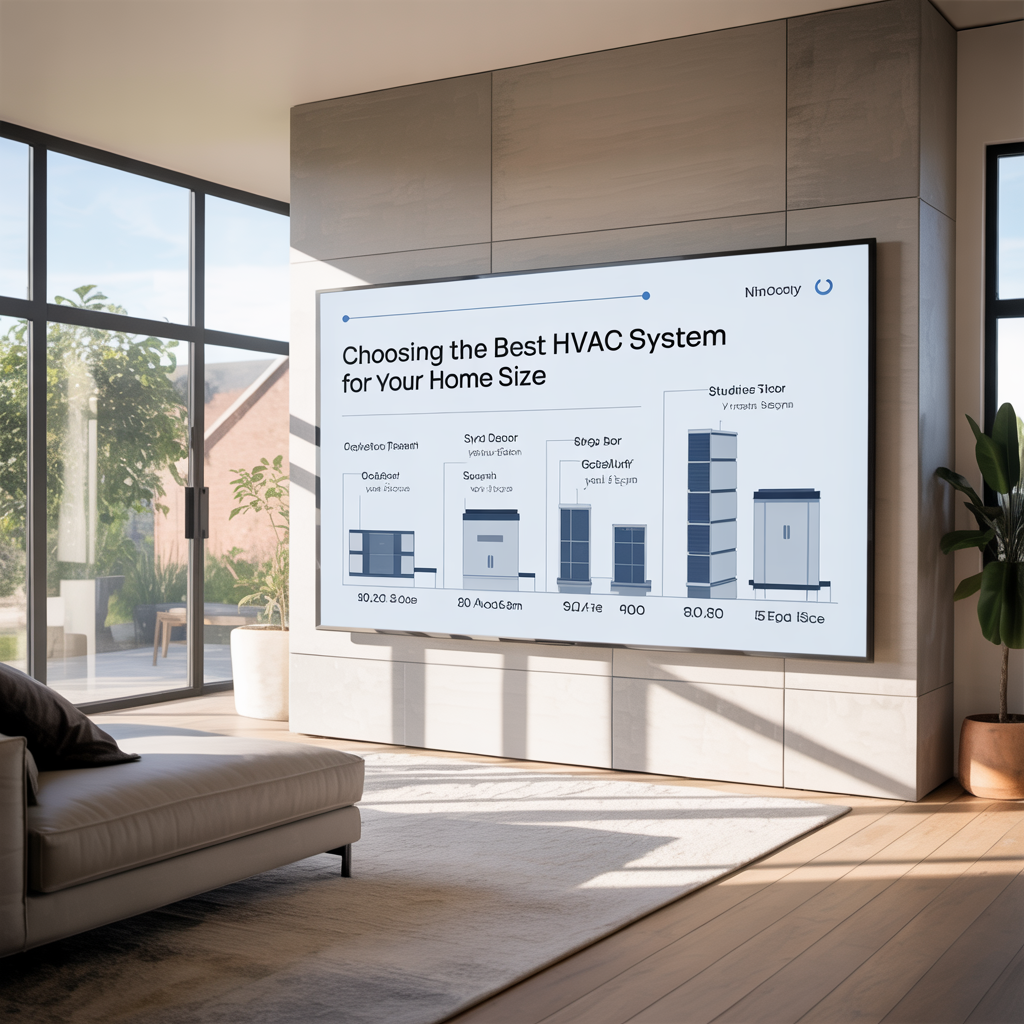
    Choosing the right heating, ventilation, and air conditioning (HVAC) system for your home isn’t just about comfort—it’s also about efficiency, cost savings, and long-term performance. Many homeowners underestimate the role that home size plays in determining the best system, only to face higher energy bills and uneven temperatures later on. By carefully assessing your property and understanding the connection between system capacity and square footage, you can make an informed choice that benefits both your comfort and your budget.

    Selecting the right system requires more than just knowing your home’s square footage. Insulation, ceiling height, number of rooms, and even sun exposure all impact your HVAC needs. Whether you live in a small apartment, a mid-sized suburban home, or a large family residence, matching system strength to space is the foundation of efficiency. With the right approach, homeowners can keep consistent indoor air quality and temperature control while avoiding unnecessary strain on the equipment.


    Key Factors to Match HVAC Systems with Home Size

    The size of your home is one of the most important considerations when selecting an HVAC system. A system that is too small will run constantly, struggling to keep up with demand and leaving you uncomfortable on extreme weather days. On the other hand, an oversized system wastes energy by cycling on and off too often, leading to higher bills and premature wear on components. A professional load calculation, often called a Manual J calculation, accounts for not only square footage but also wall construction, number of windows, and orientation to the sun.

    Beyond square footage, it’s vital to consider design details such as insulation levels and ceiling height. For example, a home with vaulted ceilings or large sun-facing windows requires greater cooling power compared to one with standard dimensions and shaded surroundings. Similarly, a well-insulated home may need a smaller system than a drafty structure of the same size. Tailoring the HVAC system to these factors ensures consistent comfort without unnecessarily inflating your energy costs.


    Avoiding Common Mistakes in HVAC System Selection

    One of the most common mistakes homeowners make is assuming “bigger is better.” Oversized systems not only waste energy but also fail to properly dehumidify the home, creating a cool yet clammy environment during summer. Another mistake is relying solely on assumptions or outdated rules-of-thumb for system sizing instead of having a professional calculation done. This misstep can lead to years of inefficiency and frustration, not to mention costly utility bills.

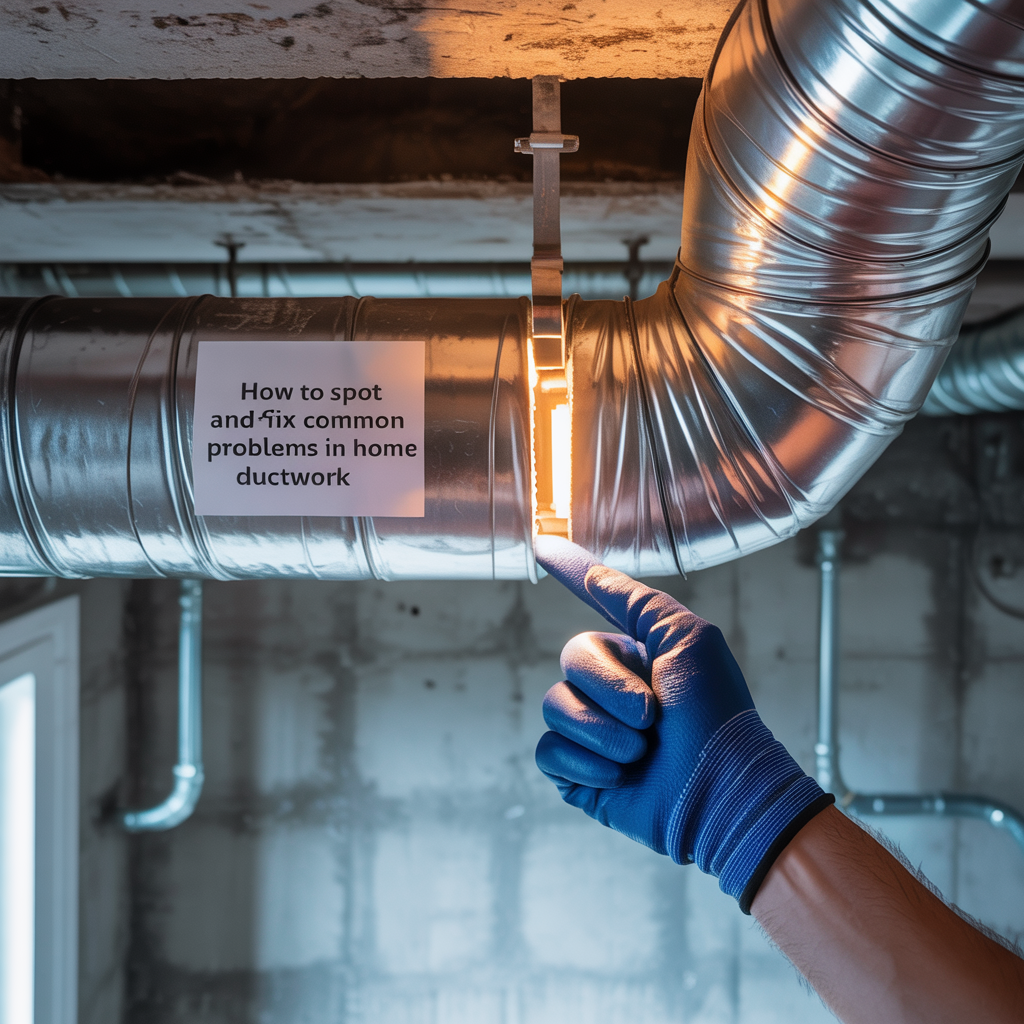
    Another pitfall is overlooking the importance of ductwork and system compatibility. A new, efficient HVAC unit may not perform well if the home’s ductwork is leaky, undersized, or poorly designed. Homeowners should also avoid focusing exclusively on upfront purchase price, since the operating costs of an improperly sized system will outweigh any initial savings. Working with an experienced HVAC contractor who considers long-term performance, energy efficiency ratings, and comfort level will help you avoid these common errors.


    Choosing the best HVAC system for your home size comes down to balancing efficiency, comfort, and practicality. By properly matching capacity to square footage and accounting for other home characteristics, you can ensure that your system runs at peak performance without wasting energy. Avoiding common mistakes, such as oversizing or ignoring ductwork, will save you money and extend your system’s lifespan.

    Ultimately, the right HVAC system is an investment in your comfort and your home’s value. With professional guidance and a clear understanding of how home size impacts performance, you can make a choice that keeps your living space consistently comfortable throughout the year while maintaining energy efficiency for the long run. All American HVAC, Inc., 626.736.0962
  • How Long Does a Residential HVAC System Usually Last

    HVAC units

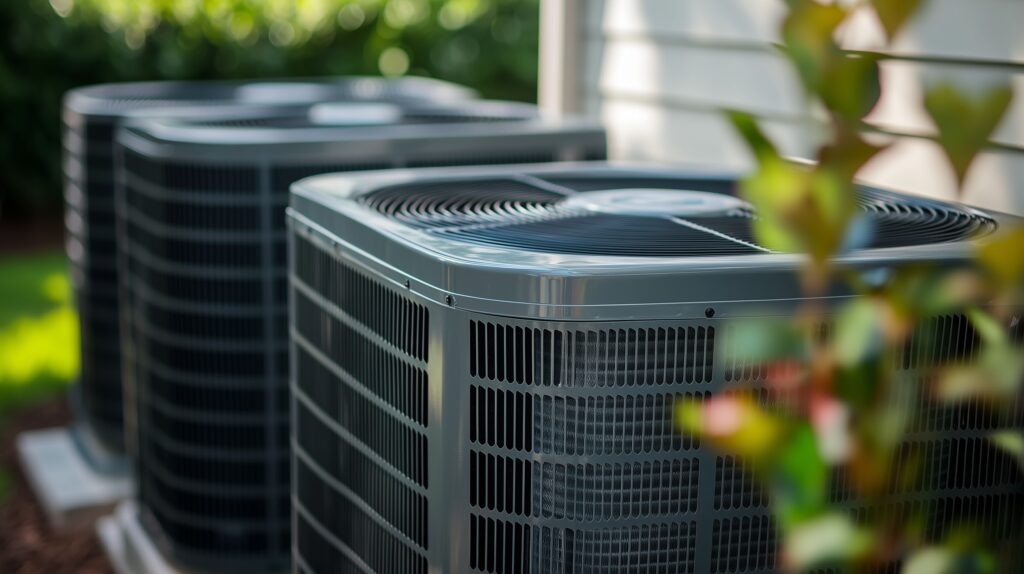
    A residential HVAC system is one of the most important components of a home, keeping indoor environments comfortable year-round. Homeowners often wonder how long these systems typically last before needing replacement. While no two systems are exactly alike, industry averages and maintenance practices provide a good idea of what to expect. Understanding these timelines can help households budget and plan ahead for repairs or upgrades.

    Understanding the Typical Lifespan of Home HVAC Units

    On average, a residential HVAC system lasts between 10 and 20 years, depending on its design, usage, and upkeep. Central air conditioners typically run well for about 12 to 15 years, while furnaces may perform for 15 to 20 years. Heat pumps tend to fall somewhere in the middle, with a typical range of 10 to 15 years. These lifespans reflect normal operating conditions, meaning a system that is neither overworked nor neglected.

    It’s worth noting that today’s systems are often more efficient than older ones, which can offer savings in energy costs even before the system reaches the end of its lifespan. In many cases, a unit nearing 10 to 15 years old may still be working but could operate at a much higher energy cost compared to newer models. This often influences the decision to replace an HVAC system sooner rather than later, as long-term efficiency gains may outweigh the remaining years of use.

    Key Factors That Influence How Long Your System Lasts

    Maintenance plays the biggest role in determining how long a residential HVAC system will last. Units that receive annual inspections, filter replacements, and cleaning of key components almost always outlive those that do not. Proper installation is another crucial factor—if the system is incorrectly sized for the home or poorly installed, its components tend to wear out much more quickly.

    Other factors, such as climate and household usage, also make a difference. For example, a system in a hot, humid environment that runs almost constantly will likely experience more wear and tear than one in a moderate climate with less demand. Similarly, households that adjust thermostats frequently or push the system to extreme settings may shorten the life of the equipment. Ultimately, the combination of proper care, correct installation, and reasonable usage can help maximize the system’s service life.

    While residential HVAC systems do have an average life expectancy of 10 to 20 years, no two units are exactly the same. The way a system is used and maintained can significantly extend or shorten that timeframe. By scheduling regular maintenance, staying alert to efficiency changes, and planning ahead for replacement, homeowners can ensure their HVAC systems serve their households as long as possible—and do so efficiently. All American HVAC, Inc., 626.736.0962