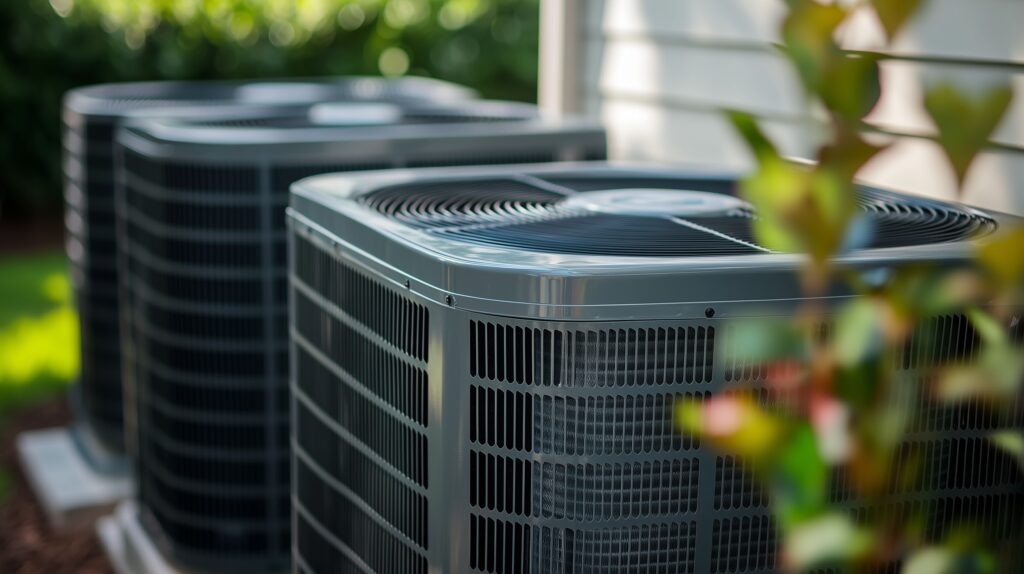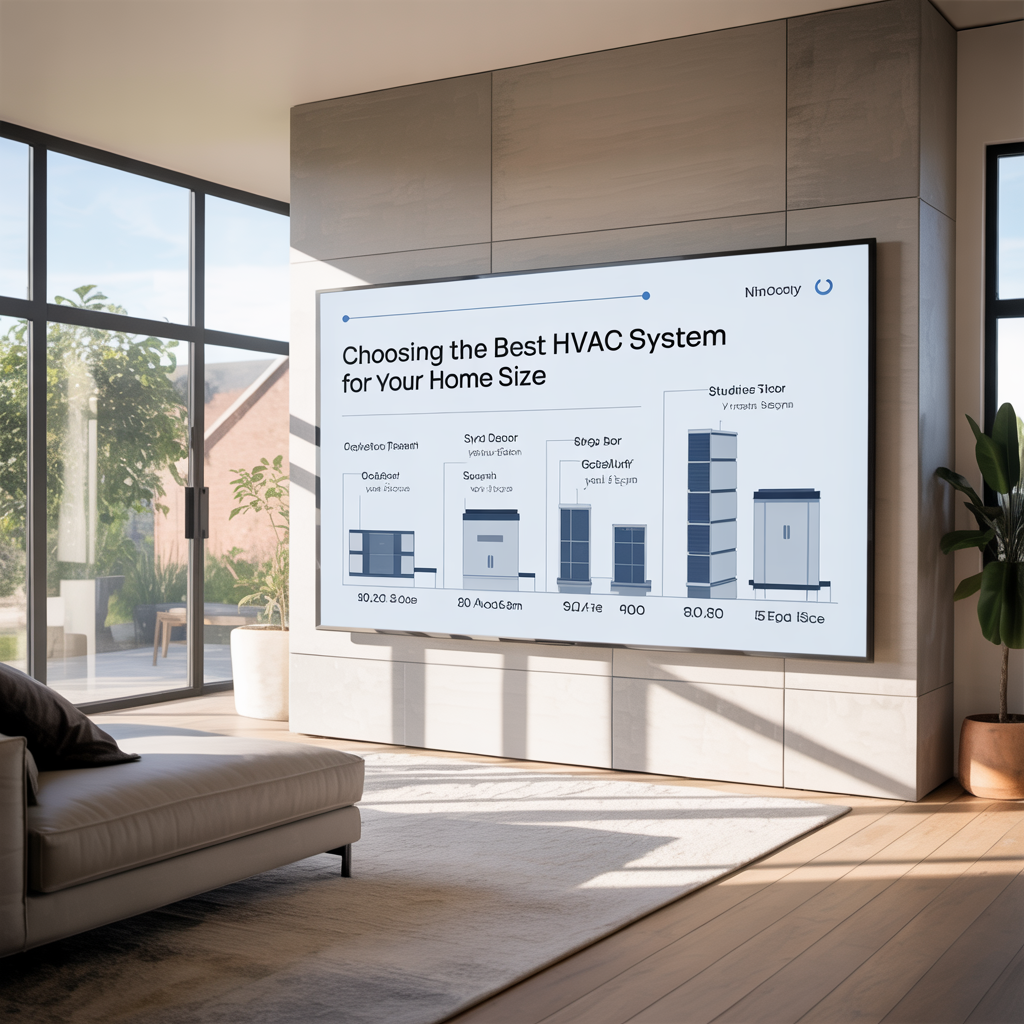
Choosing the right heating, ventilation, and air conditioning (HVAC) system for your home isn’t just about comfort—it’s also about efficiency, cost savings, and long-term performance. Many homeowners underestimate the role that home size plays in determining the best system, only to face higher energy bills and uneven temperatures later on. By carefully assessing your property and understanding the connection between system capacity and square footage, you can make an informed choice that benefits both your comfort and your budget.
Selecting the right system requires more than just knowing your home’s square footage. Insulation, ceiling height, number of rooms, and even sun exposure all impact your HVAC needs. Whether you live in a small apartment, a mid-sized suburban home, or a large family residence, matching system strength to space is the foundation of efficiency. With the right approach, homeowners can keep consistent indoor air quality and temperature control while avoiding unnecessary strain on the equipment.
Key Factors to Match HVAC Systems with Home Size
The size of your home is one of the most important considerations when selecting an HVAC system. A system that is too small will run constantly, struggling to keep up with demand and leaving you uncomfortable on extreme weather days. On the other hand, an oversized system wastes energy by cycling on and off too often, leading to higher bills and premature wear on components. A professional load calculation, often called a Manual J calculation, accounts for not only square footage but also wall construction, number of windows, and orientation to the sun.
Beyond square footage, it’s vital to consider design details such as insulation levels and ceiling height. For example, a home with vaulted ceilings or large sun-facing windows requires greater cooling power compared to one with standard dimensions and shaded surroundings. Similarly, a well-insulated home may need a smaller system than a drafty structure of the same size. Tailoring the HVAC system to these factors ensures consistent comfort without unnecessarily inflating your energy costs.
Avoiding Common Mistakes in HVAC System Selection
One of the most common mistakes homeowners make is assuming “bigger is better.” Oversized systems not only waste energy but also fail to properly dehumidify the home, creating a cool yet clammy environment during summer. Another mistake is relying solely on assumptions or outdated rules-of-thumb for system sizing instead of having a professional calculation done. This misstep can lead to years of inefficiency and frustration, not to mention costly utility bills.
Another pitfall is overlooking the importance of ductwork and system compatibility. A new, efficient HVAC unit may not perform well if the home’s ductwork is leaky, undersized, or poorly designed. Homeowners should also avoid focusing exclusively on upfront purchase price, since the operating costs of an improperly sized system will outweigh any initial savings. Working with an experienced HVAC contractor who considers long-term performance, energy efficiency ratings, and comfort level will help you avoid these common errors.
Choosing the best HVAC system for your home size comes down to balancing efficiency, comfort, and practicality. By properly matching capacity to square footage and accounting for other home characteristics, you can ensure that your system runs at peak performance without wasting energy. Avoiding common mistakes, such as oversizing or ignoring ductwork, will save you money and extend your system’s lifespan.
Ultimately, the right HVAC system is an investment in your comfort and your home’s value. With professional guidance and a clear understanding of how home size impacts performance, you can make a choice that keeps your living space consistently comfortable throughout the year while maintaining energy efficiency for the long run. All American HVAC, Inc., 626.736.0962