When it comes to creating a comfortable home environment while keeping energy costs under control, your thermostat plays a crucial role. Many homeowners overlook just how much control they truly have with this small device, yet understanding and using its functions wisely can make a big difference in both comfort and utility bills. By learning how to read, interpret, and adjust your thermostat’s features, you can strike a balance between coziness and efficiency.
This article will guide you through the essentials of mastering your thermostat, from understanding its key functions to optimizing settings for energy savings. With just a few practical strategies and insights, you can make this everyday tool work smarter for you and your household.
Understanding Your Thermostat’s Key Functions
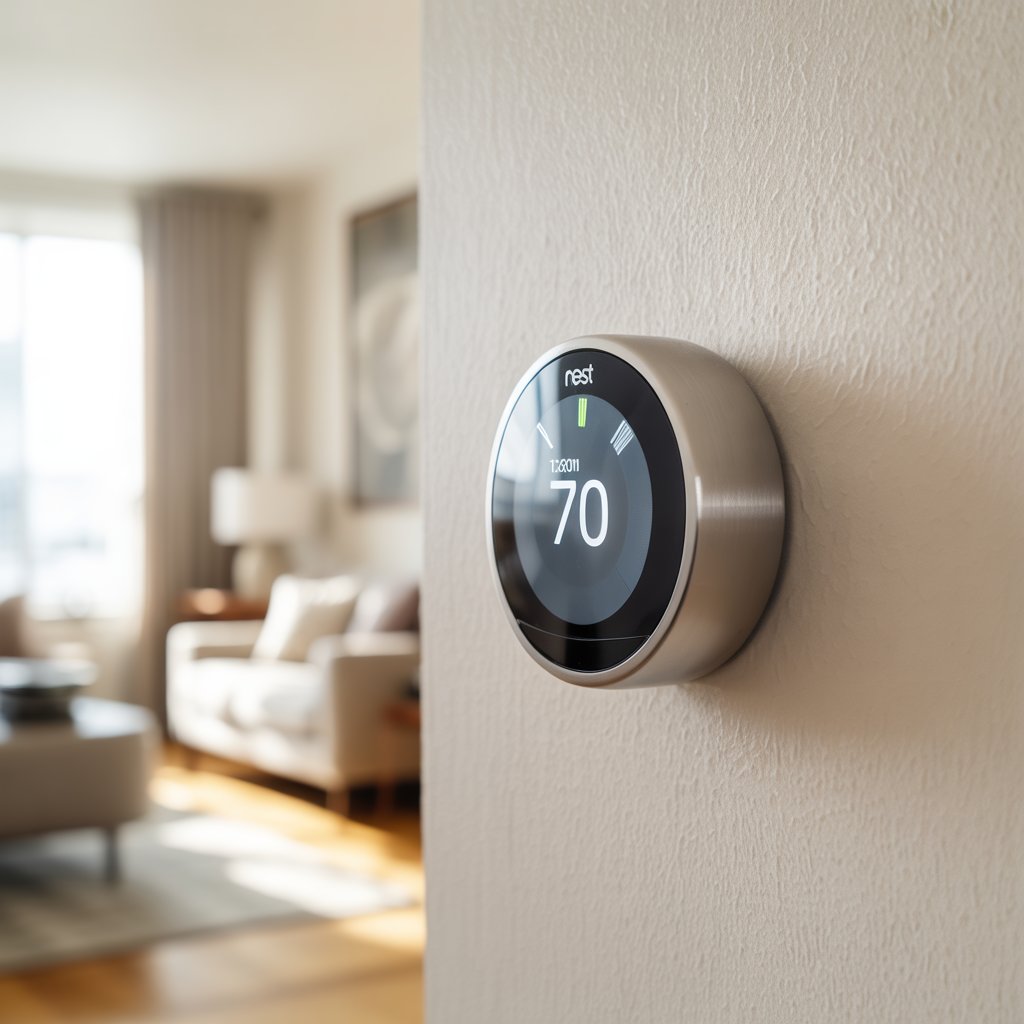
At its core, a thermostat works by monitoring the temperature of your home and signaling your heating or cooling system to adjust accordingly. Basic models allow you to manually set your preferred temperature, while modern programmable and smart thermostats come with advanced features such as scheduling, zoning, and even learning your daily habits. By getting familiar with your thermostat’s display icons, modes, and controls, you can respond more effectively to seasonal changes and daily comfort needs.
Reading your thermostat correctly means recognizing more than just the room temperature. For example, many thermostats provide indicators for system status, fan modes, and even filter notifications. Understanding these readings helps you stay proactive in maintaining both comfort and efficient operation. The more familiar you become with its features, the easier it becomes to tailor your home environment without unnecessary trial-and-error.
Balancing Comfort with Energy-Saving Settings
Once you understand how to read your thermostat, the next step is using that knowledge to find the sweet spot between comfort and efficiency. Energy experts often recommend adjusting your thermostat by just a few degrees depending on whether you’re at home, asleep, or away. For instance, lowering the heating slightly in winter during sleeping hours can save energy without noticeably affecting comfort. Programmable thermostats make this process even easier by letting you create automatic schedules based on your routine.
It’s important to remember that consistency also plays a key role. Frequently changing the temperature drastically can actually force your system to work harder and use more energy. Instead, aim for gradual adjustments and take advantage of built-in features like “eco” modes or occupancy sensors. By thoughtfully balancing your thermostat settings, you’ll not only enjoy a comfortable living space but also lower monthly costs and reduce your environmental footprint.
Learning to read and manage your thermostat is a skill that pays off in comfort, savings, and efficiency. By understanding its key functions and adjusting your settings strategically, you empower yourself to make smarter choices that benefit both your lifestyle and your energy bills.
Ultimately, your thermostat is more than just a temperature dial—it’s a tool that, when used effectively, can enhance your home environment throughout the year. With a little knowledge and the right approach, you can master your thermostat and create a balance between comfort and efficiency with ease. All American HVAC, Inc., 626.736.0962