Category: hvac service Covina

  • ⚙️The Power of Preventative HVAC Service

    Protecting Your Comfort and Savings
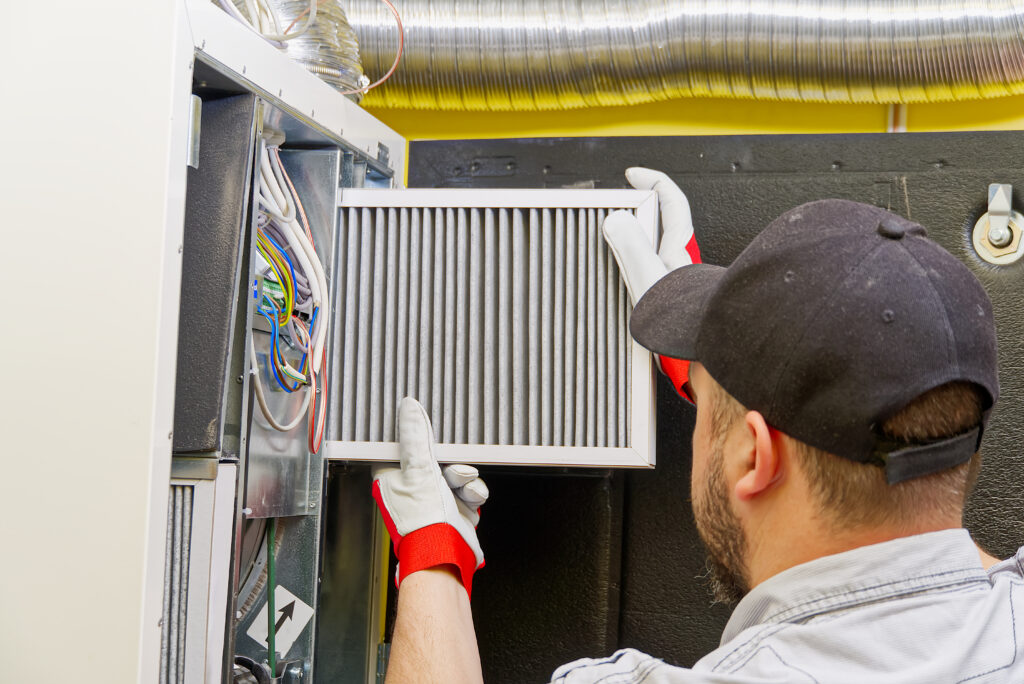
    The Power of Preventative HVAC Service

    Your HVAC system is one of the biggest investments in your home, and like any investment, it needs regular care to perform its best. Unfortunately, many homeowners don’t think about their heating or cooling systems until something goes wrong — often leading to costly repairs or replacements.

    The truth is, routine HVAC service is the key to keeping your system efficient, reliable, and long-lasting.

    Why HVAC Maintenance Is Essential

    Think of HVAC service as a health check-up for your home comfort system. It ensures every component — from the blower motor to the thermostat — works in harmony. Without regular service, dirt, dust, and wear can build up, causing the system to strain, overheat, or break down.

    The benefits of routine maintenance include:

    • Lower energy bills through improved efficiency
    • Reduced risk of unexpected breakdowns
    • Cleaner indoor air and better airflow
    • Extended system lifespan

    Regular maintenance can save homeowners up to 30% in energy costs annually and prevent up to 80% of common repair issues.

    What’s Included in Professional HVAC Service

    A comprehensive service visit typically includes:

    • Checking and replacing air filters
    • Cleaning coils, condensers, and blower parts
    • Inspecting refrigerant levels
    • Testing electrical connections and thermostat calibration
    • Lubricating moving parts
    • Ensuring safe operation of gas or heating components

    These steps not only keep your system running efficiently but also help detect potential problems before they become emergencies.

    Seasonal Maintenance: A Smart Schedule

    Experts recommend servicing your HVAC system twice a year — once in the spring (for cooling) and once in the fall (for heating). This timing ensures your system is ready before extreme temperatures hit.

    Spring tune-ups focus on your air conditioning components, while fall inspections prepare your furnace or heat pump for winter performance.

    The Long-Term Value of Regular Service

    Skipping maintenance might save money short-term, but it almost always leads to higher costs down the road. Dirty filters, clogged coils, and poor airflow make your system work harder, consuming more energy and shortening its lifespan.

    Routine service preserves your investment, giving you cleaner air, consistent comfort, and peace of mind.

    Conclusion

    Regular HVAC service isn’t just about preventing problems — it’s about protecting your comfort, your wallet, and your family’s health.

    📅 Schedule your annual HVAC maintenance today and keep your system running strong all year long! All American HVAC, Inc., 626.736.0962
  • 🏡The Importance of Professional HVAC Installation

    Building Comfort That Lasts

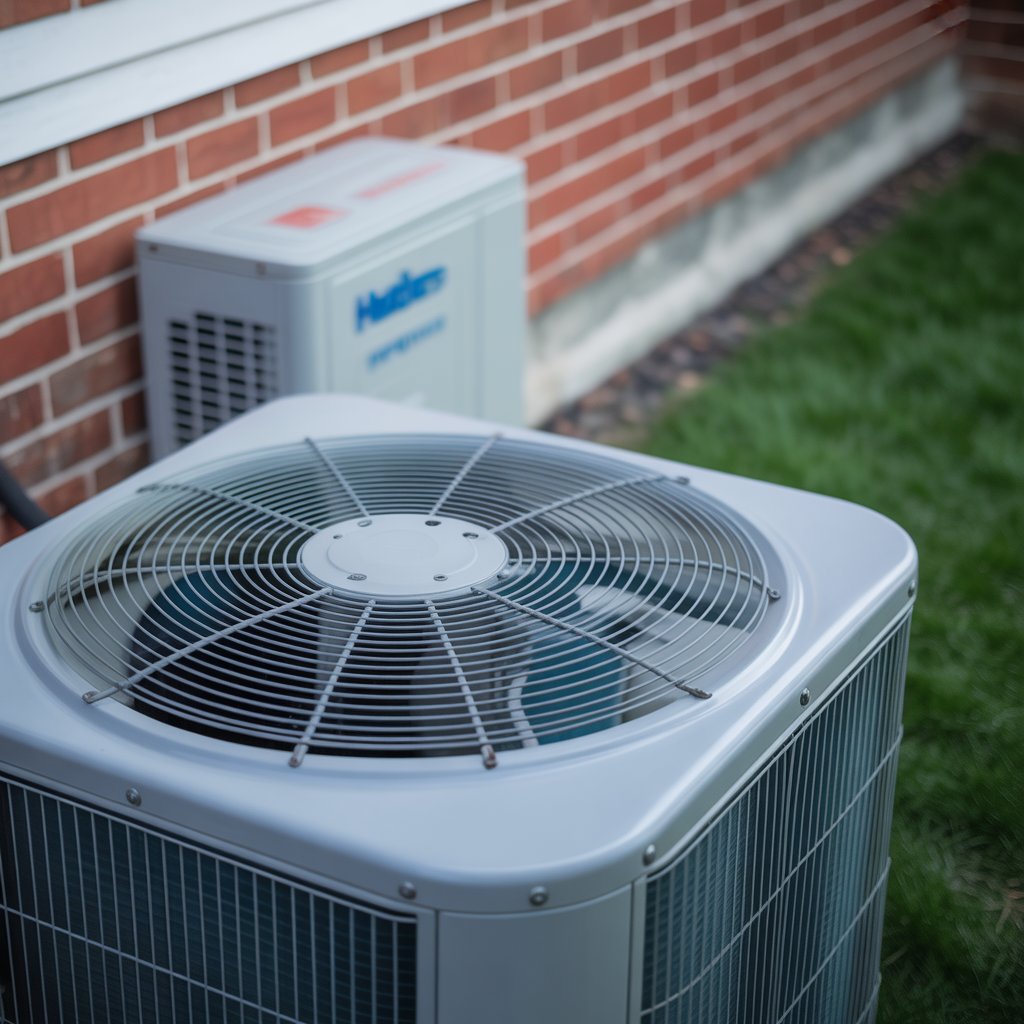
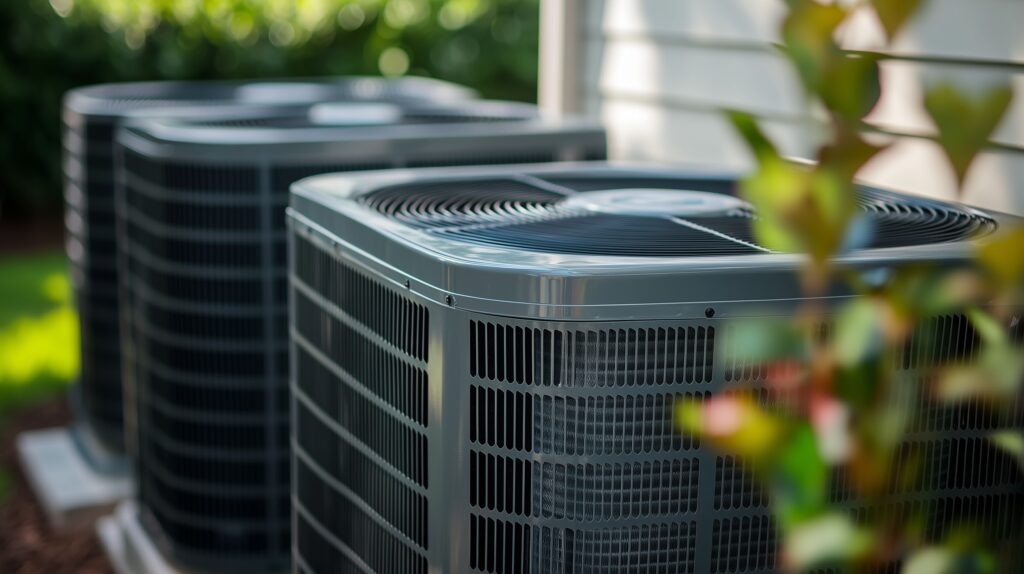
    The Importance of Professional HVAC Installation

    When it comes to home comfort, nothing matters more than your HVAC system. Whether it’s keeping you cool in the summer or warm in the winter, your heating and cooling equipment works hard every day to maintain a comfortable, healthy indoor environment. But what many homeowners overlook is that the quality of your HVAC installation plays a huge role in how well your system performs — not just now, but for years to come.

    Why Proper HVAC Installation Matters

    Even the most advanced, high-efficiency unit can’t perform at its best if it isn’t installed correctly. HVAC systems are complex, and proper installation involves much more than connecting pipes and power lines. It’s about precision, sizing, airflow balance, and long-term efficiency.

    A poorly installed system can lead to:

    • Uneven temperatures throughout your home
    • Higher energy bills due to inefficient operation
    • Frequent breakdowns and costly repairs
    • Premature system failure

    According to Energy Star, improper installation can reduce a system’s efficiency by up to 30% — wasting energy and money from day one. That’s why choosing a certified professional is crucial.

    The Installation Process: What to Expect

    When you work with a reputable HVAC company, installation begins with a comprehensive home assessment. Technicians evaluate your home’s square footage, insulation, ductwork, and existing system to determine the correct size and type of unit for your needs.

    Next, they carefully remove your old equipment, inspect and seal ducts, and install the new system using manufacturer-approved methods. They also calibrate your thermostat, test airflow, and ensure that every component works efficiently together.

    Choosing the Right System

    Selecting the right HVAC system isn’t a one-size-fits-all process. Factors like your home’s layout, energy usage, and climate all play a role. A professional installer can help you choose between options like:

    • Central Air Systems for whole-home comfort
    • Heat Pumps for energy-efficient heating and cooling
    • Ductless Mini-Splits for targeted zone control

    Modern systems also come with smart technology, humidity control, and variable-speed motors that improve comfort and reduce energy costs.

    The Benefits of Professional Installation

    • Energy Efficiency: Correct installation ensures your system runs at peak performance.
    • Longevity: Proper setup reduces wear and tear, extending your system’s lifespan.
    • Warranty Protection: Most manufacturers require certified installation to maintain warranty coverage.
    • Better Air Quality: Properly sealed ducts and calibrated airflow improve indoor air health.

    Final Thoughts

    Investing in a professional HVAC installation isn’t just about comfort — it’s about long-term peace of mind. When done right, your system will perform efficiently, save money, and keep your home cozy for years to come.

    📞 Ready to upgrade your comfort? Contact our licensed technicians today for a free HVAC installation consultation. All American HVAC, Inc., 626.736.0962

  • Signs Your HVAC System Needs Repair

    Signs Your HVAC System Needs Repair

    It’s easy to take your heating and cooling system for granted—until something goes wrong. Your HVAC unit often gives warning signs before it completely breaks down. Paying attention to these signs and scheduling timely repairs can save you from major headaches (and expenses) later.

    1. Unusual Noises

    If you hear grinding, banging, or squealing sounds, your system may have loose parts, a failing motor, or debris in the blower. These noises should never be ignored—call a technician to inspect and repair the issue before it worsens.

    2. Uneven Heating or Cooling

    When some rooms are too hot while others are too cold, your HVAC system may be struggling with airflow problems, duct leaks, or a malfunctioning thermostat. A repair professional can diagnose the cause and restore balanced comfort.

    3. Weak or Warm Airflow

    If your vents are blowing weak air or not cooling as they should, there could be a blockage, refrigerant leak, or compressor issue. Prompt repair keeps your system from overworking and prevents higher energy costs.

    4. Short Cycling or Constant Running

    Your system should cycle on and off in consistent patterns. If it’s constantly running or shutting off too quickly, it’s using excess energy and wearing out components faster. A repair can correct this and restore proper operation.

    5. Rising Utility Bills

    An unexplained spike in your energy bill often signals inefficiency or a malfunction. Technicians can identify the cause—whether it’s dirty coils, worn parts, or thermostat issues—and get your system back to normal.

    6. Strange Smells or Poor Air Quality

    Burning, musty, or chemical odors coming from your vents can indicate electrical issues, mold, or refrigerant leaks. These are safety concerns that need immediate professional attention.

    7. Age of Your System

    If your HVAC unit is over 10–15 years old and needs frequent repairs, it may be time to discuss replacement options. A technician can help you decide whether repair or replacement makes the most sense.

    When your HVAC system starts acting up, don’t wait until it fails completely. Calling for professional repair early can prevent further damage, save on costs, and ensure your home stays comfortable when you need it most. All American HVAC, Inc., 626.736.0962

  • A Homeowner’s Guide to Professional HVAC Installation

    A Homeowner’s Guide to Professional HVAC Installation

    Whether you’re building a new home or replacing an outdated unit, HVAC installation is one of the most important decisions you’ll make for comfort and efficiency. A properly installed system doesn’t just keep you cool in the summer and warm in the winter—it saves energy, reduces noise, and provides consistent comfort throughout your home.

    1. Choosing the Right System

    A professional HVAC installer begins by assessing your home’s unique needs. Factors like square footage, insulation, window placement, and even ceiling height all affect which system is best.
    Too small, and the unit will run constantly; too large, and it’ll cycle on and off inefficiently. Your technician will perform a load calculation to find the perfect fit.

    2. Energy Efficiency Matters

    Modern HVAC systems are far more energy-efficient than older models. Look for a high SEER (Seasonal Energy Efficiency Ratio) rating for air conditioners and an AFUE (Annual Fuel Utilization Efficiency) rating for furnaces.
    Investing in a high-efficiency unit might cost more upfront but pays for itself through lower utility bills and fewer repairs over time.

    3. The Installation Process

    Once you’ve selected the right system, your HVAC team will:

    • Remove the old equipment (if replacing)
    • Prepare or update ductwork for proper airflow
    • Install the indoor and outdoor units
    • Calibrate the thermostat and test performance
      A high-quality installation ensures the system runs smoothly and evenly distributes conditioned air throughout your home.

    4. Why Professional Installation Matters

    DIY or poorly done installations can lead to airflow problems, leaks, short cycling, and higher energy costs. Certified HVAC technicians follow manufacturer guidelines, ensuring your warranty remains valid and your system performs to its full potential.

    5. Post-Installation Care

    After installation, your technician should explain system settings, filter maintenance, and recommended service intervals.
    Scheduling your first maintenance visit within the first year helps keep the system running like new.

    Bottom line: Proper HVAC installation is about more than just setting up equipment—it’s about designing comfort and efficiency that last for years. With the right team, your new system will deliver reliable performance, cleaner air, and lower energy bills from day one. All American HVAC, Inc., 626.736.0962
  • Why Regular HVAC Service Is Essential for Comfort & Efficiency

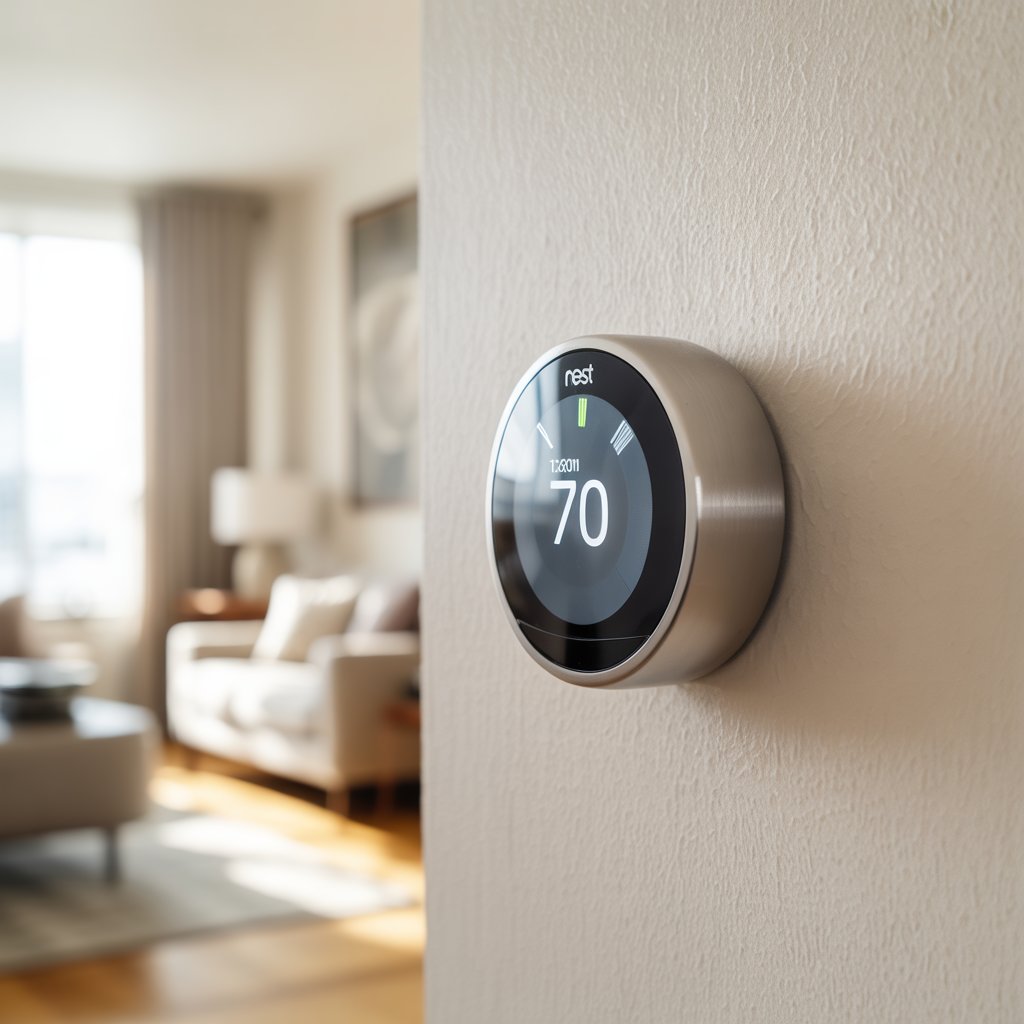
    Why Regular HVAC Service Is Essential for Comfort & Efficiency

    Your HVAC system quietly works behind the scenes, keeping your home comfortable through every season. Yet, like any machine, it needs regular attention to perform its best. Many homeowners overlook HVAC service until something goes wrong—but routine maintenance can actually save you time, money, and frustration in the long run.

    1. Improve Efficiency and Lower Energy Bills

    Over time, dust, debris, and normal wear can cause your HVAC system to work harder than necessary. Filters clog, coils get dirty, and airflow becomes restricted. A professional service visit includes cleaning these critical components, which helps your system run more efficiently.
    An efficient system uses less energy, meaning lower monthly bills and a smaller environmental footprint.

    2. Extend the Lifespan of Your Equipment

    Your HVAC system is a big investment, and regular maintenance helps protect that investment. During a tune-up, technicians check for small issues—like worn belts or loose connections—before they become major, costly repairs.
    Think of it like taking your car in for an oil change. Preventive care keeps everything running smoothly and helps your system last years longer.

    3. Improve Indoor Air Quality

    When your HVAC system is clean, your air is cleaner, too. A dirty system circulates dust, allergens, and pollutants through your home. Replacing filters and cleaning coils during service visits ensures your family breathes healthier air.

    4. Prevent Costly Breakdowns

    There’s nothing worse than your air conditioner failing on the hottest day of summer—or your heater giving out during a cold snap. Regular service helps catch potential problems early, reducing the risk of sudden breakdowns and emergency repair bills.

    5. Enjoy Peace of Mind

    Knowing your system has been checked and tuned by professionals gives you confidence that your home will stay comfortable no matter the weather.

    Scheduling regular HVAC service keeps your system efficient, your energy bills low, and your family comfortable. Aim for a professional tune-up at least once a year—ideally in spring for your A/C and fall for your heater. It’s the easiest way to ensure comfort and reliability year-round. All American HVAC, Inc., 626.736.0962
  • Mastering Your Thermostat for Comfort and Efficiency

    Mastering Your Thermostat for Comfort and Efficiency

    When it comes to creating a comfortable home environment while keeping energy costs under control, your thermostat plays a crucial role. Many homeowners overlook just how much control they truly have with this small device, yet understanding and using its functions wisely can make a big difference in both comfort and utility bills. By learning how to read, interpret, and adjust your thermostat’s features, you can strike a balance between coziness and efficiency.

    This article will guide you through the essentials of mastering your thermostat, from understanding its key functions to optimizing settings for energy savings. With just a few practical strategies and insights, you can make this everyday tool work smarter for you and your household.


    Understanding Your Thermostat’s Key Functions

    At its core, a thermostat works by monitoring the temperature of your home and signaling your heating or cooling system to adjust accordingly. Basic models allow you to manually set your preferred temperature, while modern programmable and smart thermostats come with advanced features such as scheduling, zoning, and even learning your daily habits. By getting familiar with your thermostat’s display icons, modes, and controls, you can respond more effectively to seasonal changes and daily comfort needs.

    Reading your thermostat correctly means recognizing more than just the room temperature. For example, many thermostats provide indicators for system status, fan modes, and even filter notifications. Understanding these readings helps you stay proactive in maintaining both comfort and efficient operation. The more familiar you become with its features, the easier it becomes to tailor your home environment without unnecessary trial-and-error.


    Balancing Comfort with Energy-Saving Settings

    Once you understand how to read your thermostat, the next step is using that knowledge to find the sweet spot between comfort and efficiency. Energy experts often recommend adjusting your thermostat by just a few degrees depending on whether you’re at home, asleep, or away. For instance, lowering the heating slightly in winter during sleeping hours can save energy without noticeably affecting comfort. Programmable thermostats make this process even easier by letting you create automatic schedules based on your routine.

    It’s important to remember that consistency also plays a key role. Frequently changing the temperature drastically can actually force your system to work harder and use more energy. Instead, aim for gradual adjustments and take advantage of built-in features like “eco” modes or occupancy sensors. By thoughtfully balancing your thermostat settings, you’ll not only enjoy a comfortable living space but also lower monthly costs and reduce your environmental footprint.


    Learning to read and manage your thermostat is a skill that pays off in comfort, savings, and efficiency. By understanding its key functions and adjusting your settings strategically, you empower yourself to make smarter choices that benefit both your lifestyle and your energy bills.

    Ultimately, your thermostat is more than just a temperature dial—it’s a tool that, when used effectively, can enhance your home environment throughout the year. With a little knowledge and the right approach, you can master your thermostat and create a balance between comfort and efficiency with ease. All American HVAC, Inc., 626.736.0962
  • How to Tell When Your HVAC System Needs Expert Care

    How to Tell When Your HVAC System Needs Expert Care

    Your HVAC system is the unsung hero of your home, quietly keeping you comfortable through sweltering summers and chilly winters. But like any hardworking appliance, it can develop issues over time that require prompt attention. The challenge for many homeowners is knowing when it’s time to take matters into their own hands with basic upkeep, and when calling in a professional is the smartest move. Recognizing the warning signs early can save you money, extend the life of your system, and ensure your household remains safe and comfortable.

    Common Warning Signs Your HVAC System Needs Help

    One of the most obvious signs your HVAC system may be struggling is inconsistent temperatures throughout your home. If certain rooms feel much warmer or cooler than others despite adjusting the thermostat, this could mean airflow problems, failing components, or even issues with the ductwork. Strange noises such as banging, hissing, or grinding are also red flags, often pointing to mechanical breakdowns or refrigerant leaks that need immediate attention.

    Another clear indicator that your system may require expert care is a sudden spike in utility bills. An inefficient system has to work harder, using more energy to produce the same results. Likewise, if you notice a musty odor or excess humidity indoors, this could mean that your HVAC is failing to regulate air quality properly. All of these signs shouldn’t be ignored, as they often point to deeper problems that could worsen with time if not addressed by a professional.

    When DIY Won’t Cut It: Call an HVAC Professional

    Homeowners can handle basic tasks like changing filters, keeping vents clear, and maintaining a clean outdoor unit. However, when the problem goes beyond routine upkeep—like refrigerant leaks, electrical issues, or thermostat malfunctions—it’s time to get help from a certified HVAC specialist. Attempting complex repairs without proper training not only risks damaging your system further but could also create serious safety hazards.

    Professional technicians have the tools and expertise to diagnose hidden problems quickly and accurately, saving you both time and money in the long run. They can also perform thorough preventative maintenance—such as checking refrigerant levels, testing safety controls, and inspecting ductwork—that ensures your system runs efficiently year-round. By knowing when to make the call, you’ll protect your investment and keep your home comfortable through every season.

    Your HVAC system provides comfort you can easily take for granted until problems arise. Paying attention to the warning signs and knowing when expert intervention is needed helps prevent costly breakdowns and keeps your home running smoothly. Whether it’s unusual sounds, poor airflow, or rising energy bills, recognizing these red flags early means you can act before a small issue becomes a big repair. Partnering with a trusted HVAC professional ensures peace of mind and keeps your system performing its best for years to come. All American HVAC, Inc., 626.736.0962
  • Heat Pump vs Traditional AC Choosing the Best Option

    Heat Pump vs Traditional AC

    When it comes to keeping your home comfortable, selecting the right cooling system is a critical decision. Many homeowners face the choice between a heat pump and a traditional air conditioner, each offering its own set of benefits and limitations. To make the right choice, it’s important to understand not just how they work, but also how they compare in terms of efficiency, cost, and long-term performance.

    Comparing Efficiency: Heat Pumps vs. Traditional AC

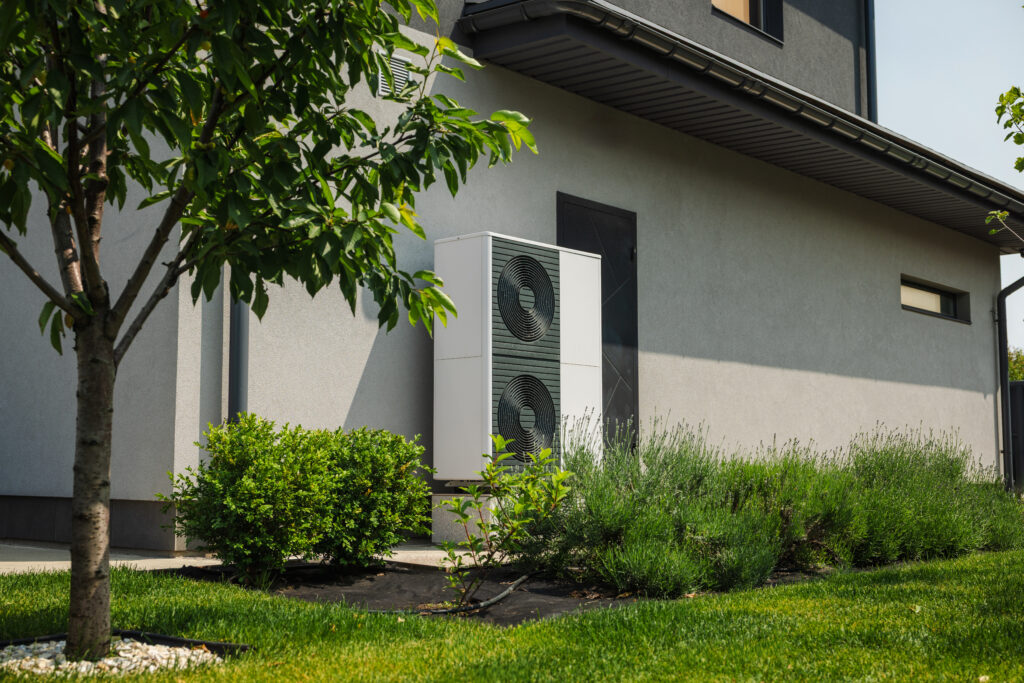
    Heat pumps stand out because they can both heat and cool a home, unlike traditional AC units, which only provide cooling. By transferring heat rather than generating it, heat pumps typically use less energy during operation. This makes them especially valuable in moderate climates, where they can efficiently handle year-round temperature needs while reducing energy usage.

    Traditional air conditioners, on the other hand, are designed solely for cooling efficiency. In regions with very hot summers, a well-installed AC unit can quickly and effectively lower indoor temperatures. However, since they don’t provide heating, homeowners often need a separate system—like a furnace—when the weather gets cold. This adds another layer of energy use and higher operational costs over the lifespan of the equipment.

    Cost, Maintenance, and Long-Term Value Factors

    When it comes to initial investment, heat pumps usually carry a higher upfront cost than traditional AC units. However, this expense may balance out over time, thanks to their efficiency and dual functionality. For households that need both heating and cooling solutions, a heat pump eliminates the need for two separate systems, offering long-term savings and reducing household energy consumption.

    Maintenance requirements also play a role in the decision. Heat pumps generally need routine servicing to ensure performance, but they can sometimes face shorter lifespans in very cold climates due to the increased workload. Traditional AC systems, while often less expensive to purchase and replace, may lead to higher long-term costs if paired with a separate heating system. Ultimately, the value comes down to your climate, budget, and how important efficiency and versatility are to your household.

    Choosing between a heat pump and a traditional AC system depends heavily on your location, comfort needs, and long-term financial priorities. If you live in a mild climate and appreciate having a single system manage both heating and cooling, a heat pump may be the smarter choice. However, for areas with extreme heat or cold, sticking with a traditional AC paired with an efficient heating solution might make more sense. Evaluating efficiency, cost, and overall performance will ensure you select the option that keeps your home comfortable while offering the best value for years to come. All American HVAC, Inc., 626.736.0962

  • How to Spot and Fix Common Problems in Home Ductwork

    ducting problems

    Your home’s ductwork is a vital part of your heating and cooling system, yet it’s often overlooked until something goes wrong. Over time, ducts can develop leaks, accumulate debris, or become poorly sealed, which leads to inefficiency and discomfort indoors. Recognizing the warning signs and knowing how to address common issues can not only protect your comfort but also save you money on energy bills.

    In this article, we’ll discuss how to identify early indicators of ductwork problems and explore simple, practical solutions for improving your home’s airflow. By taking the time to understand your system, you can prevent small issues from turning into costly repairs while keeping your indoor environment healthier and more consistent.


    Recognizing Early Warning Signs in Your Ductwork

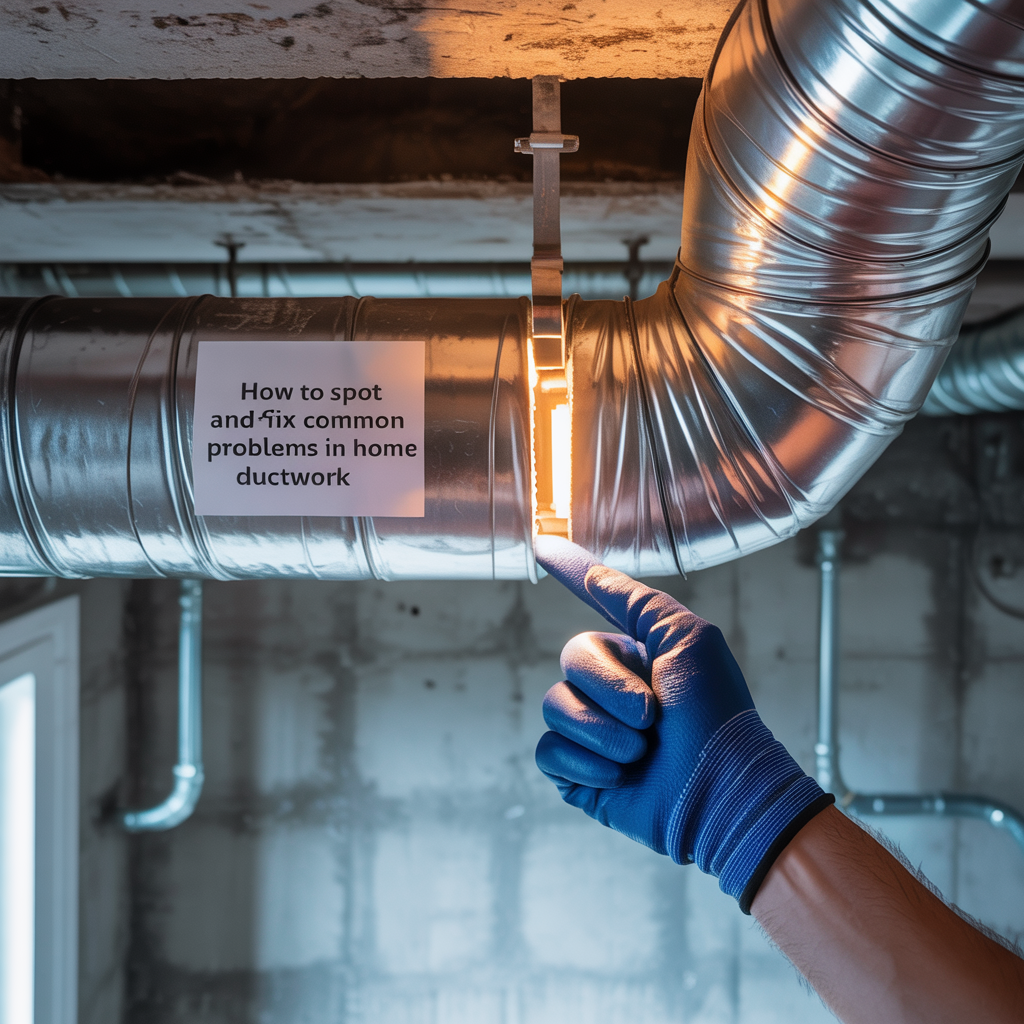
    One of the first ways to recognize trouble in your ductwork is noticing inconsistent temperatures throughout your home. For example, if one room feels chilly while another remains warm, this could indicate blockages, loose connections, or leaks within the duct system. Another early indicator may be unusual noises, such as rattling or whistling when the system is running. Sounds like this often signal that sections of ductwork are loose, bent, or improperly sealed.

    You may also detect signs in your indoor air quality. Excessive dust on surfaces, musty odors, or increased allergy symptoms can point to debris buildup or gaps in the ducts where outdoor air is being pulled in. Rising energy bills are another key signal that the system is working harder than it should due to poor airflow or leaks. Catching these clues early helps you address issues before they escalate into more serious or expensive problems.


    Practical Fixes for Common Home Airflow Problems

    Once you’ve identified issues, there are a few simple steps you can take to restore efficiency and comfort. Start by checking for visible leaks at duct joints and sealing them with foil-backed duct tape or mastic sealant, both of which are designed for HVAC use. You can also add insulation around exposed ducts, especially in unconditioned areas like attics or basements, to maintain more consistent indoor temperatures. Cleaning vents and replacing air filters regularly also helps reduce dust accumulation and improve airflow.

    For more persistent issues, such as obstructed ducts, crushed sections, or significant air leaks, it may be best to call in a professional. HVAC technicians can perform a pressure test, identify hidden leaks, and recommend upgrades, like duct resizing or balancing, to improve system performance. Tackling problems early not only ensures your heater or air conditioner operates efficiently but also helps extend the life of your entire HVAC system.


    Your ductwork may be out of sight, but it should never be out of mind. Paying attention to the early signs of trouble and addressing them with practical fixes can dramatically improve your home’s comfort, air quality, and energy efficiency. Small preventative steps such as sealing leaks, cleaning vents, and scheduling regular inspections go a long way in keeping your system running smoothly.

    By understanding how duct issues arise and what to do about them, you’ll be better prepared to maintain a healthier, more efficient home environment. Whether you handle the fixes yourself or seek professional support, proactive care of your ductwork ensures that your heating and cooling systems serve you well for years to come. All American HVAC, Inc., 626.736.0962

  • DIY or Professional HVAC Maintenance What to Know

    DIY or Professional HVAC Maintenance What to Know

    Taking care of your home’s HVAC system ensures comfort, energy efficiency, and long-lasting performance. But one big question many homeowners face is whether they should roll up their sleeves and handle maintenance themselves or call in a professional. The answer isn’t always straightforward, as both DIY care and professional service have their place in keeping your heating and cooling system in top shape.

    Understanding what you can safely do on your own—and what’s best left to licensed experts—can help you make smarter decisions, save money, and prevent costly mistakes. With a little knowledge, you can strike the right balance between hands-on upkeep and professional inspections, keeping your home environment reliable in every season.


    Deciding Between DIY and Professional HVAC Care

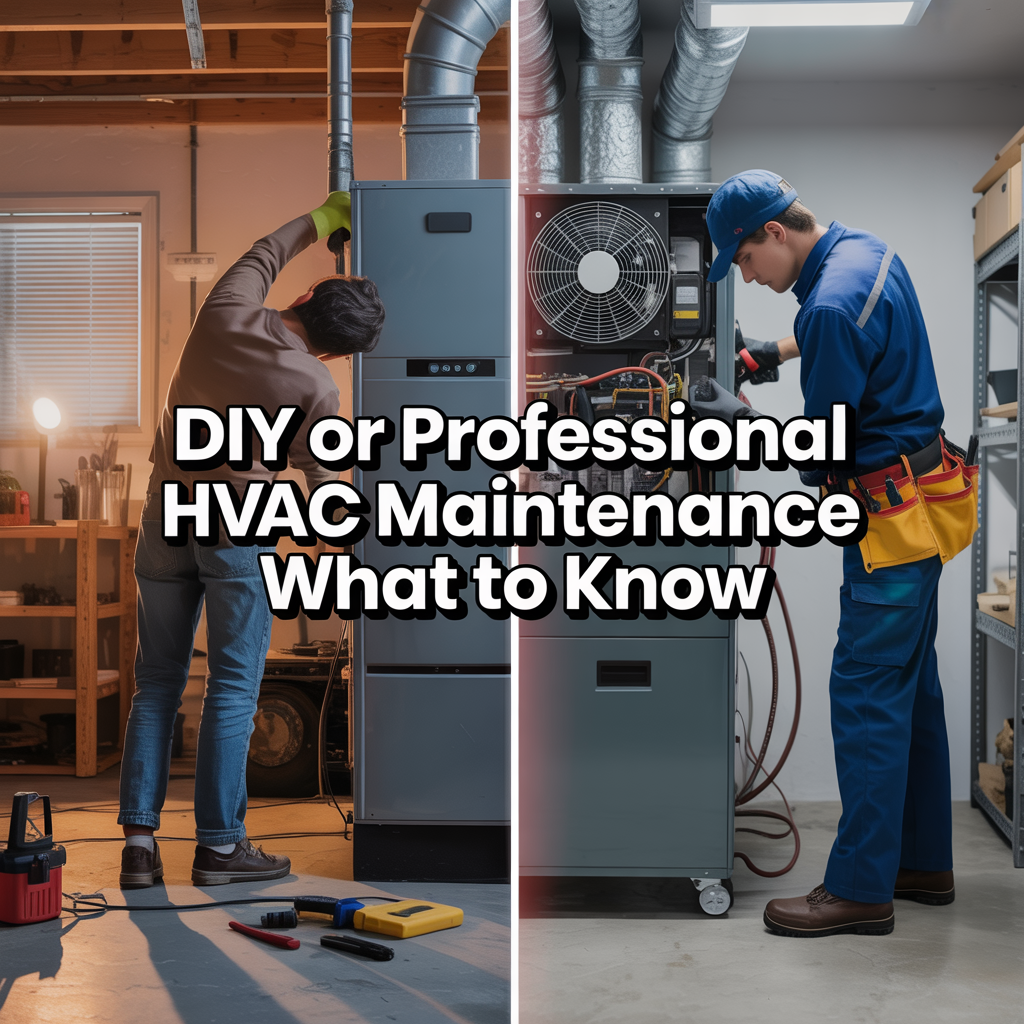
    At first glance, DIY HVAC maintenance seems appealing because it saves money and gives you control over how you care for your system. Simple tasks like checking filters or clearing debris from around the outdoor unit don’t require much expertise, and staying consistent with these habits can extend your system’s life. Homeowners who stay proactive often notice improved efficiency and fewer sudden issues, meaning monthly energy bills might even drop thanks to their efforts.

    On the other hand, professional HVAC care delivers the depth and precision most homeowners simply can’t match. Certified technicians have the tools, training, and safety knowledge to perform tasks ranging from refrigerant checks to system calibration. They can spot early warning signs you might overlook, preventing bigger problems down the road. While the upfront cost of professional service may feel steep, it often pays for itself in long-term system reliability and fewer emergency breakdowns.


    Tasks Homeowners Can Handle Versus Expert Jobs

    There are several HVAC maintenance tasks homeowners can safely complete on their own. For instance, replacing air filters every one to three months is a straightforward job that has a big impact on airflow and indoor air quality. Cleaning around the outdoor condenser unit and making sure vents aren’t blocked indoors are also simple but effective measures. These kinds of DIY checks keep your system from straining unnecessarily and provide peace of mind between professional visits.

    However, jobs involving electrical components, refrigerant handling, or in-depth mechanical repairs should never be attempted without proper training. Professionals are needed when it comes to inspecting wiring, balancing refrigerant levels, or diagnosing strange noises and odors. These tasks require specialized tools and certifications to ensure safety and compliance with local codes. Trying to DIY advanced maintenance can void warranties and create bigger problems, so knowing your limits is just as important as keeping up with routine home care.


    Maintaining your HVAC system is about finding the right balance between what you can do yourself and when you should call in an expert. Regular homeowner tasks help keep things running smoothly day-to-day, but professional inspections safeguard against hidden issues and keep your system operating at peak performance.

    By knowing which responsibilities fall into your hands and which require skilled expertise, you can avoid unnecessary risks and enjoy a more comfortable, efficient living space. Whether you lean toward DIY or rely more on professional care, the goal remains the same: a well-maintained HVAC system that keeps your home safe, cozy, and energy-efficient all year long. All American HVAC, Inc., 626.736.0962