🔄 Rebuilding Is More Than Construction — It’s Reinvention
As homeowners in Altadena and Pasadena continue rebuilding after the fires, every decision made today will shape the safety, comfort, and efficiency of their homes for decades. While roofing, framing, and interior finishes are highly visible parts of reconstruction, the HVAC system is the invisible backbone that keeps your home livable year-round.
Installing a new HVAC system during rebuilding is one of the most important upgrades you can make. It ensures reliable climate control, improves indoor air quality, and supports long-term energy savings. Most importantly, it allows your rebuilt home to perform better than it ever did before.
At All American HVAC, we are helping families throughout Altadena and Pasadena design and install modern heating and cooling systems built for resilience and efficiency.
🌫️ Why Fire-Affected Homes Need HVAC Replacement
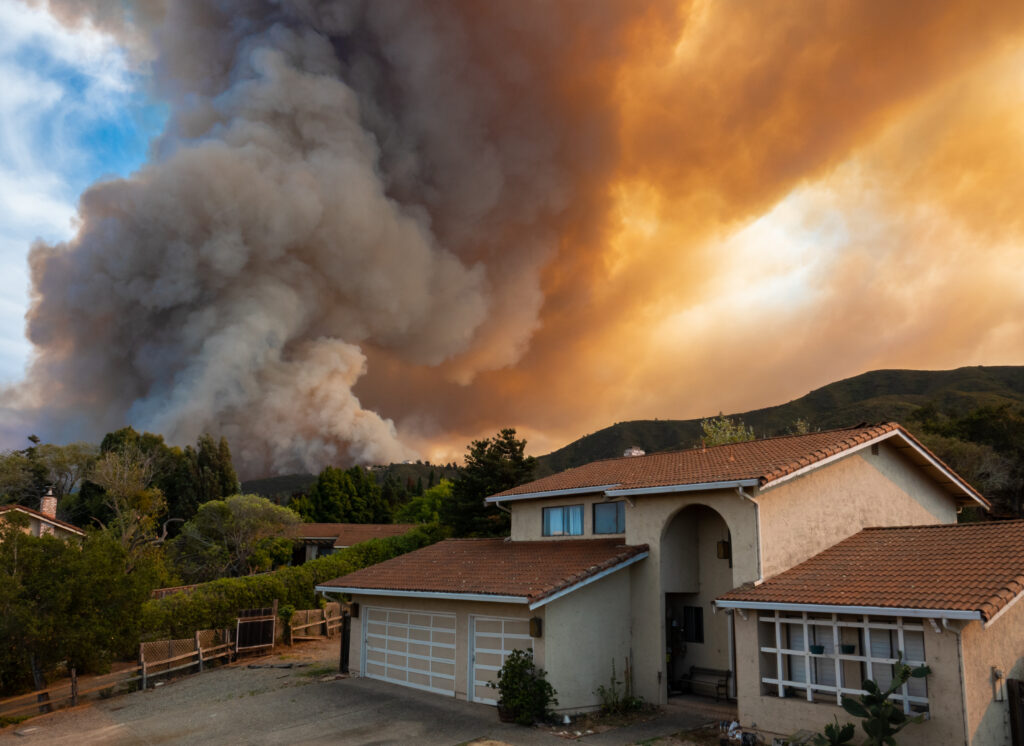
Wildfire damage is not always obvious. Even if flames did not directly destroy your heating and cooling equipment, smoke infiltration can contaminate internal components. Soot and microscopic ash particles can settle inside ductwork, air handlers, and coils.
Over time, this contamination affects airflow, efficiency, and indoor air quality. Simply cleaning the system may not eliminate deeply embedded residue. A complete fire damage HVAC replacement ensures your home starts fresh with uncontaminated equipment.
Choosing a new HVAC system after fire damage protects your family from lingering pollutants while restoring dependable heating and cooling performance.
🛠️ Why Reconstruction Is the Perfect Time to Upgrade
Rebuilding creates ideal conditions for installing a properly designed HVAC system. With open walls and updated structural elements, contractors can optimize duct placement and airflow design.
Many older homes in Altadena and Pasadena were built under outdated energy standards. Improved insulation, windows, and construction materials now allow homes to retain conditioned air more efficiently. Installing a new HVAC system in Altadena or Pasadena ensures your equipment is sized correctly for these upgrades.
Accurate load calculations prevent common problems like uneven temperatures, short cycling, and excessive energy use. Professional HVAC installation after fire ensures the system operates at peak efficiency from day one.
🌬️ Restoring Healthy Indoor Air
One of the most serious concerns after wildfire events is indoor air quality after wildfire exposure. Even homes that appear structurally sound may contain fine smoke particles trapped inside ventilation systems.
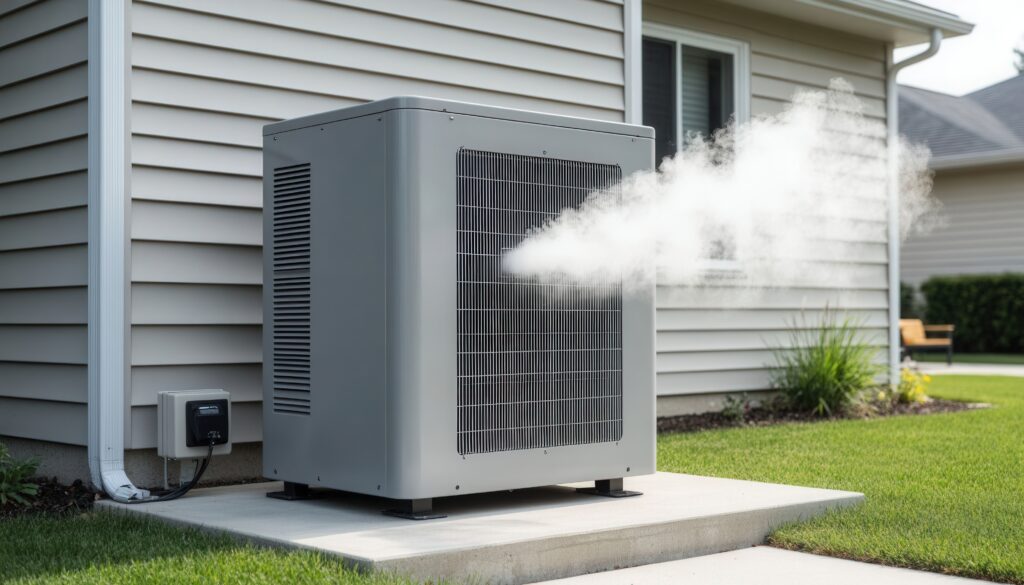
A new HVAC installation provides the opportunity to upgrade to advanced filtration systems that capture microscopic contaminants. Sealed ductwork reduces the risk of outside smoke infiltration during future fire seasons.
By investing in an energy efficient HVAC system, homeowners not only improve temperature control but also enhance air purity and overall comfort.
💡 Long-Term Energy Savings for Rebuilt Homes
Rebuilding is a significant investment, and installing efficient systems during construction can lead to long-term savings. A modern new HVAC system in Pasadena or Altadena uses advanced technology to reduce energy consumption while maintaining consistent comfort.
Variable-speed compressors adjust output to match your home’s needs, reducing wear and extending equipment lifespan. Lower utility bills and fewer repair costs make upgrading during reconstruction a smart financial decision.
When properly installed, modern systems deliver reliable performance for years while meeting California’s evolving energy efficiency standards.
🏗️ Preparing for the Future
Altadena and Pasadena are beautiful communities, but they remain in regions where wildfire risk is part of the environment. Rebuilding offers an opportunity to prepare for the future.
Strategically designed duct systems, properly sealed components, and updated ventilation controls help protect your home from smoke infiltration. A professionally planned HVAC installation after fire contributes to overall home resilience.
Working with an experienced HVAC contractor in Altadena or Pasadena ensures every detail is handled correctly, from equipment selection to final inspection.
⭐ Partnering With the Right Team
Choosing the right HVAC partner during rebuilding makes all the difference. At All American HVAC, we work closely with homeowners and contractors to coordinate installations that align with reconstruction timelines.
Our team focuses on proper sizing, precision installation, and long-term system performance. We understand the unique needs of fire-affected homes and provide solutions designed for safety, efficiency, and reliability.
🌟 Building Back Better Than Before
Rebuilding after the fires is an opportunity to create a stronger, more efficient home. Installing a new HVAC system ensures improved air quality, enhanced energy performance, and dependable year-round comfort.
If you are rebuilding in Altadena or Pasadena, trust All American HVAC, 626.736.0962 to help you design and install a system built for the future. Your comfort, safety, and efficiency start with the right HVAC foundation.
By All American HVAC | Serving Your Area | 📞 626.736.0962
Most homeowners don’t think about their HVAC system until something goes wrong. The reality is, your system is constantly working behind the scenes to keep your home comfortable—and when it begins to fail, it doesn’t usually happen all at once. Instead, it gives off a series of warning signs that, if recognized early, can help you avoid costly repairs or a complete breakdown.
Understanding the warning signs your HVAC unit is failing allows you to take control before small issues turn into major problems. In this post, we’ll walk through some of the more subtle—but equally important—signals that your HVAC system may be nearing the end of its life.
🏠 Hot and Cold Spots Throughout Your Home
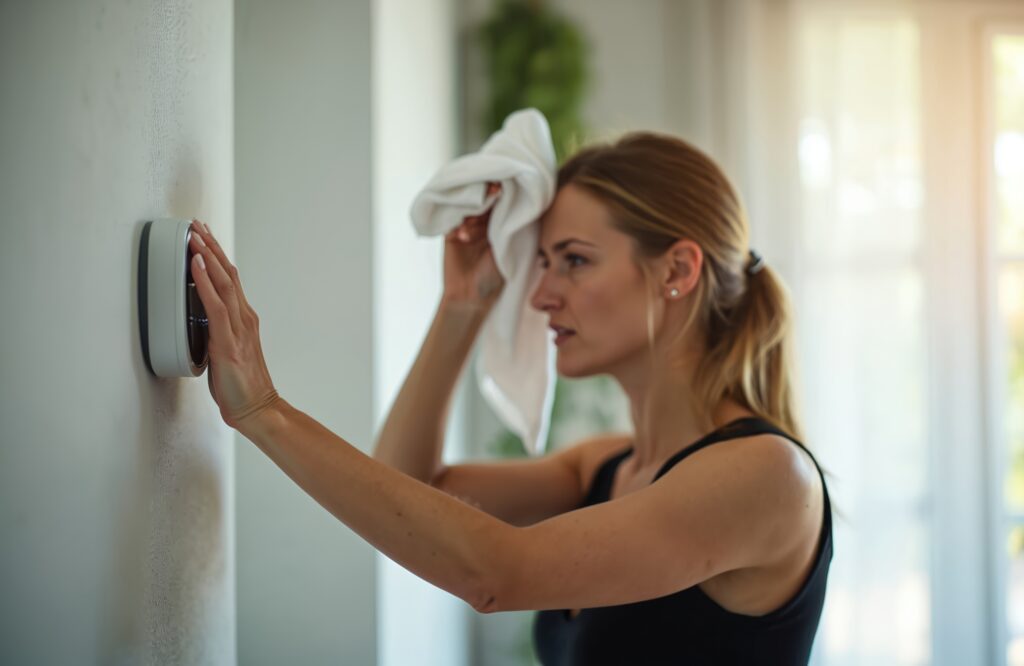
One of the most frustrating signs of HVAC trouble is uneven temperatures. You might notice that one room feels perfectly comfortable while another is too hot or too cold.
This issue often develops gradually, making it easy to overlook at first. However, it’s a strong indication that your system is no longer distributing air properly.
Common causes include:
Leaky or damaged ductwork
Airflow restrictions
Aging system components
Improper system balancing
When your HVAC system can’t maintain consistent temperatures, it has to work harder to compensate. This leads to increased wear and higher energy bills.
If your home no longer feels evenly comfortable, it’s time to call All American HVAC at 📞 626.736.0962 for a thorough inspection.
🌬️ Airflow Feels Weak or Inconsistent
Weak airflow is one of the clearest signs that something is wrong with your HVAC system. You may notice that air coming from your vents feels faint or inconsistent, even when the system is running.
This can be caused by:
Clogged air filters
Blocked or leaking ducts
A failing blower motor
Internal mechanical issues
Reduced airflow doesn’t just affect comfort—it forces your system to run longer cycles, increasing energy consumption and accelerating wear.
Ignoring airflow issues can lead to more serious problems, including system overheating and component failure.
🧾 Energy Bills Continue to Rise
A steady increase in your energy bills is often one of the first financial indicators that your HVAC system is failing.
As systems age or develop issues, they lose efficiency and require more energy to maintain the same level of comfort. This can result from:
Worn-out components
Dirty coils or filters
Refrigerant problems
Airflow restrictions
If your utility bills are climbing without any change in usage, your HVAC system is likely working harder than it should.
Addressing efficiency issues early can help you avoid unnecessary costs and extend the life of your system.
🔧 The System Requires Frequent Repairs
Every HVAC system needs occasional maintenance, but frequent repairs are a major red flag. If you’ve had to call for service multiple times within a short period, your system may be nearing the end of its lifespan.
Frequent repairs often indicate:
Multiple components are failing
The system is losing reliability
Repair costs are adding up quickly
At a certain point, continuing to repair an aging system becomes less practical than replacing it.
If you’re unsure whether to repair or replace, call 📞 626.736.0962. The team at All American HVAC can help you make an informed decision based on your system’s condition.
🔊 Strange Sounds Are Becoming More Common
While HVAC systems aren’t completely silent, they should never produce loud or unusual noises. If you’re hearing new or worsening sounds, it’s a sign that something inside the system is failing.
Common warning noises include:
Rattling or banging
Squealing or screeching
Buzzing or humming
Vibrations or shaking
Each of these sounds can indicate a different issue, but all of them require attention. Ignoring unusual noises can lead to more extensive damage and higher repair costs.
🌫️ Excess Dust and Poor Air Quality
If you’ve noticed an increase in dust around your home or a decline in indoor air quality, your HVAC system may be to blame.
A failing system may struggle to:
Filter out dust and allergens
Maintain proper humidity levels
Circulate clean air effectively
This can lead to:
Increased allergy symptoms
Stale or musty air
Visible dust buildup on surfaces
Improving your HVAC system’s performance can significantly enhance the air quality in your home.
🔄 The System Runs Longer Than It Should
If your HVAC system seems to run constantly without reaching the desired temperature, it’s a clear sign that it’s struggling to keep up.
This can be caused by:
Reduced efficiency
Airflow problems
Failing components
Incorrect system sizing
When your system runs longer cycles, it not only increases energy usage but also accelerates wear and tear.
🛑 Delayed Startup or Trouble Turning On
Another warning sign of HVAC failure is difficulty starting the system. You may notice that it takes longer to turn on, or that it doesn’t respond immediately when you adjust the thermostat.
This can indicate:
Electrical issues
Failing components
Thermostat problems
Delayed startup often signals that your system is under stress and may be approaching failure.
⏳ Your HVAC System Is Getting Older
Age is a major factor in HVAC performance. Most systems are designed to last between 10 and 15 years. As they age, they become less efficient and more prone to breakdowns.
Older systems often:
Require more frequent repairs
Consume more energy
Struggle to maintain consistent temperatures
If your system is approaching this age range and showing multiple warning signs, it may be time to consider a replacement.
🏠 Comfort Levels Are Declining
Ultimately, your HVAC system is responsible for maintaining comfort in your home. If you’re noticing that your home no longer feels as comfortable as it once did, your system may be failing.
Signs of declining comfort include:
Uneven temperatures
Increased humidity or dryness
Weak airflow
These issues indicate that your system is no longer performing at its best.
📞 Why Early Action Saves You Money
Ignoring HVAC warning signs can lead to:
Sudden system breakdowns
Expensive emergency repairs
Reduced system lifespan
Higher energy costs
Taking action early allows you to address small issues before they become major problems.
Call All American HVAC at 📞 626.736.0962 today for expert service and a professional evaluation. Whether you need a simple repair or a full system assessment, acting now can save you time, money, and stress.
Your comfort is too important to ignore—schedule your HVAC service today and stay ahead of costly problems.
When summer temperatures rise, your air conditioner must distribute cool air throughout your home efficiently. If certain rooms feel warmer than others, airflow from the vents seems weak, or the system runs for long periods without reaching the thermostat setting, you may have an HVAC airflow problem.
Proper airflow is essential for comfort, energy efficiency, indoor air quality, and reliable air-conditioning performance. Restricted circulation forces your HVAC system to work harder to move conditioned air, potentially increasing energy consumption and placing additional stress on important components.
Fortunately, some airflow problems have simple solutions. Others may involve the blower, ductwork, return-air system, or equipment sizing and require professional diagnosis. Here is how All American HVAC is helping La Verne homeowners can improve airflow and enjoy more consistent cooling this summer.
🧹 Replace a Dirty HVAC Air Filter
A clogged air filter is one of the most common causes of weak airflow from HVAC vents. Your system’s filter captures dust, hair, pollen, and other airborne particles before they circulate through the equipment and your home. As debris accumulates, the filter can become increasingly difficult for air to pass through.
Restricted airflow may cause:
Weak air coming from supply vents
Longer cooling cycles
Uneven indoor temperatures
Increased strain on the blower
Higher energy consumption
Reduced cooling performance
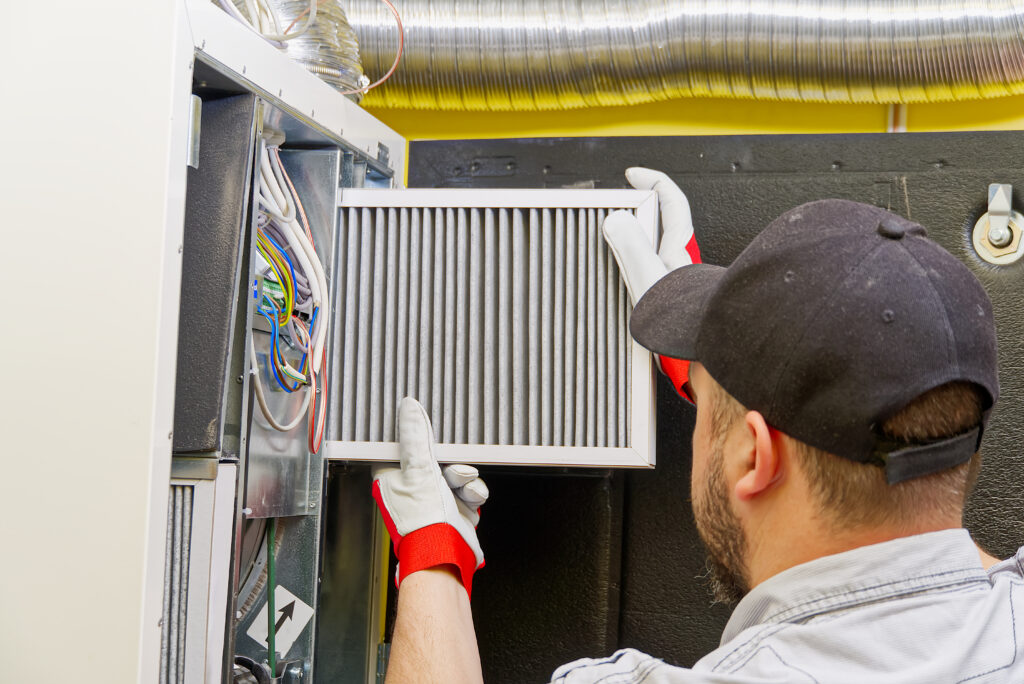
Check your HVAC filter regularly during the summer, when your air conditioner may operate more frequently. Replace it according to the filter manufacturer’s instructions and the needs of your household.
Homes with pets, ongoing construction, or higher dust levels may require more frequent filter changes. However, installing a filter that is too restrictive for your particular HVAC system can also interfere with airflow. If you are unsure which filter is appropriate, contact All American HVAC at 626.736.0962 for guidance.
🛋️ Keep Supply Vents Open and Unobstructed
Walk through your home and inspect every supply vent. Furniture, rugs, curtains, boxes, and other household items can partially or completely block airflow without homeowners realizing it.
Move objects away from the vents so conditioned air can enter each room freely. It is also helpful to remove visible dust from vent covers. Dust buildup may not always be the primary cause of a major airflow problem, but clean, unobstructed registers support better circulation.
Avoid closing multiple vents in unused rooms as a way to reduce cooling costs. Residential HVAC systems are designed to move a particular volume of air. Closing too many vents can increase pressure inside the ductwork and may contribute to comfort or performance problems.
For effective summer HVAC airflow, keep supply registers open unless an HVAC professional has recommended a specific balancing adjustment.
🏠 Do Not Block Return-Air Grilles
Supply vents deliver conditioned air, while return-air grilles allow indoor air to travel back to the HVAC system. Both sides of this circulation process are essential.
A return grille blocked by furniture or household items can limit the amount of air available to the system. This restriction may reduce cooling performance throughout the home rather than affecting only one room.
Leave adequate open space around return-air grilles. If your home consistently has rooms that feel stuffy, doors that move when the system starts, or noticeable pressure differences between rooms, the property may have an inadequate return-air pathway.
Bedrooms with closed doors can be particularly susceptible to return-air problems. A qualified technician can evaluate whether the current return system supports proper circulation throughout your La Verne home.
🌬️ Use Ceiling Fans to Improve Room Circulation
Ceiling fans do not lower the actual temperature of a room, but they move air across your skin and can make the space feel more comfortable. They can also help distribute cooled air more evenly.
During the summer, set ceiling fans to rotate in the direction that pushes air downward. Turn fans off when rooms are unoccupied because the cooling sensation benefits people rather than lowering the temperature of an empty space.
Ceiling fans should support your air conditioner, not compensate for severely restricted vent airflow. If little air is coming from the registers, the underlying HVAC problem should still be investigated.
🚪 Improve Air Movement Between Rooms
Your home needs clear pathways for air to travel from supply vents back to the return-air system. Closed interior doors may interrupt that path, especially in rooms without dedicated return grilles.
Leaving doors slightly open may improve circulation in some homes. Door undercuts, transfer grilles, jump ducts, or additional return-air provisions may offer more permanent solutions when room pressure is a recurring concern.
Do not modify doors, walls, or ductwork without understanding how the change may affect comfort, sound transfer, privacy, and system performance. An HVAC evaluation can determine whether poor return circulation is contributing to hot rooms during summer.
☀️ Reduce Heat Gain Inside Your Home
Reducing the amount of heat entering your home can make it easier for the cooling system to maintain comfortable temperatures. Although this does not directly increase airflow, it may reduce the cooling demand placed on the system.
Helpful steps include:
Closing blinds or curtains during the hottest part of the day
Using heat-producing appliances during cooler hours when practical
Sealing obvious gaps around doors and windows
Checking accessible areas for damaged weatherstripping
Using ceiling fans in occupied rooms
Avoiding unnecessary exterior-door openings
If one room remains unusually warm despite these efforts, the cause may involve insufficient duct airflow, air leakage, insulation conditions, window exposure, or another property-specific factor.
🔧 Have the Blower and Indoor Equipment Inspected
The blower moves air through your HVAC system and into the ductwork. If the blower wheel is dirty, the motor is not performing correctly, or the system has an electrical or control problem, airflow may suffer.
Indoor equipment can also accumulate dust and debris over time. Restricted airflow across internal components may affect both comfort and system operation.
Because HVAC equipment contains electrical components and moving parts, internal inspection and cleaning should be handled by a trained professional. All American HVAC can evaluate blower operation and other system conditions to determine why airflow is weak.
Call 626.736.0962 if your system makes unusual noises, produces very little airflow, or struggles to cool your home.
🕳️ Check for Leaking or Damaged Ductwork
Your air conditioner can produce cool air correctly and still leave rooms uncomfortable if that air escapes through damaged ducts before reaching the vents.
Ductwork problems may include:
Disconnected duct sections
Crushed or kinked flexible ducts
Loose connections
Gaps around joints
Deteriorated duct materials
Air leakage into attics, crawl spaces, or other unconditioned areas
Signs of leaking HVAC ductwork may include weak airflow, rooms that are consistently difficult to cool, excessive dust, or a noticeable increase in cooling costs.
Some ducts are difficult or unsafe for homeowners to access. A professional duct inspection can identify damaged areas and determine whether repair, sealing, or replacement is appropriate.
⚖️ Consider Professional Airflow Balancing
If some rooms receive strong airflow while others receive very little, the system may need HVAC airflow balancing. Balancing involves evaluating how conditioned air is distributed through the duct system and making appropriate adjustments.
The process may include inspecting registers, dampers, ducts, blower performance, and return-air pathways. The objective is to improve comfort throughout the home while maintaining suitable airflow across the HVAC equipment.
Simply closing vents in comfortable rooms is not a substitute for professional balancing. Random changes can alter duct pressure without correcting the underlying cause.
📏 Make Sure the HVAC System Is Properly Sized
A system that is too small may struggle to satisfy the home’s cooling demand during hot weather. A system that is too large may cool the air quickly but operate in short cycles, potentially contributing to uneven comfort and inadequate humidity control.
Equipment size should not be determined by square footage alone. Home layout, insulation, windows, air leakage, orientation, duct design, and other factors can affect cooling requirements.
If airflow and comfort problems have existed since the equipment was installed, improper HVAC sizing or duct design may be part of the issue. A professional assessment can help distinguish an equipment-sizing concern from maintenance, duct, or blower problems.
Preventive maintenance helps identify conditions that can interfere with cooling performance before they develop into more disruptive problems.
During a professional evaluation, a technician may inspect relevant system components, check operating conditions, assess airflow concerns, and look for visible signs of wear or restriction. The exact service performed will depend on your equipment and its condition.
Scheduling maintenance before or during the cooling season can help your air conditioner operate more effectively when your household needs it most.
⚠️ Know When Weak Airflow Requires Professional Help
Contact an HVAC professional when you notice:
Little or no air coming from multiple vents
Persistent hot or cold rooms
An air conditioner that runs almost continuously
Unusual noises from the indoor equipment
Sudden changes in airflow
Repeated filter problems
Large temperature differences between rooms
Visible duct damage
Cooling performance that continues to decline
Weak airflow should not be ignored. Continuing to operate a system with a significant restriction may increase energy use and place unnecessary strain on the equipment.
📞 Improve Your La Verne Home’s Airflow Today
Better airflow can help your home feel more comfortable, improve temperature consistency, and support efficient air-conditioner operation throughout the summer.
Start with the basics: check the air filter, open the supply vents, clear return-air grilles, and use ceiling fans in occupied rooms. If weak airflow or uneven cooling continues, the cause may involve the blower, ductwork, return-air system, or equipment design.
All American HVAC helps La Verne homeowners identify the source of summer air-conditioning airflow problems and determine the appropriate next step.
For a professional HVAC evaluation, call All American HVAC at 626.736.0962. Do not let weak vents or persistent hot rooms interfere with your summer comfort.
By All American HVAC | Serving Alta Dena & Pasadena | Call 626.736.0962
Choosing the right HVAC contractor isn’t just about who can get to your home the fastest—it’s about trusting someone with your comfort, your safety, and a major investment in your home.
In Pasadena and Alta Dena, there are plenty of options. But not all HVAC companies deliver the same level of expertise, reliability, or honesty. Knowing what to look for can save you from poor workmanship, unnecessary costs, and long-term frustration.
Here’s how to make the right choice.
🧠 Why Choosing the Right HVAC Contractor Matters
Your HVAC system is one of the most important—and expensive—systems in your home.
The wrong contractor can lead to:
❌ Improper installation
💸 Higher energy bills
🔧 Frequent breakdowns
⏳ Shortened system lifespan
👉 The right contractor ensures your system runs efficiently, safely, and reliably for years.
By All American HVAC | Serving Alta Dena & Pasadena | Call 626.736.0962
HVAC problems rarely happen at a convenient time. Your AC doesn’t stop working on a mild day—and your furnace won’t wait for business hours to break down. When your system fails during extreme temperatures, it’s more than uncomfortable—it can quickly become an emergency.
For homeowners in Pasadena and Alta Dena, knowing when to call for emergency HVAC service can protect your home, your health, and your wallet.
Let’s take a clear look at when you simply can’t afford to wait.
⚠️ What Counts as an HVAC Emergency?
Not every HVAC issue requires immediate service—but some absolutely do.
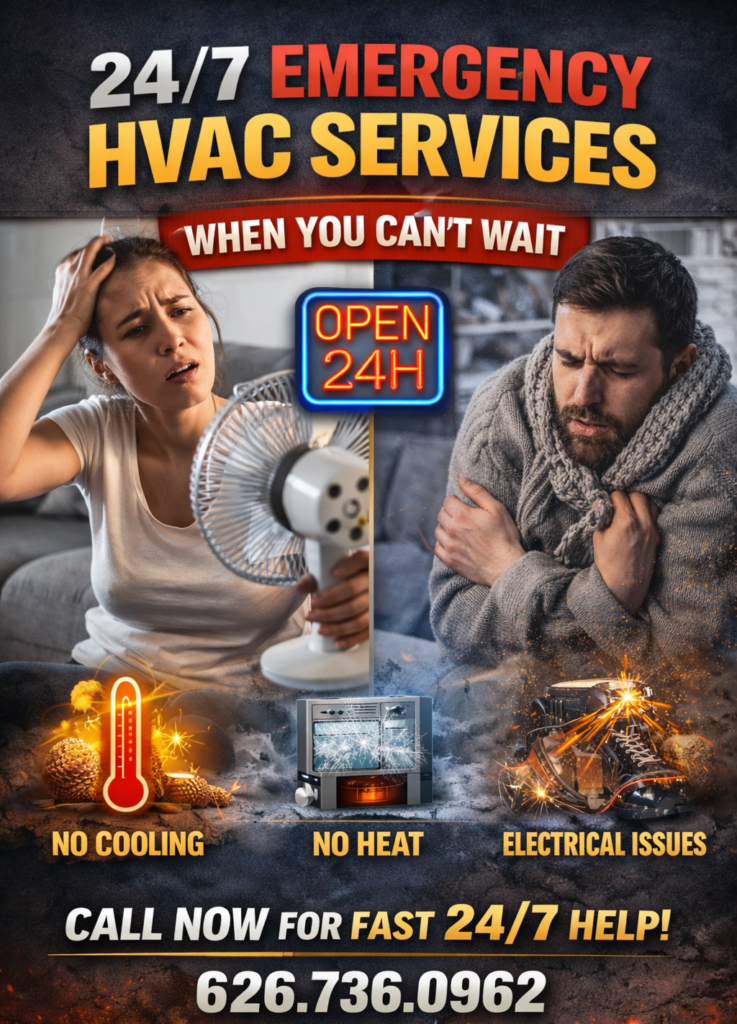
🚨 True HVAC Emergencies Include:
❄️ No cooling during extreme heat
🔥 No heat during cold nights
⚡ Electrical issues or burning smells
💧 Refrigerant or water leaks
🛑 System completely shutting down
👉 If your home becomes unsafe or unlivable, it’s an emergency.
📞 Call All American HVAC immediately at 626.736.0962 for 24/7 service.
🌡️ Why Immediate Service Matters
Delaying emergency HVAC repairs can lead to serious consequences.
🧠 Health Risks
Extreme indoor temperatures can affect:
Children
Elderly family members
Pets
👉 Heat exhaustion or cold exposure can become real dangers quickly.
🔧 System Damage
What starts as a small failure can escalate into:
Compressor damage
Electrical system failure
Complete system breakdown
💡 Acting fast can mean the difference between a repair and a full replacement.
💸 Higher Repair Costs
Emergency issues often worsen the longer they’re ignored.
👉 Waiting can lead to:
More extensive damage
More expensive repairs
Longer downtime
🔍 Warning Signs You Need Immediate HVAC Service
Some warning signs signal that your system is about to fail—or already has.
🔊 Loud or Unusual Noises
Banging, grinding, or screeching sounds often indicate serious internal problems.
🌫️ Burning or Electrical Smells
This could signal:
Overheating components
Wiring issues
Fire hazards
⚠️ Turn off your system and call immediately.
💧 Leaks Around Your System
Water or refrigerant leaks can damage your home and reduce system performance.
🔁 Constant Cycling or Failure to Start
If your system won’t stay on—or won’t turn on at all—it needs urgent attention.
By All American HVAC | Serving Alta Dena & Pasadena | Call 626.736.0962
You can’t always see it—but the air inside your home may be affecting your health, comfort, and overall quality of life more than you realize.
In Pasadena and Alta Dena, homeowners often focus on temperature control, but indoor air quality (IAQ) is just as important. From dust and allergens to hidden pollutants, your HVAC system plays a major role in what you and your family breathe every day.
Let’s take a closer look at what’s really in your air—and how to make it cleaner, healthier, and safer.
🌬️ What Is Indoor Air Quality (IAQ)?
Indoor air quality refers to the condition of the air inside your home—specifically how clean, healthy, and free of pollutants it is.
Poor IAQ can lead to:
🤧 Allergy symptoms
😷 Respiratory issues
😴 Poor sleep quality
🧠 Headaches and fatigue
💡 In many homes, indoor air can be more polluted than outdoor air.
📞 Call now to improve your home’s air: 626.736.0962
📞 Breathe Easier Starting Today
You deserve clean, healthy air in your home. With the right solutions, you can eliminate pollutants, reduce allergens, and create a more comfortable living environment.
👉 Call 626.736.0962 today for indoor air quality services in Pasadena & Alta Dena
By All American HVAC | Serving Alta Dena & Pasadena | Call 626.736.0962
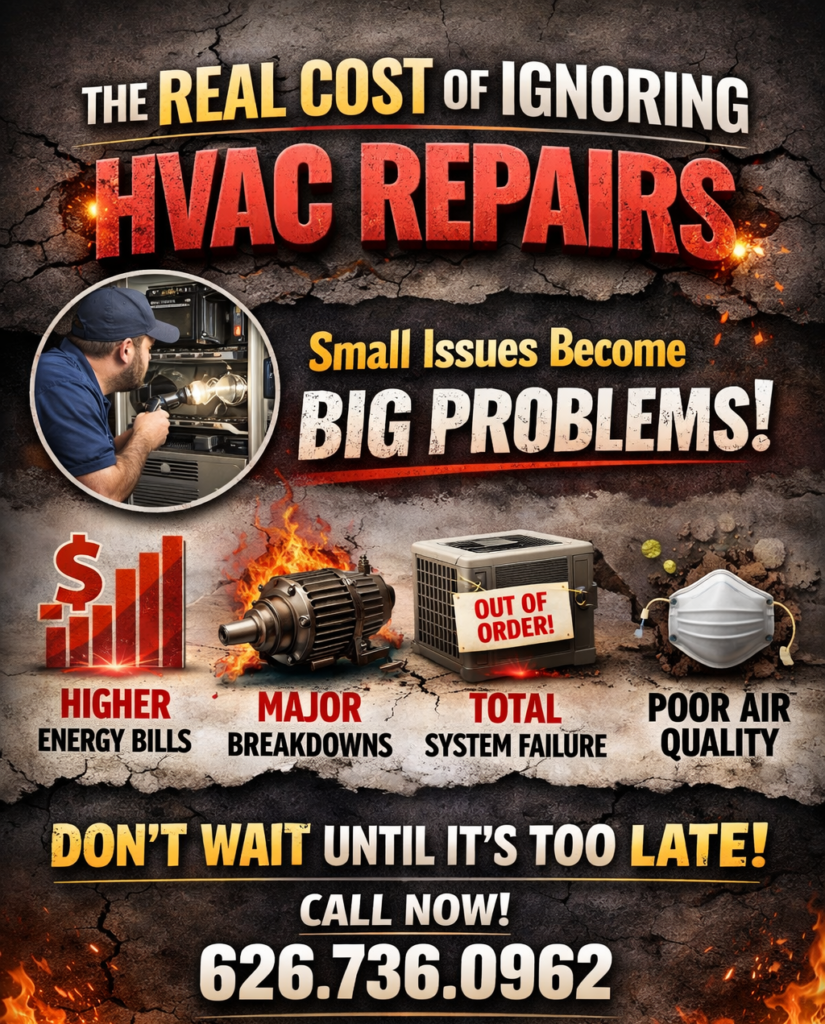
It’s easy to ignore a small HVAC issue. Maybe your system is making a strange noise, cycling more often than usual, or not cooling quite like it used to—but it’s still working, so you let it slide.
That small delay might feel harmless. In reality, it’s often the most expensive decision a homeowner can make.
In homes across Alta Dena and Pasadena, minor HVAC problems quietly turn into major repairs, full system failures, and skyrocketing energy bills. Let’s take a clear look at what ignoring HVAC issues really costs—and why acting early saves you far more than you think.
⚠️ Small Problems Don’t Stay Small
HVAC systems are interconnected. When one part starts to fail, it puts extra strain on everything else.
🔧 Example:
A dirty filter restricts airflow → Your system works harder → Components overheat → Parts begin to fail
What could have been a $20 fix can quickly turn into a $1,000+ repair.
📞 Call 626.736.0962 to fix small issues before they become major problems.
💸 Rising Energy Bills You Might Not Notice
One of the biggest hidden costs of ignoring HVAC repairs is energy waste.
When your system isn’t operating efficiently:
It runs longer than necessary
It uses more electricity or gas
It struggles to maintain temperature
👉 Over time, this leads to consistently higher monthly bills.
💡 Many homeowners in Pasadena don’t realize their HVAC system is the reason their utility costs keep climbing.
🔁 Increased Wear and Tear
When your system isn’t functioning properly, every component has to work harder.
This leads to:
Faster breakdown of parts
More frequent repairs
Shortened system lifespan
👉 Instead of lasting 15–20 years, your system may fail much sooner.
🚨 Emergency Repairs Cost More
Putting off repairs often means you’ll eventually face a breakdown at the worst possible time—like during a heatwave or cold night.
💰 Emergency Repair Costs:
After-hours service fees
Rush part replacements
Limited technician availability
📞 Avoid emergency costs—schedule service now: All American HVAC 626.736.0962
🛑 Total System Failure
In many cases, ignoring repairs doesn’t just lead to bigger problems—it leads to complete system failure.
That means:
No heating or cooling
Immediate replacement needed
Thousands of dollars in unexpected costs
👉 A repair that could have been handled early often becomes a full system replacement.
🌡️ Comfort Problems Get Worse Over Time
You may start with small annoyances:
Slight temperature differences
Weak airflow
Longer run times
But over time, these issues grow into:
Hot and cold spots
Inconsistent temperatures
Constant discomfort
💡 Your HVAC system should make your home comfortable—not frustrating.
🏠 Indoor Air Quality Suffers
A struggling HVAC system doesn’t just affect temperature—it affects the air you breathe.
🌬️ Poor Maintenance Can Lead To:
Dust buildup
Allergens circulating through your home
Mold growth in ducts or coils
👉 This is especially important for families with allergies or respiratory issues.
By All American HVAC | Serving Alta Dena & Pasadena | Call 626.736.0962
Do some rooms in your home feel perfectly comfortable while others are too hot or too cold? If you’re constantly adjusting the thermostat but still can’t get consistent temperatures, you’re dealing with a very common problem in Pasadena and Alta Dena homes: uneven heating and cooling.
Hot and cold spots aren’t just frustrating—they’re a sign your HVAC system isn’t working efficiently. The good news is that most of these issues can be fixed once you understand the cause.
Let’s break it down.
🌬️ What Causes Uneven Temperatures in Your Home?
There’s rarely just one reason. In most cases, uneven temperatures are caused by airflow issues, system limitations, or structural factors in your home.
🏚️ Poor Insulation
If your home isn’t properly insulated, it can’t hold temperature evenly.
👉 Common problem areas:
Attics
Walls
Windows and doors
Rooms with poor insulation heat up or cool down much faster than the rest of the house.
🌪️ Leaky or Blocked Ductwork
Your duct system is responsible for distributing air throughout your home. If there are leaks or blockages, some rooms won’t get enough airflow.
📞 Call now to fix hot and cold spots: 626.736.0962
📞 Get Balanced Comfort in Every Room
You shouldn’t have to live with rooms that are too hot or too cold. With the right solutions, you can enjoy consistent comfort throughout your entire home.
👉 Call 626.736.0962 today for HVAC service in Pasadena & Alta Dena
By All American HVAC | Serving Alta Dena & Pasadena | Call 626.736.0962
At some point, every homeowner in Alta Dena and Pasadena faces the same question: Should I keep repairing my HVAC system—or is it finally time to replace it?
It’s not always an easy call. A quick repair might seem cheaper today, but an aging, inefficient system can quietly drain your wallet month after month. Knowing when to replace your HVAC system can save you thousands in the long run—and keep your home comfortable year-round.
This guide will help you make the right decision with clarity and confidence.
⏳ How Long Do HVAC Systems Last?
Most HVAC systems aren’t built to last forever.
🧰 Average Lifespan:
Air Conditioners: 10–15 years
Furnaces: 15–20 years
Heat Pumps: 10–15 years
If your system is approaching or past this range, replacement becomes a much smarter investment than continued repairs.
💡 Rule of Thumb: If your system is over 10 years old and having issues, it’s time to seriously consider upgrading.
📞 Call All American HVAC 626.736.0962 for a professional system evaluation today.
🚨 Signs It’s Time to Replace Your HVAC System
Sometimes the signs are obvious—but often, they build gradually.
💸 Frequent Repairs Are Adding Up
If you’re calling for repairs more than once or twice a year, those costs can quickly exceed the value of your system.
👉 Simple Formula: If repair costs approach 50% of the cost of a new system, replacement is usually the better option.
🌡️ Uneven Temperatures in Your Home
Do some rooms feel like a sauna while others stay cold?
This could mean:
Aging equipment
Failing components
Poor airflow performance
A new system can restore consistent comfort throughout your home.
⚡ Rising Energy Bills
Older HVAC systems lose efficiency over time, forcing them to work harder—and cost more to run.
👉 If your energy bills keep increasing without a clear reason, your system may be the problem.
📞 Schedule an efficiency check: 626.736.0962
🔊 Strange Noises or Odors
Unusual sounds like banging, rattling, or grinding are never a good sign.
👉 These often indicate:
Motor failure
Loose components
Internal wear and tear
At a certain point, repairs become temporary fixes instead of real solutions.
🔁 Frequent Cycling
If your HVAC system constantly turns on and off, it may be struggling to maintain temperature.
This not only wastes energy but also puts extra strain on the system—leading to early failure.
💰 Repair vs Replace: Making the Smart Financial Decision
It’s tempting to keep repairing your system—but let’s look at the bigger picture.
🔧 Repair Makes Sense If:
Your system is under 10 years old
Repairs are minor and infrequent
Energy bills are stable
🆕 Replacement Makes Sense If:
Your system is over 10–15 years old
Repairs are frequent or expensive
Energy bills are rising
Comfort issues persist
💡 Investing in a new system often pays for itself through energy savings and fewer repairs.
📞 Get a free replacement estimate: 626.736.0962
🌿 Benefits of Upgrading Your HVAC System
A new HVAC system isn’t just about avoiding breakdowns—it’s about improving your entire home experience.
⚡ Lower Energy Bills
Modern systems are far more efficient, using less energy to deliver better results.
🌡️ Better Comfort Control
Enjoy consistent temperatures and improved airflow throughout your home.
🤫 Quieter Operation
New systems run more smoothly and quietly compared to older units.
🛡️ Fewer Repairs
With updated components and warranties, you’ll spend less time worrying about breakdowns.
💡 Energy Efficiency & Rebates
Upgrading your HVAC system may qualify you for rebates or incentives, depending on the equipment you choose.
👉 Look for systems with:
High SEER ratings
ENERGY STAR® certification
Advanced energy-saving features
📞 Ask All American HVAC about available rebates: 626.736.0962
🛠️ Why Professional Installation Matters
Even the best HVAC system won’t perform properly if it’s installed incorrectly.
🔧 Professional Installation Ensures:
Proper system sizing
Maximum efficiency
Long-term reliability
Warranty protection
📞 Trust All American HVAC for expert installation: 626.736.0962
🏆 Why Alta Dena Homeowners Choose All American HVAC
Replacing your HVAC system is a big decision—you need a team you can trust.
If your HVAC system is showing signs of age or inefficiency, waiting will only cost you more. Upgrading now can save money, improve comfort, and give you peace of mind.
By All American HVAC | Serving Alta Dena & Pasadena | Call 626.736.0962
If your energy bills in Pasadena or Alta Dena keep climbing, your HVAC system is likely the biggest reason why. Heating and cooling account for nearly half of the average home’s energy use—so even small inefficiencies can cost you hundreds of dollars each year.
The good news is that you don’t need to replace your entire system to start saving. With smarter HVAC habits, simple upgrades, and a few expert strategies, you can significantly reduce your monthly energy costs while keeping your home comfortable year-round.
Let’s walk through exactly how to do it.
🌡️ Why Your HVAC System Drives Energy Costs
Your HVAC system works harder than any other appliance in your home. When it’s not running efficiently, you’ll feel it in your wallet.
Here’s what increases energy usage:
⚠️ Poor maintenance
🧊 Dirty filters restricting airflow
🏚️ Leaky ductwork
🌡️ Outdated thermostats
🔧 Aging or inefficient equipment
💡 Even a small efficiency improvement can lead to noticeable savings over time.
📞 Call 626.736.0962 to evaluate your system’s efficiency today.
🧠 Smart Thermostats: The Easiest Way to Save
Upgrading to a smart thermostat is one of the fastest ways to cut energy costs without sacrificing comfort.
📲 Benefits of Smart Thermostats:
Automatically adjust temperatures based on your schedule
Learn your habits over time
Control settings remotely from your phone
Reduce unnecessary heating and cooling
💡 Homeowners can save up to 10–15% annually with proper thermostat use.
👉 Set your thermostat a few degrees higher in summer and lower in winter when you’re away.
📞 Ask All American HVAC about smart thermostat installation: 626.736.0962
🌬️ Improve Airflow for Maximum Efficiency
Your HVAC system relies on proper airflow. If air can’t circulate freely, your system has to work harder—using more energy.
✔️ Airflow Tips:
Keep vents open and unblocked
Replace air filters every 1–3 months
Clean dust and debris from registers
Ensure furniture isn’t blocking airflow
👉 Restricted airflow is one of the most common—and most fixable—energy wasters.
🔧 Seal and Insulate Your Ductwork
Leaky ducts can waste up to 30% of your system’s energy.
That means you’re paying to cool or heat air that never even reaches your living space.
If your system is more than 10–15 years old, it may be costing you more than it’s worth.
💡 Modern HVAC Benefits:
Higher SEER (Seasonal Energy Efficiency Ratio) ratings
Lower monthly energy costs
Improved indoor comfort
Fewer repairs
👉 Upgrading your system can significantly reduce long-term expenses.
📞 Schedule a consultation today: 626.736.0962
🏠 Use Zoning Systems for Better Control
Why cool or heat your entire home when you’re only using part of it?
Zoning systems allow you to control temperatures in different areas independently.
🌡️ Benefits:
Reduce wasted energy
Customize comfort room by room
Lower overall system workload
💡 Perfect for multi-story homes or larger properties in Pasadena.
🧊 Adjust Daily Habits for Big Savings
Sometimes the biggest savings come from simple changes.
✔️ Everyday Energy-Saving Habits:
Close blinds during hot afternoons
Use ceiling fans to circulate air
Avoid setting extreme temperatures
Run heat-generating appliances at night
These small adjustments can add up to noticeable savings over time.
🛠️ Schedule Regular HVAC Maintenance
Even the most efficient system won’t stay that way without proper care.
🔧 Maintenance Helps:
Keep your system running efficiently
Prevent energy-wasting issues
Extend equipment lifespan
Reduce unexpected repair costs
📞 Book your HVAC tune-up today: 626.736.0962
🚨 Signs Your System Is Wasting Energy
If you notice any of these, your HVAC system may be costing you more than it should:
💸 Sudden spikes in energy bills
🌡️ Inconsistent temperatures
🔊 Strange noises
🔁 Frequent cycling
📞 Don’t wait—call 626.736.0962 for an energy efficiency check.
🏆 Why Homeowners Trust All American HVAC
Saving energy starts with the right team.
All American HVAC provides:
🧰 Expert system evaluations
💡 Energy-saving recommendations
🚀 Fast, reliable service
📍 Local expertise in Pasadena & Alta Dena
📞 Call now to start lowering your energy bills: 626.736.0962
📞 Start Saving on Energy Bills Today
If your HVAC system is costing you too much, the solution is closer than you think. From simple fixes to full system upgrades, All American HVAC can help you take control of your energy use and your budget.