By All American HVAC | Serving Alta Dena & Pasadena | Call 626.736.0962
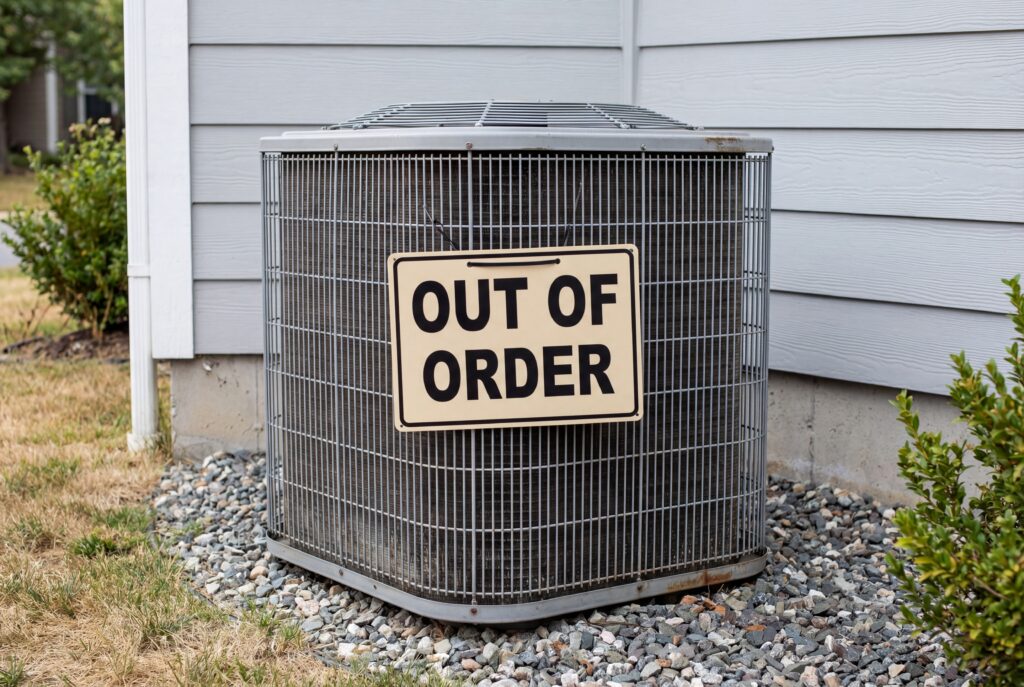
When your air conditioner suddenly stops cooling—especially during a hot Pasadena afternoon—it’s more than just uncomfortable. It can quickly become an urgent issue affecting your health, productivity, and even your home’s safety. If your system is blowing warm air or struggling to keep up, you’re not alone. Many homeowners in Pasadena and Alta Dena face the same issue, especially during peak summer months.
In this guide, we’ll break down the most common reasons your AC isn’t cooling and exactly what you should do next to fix it fast.
🌡️ Common Reasons Your AC Isn’t Cooling Properly
Understanding the root cause is the first step toward restoring comfort. Here are the most frequent culprits behind a failing AC system:
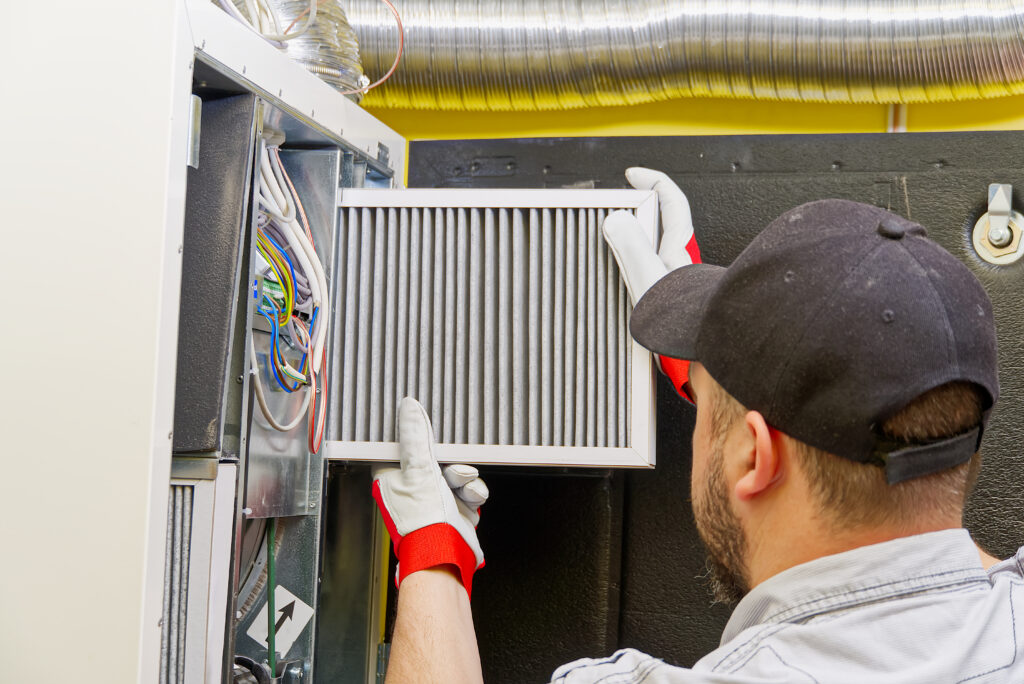
🧊 Dirty or Clogged Air Filters
A clogged air filter restricts airflow, making it difficult for your system to circulate cool air efficiently. Over time, this can even cause your system to overheat or freeze up.
👉 Quick Fix: Check your filter and replace it if it’s dirty. This simple step can dramatically improve performance.
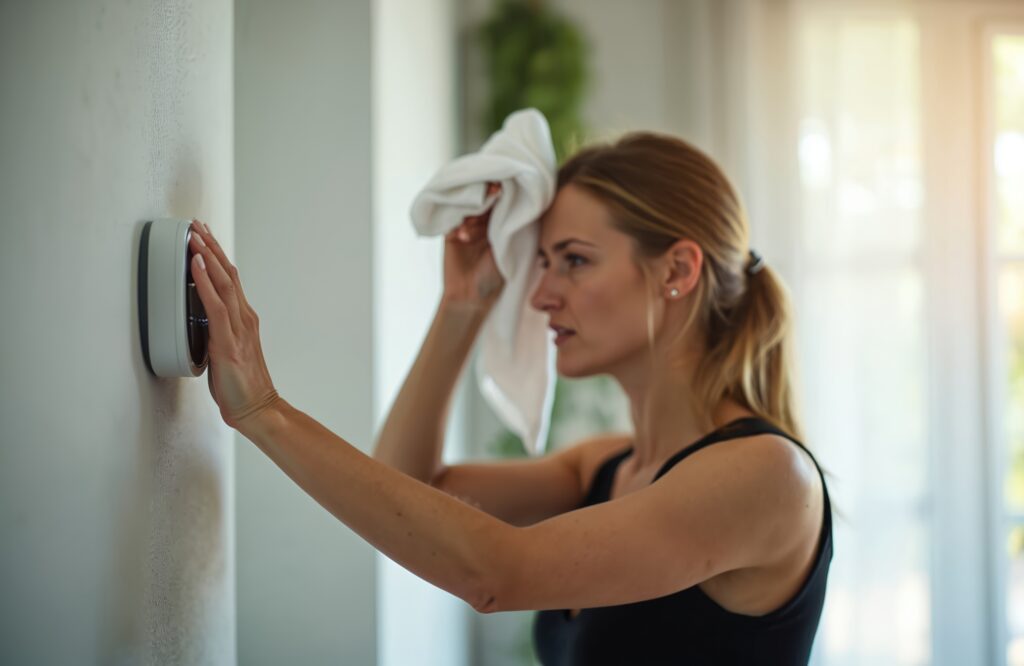
⚡ Thermostat Issues
Sometimes the problem isn’t your AC unit—it’s your thermostat. Incorrect settings, dead batteries, or faulty calibration can prevent your system from cooling properly.
👉 Quick Fix: Ensure your thermostat is set to “cool” and the temperature is lower than the current room temperature.
❄️ Frozen Evaporator Coils
If your AC is running but not cooling, frozen coils could be the issue. This often happens due to restricted airflow or low refrigerant levels.
👉 Warning: Running your AC with frozen coils can cause serious damage.
📞 Call All American HVAC at 626.736.0962 immediately for fast service in Pasadena or Alta Dena.
🔧 Low Refrigerant Levels
Refrigerant is essential for cooling your home. If levels are low due to a leak, your AC simply can’t do its job.
👉 Important: This is NOT a DIY fix. Refrigerant issues require professional handling.
📞 Schedule expert AC repair now: 626.736.0962
🔌 Electrical or Capacitor Failure
Your AC relies on electrical components to start and run. A failed capacitor or wiring issue can prevent your unit from turning on or cooling effectively.
👉 Signs to Watch:
- AC won’t start
- Clicking sounds
- Intermittent cooling
🚨 When to Call for Emergency AC Repair in Pasadena
Some AC issues can wait—but others demand immediate attention. Call All American HVAC (626.736.0962) right away if you notice:
- 🔥 Warm air blowing during extreme heat
- ⚠️ Burning smells or electrical odors
- 💧 Water or refrigerant leaks
- 🛑 System completely shutting down
Delaying repairs can lead to higher costs, system failure, or even health risks during heatwaves.
🛠️ DIY Fixes vs Professional Repairs
It’s tempting to try fixing your AC yourself—but knowing the limits is key.
✅ Safe DIY Steps:
- Replace air filters
- Check thermostat settings
- Clear debris around outdoor unit
❌ Leave These to the Pros:
- Refrigerant leaks
- Electrical repairs
- Compressor issues
- Frozen coil diagnosis
📞 Don’t risk costly damage—call 626.736.0962 for professional AC repair today.
💸 The Cost of Waiting Too Long
Ignoring a small AC issue today can lead to a major breakdown tomorrow.
Here’s what can happen:
- Minor repair → Full system replacement
- Higher energy bills from inefficient cooling
- Emergency repair costs during peak season
💡 Pro Tip: Regular maintenance can prevent up to 80% of common AC failures.
🌬️ How to Prevent Future Cooling Problems
Keeping your system in top shape doesn’t have to be complicated.
✔️ Preventative Tips:
- Schedule annual HVAC maintenance
- Replace filters every 1–3 months
- Keep vents clean and unobstructed
- Upgrade to a smart thermostat
📞 Ask about maintenance plans: 626.736.0962
🏆 Why Pasadena Homeowners Choose All American HVAC
When your comfort is on the line, you need a team you can trust.
All American HVAC delivers:
- 🚀 Fast, same-day service
- 🧰 Certified, experienced technicians
- 💯 Honest pricing with no surprises
- 📍 Local expertise in Pasadena & Alta Dena
📞 Call now for immediate AC repair: 626.736.0962
📞 Don’t Wait—Get Your AC Fixed Today
If your AC isn’t cooling, every minute counts—especially in Pasadena heat. Whether it’s a simple fix or a major repair, All American HVAC is ready to restore your comfort fast.
👉 Call 626.736.0962 now for expert AC repair in Pasadena & Alta Dena