Author: admin

  • 🚧 Warning Signs Your HVAC Unit Is Failing

    By All American HVAC | Serving Your Area | 📞 626.736.0962

    Warning Signs Your HVAC Unit Is Failing

    Your HVAC system is built to handle years of heating and cooling demands, but no system is immune to wear and tear. Over time, even a well-maintained unit will begin to show signs of decline. The key to avoiding costly breakdowns is knowing what to look for—and acting before those signs turn into serious problems.

    Many homeowners assume HVAC failure happens suddenly, but in reality, your system provides plenty of warning signals along the way. Recognizing these warning signs your HVAC unit is failing allows you to take proactive steps, avoid emergencies, and maintain consistent comfort in your home.

    In this post, we’ll explore additional warning signs that often go unnoticed but can signal that your HVAC system is nearing failure.


    🧊 Your System Produces Lukewarm Air Instead of Cold or Hot

    One of the clearest signs of HVAC trouble is when your system is running, but the air coming out of your vents isn’t the temperature it should be.

    You may notice:

    • Your AC is blowing lukewarm or slightly cool air instead of cold
    • Your heater is producing air that feels barely warm
    • The system runs, but your home never reaches the desired temperature

    This issue can be caused by:

    • Low refrigerant levels
    • Failing compressors
    • Heating element problems
    • Airflow restrictions

    When your system can’t produce the proper temperature, it has to run longer to compensate. This not only increases energy costs but also accelerates system wear.

    If your HVAC system isn’t delivering the right temperature, it’s time to call All American HVAC at 📞 626.736.0962 for a professional inspection.


    🔁 Your HVAC System Runs Nonstop

    An HVAC system that runs constantly without shutting off is a major warning sign. While it may seem like your system is just working hard, it’s actually struggling to keep up.

    This can happen due to:

    • Reduced efficiency from aging components
    • Thermostat issues
    • Refrigerant problems
    • Airflow restrictions

    When your system runs nonstop, it experiences continuous strain, which increases the risk of breakdown and shortens its lifespan.


    🔊 New Noises Appear Over Time

    As HVAC systems age, they often begin to make new or louder noises. These sounds are your system’s way of signaling that something is wrong.

    Common warning noises include:

    • Buzzing (electrical issues)
    • Clicking (control or relay problems)
    • Hissing (possible refrigerant leaks)
    • Clanking (loose or broken components)

    These noises rarely go away on their own. Instead, they usually get worse over time, leading to more serious damage.


    💨 Airflow Feels Different Than It Used To

    Even if airflow is still present, changes in how it feels can indicate a problem. You might notice that air pressure is lower, airflow is inconsistent, or certain vents don’t perform as well as they used to.

    This can be caused by:

    • Ductwork issues
    • Blower motor wear
    • Internal system inefficiencies

    Subtle airflow changes are often overlooked, but they’re one of the earliest signs that your HVAC system is declining.


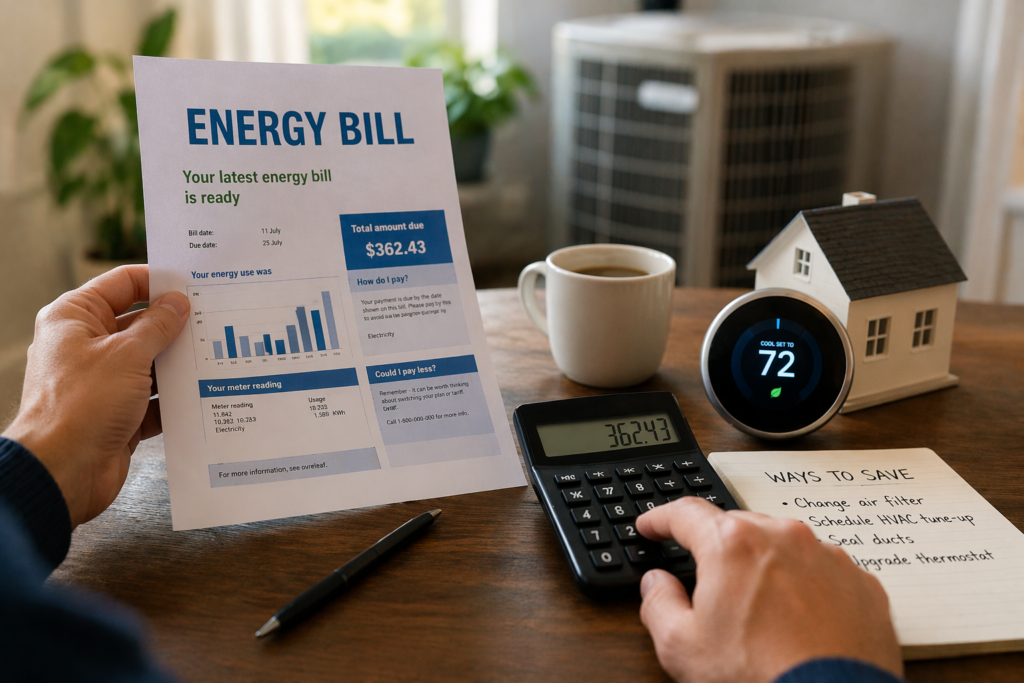
    🧾 Your Energy Bills Spike During Normal Use

    If your energy bills increase significantly without any change in usage, your HVAC system may be losing efficiency.

    As systems age or develop problems, they require more energy to produce the same results. This leads to:

    • Higher monthly costs
    • Increased system strain
    • Reduced overall efficiency

    Addressing efficiency issues early can prevent long-term financial strain.


    🌫️ Your Home Feels Stuffy or Stale

    A properly functioning HVAC system keeps air circulating and fresh. If your home begins to feel stuffy or stale, your system may not be doing its job effectively.

    This can indicate:

    • Poor airflow
    • Failing components
    • Air filtration issues

    Indoor air quality is closely tied to HVAC performance, and a decline in air freshness is often a sign of system trouble.


    💧 Moisture Issues or Condensation Appear

    Unexpected moisture around your HVAC unit or inside your home can signal a problem.

    You may notice:

    • Water pooling near the unit
    • Increased indoor humidity
    • Condensation on windows

    These issues can be caused by:

    • Blocked drain lines
    • Refrigerant leaks
    • System inefficiency

    Moisture problems should never be ignored, as they can lead to mold growth and structural damage.


    🛠️ Your System Feels Less Reliable Overall

    Sometimes, the biggest sign of HVAC failure isn’t a single issue—it’s a general sense that the system isn’t as reliable as it used to be.

    You might find that:

    • Performance is inconsistent
    • Small problems keep appearing
    • Comfort levels fluctuate

    This overall decline often indicates that multiple components are wearing out simultaneously.


    ⏳ Your HVAC System Is Showing Its Age

    As your HVAC system gets older, it naturally becomes less efficient and more prone to failure.

    Older systems often:

    • Require more frequent maintenance
    • Consume more energy
    • Struggle to maintain consistent comfort

    If your system is over 10–15 years old and showing these warning signs, it may be time to start planning for replacement.


    🏠 Comfort Is No Longer Predictable

    Your HVAC system should provide consistent comfort. If your home’s temperature and air quality feel unpredictable, your system may be failing.

    Signs include:

    • Fluctuating temperatures
    • Uneven airflow
    • Inconsistent performance

    These issues indicate that your system is no longer operating reliably.


    📞 Why Early Detection Matters

    Ignoring HVAC warning signs can lead to:

    • Sudden breakdowns
    • Expensive emergency repairs
    • Increased energy bills
    • Reduced system lifespan

    Recognizing the warning signs your HVAC unit is failing early allows you to take action before problems escalate.


    📣 Strong Call to Action

    If you’ve noticed any of these warning signs your HVAC unit is failing, don’t wait until your system stops working completely.

    Call All American HVAC at 📞 626.736.0962 today for expert HVAC service and a professional system evaluation. Whether you need a repair or are considering a replacement, taking action now will help you avoid costly problems and maintain comfort in your home.

    Your HVAC system is essential to your daily comfort—make sure it’s performing at its best.

  • 🛑 Warning Signs Your HVAC Unit Is Failing

    By All American HVAC | Serving Your Area | 📞 626.736.0962

    Warning Signs Your HVAC Unit Is Failing

    Your HVAC system is designed to provide reliable comfort year-round—but even the best systems don’t last forever. Over time, wear and tear begin to affect performance, efficiency, and reliability. The key difference between a manageable repair and a costly breakdown often comes down to one thing: recognizing the warning signs early.

    Many homeowners assume HVAC failure happens suddenly. In reality, your system almost always gives clear signals that something isn’t right. Understanding these warning signs your HVAC unit is failing can help you act before a small issue turns into a major expense.

    In this post, we’ll walk through additional warning signs that often go unnoticed—but can signal serious trouble ahead.


    ⏱️ Your HVAC System Takes Longer to Reach Set Temperatures

    One of the more subtle signs of HVAC failure is when your system takes longer than usual to heat or cool your home.

    At first, it may not seem like a big deal. You might think it’s just a particularly hot or cold day. But if this becomes a pattern, your system is likely losing efficiency.

    This can be caused by:

    • Aging components that no longer perform at full capacity
    • Reduced airflow due to blockages or leaks
    • A weakening compressor
    • Thermostat calibration issues

    When your system struggles to reach the desired temperature, it runs longer cycles, increasing energy use and putting additional strain on internal components.

    If your HVAC system isn’t keeping up like it used to, call All American HVAC at 📞 626.736.0962 for a professional evaluation.


    🔄 Airflow Feels Uneven Between Vents

    Even if your system seems to be running, inconsistent airflow between vents is a strong indicator that something is wrong.

    You may notice:

    • Strong airflow in one room but weak airflow in another
    • Certain vents barely producing air
    • Fluctuations in airflow throughout the day

    This issue can stem from:

    • Duct leaks or obstructions
    • Failing blower motor
    • System imbalance
    • Dirty or clogged components

    Uneven airflow not only affects comfort but also forces your system to work harder, leading to faster wear and higher energy costs.


    🧠 Thermostat Adjustments Don’t Fix the Problem

    If you find yourself constantly adjusting your thermostat but not seeing consistent results, your HVAC system may be failing.

    This can happen when:

    • The thermostat is malfunctioning
    • The system is no longer responding properly
    • Internal components are failing

    Many homeowners assume the thermostat is the problem, but in many cases, it’s a symptom of a deeper issue within the HVAC system itself.


    🔊 Clicking Sounds That Don’t Lead to Startup

    A clicking sound when your system turns on is normal—but repeated clicking without the system starting is not.

    This can indicate:

    • Electrical issues
    • Failing relays
    • Control board problems

    If your system clicks repeatedly but doesn’t turn on, it’s a clear sign that something is preventing it from functioning properly.

    Electrical issues can escalate quickly, so it’s important to have them inspected by a professional.


    🌬️ Air Feels Weak Even With a Clean Filter

    If you’ve recently changed your air filter but airflow still feels weak, the problem likely goes deeper than simple maintenance.

    Possible causes include:

    • Ductwork issues
    • Blower motor failure
    • Internal blockages
    • System inefficiency

    A clean filter should improve airflow. If it doesn’t, your system may be experiencing more serious mechanical problems.


    💧 Humidity Levels Feel Off

    Your HVAC system plays a key role in regulating indoor humidity. If your home suddenly feels too humid or too dry, your system may not be functioning properly.

    Signs include:

    • Sticky or muggy indoor air
    • Dry, uncomfortable conditions
    • Condensation on windows

    Humidity imbalances can indicate:

    • Failing components
    • Poor airflow
    • System inefficiency

    Maintaining proper humidity is essential for both comfort and indoor air quality.


    🧾 Your System Is Running, But Comfort Isn’t Improving

    One of the most frustrating signs of HVAC failure is when the system appears to be working—but your home still doesn’t feel comfortable.

    You may notice:

    • The system runs constantly
    • Temperatures fluctuate
    • Rooms never feel quite right

    This often means your system is no longer capable of meeting your home’s demands. It’s working harder but delivering less.


    🔧 Small Issues Keep Turning Into Bigger Problems

    If you’ve addressed minor HVAC issues in the past but new problems keep appearing, your system may be in overall decline.

    This pattern often indicates:

    • Multiple components are wearing out
    • The system is nearing the end of its lifespan
    • Efficiency is dropping across the board

    Instead of isolated problems, you’re dealing with a system that is gradually failing as a whole.


    ⏳ Your HVAC System Is Over a Decade Old

    Age is one of the most important factors in HVAC performance. Once your system reaches the 10–15 year range, it becomes more prone to issues.

    Older systems often:

    • Lose efficiency
    • Require more frequent repairs
    • Struggle to maintain consistent comfort

    Even if your system is still running, age combined with other warning signs often means it’s time to start considering replacement.


    🏠 Your Home Doesn’t Feel Like It Used To

    Sometimes, the biggest sign of HVAC failure is simply a change in how your home feels.

    You might notice:

    • Less consistent temperatures
    • Reduced airflow
    • Increased discomfort overall

    These changes often happen gradually, making them easy to overlook. But they’re a clear indication that your system isn’t performing like it once did.


    📞 Why You Shouldn’t Ignore These Signs

    Ignoring HVAC warning signs can lead to:

    • Unexpected system breakdowns
    • Expensive emergency repairs
    • Increased energy bills
    • Reduced system lifespan

    The sooner you address these issues, the more options you’ll have—and the more money you’ll save.


    📣 Strong Call to Action

    If you’ve noticed any of these warning signs your HVAC unit is failing, now is the time to act. Don’t wait until your system stops working completely.

    Call All American HVAC at 📞 626.736.0962 today for expert service and a professional system evaluation. Whether you need a repair, maintenance, or guidance on replacement, taking action now will protect your comfort and your investment.

    Your HVAC system works hard for you—make sure it’s getting the attention it needs to keep your home comfortable year-round.

  • 🌿 Best Energy-Efficient HVAC Upgrades for Pasadena Homes in 2026

    By All American HVAC | Altadena & Pasadena | 626.736.0962

    Best Energy-Efficient HVAC Upgrades for Pasadena Homes in 2026

    If you’re looking to lower your energy bills, improve comfort, and future-proof your home, upgrading your HVAC system is one of the smartest investments you can make.

    In Altadena and Pasadena, where cooling demand is high during warm months, energy efficiency isn’t just a bonus—it’s essential. The right upgrades can significantly reduce your monthly costs while keeping your home consistently comfortable.

    In this guide, we’ll explore the best energy-efficient HVAC upgrades for 2026, what they do, and how they can benefit your home.


    ⚡ Why Energy Efficiency Matters More Than Ever

    Energy costs continue to rise, and older HVAC systems simply can’t keep up with modern efficiency standards.

    Benefits of upgrading:

    • Lower monthly utility bills
    • Improved indoor comfort
    • Reduced environmental impact
    • Increased home value

    👉 If your system is older or inefficient, now is the time to explore your options.


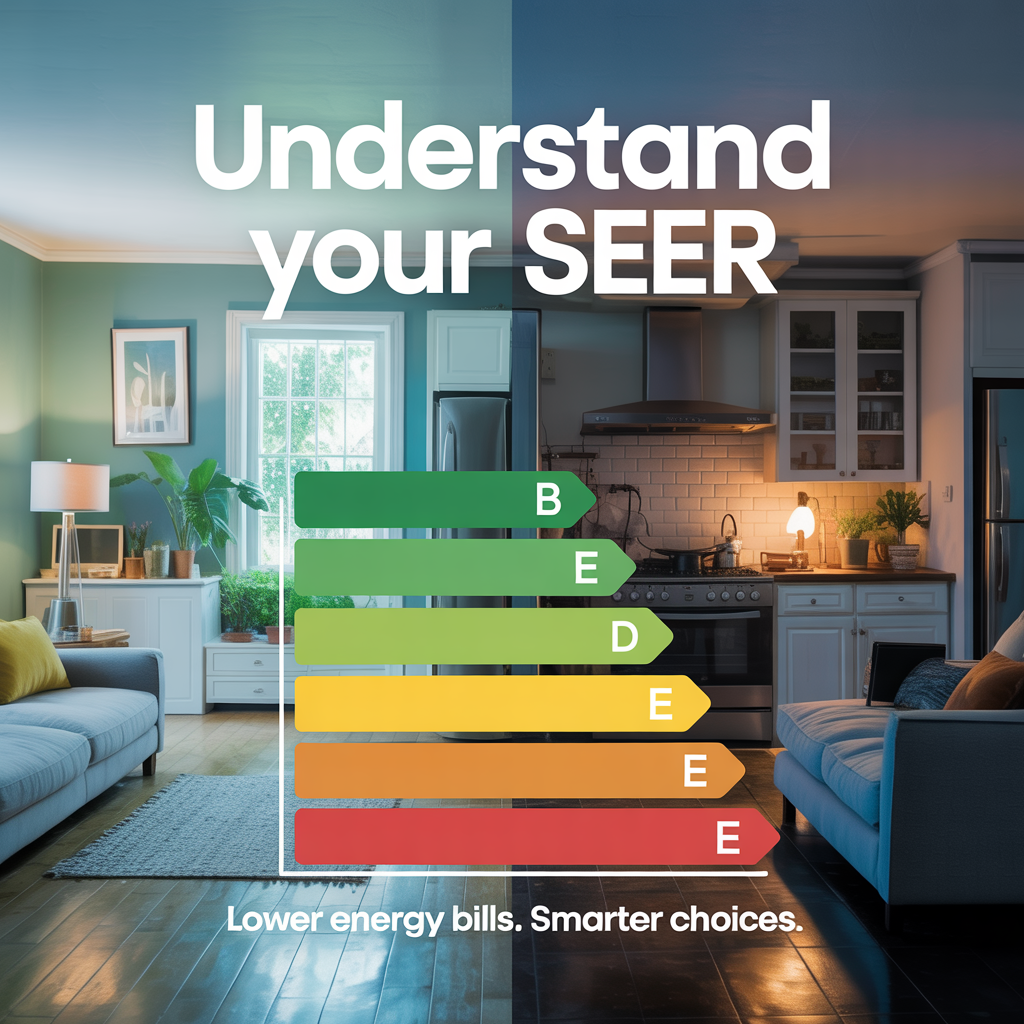
    🌡️ 1. High-Efficiency Air Conditioners (High SEER Ratings)

    Modern AC systems are far more efficient than older units.

    What to look for:

    Why it matters:

    Higher SEER systems use less energy to deliver the same cooling power.


    🔁 2. Heat Pump Systems

    Heat pumps are becoming increasingly popular in Pasadena—and for good reason.

    Benefits:

    • Provide both heating and cooling
    • Use less energy than traditional systems
    • Ideal for Southern California’s mild climate

    👉 Many homeowners are switching to heat pumps for year-round efficiency.


    📱 3. Smart Thermostats

    A smart thermostat gives you greater control over your home’s temperature and energy use.

    Features:

    • Remote control via smartphone
    • Learning your schedule
    • Automatic energy-saving adjustments

    Result:

    You use less energy without sacrificing comfort.


    🌬️ 4. Duct Sealing and Insulation

    Even the best HVAC system can’t perform efficiently if your ductwork is leaking.

    Why it matters:

    • Prevents energy loss
    • Improves airflow
    • Reduces strain on your system

    In many homes, duct improvements can lead to significant efficiency gains.


    🧰 5. Variable-Speed Air Handlers

    Unlike traditional systems that operate at one speed, variable-speed systems adjust based on your home’s needs.

    Benefits:

    • More consistent temperatures
    • Better humidity control
    • Lower energy usage

    🌿 6. Whole-Home Air Quality Upgrades

    Energy efficiency isn’t just about temperature—it’s also about air quality.

    Options include:

    • Advanced air filtration systems
    • UV air purifiers
    • Humidity control solutions

    These upgrades improve comfort while supporting system efficiency.


    💸 Are There Rebates or Incentives?

    Many energy-efficient upgrades may qualify for:

    • Local utility rebates
    • State or federal incentives
    • Energy efficiency programs

    👉 Ask All American HVAC about available savings opportunities in Altadena and Pasadena.


    🏠 Which Upgrades Are Right for You?

    The best solution depends on your home, system age, and goals.

    Consider upgrading if:

    ✔️ Your system is 10–15+ years old
    ✔️ Your energy bills are increasing
    ✔️ Your home isn’t cooling evenly
    ✔️ You want long-term savings


    🧑‍🔧 Why Professional Installation Matters

    Even the most efficient system won’t perform properly if it’s not installed correctly.

    At All American HVAC, we ensure:

    • Proper system sizing
    • Expert installation
    • Maximum efficiency and performance

    📞 Start Saving with Energy-Efficient Upgrades

    Upgrading your HVAC system isn’t just about comfort—it’s about saving money and improving your home for the future.

    If you’re ready to explore your options, we’re here to help.

    👉 Call All American HVAC at 626.736.0962 for expert guidance in Altadena and Pasadena.


    🌞 Smarter Comfort for Modern Homes

    Energy-efficient HVAC upgrades are one of the best ways to take control of your comfort and your energy costs. With the right system in place, you can enjoy reliable cooling, lower bills, and peace of mind year-round.

    📞 626.736.0962All American HVAC

  • 🚨 Warning Signs Your HVAC Unit Is Failing

    By All American HVAC | Serving Your Area | 📞 626.736.0962

    Warning Signs Your HVAC Unit Is Failing

    Your HVAC system is one of the hardest-working systems in your home. Day after day, it keeps your indoor environment comfortable, regulates airflow, and maintains healthy air quality. But like any mechanical system, it will eventually wear down—and when it does, it won’t fail silently.

    The challenge is that many homeowners don’t recognize the warning signs until it’s too late. By the time the system stops working entirely, what could have been a manageable repair often becomes a costly emergency.

    Understanding the warning signs your HVAC unit is failing can help you act early, avoid unexpected breakdowns, and make smarter decisions about repairs or replacement.


    🧊 Frozen Evaporator Coils Are a Major Red Flag

    If you notice ice forming on your HVAC unit—especially around the evaporator coils—it’s a clear indication that something is wrong.

    Frozen coils are often caused by:

    • Restricted airflow from dirty filters
    • Low refrigerant levels due to leaks
    • Blocked or damaged ductwork

    When coils freeze, your system can’t properly absorb heat, which severely impacts cooling performance. In many cases, the system will continue running, but your home won’t get any cooler.

    Ignoring frozen coils can lead to compressor damage, one of the most expensive HVAC repairs. If you see ice forming, turn off your system and call All American HVAC at 📞 626.736.0962 immediately.


    🔥 Burning Smells Should Never Be Ignored

    A burning smell coming from your HVAC system is always a cause for concern. While it may sometimes be harmless (such as dust burning off at the start of a heating season), persistent or strong odors can signal serious issues.

    Possible causes include:

    • Electrical problems
    • Overheating components
    • Failing motors or wiring

    These issues can pose safety risks and should be addressed immediately. If you notice a burning smell that doesn’t go away, it’s critical to have your system inspected by a professional.


    💸 Repair Costs Are Becoming Too Frequent and Expensive

    Every HVAC system requires maintenance over time, but there comes a point when repair costs start to outweigh the value of the system.

    If you’re experiencing:

    • Multiple service calls within a year
    • Increasing repair costs
    • Recurring issues that don’t fully resolve

    It may be more cost-effective to consider replacing your system rather than continuing to repair it.

    A professional evaluation can help you determine whether it’s time to upgrade to a more efficient and reliable system.


    🔊 Loud Operation Is Getting Worse

    If your HVAC system has become noticeably louder over time, it’s a sign that internal components may be wearing out.

    Common noises include:

    • Grinding or scraping sounds
    • Loud buzzing or humming
    • Banging or clanking

    These sounds often indicate mechanical issues that will worsen if left untreated. Addressing them early can prevent more extensive damage.


    🛑 Your System Takes Too Long to Start

    If your HVAC system hesitates or delays when you turn it on, it could indicate underlying problems.

    Delayed startup can be caused by:

    • Electrical issues
    • Failing components
    • Thermostat malfunctions

    This hesitation is often an early sign that your system is under stress and may be approaching failure.


    🌡️ Reduced Heating or Cooling Performance

    If your system is no longer able to maintain the desired temperature in your home, it’s a clear sign that it’s losing efficiency.

    You may notice:

    • Longer run times
    • Inconsistent temperatures
    • Reduced airflow

    These issues indicate that your system is struggling to keep up with demand.


    🌫️ Indoor Air Quality Is Declining

    A failing HVAC system doesn’t just affect temperature—it also impacts the air you breathe.

    Signs of declining air quality include:

    • Increased dust buildup
    • More frequent allergy symptoms
    • Stale or musty odors

    When your system isn’t filtering air properly, it can create an uncomfortable and unhealthy indoor environment.


    🔁 System Runs Constantly Without Results

    If your HVAC system runs continuously but fails to cool or heat your home effectively, it’s a major warning sign.

    This can be caused by:

    • Refrigerant issues
    • Airflow restrictions
    • Failing internal components

    Running constantly puts excessive strain on your system and accelerates wear.


    ⏳ Your HVAC System Is Nearing the End of Its Lifespan

    Even with proper maintenance, HVAC systems typically last between 10 and 15 years. As they age, they become less efficient and more prone to breakdowns.

    Older systems often:

    • Require frequent repairs
    • Consume more energy
    • Struggle to maintain comfort

    If your system is approaching this age range and showing multiple warning signs, it may be time to consider replacement.


    🏠 Your Home No Longer Feels Comfortable

    At its core, your HVAC system is designed to keep your home comfortable. If you’re noticing that your home feels less comfortable than it used to, your system may be failing.

    Signs include:

    • Uneven temperatures
    • High humidity levels
    • Weak airflow

    These issues indicate that your system is no longer performing at its best.


    📞 Why Acting Early Is the Smart Choice

    Waiting too long to address HVAC issues can lead to:

    • Sudden system breakdowns
    • Expensive emergency repairs
    • Increased energy costs
    • Reduced system lifespan

    By recognizing the warning signs your HVAC unit is failing early, you can take proactive steps to avoid these problems.


    📣 Strong Call to Action

    If you’ve noticed any of these warning signs your HVAC unit is failing, don’t wait until your system stops working completely.

    Call All American HVAC at 📞 626.736.0962 today for expert service and a professional system evaluation. Whether you need repairs or are considering a replacement, taking action now will save you time, money, and stress.

    Your comfort and peace of mind are too important to risk—schedule your HVAC service today and stay ahead of costly breakdowns.

  • 🌀 Warning Signs Your HVAC Unit Is Failing

    By All American HVAC | Serving Your Area | 📞 626.736.0962

    🌀 Warning Signs Your HVAC Unit Is Failing

    Most homeowners don’t think about their HVAC system until something goes wrong. The reality is, your system is constantly working behind the scenes to keep your home comfortable—and when it begins to fail, it doesn’t usually happen all at once. Instead, it gives off a series of warning signs that, if recognized early, can help you avoid costly repairs or a complete breakdown.

    Understanding the warning signs your HVAC unit is failing allows you to take control before small issues turn into major problems. In this post, we’ll walk through some of the more subtle—but equally important—signals that your HVAC system may be nearing the end of its life.


    🏠 Hot and Cold Spots Throughout Your Home

    One of the most frustrating signs of HVAC trouble is uneven temperatures. You might notice that one room feels perfectly comfortable while another is too hot or too cold.

    This issue often develops gradually, making it easy to overlook at first. However, it’s a strong indication that your system is no longer distributing air properly.

    Common causes include:

    • Leaky or damaged ductwork
    • Airflow restrictions
    • Aging system components
    • Improper system balancing

    When your HVAC system can’t maintain consistent temperatures, it has to work harder to compensate. This leads to increased wear and higher energy bills.

    If your home no longer feels evenly comfortable, it’s time to call All American HVAC at 📞 626.736.0962 for a thorough inspection.


    🌬️ Airflow Feels Weak or Inconsistent

    Weak airflow is one of the clearest signs that something is wrong with your HVAC system. You may notice that air coming from your vents feels faint or inconsistent, even when the system is running.

    This can be caused by:

    • Clogged air filters
    • Blocked or leaking ducts
    • A failing blower motor
    • Internal mechanical issues

    Reduced airflow doesn’t just affect comfort—it forces your system to run longer cycles, increasing energy consumption and accelerating wear.

    Ignoring airflow issues can lead to more serious problems, including system overheating and component failure.


    🧾 Energy Bills Continue to Rise

    A steady increase in your energy bills is often one of the first financial indicators that your HVAC system is failing.

    As systems age or develop issues, they lose efficiency and require more energy to maintain the same level of comfort. This can result from:

    • Worn-out components
    • Dirty coils or filters
    • Refrigerant problems
    • Airflow restrictions

    If your utility bills are climbing without any change in usage, your HVAC system is likely working harder than it should.

    Addressing efficiency issues early can help you avoid unnecessary costs and extend the life of your system.


    🔧 The System Requires Frequent Repairs

    Every HVAC system needs occasional maintenance, but frequent repairs are a major red flag. If you’ve had to call for service multiple times within a short period, your system may be nearing the end of its lifespan.

    Frequent repairs often indicate:

    • Multiple components are failing
    • The system is losing reliability
    • Repair costs are adding up quickly

    At a certain point, continuing to repair an aging system becomes less practical than replacing it.

    If you’re unsure whether to repair or replace, call 📞 626.736.0962. The team at All American HVAC can help you make an informed decision based on your system’s condition.


    🔊 Strange Sounds Are Becoming More Common

    While HVAC systems aren’t completely silent, they should never produce loud or unusual noises. If you’re hearing new or worsening sounds, it’s a sign that something inside the system is failing.

    Common warning noises include:

    • Rattling or banging
    • Squealing or screeching
    • Buzzing or humming
    • Vibrations or shaking

    Each of these sounds can indicate a different issue, but all of them require attention. Ignoring unusual noises can lead to more extensive damage and higher repair costs.


    🌫️ Excess Dust and Poor Air Quality

    If you’ve noticed an increase in dust around your home or a decline in indoor air quality, your HVAC system may be to blame.

    A failing system may struggle to:

    • Filter out dust and allergens
    • Maintain proper humidity levels
    • Circulate clean air effectively

    This can lead to:

    • Increased allergy symptoms
    • Stale or musty air
    • Visible dust buildup on surfaces

    Improving your HVAC system’s performance can significantly enhance the air quality in your home.


    🔄 The System Runs Longer Than It Should

    If your HVAC system seems to run constantly without reaching the desired temperature, it’s a clear sign that it’s struggling to keep up.

    This can be caused by:

    • Reduced efficiency
    • Airflow problems
    • Failing components
    • Incorrect system sizing

    When your system runs longer cycles, it not only increases energy usage but also accelerates wear and tear.


    🛑 Delayed Startup or Trouble Turning On

    Another warning sign of HVAC failure is difficulty starting the system. You may notice that it takes longer to turn on, or that it doesn’t respond immediately when you adjust the thermostat.

    This can indicate:

    • Electrical issues
    • Failing components
    • Thermostat problems

    Delayed startup often signals that your system is under stress and may be approaching failure.


    ⏳ Your HVAC System Is Getting Older

    Age is a major factor in HVAC performance. Most systems are designed to last between 10 and 15 years. As they age, they become less efficient and more prone to breakdowns.

    Older systems often:

    • Require more frequent repairs
    • Consume more energy
    • Struggle to maintain consistent temperatures

    If your system is approaching this age range and showing multiple warning signs, it may be time to consider a replacement.


    🏠 Comfort Levels Are Declining

    Ultimately, your HVAC system is responsible for maintaining comfort in your home. If you’re noticing that your home no longer feels as comfortable as it once did, your system may be failing.

    Signs of declining comfort include:

    • Uneven temperatures
    • Increased humidity or dryness
    • Weak airflow

    These issues indicate that your system is no longer performing at its best.


    📞 Why Early Action Saves You Money

    Ignoring HVAC warning signs can lead to:

    • Sudden system breakdowns
    • Expensive emergency repairs
    • Reduced system lifespan
    • Higher energy costs

    Taking action early allows you to address small issues before they become major problems.


    📣 Strong Call to Action

    If you’ve noticed any of these warning signs your HVAC unit is failing, don’t wait until your system stops working completely.

    Call All American HVAC at 📞 626.736.0962 today for expert service and a professional evaluation. Whether you need a simple repair or a full system assessment, acting now can save you time, money, and stress.

    Your comfort is too important to ignore—schedule your HVAC service today and stay ahead of costly problems.

  • 🌡️ Warning Signs Your HVAC Unit Is Failing

    By All American HVAC | Serving Your Area | 📞 626.736.0962

    Warning Signs Your HVAC Unit Is Failing

    Your HVAC system is one of the most important systems in your home, quietly working behind the scenes to maintain comfort in every season. But like any mechanical system, it doesn’t last forever. Over time, wear and tear begin to take their toll, and your system starts to lose efficiency and reliability.

    The key to avoiding expensive repairs or sudden breakdowns is recognizing the warning signs your HVAC unit is failing before it completely stops working. Many homeowners miss these signals or assume they’re minor issues, only to face major problems later.

    In this guide, we’ll explore some of the most important signs that your HVAC system is on the decline—and why acting early can save you time, money, and stress.


    🔥 Your Furnace Isn’t Heating Properly

    When temperatures drop, your furnace should provide consistent, reliable heat throughout your home. If it’s struggling to keep up, it’s a clear sign that something isn’t right.

    You may notice:

    • Your home takes longer to warm up
    • The system runs constantly without reaching the desired temperature
    • Some rooms remain cold while others feel warm

    These issues often point to:

    • Worn-out components
    • Dirty burners
    • A failing heat exchanger
    • Airflow restrictions

    A furnace that isn’t heating properly not only affects comfort but also forces the system to work harder, increasing wear and energy usage.

    If your heating system isn’t performing like it used to, call All American HVAC at 📞 626.736.0962 for a professional inspection before the problem worsens.


    ⚡ Energy Consumption Is Increasing

    One of the earliest and most consistent signs of HVAC failure is a noticeable increase in energy consumption. If your utility bills keep rising without a change in usage, your system is likely losing efficiency.

    As HVAC systems age or develop problems, they require more energy to perform the same tasks. This can be caused by:

    • Aging components
    • Dirty coils or filters
    • Refrigerant issues
    • Mechanical wear

    An inefficient system doesn’t just cost more—it also puts additional strain on itself, increasing the likelihood of breakdown.

    Addressing efficiency issues early can help you avoid long-term costs and extend the life of your system.


    🧊 Ice Forming on Your AC Unit

    Ice buildup on your air conditioning unit may seem unusual, but it’s actually a common sign of HVAC trouble. If you notice ice forming on the coils or other parts of your system, it’s a clear indication that something is wrong.

    This can be caused by:

    • Restricted airflow due to dirty filters
    • Low refrigerant levels
    • Blocked or damaged ductwork

    Ice formation prevents your system from operating properly and can lead to further damage if not addressed.

    If you see ice on your unit, it’s important to shut the system off and call 📞 626.736.0962 immediately to prevent more serious issues.


    🔊 Unusual Vibrations or Shaking

    While some vibration is normal during operation, excessive shaking or rattling is not. If your HVAC system feels unstable or makes noticeable vibrations, it could indicate internal damage.

    Possible causes include:

    • Loose components
    • Motor issues
    • Unbalanced parts
    • Structural wear

    These vibrations often worsen over time and can lead to more serious mechanical failures if ignored.

    A professional inspection can identify the source of the problem and prevent further damage.


    🌡️ Thermostat Isn’t Responding Correctly

    Your thermostat acts as the control center for your HVAC system. If it’s not working properly, your entire system can become unreliable.

    Signs of thermostat issues include:

    • The displayed temperature doesn’t match how your home feels
    • The system doesn’t turn on or off at the correct times
    • Temperature settings don’t produce expected results

    While the thermostat itself may be the issue, it can also signal deeper problems within your HVAC system.

    Ensuring your thermostat is functioning correctly is essential for maintaining consistent comfort.


    🏚️ Uneven Heating or Cooling

    If your home has noticeable hot and cold spots, your HVAC system may be struggling to distribute air evenly.

    This can be caused by:

    • Ductwork leaks or blockages
    • Failing components
    • Poor system performance

    Uneven temperatures force your system to work harder to compensate, leading to increased wear and reduced efficiency.

    A properly functioning system should maintain consistent temperatures throughout your home. If it’s not, it’s time to take action.


    🧾 Repair Costs Are Adding Up

    Every HVAC system requires maintenance, but frequent repairs are a major warning sign of failure.

    If you find yourself calling for service repeatedly, it may indicate:

    • Multiple components are nearing the end of their lifespan
    • The system is no longer operating efficiently
    • Repair costs are exceeding the system’s value

    At some point, continuing to repair an aging system becomes less practical than replacing it.

    A professional evaluation can help you determine the most cost-effective solution.


    ⏳ Your HVAC System Is Aging

    Age is one of the most important factors in HVAC performance. Most systems are designed to last between 10 and 15 years.

    As your system gets older, you may notice:

    • Reduced efficiency
    • Increased energy consumption
    • More frequent breakdowns

    Even if your system is still running, an aging unit is more likely to fail unexpectedly.

    If your system is approaching the end of its lifespan and showing multiple warning signs, it may be time to consider a replacement.


    🏠 Comfort Is No Longer Consistent

    At its core, your HVAC system exists to keep your home comfortable. If you’re no longer experiencing consistent comfort, your system may be failing.

    Signs include:

    • Difficulty maintaining temperature
    • Increased humidity or dryness
    • Uneven airflow

    These issues indicate that your system is no longer performing as it should.


    📞 Why Acting Early Is Critical

    Ignoring HVAC warning signs can lead to sudden breakdowns, expensive repairs, and uncomfortable living conditions. Acting early allows you to address small issues before they become major problems.

    Benefits of early action include:

    • Lower repair costs
    • Extended system lifespan
    • Improved energy efficiency
    • Consistent indoor comfort

    A proactive approach is always more cost-effective than waiting for a failure.


    📣 Strong Call to Action

    If you’ve noticed any of these warning signs your HVAC unit is failing, don’t wait until your system stops working completely.

    Call All American HVAC at 📞 626.736.0962 today for expert service and a professional system evaluation. Whether your system needs a repair or you’re considering an upgrade, taking action now can save you time, money, and stress.

    Your comfort depends on your HVAC system—make sure it’s performing at its best.

  • 🔧 Warning Signs Your HVAC Unit Is Failing

    By All American HVAC | Serving Your Area | 📞 626.736.0962

    Warning Signs Your HVAC Unit Is Failing

    Most HVAC systems don’t fail overnight—they decline gradually, giving off subtle (and sometimes not-so-subtle) warning signs along the way. The challenge is that many homeowners don’t recognize these signals until the system stops working entirely. By then, what could have been a simple repair turns into a costly emergency.

    Learning to identify the warning signs your HVAC unit is failing allows you to stay ahead of problems, protect your investment, and maintain consistent comfort in your home. In this guide, we’ll break down some of the most important signs that your system may be on its way out—and what you should do about them.


    ⚡ Electrical Issues and System Interruptions

    Electrical problems are one of the more serious indicators of HVAC failure. If your system frequently shuts down, trips the circuit breaker, or fails to start properly, it could be experiencing internal electrical issues.

    Common causes include:

    • Worn or damaged wiring
    • Failing capacitors
    • Overheating components
    • Loose electrical connections

    These issues are not only inconvenient—they can also pose safety risks if left unresolved. Electrical failures often worsen over time, leading to complete system shutdown.

    If your HVAC system is behaving unpredictably, don’t wait. Call All American HVAC at 📞 626.736.0962 to have a licensed professional inspect and diagnose the problem.


    🌪️ Declining Indoor Air Quality

    Your HVAC system plays a crucial role in maintaining your home’s air quality. When it starts to fail, one of the first things you may notice is a decline in the air you breathe.

    Signs of poor indoor air quality include:

    • Increased dust accumulation
    • Allergy symptoms becoming more frequent or severe
    • Stale or stuffy air
    • Unpleasant odors circulating through vents

    A failing HVAC system may struggle to filter contaminants or regulate humidity levels effectively. Over time, this can create an uncomfortable and unhealthy indoor environment.

    Addressing HVAC issues early helps restore not only temperature control but also the quality of your indoor air.


    🧰 Constant Repairs Are Adding Up

    Every HVAC system requires occasional maintenance and repairs. However, if you find yourself calling for service repeatedly, it’s a strong indication that your system is nearing the end of its lifespan.

    Frequent repairs often mean:

    • Multiple components are wearing out simultaneously
    • The system is losing overall efficiency
    • Repair costs are beginning to outweigh the value of the unit

    At some point, continuing to invest in repairs becomes less practical than replacing the system entirely.

    If you’re unsure whether to repair or replace, call 📞 626.736.0962. The experts at All American HVAC can help you make the most cost-effective decision.


    🌡️ Your System Struggles to Maintain Temperature

    If your HVAC system has difficulty maintaining your desired temperature, it’s a clear sign something isn’t right. You may notice that your home takes longer to cool or heat, or that the temperature fluctuates throughout the day.

    This can be caused by:

    • A failing compressor
    • Thermostat malfunctions
    • Airflow restrictions
    • Aging system components

    When your system can no longer maintain consistent temperatures, it’s working harder than it should. This leads to increased energy consumption and additional wear and tear.


    🔊 Loud or Unusual Operating Sounds

    No HVAC system is completely silent, but it should never be loud or disruptive. If you start hearing unusual noises, it’s a sign that internal components may be failing.

    Common warning sounds include:

    • Buzzing (electrical issues)
    • Clicking (control problems)
    • Rattling (loose parts)
    • Grinding (motor damage)

    Each of these sounds points to a different issue, but all of them require attention. Ignoring unusual noises can lead to more extensive damage and higher repair costs.


    💸 Energy Efficiency Is Dropping

    A noticeable drop in energy efficiency is one of the most common signs of HVAC failure. If your system is running longer than usual or your energy bills keep rising, it’s likely struggling to perform.

    This inefficiency can result from:

    • Aging components
    • Dirty filters or coils
    • Refrigerant issues
    • Mechanical wear

    An inefficient HVAC system doesn’t just cost more to operate—it also increases the likelihood of breakdown.

    Instead of continuing to pay higher utility bills, it’s often more cost-effective to address the issue early.


    🧊 AC Runs Constantly Without Cooling

    If your air conditioner seems to run non-stop but your home still feels warm, your system is no longer operating efficiently.

    This could be due to:

    • Low refrigerant levels
    • Compressor failure
    • Poor airflow
    • System aging

    When your AC can’t keep up with demand, it places constant strain on the system, accelerating wear and increasing the risk of failure.


    ⏳ Age and Wear Are Catching Up

    Even the best-maintained HVAC systems eventually wear out. Most systems are designed to last between 10 and 15 years. As they age, their performance declines and the likelihood of failure increases.

    Older systems often:

    • Require more frequent repairs
    • Lose efficiency over time
    • Struggle to maintain consistent comfort

    If your system is approaching this age range and showing multiple warning signs, it may be time to consider a replacement.


    🏠 Comfort Levels Are Declining

    At the end of the day, your HVAC system exists to keep your home comfortable. If you’re noticing that your home no longer feels as comfortable as it once did, your system may be failing.

    Signs of declining comfort include:

    • Uneven temperatures between rooms
    • Difficulty maintaining set temperatures
    • Increased humidity or dryness

    These issues indicate that your system is no longer performing at its best.


    📞 Why Early Intervention Matters

    The earlier you address HVAC problems, the easier—and more affordable—they are to fix. Waiting too long can lead to:

    • Emergency breakdowns
    • Higher repair costs
    • Reduced system lifespan
    • Greater inconvenience

    A proactive approach allows you to maintain comfort, save money, and avoid unexpected disruptions.


    📣 Strong Call to Action

    If you’ve noticed any of these warning signs your HVAC unit is failing, now is the time to act. Don’t wait for a complete system breakdown to take action.

    Call All American HVAC at 📞 626.736.0962 today to schedule a professional inspection. Whether your system needs a simple repair or a full evaluation, getting ahead of the problem will save you time, money, and stress.

    Your comfort is too important to risk—take action today and keep your HVAC system running at its best.

  • ❄️ Warning Signs Your HVAC Unit Is Failing

    By All American HVAC | Call 626.736.0962

    Warning Signs Your HVAC Unit Is Failing

    Your HVAC system doesn’t suddenly fail without warning. In most cases, it sends out clear signals that something is wrong—signals that many homeowners overlook until the system stops working entirely. By the time a complete breakdown happens, what could have been a simple repair often turns into a costly emergency.

    Recognizing the warning signs your HVAC unit is failing early allows you to take action before your comfort is disrupted and your wallet takes a hit. In this guide, we’ll walk through some of the most important red flags, what they mean, and why acting quickly matters.


    🧊 Your AC Isn’t Cooling Like It Used To

    One of the most obvious signs of HVAC trouble is when your air conditioner no longer cools your home effectively. You may notice that your system runs for long periods, but your home never quite reaches the temperature you set.

    This issue can stem from several underlying problems, including:

    • Low refrigerant levels due to leaks
    • Dirty or clogged evaporator coils
    • A failing compressor
    • Restricted airflow

    When your AC loses its ability to cool efficiently, it has to work harder to compensate. This not only increases energy usage but also accelerates wear and tear on the system’s components.

    If your home feels warmer than it should—even with the AC running—it’s time to call All American HVAC at 📞 626.736.0962 for a professional diagnosis.


    🔁 Short Cycling: Turning On and Off Too Frequently

    Short cycling is when your HVAC system turns on and off repeatedly without completing a full heating or cooling cycle. While it may seem like a minor inconvenience, it’s actually a serious issue that can quickly lead to system failure.

    Short cycling is often caused by:

    • An overheating system
    • A malfunctioning thermostat
    • Refrigerant issues
    • Improper system sizing

    Every time your system starts up, it uses a significant amount of energy. Frequent cycling increases stress on the system, leading to premature breakdown of key components.

    If you notice your system constantly turning on and off, don’t ignore it. Call 📞 626.736.0962 to have it inspected before the problem worsens.


    🛠️ Frequent Repairs Are Becoming the Norm

    If you’ve had to call for HVAC repairs multiple times within a short period, your system is trying to tell you something. Occasional repairs are normal, but frequent breakdowns are a major warning sign.

    Over time, older systems begin to experience:

    • Increased component failure
    • Reduced efficiency
    • Higher repair costs

    At a certain point, continuing to repair your system becomes less cost-effective than replacing it altogether.

    A good rule of thumb: if repair costs are adding up and your system is over 10 years old, it’s worth discussing replacement options with a professional.

    Call All American HVAC at 626.736.0962 for honest guidance on whether repair or replacement makes the most sense for your situation.


    🏡 Poor Indoor Air Quality Is Getting Worse

    Your HVAC system does more than regulate temperature—it also plays a key role in maintaining your home’s air quality. When your system starts to fail, you may notice a decline in the air you breathe.

    Signs of poor indoor air quality include:

    • Increased dust buildup
    • More frequent allergy symptoms
    • Stale or musty odors
    • Uneven humidity levels

    A failing HVAC system may struggle to filter out airborne particles or control moisture levels effectively. This can create an uncomfortable and potentially unhealthy indoor environment.

    Addressing HVAC issues early not only restores comfort but also improves the quality of the air in your home.


    🌡️ Uneven Cooling Throughout Your Home

    If some rooms in your home are noticeably warmer or cooler than others, your HVAC system may be losing its ability to distribute air evenly.

    Uneven cooling can be caused by:

    • Duct leaks or blockages
    • Failing internal components
    • Thermostat calibration issues
    • Aging system performance

    This imbalance forces your system to run longer cycles, which increases energy consumption and accelerates wear.

    A properly functioning HVAC system should maintain consistent temperatures across all rooms. If it’s not, it’s time for a professional evaluation.


    💡 Energy Bills Keep Climbing

    One of the most overlooked signs of HVAC failure is a steady increase in energy bills. If your usage hasn’t changed but your costs continue to rise, your system is likely losing efficiency.

    This happens because:

    • Worn components require more energy to function
    • Airflow restrictions force longer run times
    • Cooling and heating performance declines

    An inefficient system doesn’t just cost more to operate—it also puts additional strain on itself, increasing the likelihood of failure.

    Instead of continuing to pay higher utility bills month after month, it’s smarter to address the underlying issue.


    🧯 Strange Odors Coming From Your Vents

    Unusual smells coming from your HVAC system should never be ignored. Different odors can signal different types of problems.

    For example:

    • A musty smell may indicate mold or mildew in the system
    • A burning odor could point to electrical issues
    • A chemical smell might suggest a refrigerant leak

    These issues can affect both your system’s performance and your health. If you notice persistent odors, it’s important to have your system inspected immediately.


    ⏳ Your System Is Reaching the End of Its Lifespan

    Even with proper maintenance, HVAC systems don’t last forever. Most systems have a lifespan of 10–15 years. As they age, they become less reliable and more expensive to maintain.

    Older systems often:

    • Break down more frequently
    • Lose efficiency
    • Struggle to maintain consistent temperatures

    If your system is approaching or exceeding this age range and showing multiple warning signs, it may be time to consider a replacement.


    📞 Why Acting Early Saves You Money

    One of the biggest mistakes homeowners make is waiting too long to address HVAC issues. Small problems don’t stay small—they grow into larger, more expensive repairs.

    By acting early, you can:

    • Prevent emergency breakdowns
    • Reduce repair costs
    • Extend the lifespan of your system
    • Maintain consistent indoor comfort

    A simple inspection today can save you thousands tomorrow.


    📣 Strong Call to Action

    If you’ve noticed any of these warning signs your HVAC unit is failing, don’t wait until your system stops working completely.

    Call All American HVAC at 📞 626.736.0962 today for a professional inspection and expert service. Whether you need a quick repair or a full system evaluation, taking action now will protect your comfort and your investment.

    Your HVAC system is too important to ignore—schedule your service today and stay ahead of costly problems.

  • ❄️ Is It Time to Replace Your AC? 6 Signs Altadena Homeowners Shouldn’t Ignore

    By All American HVAC | Altadena & Pasadena | 626.736.0962

    Is It Time to Replace Your AC? 6 Signs Altadena Homeowners Shouldn’t Ignore

    Replacing your air conditioner is a big decision—but waiting too long can cost you even more.

    Many homeowners in Altadena and Pasadena continue repairing aging systems, hoping to get “just one more summer” out of them. Unfortunately, this often leads to higher energy bills, repeated breakdowns, and expensive emergency repairs.

    So how do you know when it’s time to stop repairing and start replacing?

    In this guide, we’ll walk through the 6 clear signs your AC may need replacement, and how to make the smartest decision for your home and budget.


    🕒 1. Your AC Is 10–15+ Years Old

    Most air conditioning systems are designed to last around 10–15 years.

    Why age matters:

    • Older systems lose efficiency
    • Parts become harder to find
    • Breakdowns become more frequent

    If your system is approaching this age range, it may be time to consider upgrading.


    🔧 2. You’re Constantly Paying for Repairs

    An occasional repair is normal—but frequent service calls are a red flag.

    Warning signs:

    • Multiple repairs in a single year
    • Increasing repair costs
    • Temporary fixes that don’t last

    The rule of thumb:

    If repairs are adding up, replacement is often the more cost-effective option.

    👉 Call All American HVAC at 626.736.0962 for an honest assessment.


    💸 3. Your Energy Bills Keep Rising

    Older or inefficient systems require more energy to cool your home.

    What you may notice:

    • Gradual increase in monthly bills
    • AC running longer to reach the same temperature
    • Poor overall efficiency

    A new system can significantly reduce energy costs over time.


    🌡️ 4. Uneven Cooling Throughout Your Home

    If some rooms are cool while others stay warm, your system may be struggling.

    Possible causes:

    • Aging equipment
    • Ductwork issues
    • Insufficient system capacity

    Why it matters:

    This often indicates your system can no longer meet your home’s needs.


    🔊 5. Strange Noises or Odors

    Unusual sounds or smells are more than just annoying—they’re warning signs.

    Examples:

    • Grinding or banging noises
    • Musty or burning smells
    • Loud operation compared to before

    These issues can signal serious internal problems.


    🧊 6. Your AC Uses Outdated Refrigerant (R-22)

    Older systems may use R-22 refrigerant, which is no longer widely available.

    Why this matters:

    • Repairs become more expensive
    • Refrigerant is harder to source
    • System replacement becomes more practical

    ⚖️ Repair vs Replace: How to Decide

    A simple guideline many Altadena homeowners use:

    If the repair cost is more than 30–50% of a new system, replacement is usually the better investment.

    Consider replacement if:

    ✔️ Your system is aging
    ✔️ Repairs are frequent
    ✔️ Efficiency is declining


    🌿 Benefits of Replacing Your AC

    Upgrading your system offers more than just reliable cooling.

    ✔️ Lower energy bills

    ✔️ Improved comfort and airflow

    ✔️ Quieter operation

    ✔️ Better indoor air quality

    ✔️ Increased home value


    🧰 Choosing the Right Replacement System

    Not all systems are the same. The right choice depends on your home, budget, and goals.

    At All American HVAC, we help homeowners in Altadena and Pasadena:

    • Choose the right size and type of system
    • Maximize efficiency and performance
    • Ensure proper installation

    📞 Get Expert Advice on AC Replacement

    If you’re unsure whether to repair or replace your AC, we’re here to help.

    We’ll evaluate your system, explain your options, and help you make the best decision—without pressure.

    👉 Call All American HVAC at 626.736.0962 for expert guidance.


    🌞 Upgrade Your Comfort with Confidence

    Replacing your AC doesn’t have to be stressful. With the right information and a trusted local HVAC team, you can make a smart investment that keeps your home comfortable for years to come.

    📞 626.736.0962All American HVAC

  • 🛠️ Warning Signs Your HVAC Unit Is Failing

    By All American HVAC | Call 626.736.0962

    Warning Signs Your HVAC Unit Is Failing

    When your HVAC system is working properly, it’s easy to forget it’s even there. But the moment something starts to go wrong, comfort disappears fast. Many homeowners ignore early warning signs, assuming the issue will resolve itself. Unfortunately, HVAC problems rarely fix themselves—they almost always get worse, more expensive, and more inconvenient.

    Understanding the warning signs your HVAC unit is failing can save you from emergency breakdowns, costly repairs, and uncomfortable indoor conditions.


    ⚠️ Weak Airflow Throughout Your Home

    One of the earliest and most common signs of HVAC trouble is weak airflow. If certain rooms feel stuffy or your vents barely push out air, your system is struggling.

    This could be caused by:

    • A failing blower motor
    • Clogged air filters
    • Blocked ductwork
    • Compressor issues

    Weak airflow doesn’t just reduce comfort—it forces your system to work harder, increasing wear and energy costs. If you notice inconsistent airflow, it’s time to call All American HVAC at 626.736.0962 before the issue escalates.


    🔊 Unusual Noises Coming From the System

    Your HVAC unit should run quietly. If you start hearing banging, rattling, screeching, or grinding sounds, something is wrong internally.

    These noises may indicate:

    • Loose components
    • Motor failure
    • Belt damage
    • Debris inside the system

    Ignoring these sounds can lead to catastrophic failure. A small mechanical issue today can turn into a full system replacement tomorrow.


    🌡️ Inconsistent Temperatures

    Are some rooms freezing while others feel warm? Uneven temperatures are a major red flag.

    This often points to:

    • Thermostat issues
    • Duct leaks
    • Aging equipment losing efficiency

    A failing HVAC system struggles to maintain consistent temperatures, which leads to discomfort and higher energy bills.


    💡 Rising Energy Bills

    If your utility bills suddenly spike without increased usage, your HVAC system may be the culprit.

    As systems age or develop problems, they become less efficient. This means they must run longer and harder to achieve the same results, driving up costs.


    🛑 Frequent Cycling (Turning On and Off)

    Your HVAC system should follow regular cycles. If it turns on and off constantly, it’s called short cycling.

    This can be caused by:

    • Overheating
    • Thermostat malfunctions
    • Electrical issues

    Short cycling puts extreme stress on your system and often leads to early failure.


    📞 Don’t Wait—Call the Experts

    Ignoring these early warning signs can lead to total system breakdown. If you notice any of these issues, contact All American HVAC at 626.736.0962 for fast, reliable service.


    📣 Strong Call to Action

    Your comfort shouldn’t be a guessing game. If your system shows signs of trouble, act now. Call All American HVAC at 626.736.0962 today and schedule a professional inspection before minor issues turn into major repairs.